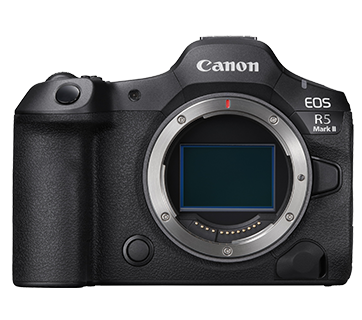
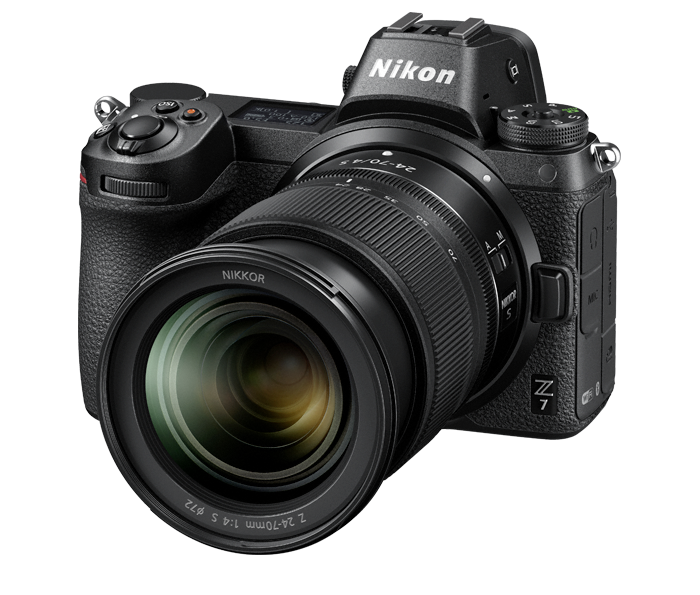
The Canon EOS R5 Mark II and Nikon Z7 are two high-end full-frame mirrorless cameras that are often compared by enthusiasts and professionals alike due to their impressive specifications and performance. Photographers may be choosing between these models based on specific needs such as image quality, autofocus capabilities, or video requirements. The EOS R5 Mark II stands out with its advanced features released in 2024, making it a cutting-edge choice, while the Z7, released in 2018, still holds its ground with solid performance and slightly different strengths.
Key differentiators between these two cameras include their resolution, autofocus capabilities, stabilization systems, and price points. The Canon EOS R5 Mark II offers a higher frame rate for burst shooting, a more robust stabilization feature, and an extensive autofocus system, critically benefiting dynamic shooting scenarios. On the other hand, the Nikon Z7, with its competitive image quality and lower cost, presents an appealing choice for photographers on a budget who don't require the latest features.
Specifications Comparison
Detailed Comparison
Image Quality
Both cameras feature full-frame sensors that yield exceptional image quality, but with slight nuances. The Canon EOS R5 Mark II has a 45-megapixel sensor paired with a wider ISO range (100-51200) which gives it an edge in low-light performance. In contrast, the Nikon Z7 boasts a 46-megapixel sensor and extends the ISO range to 102400, providing slightly more versatility in extreme lighting conditions. However, the base ISO range of the Z7 starts at 64.
Moreover, in real-world tests, images from the R5 Mark II show superior dynamic range and color accuracy in various lighting, which is crucial for landscape and portrait photographers. The internal processing and image handling may give the R5 Mark II a slight lead when it comes to tonal gradation and noise management at higher ISO settings, while the Z7 still maintains excellent clarity and detail retention.
In summary, while both models deliver excellent image quality suitable for professional demands, the R5 Mark II provides an overall advantage in dynamic range and low-light performance.
Autofocus System
Autofocus systems are crucial for capturing sharp images quickly and efficiently. The Canon EOS R5 Mark II excels with a staggering 5850 autofocus points, offering exceptional coverage and precision across the frame. This extensive system benefits from advanced subject tracking capabilities, particularly for moving subjects in sports or wildlife photography.
The Nikon Z7, on the other hand, features 493 autofocus points, which, while sufficient for many scenarios, does not quite match the extensive coverage of the R5 Mark II. The Z7 does include eye-detection autofocus, contributing to its performance in portraiture, but the overall responsiveness and speed found in the autofocus system of the Canon camera places it ahead in competitive environments.
The difference in autofocus capabilities will greatly favor the R5 Mark II for photographers needing fast, reliable autofocus.
Video Capabilities
Video performance is a significant aspect for many modern photographers, and here the Canon EOS R5 Mark II truly shines. It offers up to 30 frames per second shooting at full-frame 8K resolution, making it an ideal option for filmmakers looking to capture high-quality video. Additionally, it supports various codecs and has additional features like Canon Log for flexibility in post-production.
In comparison, the Nikon Z7 is limited to recording 4K video at 30 fps. While it performs adequately for most video applications, it does not have the same high-resolution capabilities that the R5 Mark II provides. Z7 users can still achieve good results, particularly for standard 4K content, but those needing higher resolution would find the R5 Mark II superior.
Thus, for anyone prioritizing video capabilities, the R5 Mark II clearly outclasses the Z7 in terms of resolution, versatility, and post-production options.
Build & Ergonomics
Both the Canon EOS R5 Mark II and Nikon Z7 are constructed with weather-sealing, designed to withstand challenging environments, which is essential for outdoor photographers. However, their weight and dimensions differ slightly, with the R5 Mark II weighing in at 746 grams versus the Z7's 675 grams. The difference might seem marginal but could influence extended handheld use.
In addition, the ergonomics of both cameras cater to long usage periods, although subjective experiences may vary. Many users appreciate Canon's layout and button configuration, which provide easy access to frequently used settings. The Z7, being slightly more compact, can be advantageous for travel photographers seeking portability without sacrificing functionality.
Overall, while both cameras are robust and well-designed, photographers looking for a slightly more combined focus on portability and comfort might lean towards the Nikon Z7, while those favoring a larger grip and heavier build may prefer the Canon.
Battery & Storage
Battery life is another critical aspect for photographers and videographers. The Canon EOS R5 Mark II has a rated battery life of around 540 shots, surpassing the Z7's 330 shots. This difference can make a significant impact during long shooting sessions or when working in remote locations.
Moreover, storage options also vary, with both cameras using different memory card types. The R5 Mark II features dual card slots for SD UHS-II or CFexpress Type B memory cards, providing flexibility and speed, especially beneficial for high-resolution video work and burst photography. The Z7, however, uses a singular XQD card slot, which is fast but limits versatility in card types.
Given the longer battery life and greater storage versatility, the R5 Mark II is the more practical choice for photographers needing reliability in high-demand shooting environments.
Value for Money
Price can heavily influence a purchase decision, and the Nikon Z7 is priced at $3399, making it a more accessible option compared to the Canon EOS R5 Mark II, which retails at $4299. For those working within a defined budget, the Z7 offers exceptional image quality and performance at a lower entry point.
However, when considering the flagship features and advanced technology packed into the R5 Mark II, many may find the additional investment worthwhile, particularly those needing the best video performance and cutting-edge autofocus system. If 8K video or a comprehensive battery life is essential to the creative process, the R5's price is justified.
Ultimately, the choice comes down to individual budget constraints and the specific needs of the photographer. If premium features play a critical role, the R5 Mark II is worth the price; otherwise, the Z7 represents fantastic value.
Our Verdict
Overall, the Canon EOS R5 Mark II emerges as the superior camera, particularly for those seeking advanced video capabilities, superior autofocus performance, and longer battery life. Meanwhile, the Nikon Z7 remains a compelling choice for users who prioritize budget and solid performance, making it an excellent option for landscape and standard portrait photography. Buyers should consider their specific needs and usage context before making a decision, as both cameras have their own strengths and can excel in different environments.
Canon EOS R5 Mark II
Nikon Z7
Also Compare
Frequently Asked Questions
Which camera is better for landscape photography?
Both cameras are excellent for landscape photography, but the R5 Mark II may offer slightly better dynamic range and color handling, important for capturing landscapes with varied light conditions.
Is the R5 Mark II significantly better for video shooting?
Yes, the R5 Mark II offers 8K recording capabilities, whereas the Z7 is limited to 4K. If video quality and resolution are priorities, the R5 Mark II is the better choice.
How do the autofocus systems compare for wildlife photography?
The R5 Mark II features a vastly superior autofocus system with 5850 points, making it more adept in capturing moving wildlife compared to the Z7's 493 points.
Which camera is more portable?
The Nikon Z7 is slightly lighter and more compact, which may cater better to photographers looking for portability in travel scenarios.
How does the image quality hold up at high ISO levels?
The R5 Mark II demonstrates better performance at higher ISO levels, offering improved dynamic range and noise control, particularly beneficial in low-light settings.