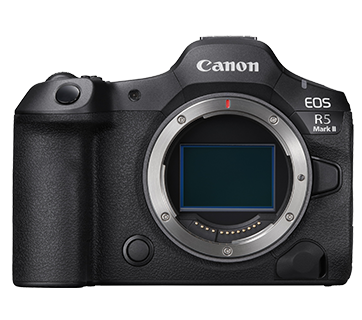
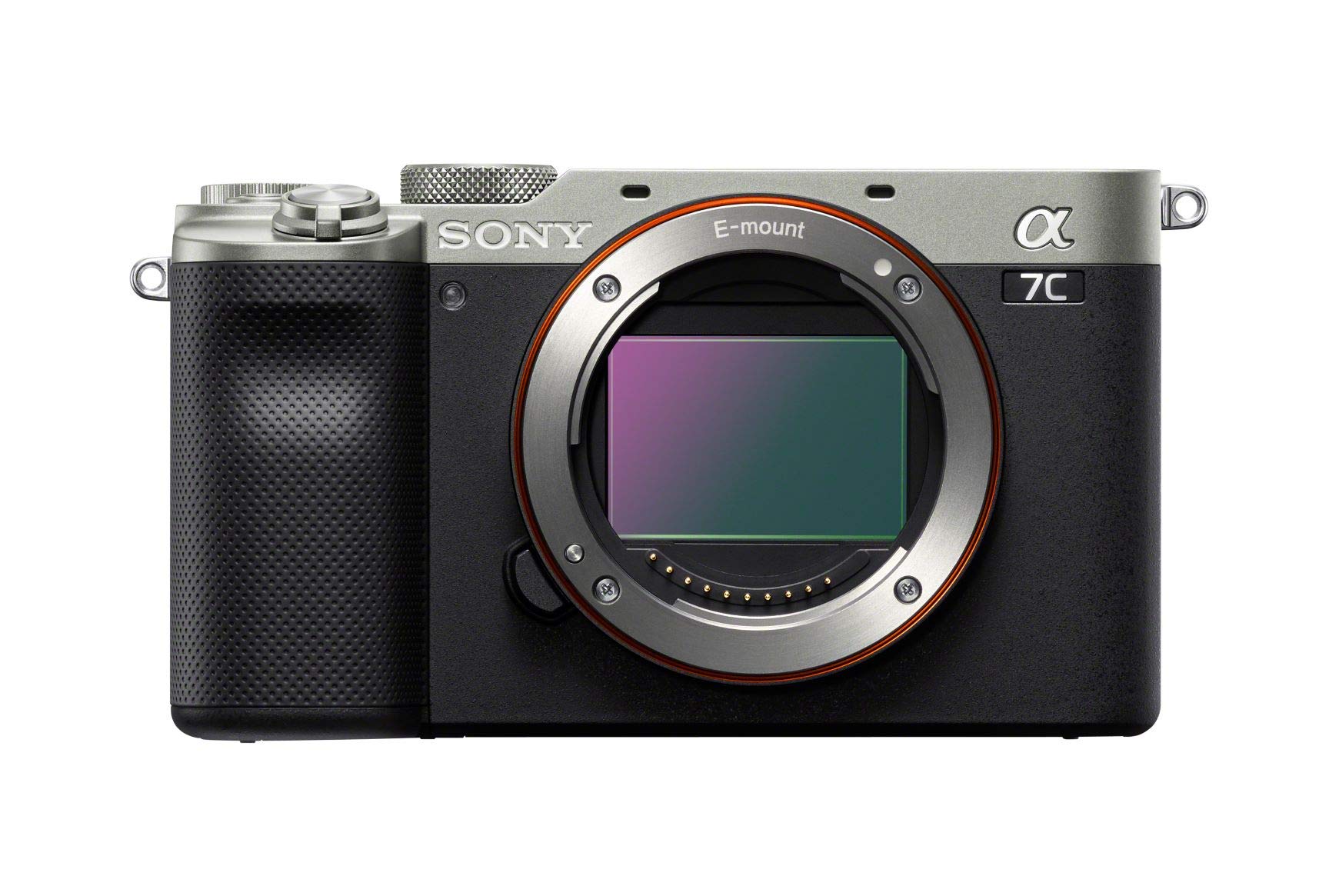
The Canon EOS R5 Mark II and Sony A7C are two prominent full-frame mirrorless cameras that cater to both enthusiasts and professionals alike. They frequently come up in discussions due to their impressive specifications, versatility, and market positioning. Buyers often find themselves torn between these two models as they represent different philosophies within imaging technology, with Canon leaning towards high resolution and advanced features, while Sony emphasizes portability and affordability without sacrificing performance.
Specifications Comparison
Detailed Comparison
Image Quality
The Canon EOS R5 Mark II boasts a substantial 45-megapixel sensor, delivering extraordinary detail and superior performance in a variety of shooting conditions. This higher resolution is particularly beneficial for landscape and studio photographers who require large prints or extensive cropping options. In contrast, the Sony A7C features a 24-megapixel sensor, which, while still providing good image quality and dynamic range, may not satisfy users needing ultra-high-resolution outputs. Both cameras perform well at high ISO, but the Canon's ISO range extends up to 51200 while also benefiting from better image clarity at the higher settings. Therefore, in terms of fine detail and high-resolution performance, the EOS R5 Mark II takes the lead.
Autofocus System
Canon's EOS R5 Mark II features an impressive 5850 autofocus points, allowing for exceptional tracking capabilities and focus precision across the frame. This makes it suitable for dynamic shooting scenarios like sports and wildlife photography. The Sony A7C, with 693 autofocus points, also offers reliable autofocus performance and capable tracking, particularly for still subjects. However, it may struggle with subject detection in fast-paced environments compared to the R5 Mark II. While both systems utilize AI to enhance detection, Canon's more advanced autofocus system places it ahead when speed and accuracy in variable conditions are needed.
Video Capabilities
The Canon EOS R5 Mark II excels in video capabilities, supporting 8K recording at up to 30 fps, thus appealing to professional videographers who demand high-resolution content. It also includes advanced features like Canon Log for extensive post-production flexibility. The Sony A7C, on the other hand,maxes out at 4K 30p, which is decent for most videographers but lacks the high resolution that some will require. Additionally, the R5 Mark II offers built-in stabilization of 8.5 stops, providing superior handheld shooting freedom compared to the 5 stops available on the A7C. When considering professional video work, the R5 Mark II is clearly the more capable option.
Build & Ergonomics
With a weight of 746g, the Canon EOS R5 Mark II is noticeably heftier than the Sony A7C, which weighs 509g. This difference may be significant for on-the-go photographers who prioritize lightweight gear. Canon's model also has larger dimensions, which might lead to a more substantial grip, enhancing comfort during prolonged use. Both cameras offer weather sealing, ensuring durability in challenging conditions. While those who prioritize a compact design may prefer the A7C, others who favor a more substantial camera feel and ergonomic design might lean towards the R5 Mark II, making this aspect subjective to user preference.
Battery & Storage
The Sony A7C has a better battery life, rated for approximately 740 shots per charge, compared to the Canon EOS R5 Mark II's 540 shots. This extended battery lifespan can be a determining factor for users who engage in long shooting sessions without the opportunity to recharge. Additionally, both models support dual card slots, which is essential for professional photographers who need to store large files safely. Although Canon tends to offer larger file sizes due to its higher resolution, the A7C's efficient power management could offset this advantage, making it more practical for extended usage scenarios.
Value for Money
The Sony A7C, priced at $1799, presents a much more accessible option for entry-level and intermediate users looking for a full-frame camera. With its respectable features and affordability, it provides good value, especially for those not needing the utmost in resolution or advanced video features. Conversely, the Canon EOS R5 Mark II is priced significantly higher at $4299, targeting professionals who require cutting-edge technology and superior features. Both cameras have their niche; while the A7C offers value for aspiring photographers, the R5 Mark II is justified by its performance in high-end applications.
Lens Ecosystem
The Canon RF mount for the EOS R5 Mark II offers a growing range of high-quality lenses and is well-regarded for its optical performance. Its lens ecosystem is comprehensive and maintains Canon's historical strengths in lens design. Meanwhile, the Sony E mount has been around longer and boasts a larger selection of available lenses, making it a more versatile choice for users looking for specific focal lengths. However, Canon's newer RF series lenses provide advanced optical designs that can match or exceed the performance of some of Sony's offerings. Ultimately, while Sony might have a more extensive ecosystem currently, Canon's RF lenses are a strong and promising investment for the future.
Our Verdict
Overall, the Canon EOS R5 Mark II stands out as the winner in this comparison due to its superior image quality, advanced autofocus capabilities, and exceptional video performance, making it ideal for professionals and serious enthusiasts. However, those prioritizing lightweight design, battery life, and a more budget-friendly option would be well-served by the Sony A7C. In essence, each camera excels in different scenarios, ensuring there's a suitable choice for a diverse range of photographers.