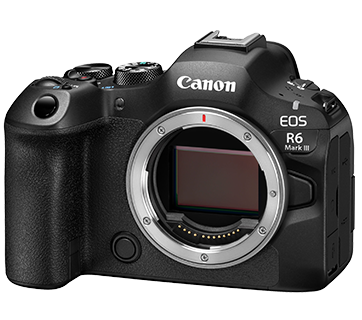
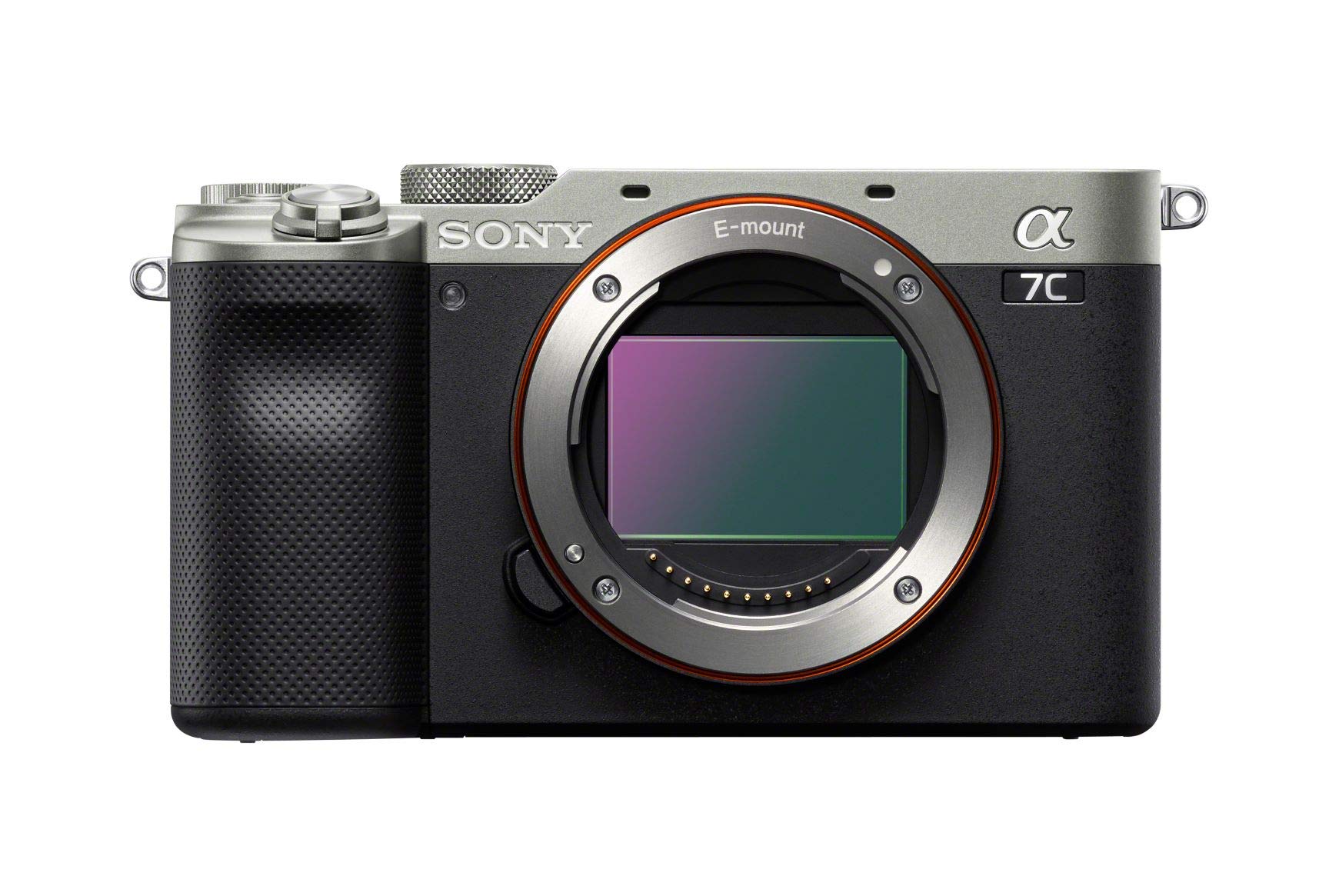
The Canon EOS R6 Mark III and the Sony A7C are two popular full-frame mirrorless cameras that often attract the attention of both amateur and professional photographers alike. They are frequently compared due to their impressive specifications and features, which cater to a variety of shooting styles, such as portrait, landscape, and action photography. Potential buyers might be primarily choosing between these models based on specific requirements in autofocus capabilities, video performance, portability, and overall image quality. Additionally, their respective price points are also considerable factors for budget-conscious photographers.
Specifications Comparison
Detailed Comparison
Image Quality
The Canon EOS R6 Mark III boasts a full-frame sensor size of 35.9 x 23.9 mm with a remarkable ISO range of 100-102400 (expandable to 204800), which helps in achieving excellent performance in low-light conditions. While the resolution specifications haven't been highlighted, the R6 Mark III is generally known for its impressive image quality and color reproduction. On the other hand, the Sony A7C features a slightly smaller sensor size at 35.6 x 23.8 mm with a resolution of 24 megapixels, allowing for sharp and detailed images. The A7C's ISO range is also notable, ranging from 100-51200 (expandable to 50-204800), but its lower resolution suggests that the R6 could produce finer detail due to advanced image processing methods. Given these attributes, the R6 Mark III takes the edge due to its superior low-light performance and overall quality.
Autofocus System
The Canon EOS R6 Mark III features a staggering autofocus system with 4897 autofocus points, ensuring rapid and accurate subject tracking, which is particularly beneficial for sports and wildlife photographers. In comparison, the Sony A7C has a very capable autofocus system but with 693 points, while it still performs well, the sheer number of points on the R6 offers a significant advantage in precision. Additionally, Canon's Dual Pixel AF technology adds to the reliability and speed in various lighting conditions. This makes the R6 Mark III a stronger candidate for photographers who prioritize autofocus performance over other aspects.
Video Capabilities
Video performance is crucial for many creators today, and here the differences are stark. The Canon EOS R6 Mark III offers impressive video capabilities, including 4K video recording at up to 120 frames per second, which is exceptional for achieving smooth, high-frame-rate footage. In contrast, the Sony A7C is limited to 4K video at 30 frames per second. While both models support high-quality video and utilize electronic viewfinders for composing shots, the R6's higher frame rate is especially advantageous for videographers seeking to create cinematic slow-motion effects, making it a clear winner in this category.
Build & Ergonomics
In terms of build quality, both cameras are weather-sealed, enhancing their durability against environmental factors. However, the Canon EOS R6 Mark III is slightly bulkier and heavier at 699 grams compared to the Sony A7C, which weighs only 509 grams. For some photographers, particularly those who prioritize portability over features, the A7C may be more appealing for lengthy shoots or travel. Nevertheless, the larger size of the R6 Mark III may provide a more comfortable grip and usability, especially for those with larger hands. Ultimately, the choice between these two depends on personal preference regarding weight versus handling comfort.
Battery & Storage
Battery life is crucial for any photographer on the go. The Canon EOS R6 Mark III does not disclose specific battery life figures but boasts improvements in energy efficiency. In contrast, the Sony A7C offers a satisfactory battery life, capable of approximately 740 shots per charge, making it suitable for full-day shooting sessions. Storage is comparable, as both cameras accept standard SD cards. While the R6 Mark III has advantages in terms of raw performance and features, the A7C's battery life offers a practical advantage for extended shoots, particularly in casual settings.
Value for Money
Pricing plays a significant role in the decision-making process. The Canon EOS R6 Mark III comes in at a price of $2799, reflecting its higher-end specifications and features tailored for professional use. In contrast, the Sony A7C is more accessible at $1799, making it an attractive choice for enthusiasts looking for a robust full-frame system without breaking the bank. The value proposition of the A7C, given its capabilities and reliable performance, could appeal more to those on a tighter budget. However, the R6 Mark III justifies its higher cost through unique features that may benefit professionals.
Lens Ecosystem
Both Canon and Sony offer robust lens ecosystems that cater to different photography styles. Canon's RF mount provides a growing range of high-quality lenses tailored to the needs of full-frame shooters, while the extensive Sony E mount system not only includes a vast selection of native lenses but also allows for extensive compatibility with third-party manufacturers. This can be a compelling factor for buyers already invested in either brand's lens ecosystem. Depending on the photographer's previous investments and future expansion plans, one may find the lens ecosystem more favorable, making this category a tie overall.
Our Verdict
Overall, the Canon EOS R6 Mark III emerges as the winner due to its superior image quality, autofocus system, and impressive video capabilities, making it an excellent choice for professional photographers and videographers. However, the Sony A7C remains a strong contender, particularly for those prioritizing portability and budget. For casual users and enthusiasts, the A7C offers significant value without compromising too much on image quality and performance.