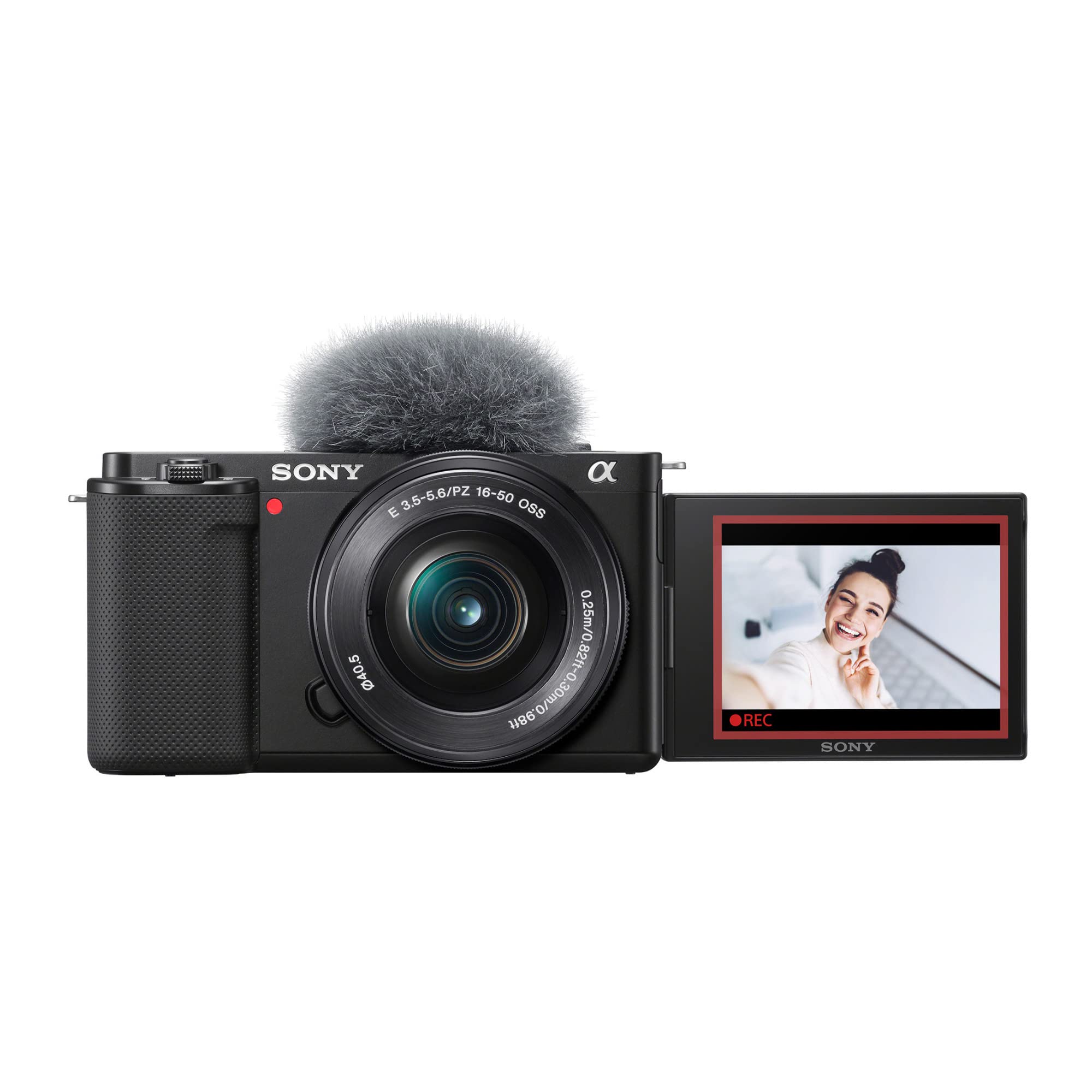
Overview
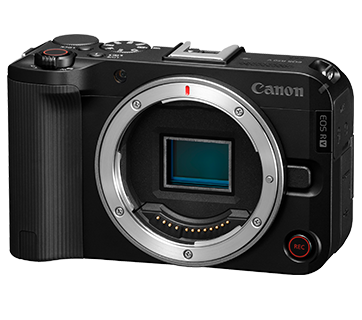
The Canon EOS R50 V is Canon’s 2025 update to its entry-level APS-C mirrorless lineup, squarely targeting new content creators, vloggers, and travel shooters who want high-quality 4K video and snappy autofocus in a lightweight, affordable package. Boasting a 24MP APS-C sensor, rapid burst shooting up to 12 fps, and extensive video chops—including 4K60p with 10-bit C-Log3—the R50 V is tuned for creators ready to graduate from smartphones but still needing something compact and approachable.
Priced at $649 body-only, this compact RF-S mount camera omits some enthusiast-focused features to keep cost and size down. The most notable sacrifice is the lack of an electronic viewfinder (EVF), which may turn away traditional photographers. But for travel, B-cam use, livestreaming, or on-the-go social media work, the R50 V offers tremendous capability in a form factor that fits in nearly any bag. Canon's proven color science, easy touchscreen UI, and broad lens compatibility help the R50 V stand out for beginners and YouTube shooters alike.
Image Quality
With a 24MP APS-C sensor (22.3 x 14.9 mm), the Canon EOS R50 V produces impressively sharp and detailed images at its price point. JPEGs are characteristically Canon—pleasing colors, good dynamic range, and natural skin tones straight out of camera. The RAW files offer further malleability, retaining shadow and highlight detail that withstands moderate pushing and pulling in post.
Low-light performance is solid for an APS-C sensor, though predictably not on par with full-frame rivals. ISO 3200 is easily usable, and with careful noise reduction, ISO 6400 yields results fine for web or modest print. Image quality is hampered slightly by the kit RF-S 14-30mm or 18-45mm lenses due to their variable aperture, limiting depth-of-field and low-light shots. Upgrading to brighter primes or telephotos like the RF 100-400mm—well-regarded by birding photographers—taps into the sensor's potential more fully.
Color profiles are generous, and users have praised C-LOG3 support for grading flexibility. Stills from the R50 V compare favorably to Fujifilm X-S20, albeit with less in-camera film simulation and customization. While the lack of in-body stabilization can limit handheld low-light work, clean high ISO and good lens options help mitigate this. Overall, for this segment, image quality earns high marks.
What Users Say
Getting this level of C-LOG3 footage and great stills out of a device this small makes no sense.
-- Reddit community
The RF 100-400 gives plenty of reach for birding.
-- Reddit community
Autofocus Performance
Canon has brought its Dual Pixel CMOS AF tech from higher-end R-series models to the R50 V, delivering fast and accurate focus for both stills and video. Subject and eye-detection AF are standout features, reliably locking onto faces and eyes even when subjects are moving unpredictably. For the intended audience—vloggers, event shooters, parents—this is invaluable and ranks near the top of APS-C competitors.
Performance in continuous AF (Servo AF) is quick and sticky, a crucial advantage for video work and for tracking moving subjects like children or pets. In practical use, users have noted it 'rivals higher-end models,' keeping focus almost perfectly during subject movement—something Sony's a6400 series also does well, though Canon's UI is arguably friendlier.
Focus speed is instant in good light, with only a minimal drop in tricky conditions. Touch-to-focus on the rear LCD is responsive, making filming yourself or adjusting focus points intuitive. The lack of an EVF makes on-screen AF point selection a necessity, and fortunately, Canon's implementation here is polished.
What Users Say
Quick autofocus performance that rivals higher-end models, enhancing usability for both photography and videography.
-- Reddit community
Build Quality & Ergonomics
Weighing just 370 grams and measuring 119 x 74 x 45 mm, the Canon EOS R50 V is one of the most portable mirrorless cameras in its class. Its polycarbonate construction keeps things light without feeling flimsy; the grip is modest but comfortable for most hand sizes, and all essential controls are within easy reach. This makes it a joy to use as an everyday or travel camera—one that slips easily into backpacks or purses without fatigue on long shoots.
The rear 3-inch articulating touchscreen (1.04M dots) is clear and responsive, making menu navigation—a longtime Canon strength—dead easy, especially for beginners. However, user reports underscore the screen is not as bright as it could be, making composition in bright sunlight tricky. Unlike the Canon R10 or Fujifilm X-S20, there is no built-in EVF, a conscious trade-off for size and price. For daylight street shooters or those who rely on a viewfinder for precise framing, this is a significant limitation.
Button layout is simplified but thoughtfully placed. There’s little in the way of weather sealing, so this isn’t a camera for extreme conditions. For those prioritizing compactness and weight, however, the R50 V delivers.
What Users Say
Lightweight and compact design, making it easy to carry around for daily use or travel.
-- Reddit community
The lack of EVF is a deal breaker for me.
-- Reddit community
The display is not as bright or easy to use in direct sunlight, making it challenging to see in bright conditions.
-- Reddit community
Video Capabilities
The Canon EOS R50 V punches above its price class for video creators, offering 4K at up to 60p, oversampled from its 24MP sensor for crisp, detailed footage. Critically, Canon has added 10-bit C-Log3, enabling serious grading flexibility for creative color work or matching B-cam footage to higher-end models. User consensus is overwhelmingly positive here—remarking that such advanced features at this price point are unexpected and invaluable for up-and-coming filmmakers.
Customizable video settings abound, letting creators adapt to different content needs—be it interviews, quick social media clips, or longer-format YouTube productions. Autofocus remains sticky and accurate, maintaining subject lock even as performers move or lighting shifts. Digital-only stabilization is available, providing passable results for stationary or tripod work, but is less effective for run-and-gun shooting compared to in-body stabilized rivals like the Panasonic Lumix G100 or Sony ZV-E10.
There is some criticism for overheating during extended 4K60 sessions, which can be problematic for event shooters or those planning long continuous takes. Additionally, the mic input and clean HDMI output make the R50 V a practical choice for livestreaming or as a B cam in a multi-cam setup, again hitting a sweet spot for creative professionals on a tight budget.
What Users Say
Excellent video quality with 4K 10-bit C-Log3 recording capabilities, making it a strong contender for video creators.
-- Reddit community
For the price point and quality, I could definitely use the R50 V for travel gigs for interviews, livestreams at conferences.
-- Reddit community
Some user reports indicate issues with overheating during prolonged video recording sessions.
-- Reddit community
Battery Life & Storage
Powering the Canon EOS R50 V is the aging LP-E17 battery, known for its limited capacity. In real-world use, expect roughly 220-300 shots per charge—a number that drops further during 4K video recording. For many shooters, especially those filming interviews or events, carrying two or three batteries is essential. User complaints center on this: 'It uses LP-E17 Batteries, which don't last a long time at all.' The lack of USB-C charging means you need to rely on the included charger between sessions, limiting on-the-go flexibility compared to rivals like the Sony ZV-E10.
Storage is on SD UHS-I cards, which are fast enough for the R50 V’s stills and most video workflows, though not as future-proof as UHS-II slots found in more expensive models. Single card slot limits redundancy for mission-critical projects but is unsurprising at this price.
There is no headphone jack, so monitoring audio live while recording video requires external devices or recording a short test clip first to check levels. For battery life and storage, the R50 V is firmly average for its class—convenient for casual shooting but less ideal for extended pro work without extra prep.
What Users Say
It uses LP-E17 Batteries, which don't last a long time at all.
-- Reddit community
Value for Money
At $649, the Canon EOS R50 V delivers a lot of camera for the money, particularly for hybrid shooters and video-first creators. With serious video credentials (4K60, 10-bit C-Log3), robust autofocus, and solid stills quality, it compares favorably to Sony’s ZV-E10 and Fujifilm’s X-S20, both of which cost more and, in some cases, lack similar video feature depth.
Canon’s RF-S ecosystem is maturing, and the inclusion of an EF adapter broadens lens options for advanced users on a budget. The camera’s usability, compactness, and modern connectivity make it a compelling option for students, travelers, or small business owners producing web content. However, competitors may offer more features at the expense of size, such as IBIS or an EVF, so buyers should carefully consider workflow needs.
For the price, Canon provides remarkable access to high-quality creative tools. The main trade-offs are battery life, the lack of an EVF, and basic digital stabilization—but for creators whose top priorities are video quality and portability, the R50 V is tough to beat.
What Users Say
For the price point and quality, I could definitely use the R50 V for travel gigs for interviews, livestreams at conferences.
-- Reddit community
Offers customizable settings for video, allowing users to tailor their shooting experience to their needs.
-- Reddit community
Key Specifications
| Stabilization | Digital only |
Pros & Cons
Pros
- 4K60 10-bit C-Log3 video at an affordable price
- Fast and accurate Dual Pixel CMOS autofocus
- Exceptionally lightweight and compact body
- Articulating touchscreen LCD facilitates vlogging and selfies
- Broad lens compatibility via RF mount and EF adapter
- Intuitive Canon interface and menus, beginner-friendly
- Versatile for both photo and video applications
Cons
- No electronic viewfinder (EVF), hindering outdoor composition
- Weak battery life, especially for extended video sessions
- Digital-only stabilization less effective for handheld video
- Display can be hard to see in bright sunlight
- Variable aperture kit lenses limit low-light performance
- Tendency to overheat during longer 4K60 recordings
- No headphone jack for live audio monitoring
- Single SD UHS-I card slot, no redundancy
Verdict
Canon EOS R50 V
The Canon EOS R50 V squarely targets hybrid creators, vloggers, and travelers who prioritize video features and portability over traditional camera frills. Its industry-leading autofocus and 4K60 10-bit C-Log3 output in such a small package are genuinely impressive, enabling serious content creation for minimal investment. The compact size and Canon's trademark usability make it a reliable companion for daily or travel use.
However, the lack of an EVF and mediocre battery life may turn off experienced stills shooters, event photographers, or those who frequently shoot outdoors in bright light. If your primary use is studio work, run-and-gun vlogging, or web-bound interviews, there are few better choices at this price and size. For advanced enthusiasts who demand more robust stills ergonomics, dual card slots, or in-body stabilization, other mirrorless models (at higher price points) warrant a look.
If video, versatility, and compactness are your top priorities and you’re willing to work around the power and viewfinder limitations, the R50 V is a standout recommendation in the 2025 entry-level mirrorless market.
Frequently Asked Questions
Can the Canon EOS R50 V record unlimited 4K video, or is there a time limit?
The R50 V can record up to 4K 60p, but like most compact cameras, it has a 30-minute per-clip recording limit due to file system restrictions and heat management. Some users report it may overheat before reaching that limit, especially in 4K60 mode during extended sessions, so plan accordingly for long-form video work.
Does the Canon EOS R50 V have in-body image stabilization (IBIS)?
No, the R50 V offers only digital stabilization for video and relies on optically stabilized lenses for both still and video shooting. Compared to some rivals with IBIS, this restricts its effectiveness for handheld video—tripod use is recommended for best results.
Is there an electronic viewfinder (EVF) on the EOS R50 V?
No, the R50 V does not have an EVF. Composition and menu navigation are via the rear articulating LCD screen. This is a key differentiator from Canon’s higher-end models and may be an issue for users who prefer shooting with a viewfinder, especially outdoors.
What lenses are compatible with the Canon EOS R50 V?
The camera uses Canon’s RF-S mount, allowing native RF and RF-S lenses. With Canon’s EF-EOS R adapter, nearly all EF and EF-S DSLR lenses are fully compatible—expanding options considerably for existing Canon users.
How does the battery life compare to competitors?
The R50 V uses the LP-E17 battery, which is below average in this segment, especially for video work. Expect 220-300 shots per charge, or less with heavy video use. Competitors like the Sony ZV-E10 or Fujifilm X-S20 offer better longevity and/or USB charging.
Is the Canon EOS R50 V suitable for livestreaming?
Yes, with clean HDMI out and a microphone input, the R50 V is well-suited as a livestreaming or webcam solution. It’s a popular choice for content creators streaming interviews, conferences, or gaming sessions, though external battery power is recommended for long streams.
Compare This Camera
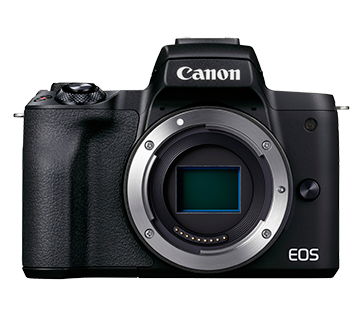
Canon EOS R50 V vs Canon EOS M50 Mark II
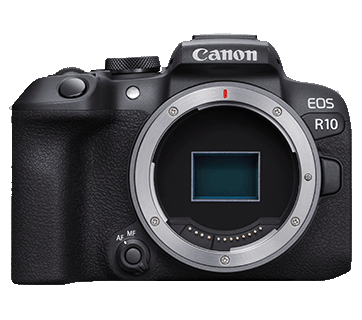
Canon EOS R50 V vs Canon EOS R10
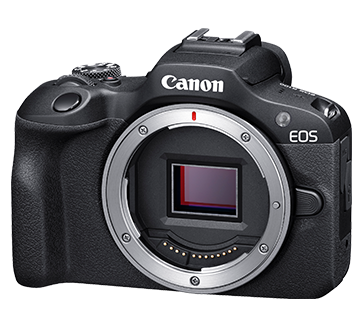
Canon EOS R50 V vs Canon EOS R100
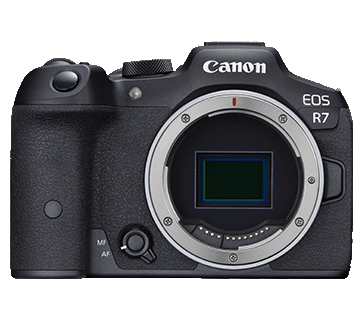
Canon EOS R50 V vs Canon EOS R7
Canon EOS R50 V vs Fujifilm X-H2
Canon EOS R50 V vs Fujifilm X-H2S
Canon EOS R50 V vs Fujifilm X-S20
Canon EOS R50 V vs Fujifilm X-T5
Canon EOS R50 V vs Fujifilm X100VI
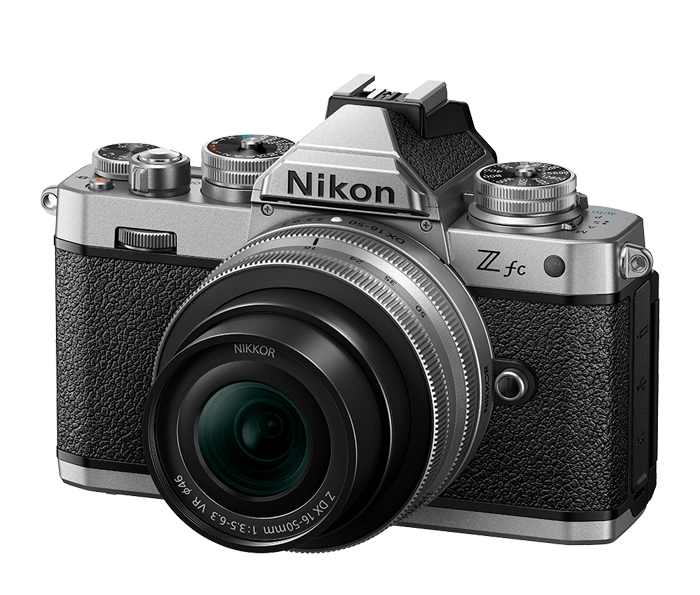
Canon EOS R50 V vs Nikon Z fc
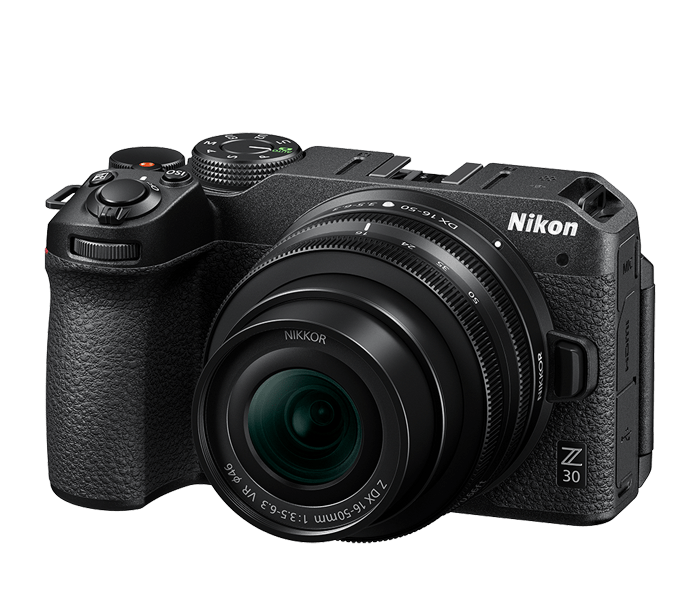
Canon EOS R50 V vs Nikon Z30
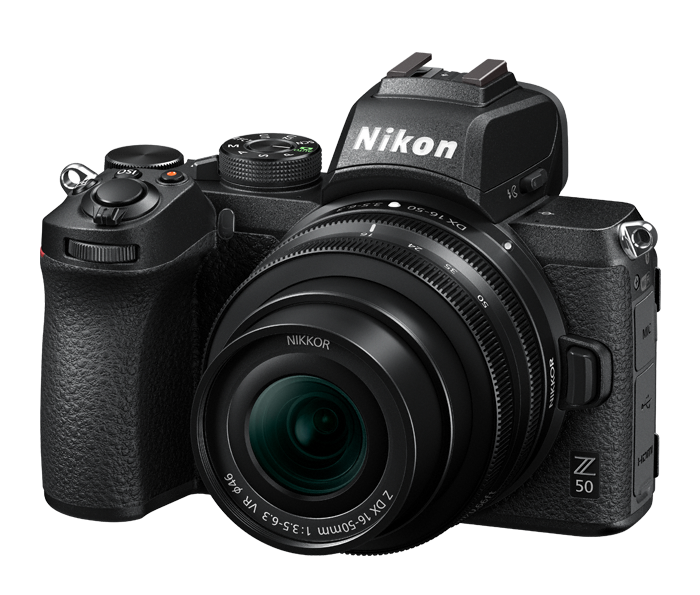
Canon EOS R50 V vs Nikon Z50
Canon EOS R50 V vs Nikon Z50II
Canon EOS R50 V vs Sony A6100
Canon EOS R50 V vs Sony A6400
Canon EOS R50 V vs Sony A6600
Canon EOS R50 V vs Sony A6700
Canon EOS R50 V vs Sony ZV-E10 II
Canon EOS R50 V vs Sony ZV-E10
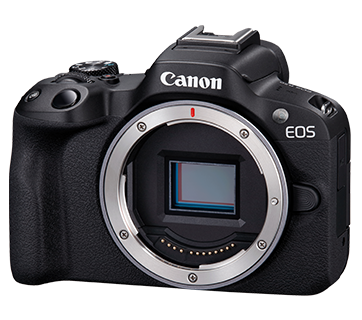
Canon EOS R50 V vs Canon EOS R50
Compatible Lenses
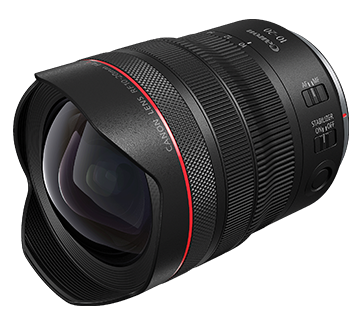
RF 10-20mm f/4L IS STM
lens
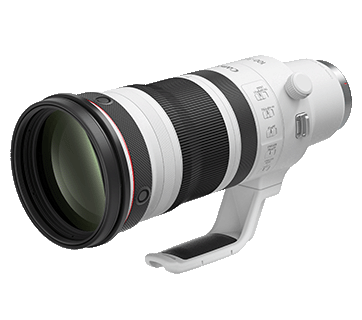
RF 100-300mm f/2.8L IS USM
lens
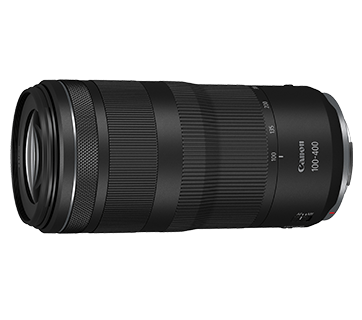
RF 100-400mm f/5.6-8 IS USM
lens
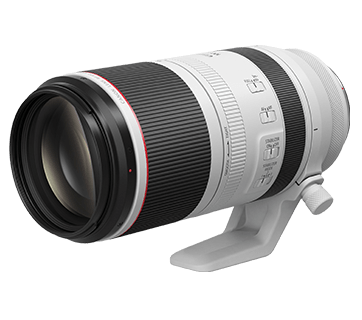
RF 100-500mm f/4.5-7.1L IS USM
lens
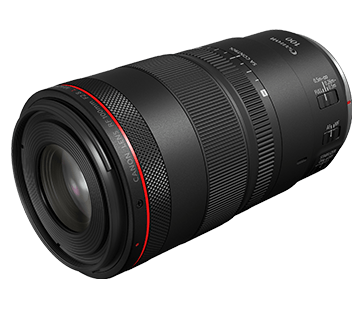
RF 100mm f/2.8L MACRO IS USM
lens
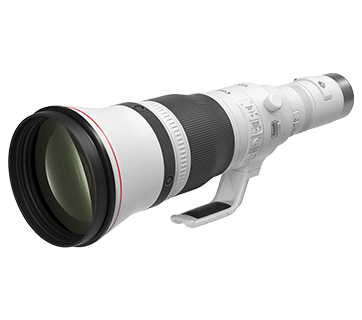
RF 1200mm f/8L IS USM
lens
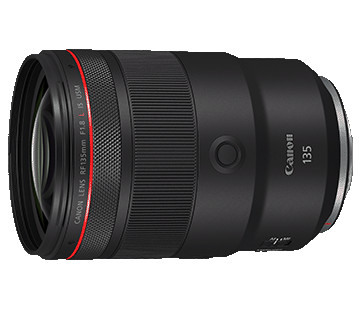
RF 135mm f/1.8L IS USM
lens
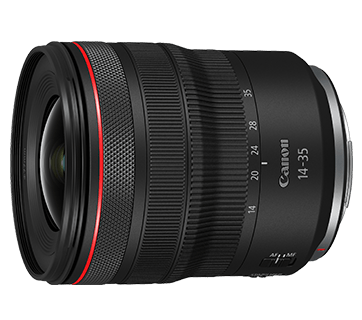
RF 14-35mm f/4L IS USM
lens
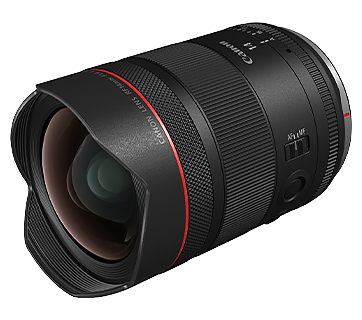
RF 14mm f/1.4L VCM
lens
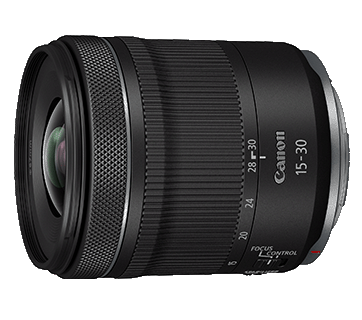
RF 15-30mm f/4.5-6.3 IS STM
lens
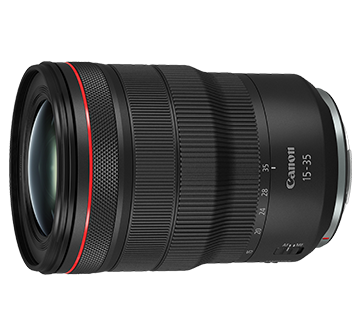
RF 15-35mm f/2.8L IS USM
lens
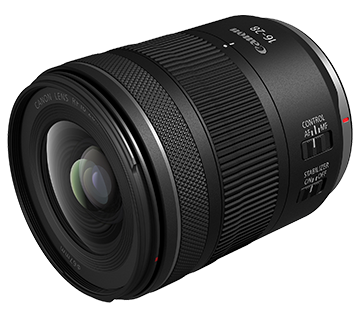
RF 16-28mm f/2.8 IS STM
lens
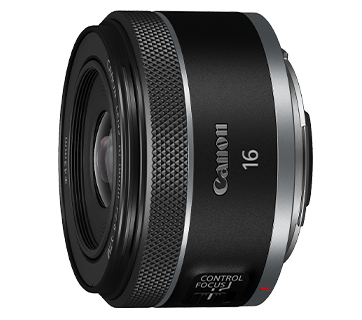
RF 16mm f/2.8 STM
lens
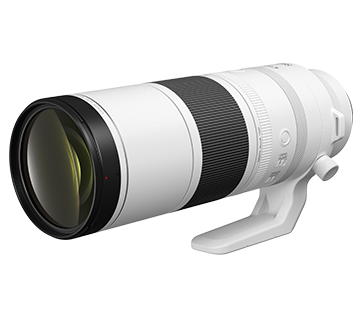
RF 200-800mm f/6.3-9 IS USM
lens
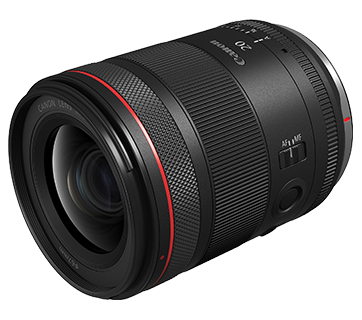
RF 20mm f/1.4L VCM
lens
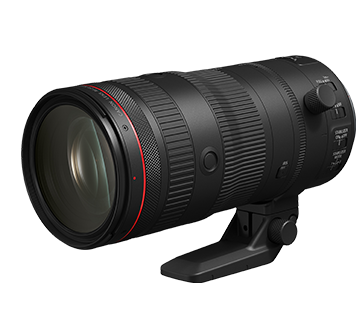
RF 24-105mm f/2.8L IS USM Z
lens
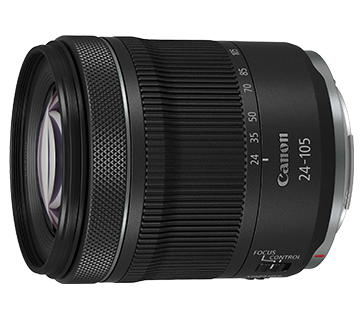
RF 24-105mm f/4-7.1 IS STM
lens
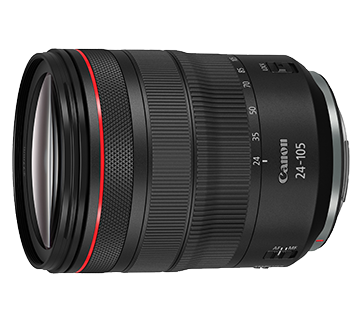
RF 24-105mm f/4L IS USM
lens
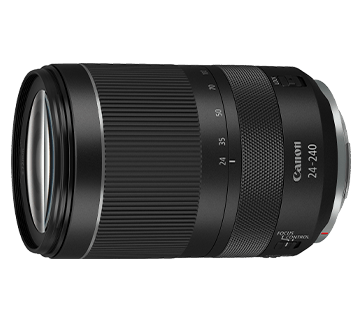
RF 24-240mm f/4-6.3 IS USM
lens
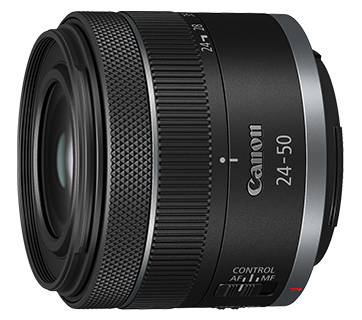
RF 24-50mm f/4.5-6.3 IS STM
lens
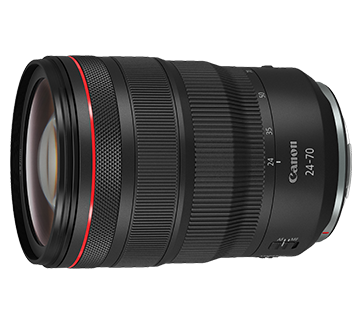
RF 24-70mm f/2.8L IS USM
lens
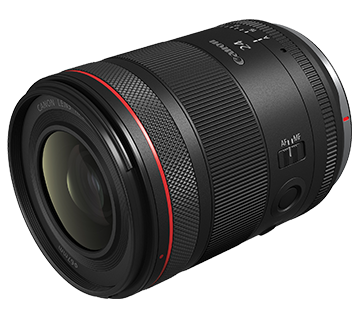
RF 24mm f/1.4L VCM
lens
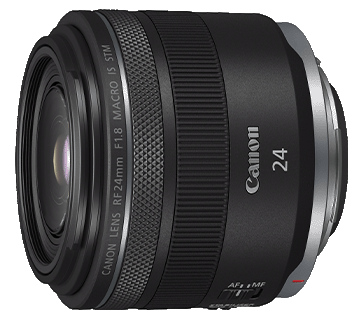
RF 24mm f/1.8 MACRO IS STM
lens

RF 28-70mm f/2.8 IS STM
lens
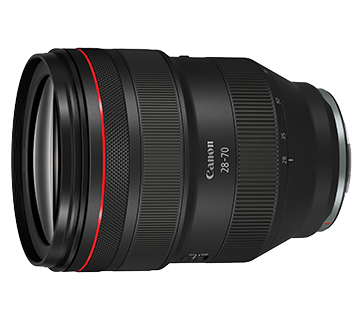
RF 28-70mm f/2L USM
lens
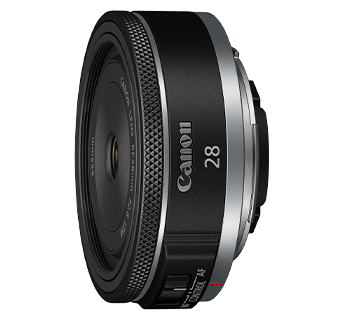
RF 28mm f/2.8 STM
lens

RF 35mm f/1.4L VCM
lens
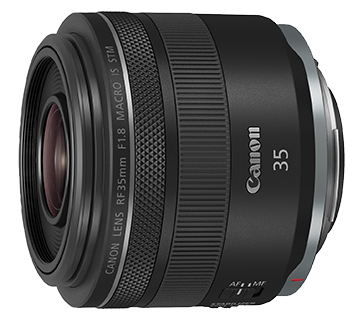
RF 35mm f/1.8 Macro IS STM
lens
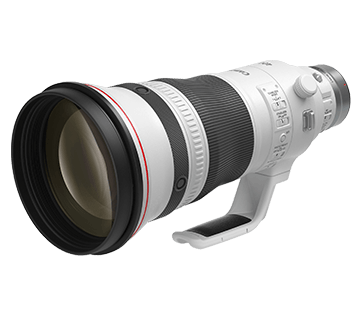
RF 400mm f/2.8L IS USM
lens
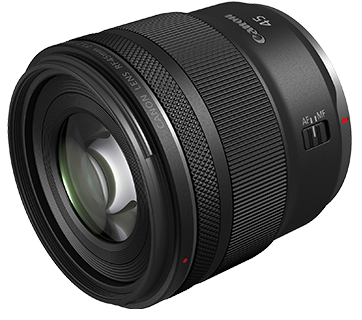
RF 45mm f/1.2 STM
lens
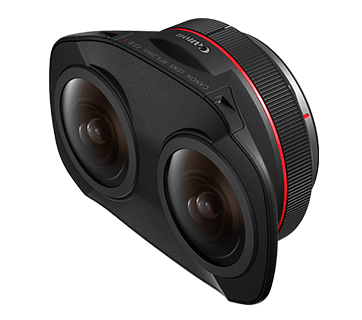
RF 5.2mm f/2.8L Dual Fisheye
lens
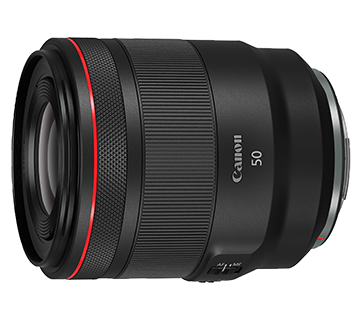
RF 50mm f/1.2L USM
lens
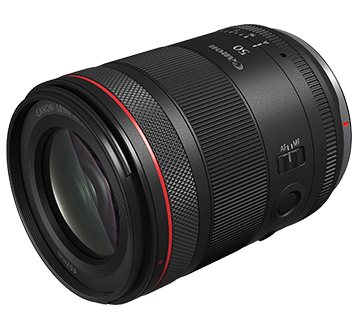
RF 50mm f/1.4L VCM
lens
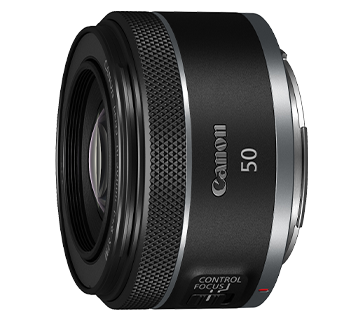
RF 50mm f/1.8 STM
lens
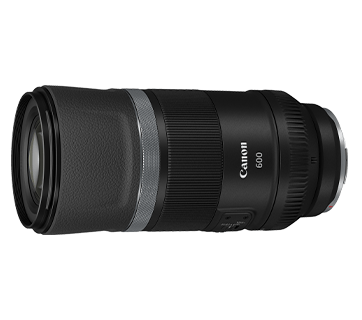
RF 600mm f/11 IS STM
lens
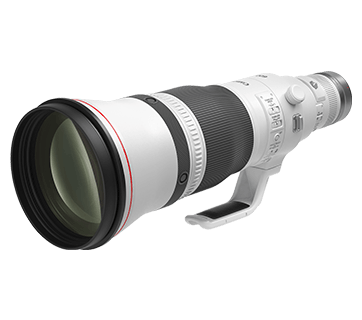
RF 600mm f/4L IS USM
lens
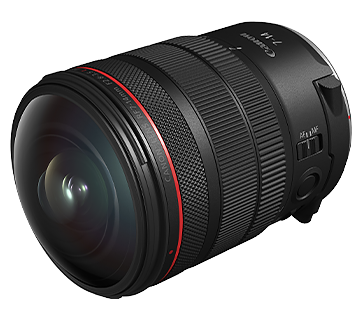
RF 7-14mm f/2.8-3.5L Fisheye STM
lens
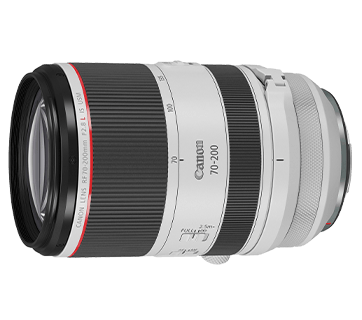
RF 70-200mm f/2.8L IS USM
lens
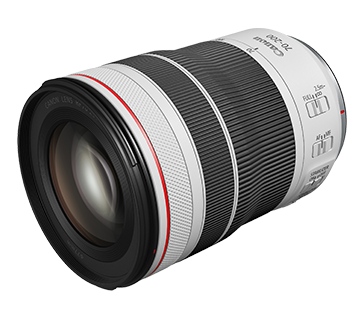
RF 70-200mm f/4L IS USM
lens
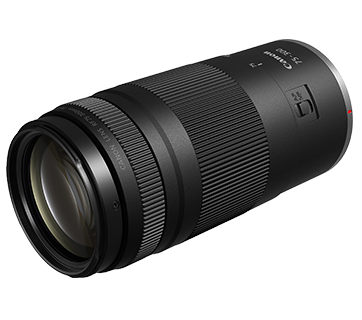
RF 75-300mm f/4-5.6
lens
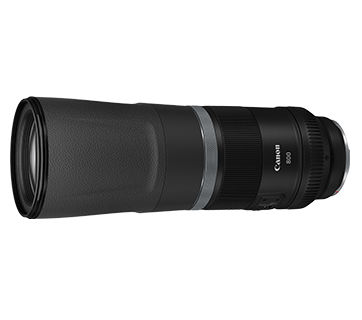
RF 800mm f/11 IS STM
lens
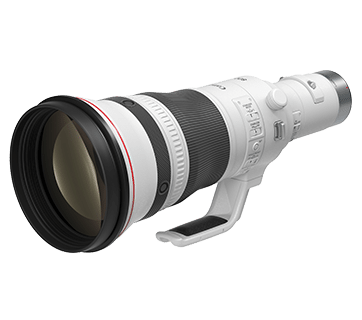
RF 800mm f/5.6L IS USM
lens
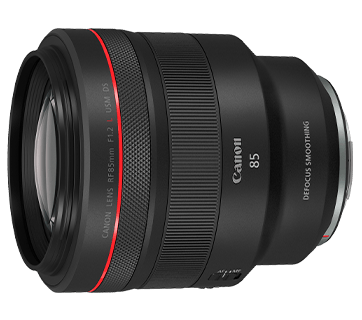
RF 85mm f/1.2L USM DS
lens
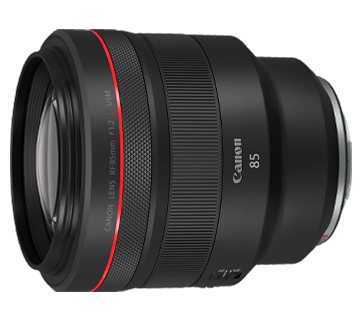
RF 85mm f/1.2L USM
lens
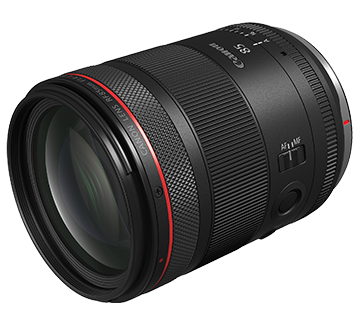
RF 85mm f/1.4L VCM
lens
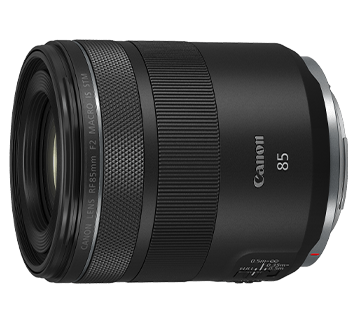
RF 85mm f/2 Macro IS STM
lens
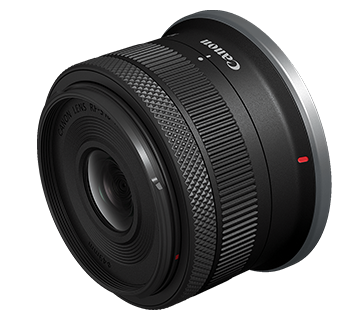
RF-S 10-18mm f/4.5-6.3 IS STM
lens
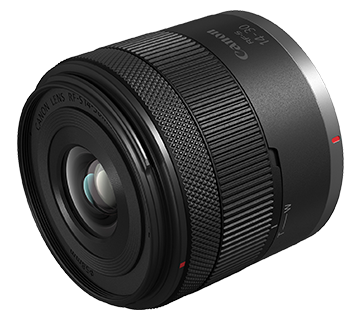
RF-S 14-30mm f/4-6.3 IS STM PZ
lens
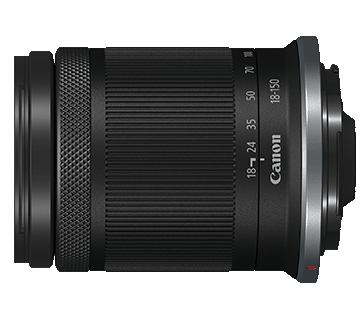
RF-S 18-150mm f/3.5-6.3 IS STM
lens
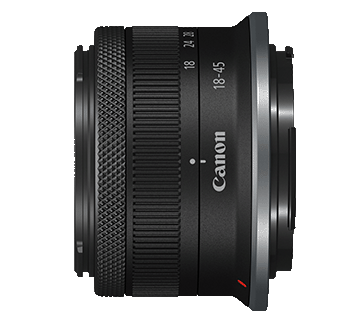
RF-S 18-45mm f/4.5-6.3 IS STM
lens
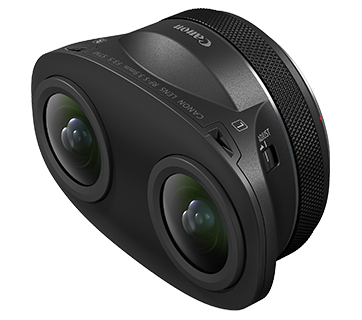
RF-S 3.9mm f/3.5 STM Dual Fisheye
lens
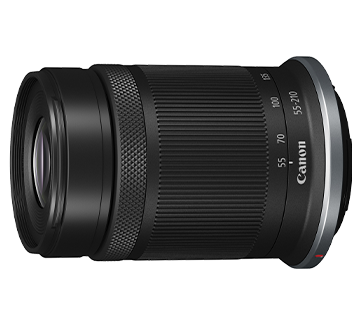
RF-S 55-210mm f/5-7.1 IS STM
lens
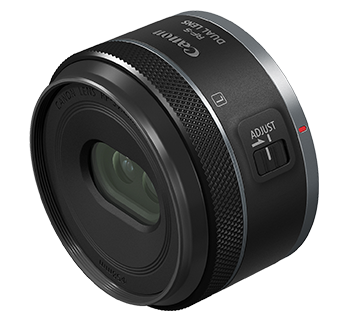
RF-S 7.8mm f/4 STM Dual
lens