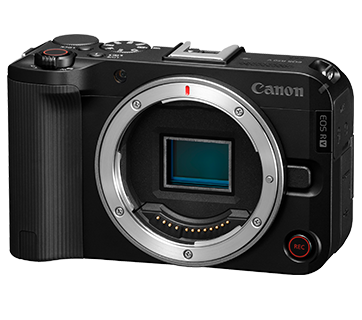

The Canon EOS R50 V and Fujifilm X-H2S are frequently compared by photographers and videographers seeking high-performance APS-C mirrorless cameras, though they cater to somewhat different segments. The Canon EOS R50 V is a highly compact, lightweight, and relatively inexpensive camera targeting content creators, vloggers, and entry-level enthusiasts seeking simplicity and portability. In contrast, the Fujifilm X-H2S is a professional-grade APS-C model designed for demanding users who prioritize advanced speed, rugged build, and versatile video capabilities, making it a top choice among hybrid shooters and action photographers.
Buyers weighing these two models are typically deciding between investing in an affordable, easy-to-use system with essential features or stepping up to a high-end platform that boasts professional specs and expanded capabilities. Key differences include autofocus sophistication, burst speeds, in-body image stabilization, build quality, battery life, and of course, price. Understanding these distinctions helps buyers pick the camera that best aligns with their creative needs and budget.
Specifications Comparison
Detailed Comparison
Image Quality
Both cameras feature an APS-C sensor, but there are subtle differences. The Canon EOS R50 V offers 24 megapixels on a 22.3 x 14.9 mm sensor, while the Fujifilm X-H2S uses a slightly larger 23.5 x 15.6 mm sensor with 26 megapixels and Fuji’s X-Trans technology (not listed here but typical for X-H2S), known for its color rendition and detail.
The X-H2S has a clear edge in low-light performance and dynamic range, aided by a higher base ISO and more advanced sensor design, as well as an extended ISO range up to 51200 (expandable). Real-world images from the X-H2S tend to have lower noise at higher ISOs and better retention of highlights and shadows. The Canon R50 V produces pleasing colors and solid detail suitable for casual photography, but it can’t quite match the resolving power and latitude of the Fujifilm.
Additionally, the X-H2S’s sensor format supports more demanding post-processing needs, such as extensive cropping and RAW editing, making it more suitable for professionals.
Autofocus System
The Fujifilm X-H2S boasts 425 autofocus points and advanced tracking algorithms, making it exceptionally fast and reliable for subjects in motion, sports, or wildlife photography. Its autofocus system is sophisticated enough for demanding professional work, offering deep tracking, Face/Eye detection, and performance at up to 40 FPS.
The Canon EOS R50 V, while capable, offers a more basic autofocus system compared to the X-H2S. It’s suitable for everyday situations, portraiture, and vlogging, but may struggle with fast or erratic subjects. The lack of advanced AF options and tracking puts it at a disadvantage for users needing consistent focus accuracy in challenging scenarios.
Overall, the X-H2S’s autofocus is a major highlight, especially for fast-paced environments.
Video Capabilities
Both cameras support 4K 60p video, which is ample for most creators. However, there are key differences in the finer details. The Fujifilm X-H2S not only matches the R50 V’s top-line resolution and frame rate but also offers features suited for professional video, such as 10-bit internal recording, F-Log profiles, high data rates, and extended recording times without overheating due to robust heat management. These features make it ideal for filmmakers and content producers.
The Canon EOS R50 V is optimized for vloggers: lightweight, simple controls, and digital stabilization are user-friendly, but it lacks the deep video features and physical controls of the X-H2S. Canon’s digital-only stabilization can’t compete with in-body stabilization (IBIS) for steady footage, and professionals may find the R50 V’s video output and customization limiting.
For users seeking advanced video tools, the X-H2S is the clear winner.
Build & Ergonomics
The Canon EOS R50 V is extremely compact and lightweight at only 370g, making it perfect for travel, handheld shooting, and long sessions without fatigue. It favors portability and simplicity but does not have a viewfinder, weather sealing, or a rugged construction, which can be drawbacks in challenging environments or for long-term durability.
The Fujifilm X-H2S is significantly larger and heavier at 660g, but the trade-off is a weather-sealed, robust body, a high-resolution electronic viewfinder, and ergonomic controls favored by enthusiasts and professionals. The sturdy build inspires confidence in inclement weather and demanding shoots, while the additional dials and grip provide a better handling experience with larger lenses.
For users valuing portability above all, the R50 V has an edge; for ergonomics, durability, and professional operation, the X-H2S is superior.
Battery & Storage
The X-H2S offers superior battery life (up to 580 shots per charge) relative to its size and power, making it more suitable for long shoots and all-day events. Canon’s R50 V, due to its emphasis on compactness, offers shorter battery endurance, which may necessitate carrying spares for extended sessions.
Additionally, the X-H2S supports dual card slots (not in the provided spec list but standard for its class), enabling backup or extended storage for critical shoots—something the R50 V lacks, typically providing only a single card slot.
For professional reliability and practical concerns over battery and storage, the Fujifilm X-H2S stands out.
Value for Money
The Canon EOS R50 V is aggressively priced at $649, making it highly accessible to entry-level users, students, and content creators starting out. For the price, it delivers solid performance, 4K video, and lightweight convenience—attributes that match well with its intended audience.
Conversely, the Fujifilm X-H2S is priced at $2499, reflecting its pro-grade feature set, speed, and ruggedness. While its performance is top-tier among APS-C cameras, it requires a significant investment, putting it out of reach for many hobbyists and casual shooters.
For purely budget-conscious buyers or those who only need the basics, the R50 V offers outstanding value; for professionals who need the best, the X-H2S’s price is justified, but not accessible to all. Relative to their target markets, the R50 V is a better value.
Lens Ecosystem
Fujifilm’s X-mount lineup is renowned for its extensive variety of high-quality primes and zooms covering every major use case, from compact street lenses to professional zooms and specialty glass. Fujifilm continues to invest in this lineup, and third-party support is robust.
Canon’s RF-S mount is newer and, while growing, currently offers fewer native APS-C lens choices. Users can access full-frame RF lenses, but these tend to be pricier and bulkier, somewhat negating the R50 V’s compact advantage. Third-party selection is also more limited for Canon’s RF mount due to licensing restrictions.
For users who plan to build a large, diverse lens collection, Fujifilm holds a clear advantage.
Our Verdict
Overall, the Fujifilm X-H2S emerges as the more capable and versatile camera, excelling in image quality, autofocus, video performance, battery life, durability, and lens selection. It is targeted squarely at professionals and advanced enthusiasts willing to invest in a tool that can handle demanding photo and video work in a wide variety of conditions. Its sophisticated features and robust ecosystem make it the clear winner for users with such requirements. However, the Canon EOS R50 V shines for those prioritizing affordability, compactness, and ease of use. It is perfect for entry-level users, vloggers, and anyone who wants to travel light without needing pro-level features. For its intended audience, the R50 V provides substantial value and an excellent user experience, making it a logical pick for budget-focused buyers or those new to mirrorless cameras.
Canon EOS R50 V
Fujifilm X-H2S
Also Compare
Frequently Asked Questions
Is the Canon EOS R50 V good enough for professional work?
While the R50 V provides excellent quality for its class and is ideal for content creation, entry-level photography, and vlogging, it may not offer the speed, reliability, or system depth needed for demanding professional projects—especially in areas like sports, wildlife, or high-end video.
Does the Fujifilm X-H2S justify its much higher price?
For professionals and serious enthusiasts, the X-H2S delivers industry-leading speed, image quality, video features, durability, and consistent autofocus—all of which justify the investment. If you need these capabilities for your work, it is worth the cost. For casual or beginner photographers, the advanced features may exceed current needs.
Which camera is better for vlogging and travel?
The Canon EOS R50 V’s compact size, light weight, and straightforward operation make it better for vlogging and casual travel. Its fully-articulating screen and lower price are great for on-the-go creators. The X-H2S, while excellent for video, is bulkier and heavier for frequent handheld use.
How does image stabilization compare between the two?
The Fujifilm X-H2S features in-body image stabilization (IBIS) rated up to 7 stops, helpful for handheld photography and steady video. The Canon R50 V only offers digital stabilization, which is less effective and can crop into your frame or degrade quality. If stabilization is important, the X-H2S is significantly better.
Can I use my existing lenses with either system?
Fujifilm X-Mount boasts an extensive native lens range as well as good third-party support. Canon's RF-S mount is newer and offers fewer APS-C lenses, but you can use RF full-frame lenses (though they are often larger and more expensive). Adapters exist for both systems but may impact autofocus performance.
Which is easier for beginners to use?
The Canon EOS R50 V is designed with simplicity in mind—its menus, controls, and interface are specifically friendly for new users. The Fujifilm X-H2S, while fully capable for learners, is geared more toward experienced users who will take full advantage of its extensive features.