
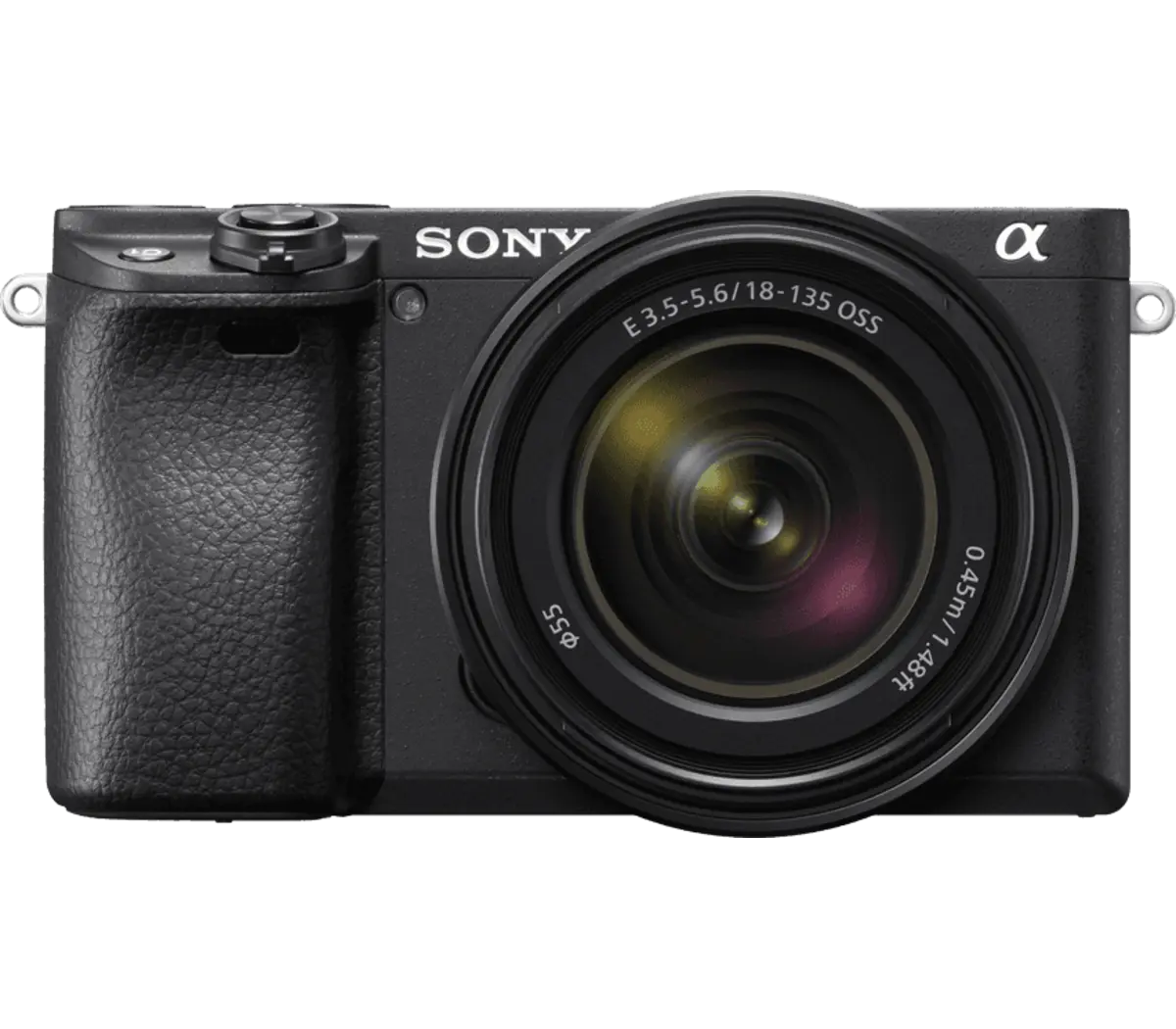
The Fujifilm X-H2S and Sony A6400 are two APS-C mirrorless cameras that, despite being released three years apart and at significantly different price points, are often compared by enthusiasts and professionals considering compact, high-performance cameras for photography and video. The X-H2S represents Fujifilm's flagship crop-sensor body, loaded with the latest image processing technology and aimed at advanced users, hybrid shooters, and those seeking speed and robustness. Meanwhile, the Sony A6400 packs impressive autofocus and video capabilities in a much more compact and affordable package, making it popular among travel and vlogging creators, as well as aspiring photographers.
Photographers and videographers deciding between these two are typically weighing the X-H2S's pro-oriented features (blazing speed, in-body image stabilization (IBIS), and rugged build) against the A6400's lightness, simplicity, and value. Both share a similar sensor size and megapixel count and even match in autofocus point coverage, but diverge in build quality, shooting speed, and price. Ultimately, the choice often comes down to whether you prioritize performance and durability or portability and cost.
Specifications Comparison
Detailed Comparison
Image Quality
Both cameras feature similar-sized APS-C sensors (23.5 x 15.6 mm) and comparable resolutions-26 MP for the Fujifilm X-H2S and 24 MP for the Sony A6400. In terms of real-world results, image quality from both cameras is excellent, offering plenty of detail for large prints, cropping, and professional use. The X-H2S benefits from a newer sensor architecture (stacked, backside-illuminated CMOS) which provides improved dynamic range and lower rolling shutter for fast action, potentially giving it a modest advantage in challenging lighting situations.
Regarding ISO performance, the X-H2S natively ranges from ISO 160-12800 (expandable to 80-51200), while the A6400 covers ISO 100-32000 (expandable to 102800). The Sony's wider expandable range theoretically offers more reach, though in practice both cameras offer similar noise levels up to moderate ISOs. Fujifilm's renowned film simulations are another asset for those valuing in-camera color science and unique looks, whereas Sony's color output tends to be more neutral, appealing for those preferring post-processing flexibility.
Ultimately, the differences in image quality are subtle in day-to-day use, but the X-H2S's sensor speed and dynamic range provide a technical edge, especially for demanding or high-contrast scenes.
Autofocus System
Autofocus performance is a strong suit for both models, each offering 425 AF points for comprehensive frame coverage. The X-H2S builds on this with a new subject-detection system driven by AI, offering faster and more reliable tracking of people, animals, vehicles, and even birds. This makes it especially compelling for sports and wildlife photographers who need the quickest and most intelligent autofocus available.
The Sony A6400 is still regarded as having one of the best AF systems in its price class, with responsive real-time tracking and reliable Eye-AF for humans and animals. It was a standout feature at launch and remains competitive, but lacks the deep-learning subject recognition and overall speed found in the newer Fuji system, particularly in continuous AF and complex tracking.
In intense, fast-moving scenarios, the X-H2S's combination of rapid sensor readout and advanced algorithms gives it a noticeable lead. For general photography, both are competent, so casual shooters may not notice much difference in day-to-day use, but professionals will appreciate the X-H2S's advancements.
Video Capabilities
The gap between these two cameras widens in video performance. The X-H2S offers high-quality 4K recording at up to 60p, benefitting from its stacked sensor's fast readout that minimizes rolling shutter-crucial for action and handheld shooting. It includes advanced video-centric features, such as internal F-Log2, ProRes support (with compatible memory cards), and robust IBIS providing up to 7 stops of stabilization, which allows for smooth handheld work. These features are aimed squarely at serious hybrid shooters and videographers.
In contrast, the Sony A6400 can record up to 4K/30p using full sensor width and delivers excellent detail, color, and rolling shutter performance for its class. However, it lacks in-body image stabilization, making handheld work more challenging unless using stabilized lenses. It is, however, lighter and more compact, which can be beneficial for vlogging and run-and-gun shooting, provided you use external stabilization or support. The Sony's reliable autofocus translates well to video, but it lacks the depth of professional video controls found on the X-H2S.
For advanced video work, the X-H2S is the clear winner, while the A6400 remains a solid, economical option for creators on a tighter budget.
Build & Ergonomics
The Fujifilm X-H2S is designed with working professionals in mind. It sports a robust weather-sealed magnesium alloy body, deep grip, and excellent button layout for long, intensive shoots. Its larger size (136 x 93 x 95 mm) and heft (660g) provide stability, particularly with longer lenses or in demanding conditions. The fully articulating 3-inch screen with 1.62M dots and high-resolution electronic viewfinder further enhance usability and flexibility. Its build reflects an emphasis on durability and ergonomics, suitable for both studio and outdoor work.
Meanwhile, the Sony A6400 is built for portability: it's smaller (120 x 67 x 60 mm), lighter (403g), and also weather-sealed, but the grip is shallower and button layout more compact, which may challenge comfort with larger glass or for users with larger hands. Its 3-inch tilting LCD screen (921k dots) accommodates self-recording and vlogging, but lacks the full articulation and resolution of the Fujifilm's display. The viewfinder is functional but lower-res.
Those prioritizing compactness for travel or street photography may prefer the A6400, but for extended sessions or rugged environments, the X-H2S's premium build and handling are superior.
Battery & Storage
Battery life is respectable on both cameras but slightly better on the X-H2S, with a CIPA rating of 580 shots per charge vs. 410 for the A6400. This difference is meaningful for event, sports, or travel shooters who may not have constant access to charging. The X-H2S also supports USB charging and offers dual high-speed card slots (including CFexpress Type B for advanced workflows), enhancing reliability and performance, especially for burst and 4K video work.
The Sony A6400, using a single SD card slot and lower-capacity battery, is still well-suited to day trips or casual shooting, and it supports USB charging. However, its single slot and shorter endurance may necessitate more frequent battery swaps or memory card changes during intensive sessions, a minor inconvenience that can grow in fast-paced environments.
For extended shoots, professional work, and maximum reliability, the X-H2S has the edge.
Value for Money
When it comes to value, the Sony A6400 is difficult to beat. At just $900 (body only), it delivers much of the core image quality and autofocus performance of more expensive cameras, making it an exceptional entry point for enthusiasts, vloggers, travelers, and even semi-professionals. It's a compact, reliable workhorse that handles a variety of tasks and undercuts the Fujifilm X-H2S significantly in price.
The X-H2S, at $2499, sits firmly in the professional and high-end enthusiast market. It justifies its premium with speed, advanced video, robust construction, IBIS, and longevity. For those who need this level of performance, the investment is warranted, but many users may not require these features and thus find the extra cost unnecessary.
If price is the overriding factor, or if your needs center around casual shooting or entry-level content creation, the A6400 unquestionably offers superior value for money.
Lens Ecosystem
Both cameras are supported by robust lens ecosystems. Fujifilm's X-mount lineup is known for its high-quality primes and zooms, many of which are compact, optically excellent, and offer unique character through Fuji's color science. The X-mount has matured into a system appealing to pros and enthusiasts alike, with regular new releases and third-party options.
Sony E-mount, meanwhile, benefits from being the backbone of both Sony's full-frame and APS-C cameras, which translates into a vast selection of native and third-party lenses across price points and specializations. The sheer variety, including options from Zeiss, Sigma, Tamron, and Samyang, often gives Sony a flexibility advantage-especially for specialized or budget optics.
If having the greatest range of lens choices is a priority, the Sony E-mount ecosystem offers unmatched flexibility, though Fuji's own lineup is celebrated for quality and character.
Our Verdict
The Fujifilm X-H2S emerges as the overall winner in this comparison thanks to its superior imaging performance, blistering speed, advanced autofocus, professional-grade video features, in-body stabilization, and robust build. It's designed for demanding photographers and videographers who require the latest technology and the utmost reliability, justifying its high price with a comprehensive feature set that outpaces the competition. That said, the Sony A6400 remains a compelling alternative for users prioritizing compactness, simplicity, and especially value. It offers impressive autofocus, strong image quality, a versatile lens ecosystem, and costs considerably less, making it an excellent choice for beginners, hobbyists, or those looking to pack light. Ultimately, your selection should align with your shooting needs, budget, and workflow requirements.
Fujifilm X-H2S
Sony A6400
Also Compare
Frequently Asked Questions
Is the Fujifilm X-H2S worth the extra cost over the Sony A6400?
For users who need the fastest continuous shooting, advanced autofocus tracking, professional video features (like 4K/60p, ProRes, and F-Log2), in-body stabilization, and rugged build for demanding environments, the X-H2S is worth the investment. If your needs are more general or budget-oriented, the A6400 remains a powerful, cost-effective option.
Which camera is better for video recording and vlogging?
The X-H2S is better for serious video work, offering 4K/60p, IBIS, more professional codecs, and better rolling shutter control. However, the A6400 is lighter and has a flip-up screen, making it a practical vlogging solution for those prioritizing portability and budget.
Does the lack of in-body stabilization in the A6400 matter?
If you often shoot handheld videos or slow shutter speeds in low light, IBIS is valuable and found only in the X-H2S. For stills with fast shutter speeds or when using stabilized lenses/tripods, its absence on the A6400 is less critical.
Which camera is easier to carry for travel and street photography?
The Sony A6400 is more compact and lighter, making it a more travel-friendly or discreet street photography option, though at the expense of some handling and ergonomic advantages present in the X-H2S.
How do the lens options compare for each camera?
Sony's E-mount system offers a broader third-party lens selection and flexibility, including both APS-C and full-frame designs. Fujifilm's X-mount has a focused range of high-quality, often smaller lenses with strong optical performance and creative options, but fewer budget third-party alternatives.
Which camera has better battery life?
The Fujifilm X-H2S has a higher CIPA-rated battery life (580 shots) compared to the Sony A6400 (410 shots), making it better suited for full-day shoots without needing frequent battery swaps.