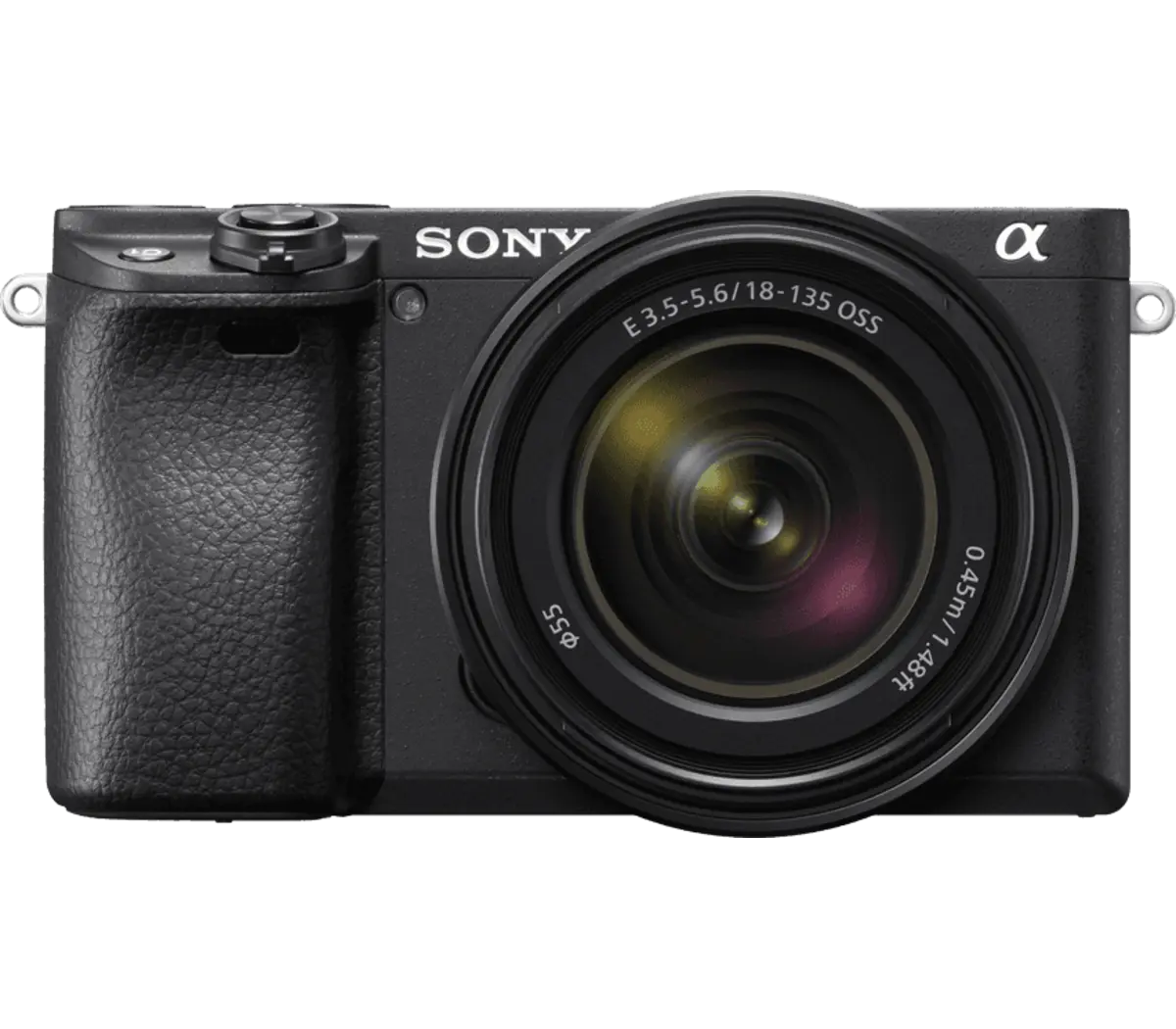
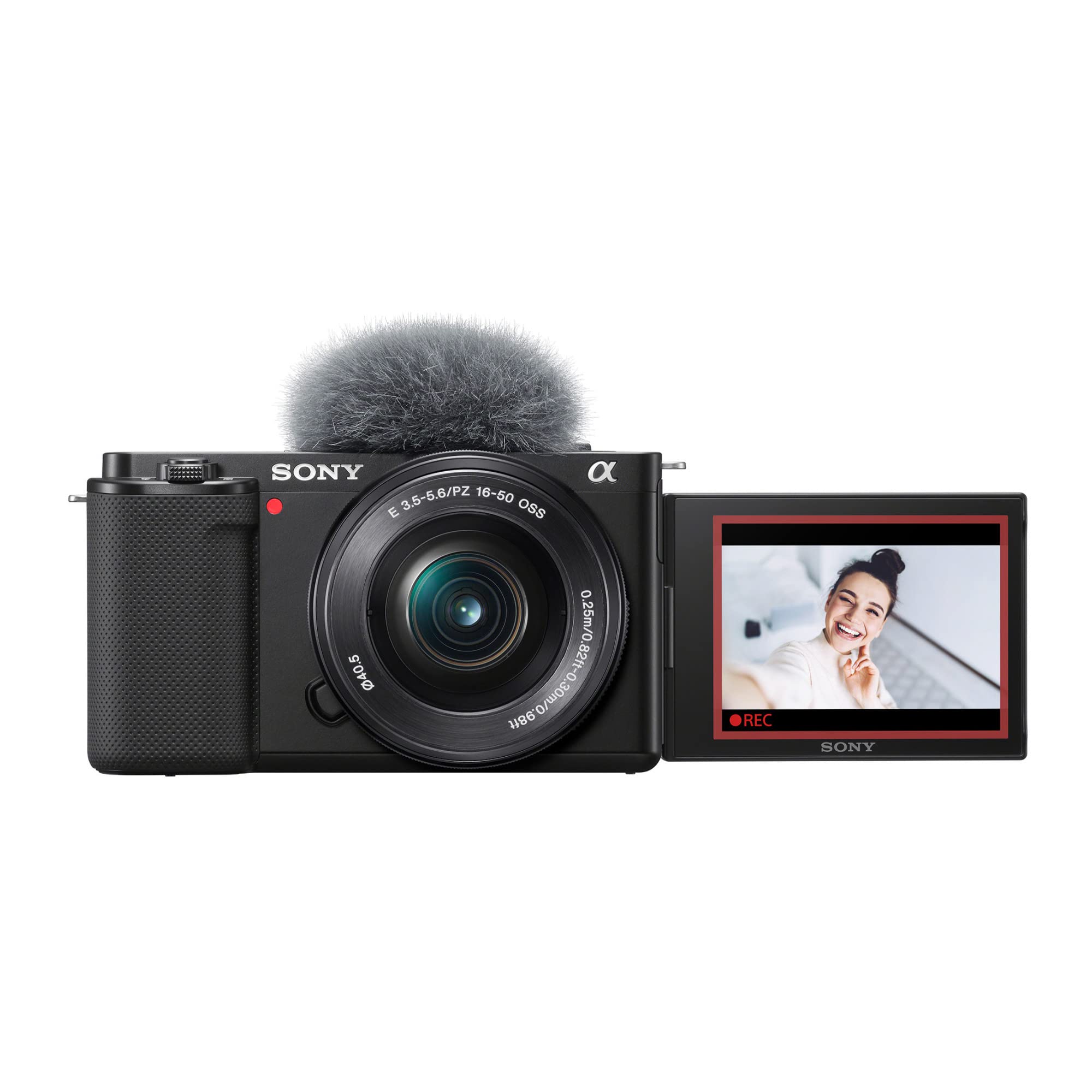
The Sony A6400 and Sony ZV-E10 are two popular mirrorless cameras that attract both photography enthusiasts and content creators. With their APS-C sensors, excellent autofocus systems, and compact designs, they cater to similar user groups, making them a commonly compared pair. Both cameras feature 24MP sensors and support for Sony E-mount lenses, creating a competitive landscape where prospective buyers must weigh their needs against the specific strengths of each model. The key differentiators between these two models lie in their video capabilities, build, and features tailored for different types of users, particularly vloggers versus traditional photographers.
Specifications Comparison
Detailed Comparison
Image Quality
Both the Sony A6400 and ZV-E10 share a similar image sensor - the APS-C (23.5 x 15.6 mm) 24-megapixel sensor. This ensures excellent image quality across both cameras. They also possess the same ISO range, allowing for shooting in low light conditions; however, the ZV-E10 expands its ISO capability down to 50, allowing for better performance in bright lighting, which is particularly beneficial for video. That said, the A6400 is designed for traditional photography, delivering robust image quality for stills due to its heritage in the A6000 series, which was known for its impressive low-light performance. The slightly better screen resolution on the A6400 also contributes to clearer images while reviewing shots.
Autofocus System
One of the standout features of both cameras is their impressive autofocus systems. They each boast 425 phase-detection autofocus points, enabling fast and reliable focusing on subjects. This makes them suitable for various shooting scenarios, whether still photography or moving subjects. The A6400, being designed for a broader photography audience, includes features like Real-Time Eye Autofocus for both humans and animals, which greatly aids in capturing perfect portraits or wildlife shots. Conversely, the ZV-E10 also incorporates similar autofocus technology but is centered around video performance, including a dedicated product showcase mode, making it easier for vloggers to present items up close.
Video Capabilities
When it comes to video capabilities, the ZV-E10 clearly outshines the A6400. It not only supports 4K video recording but also features video-centric features such as a fully articulating screen, optimized for vlogging, and higher frame rates in 1080p, which is essential for dynamic video creation. The A6400 does offer 4K 30p recording but lacks additional video enhancements like the ZV-E10's microphone input and varied frame rates, which are particularly attractive for content creators. Hence, for aspiring YouTubers and vloggers, the ZV-E10 is definitely a more compelling choice due to its design and video features.
Build & Ergonomics
In terms of build quality, both cameras present a solid feel, but they cater to different needs. The A6400 is weather-sealed, making it a better option for photography in challenging environments. Its weight at 403g, however, is slightly heavier than the ZV-E10's 343g, which is more compact and lightweight, maximizing portability for travel or casual shooting. The A6400 includes an electronic viewfinder, beneficial for photographers who prefer composing shots traditionally. In contrast, the ZV-E10's lack of a viewfinder pushes it more towards vlogging and casual shooting scenarios. While both cameras feature a 3-inch screen, the A6400's higher resolution provides better detail when assessing images.
Battery & Storage
Battery life is another important factor for both cameras. The A6400 has a rated battery life of approximately 410 shots, while the ZV-E10 slightly exceeds that with 440 shots, beneficial for longer shooting sessions without the immediate need for a battery change or recharge. Both cameras support SD cards, but the potential for different SD card speeds can impact performance during rapid image bursts or high-bitrate video recording. The ZV-E10's features may appeal to those who prioritize longer video shoots, as its battery life caters well to extended vlogging sessions. In storage terms, both utilize similar media, but how they manage data throughput may differ based on the shooting modes.
Value for Money
The price point can often determine the best option for buyers, especially those on a budget. The Sony A6400 retails around $900, while the ZV-E10 is available for approximately $700, making it the more affordable choice. For vloggers who need capable video performance without the additional cost associated with the A6400's features, the ZV-E10 offers an excellent value proposition. However, the A6400 provides a more well-rounded approach for traditional photography, justifying its higher price tag for photographers who would benefit from additional features, such as weather sealing and a viewfinder. Essentially, buyers must consider whether the extra investment in the A6400 aligns with their shooting preferences and needs.
Lens Ecosystem
Both cameras utilize the Sony E-mount system, offering access to a wide range of lenses suited for different photography and videography styles. This includes prime lenses, zooms, and specialty lenses, enhancing the versatility of both options. However, potential buyers should consider that the A6400's more traditional photography-focused design may mesh better with high-quality lenses made for stills. In contrast, the ZV-E10's strengths are designed around videos, so users may lean towards lenses that enhance video performance like fast primes and stabilized options. Yet, the choice of mounting benefits equally applies to both cameras, making this aspect a tie in their comparison.
Our Verdict
Overall, while both the Sony A6400 and ZV-E10 excel in specific areas, the ZV-E10 takes the lead in terms of video capabilities, ergonomics, and affordability, making it the preferred choice for vlogging and content creation. Conversely, the A6400 stands out for traditional photography due to its weather resistance, viewfinder, and additional imaging features. For buyers focusing on video and portability, the ZV-E10 offers exceptional value, while those who prioritize still photography may still find the A6400 a worthy investment despite its higher cost.
Sony A6400
Sony ZV-E10
Also Compare
Frequently Asked Questions
Which camera is better for vlogging?
The Sony ZV-E10 is specifically designed with vlogging in mind, featuring a flip-out screen and enhanced video capabilities, making it the better choice for content creators.
Is the A6400 suitable for low-light photography?
Yes, the A6400 has excellent low-light performance due to its 24MP APS-C sensor and the ability to expand its ISO range, making it suitable for low-light conditions.
Does the ZV-E10 have an electronic viewfinder?
No, the ZV-E10 does not feature an electronic viewfinder, which may be a downside for users used to composing shots through a viewfinder.
How does the battery life compare between both cameras?
The ZV-E10 has a slightly better battery life at approximately 440 shots compared to the A6400's 410 shots, which is beneficial for extended shooting sessions.
Can I use the same lenses on both cameras?
Yes, both cameras use the Sony E-mount system, allowing for compatibility with a wide range of lenses across both models.