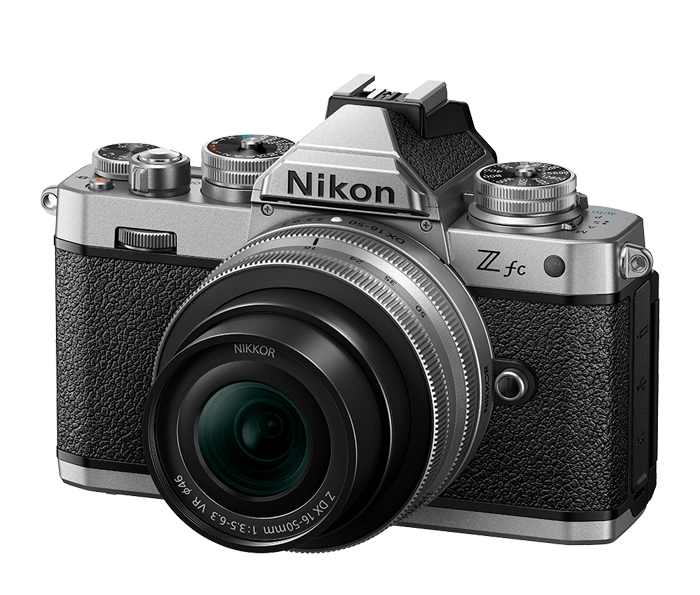
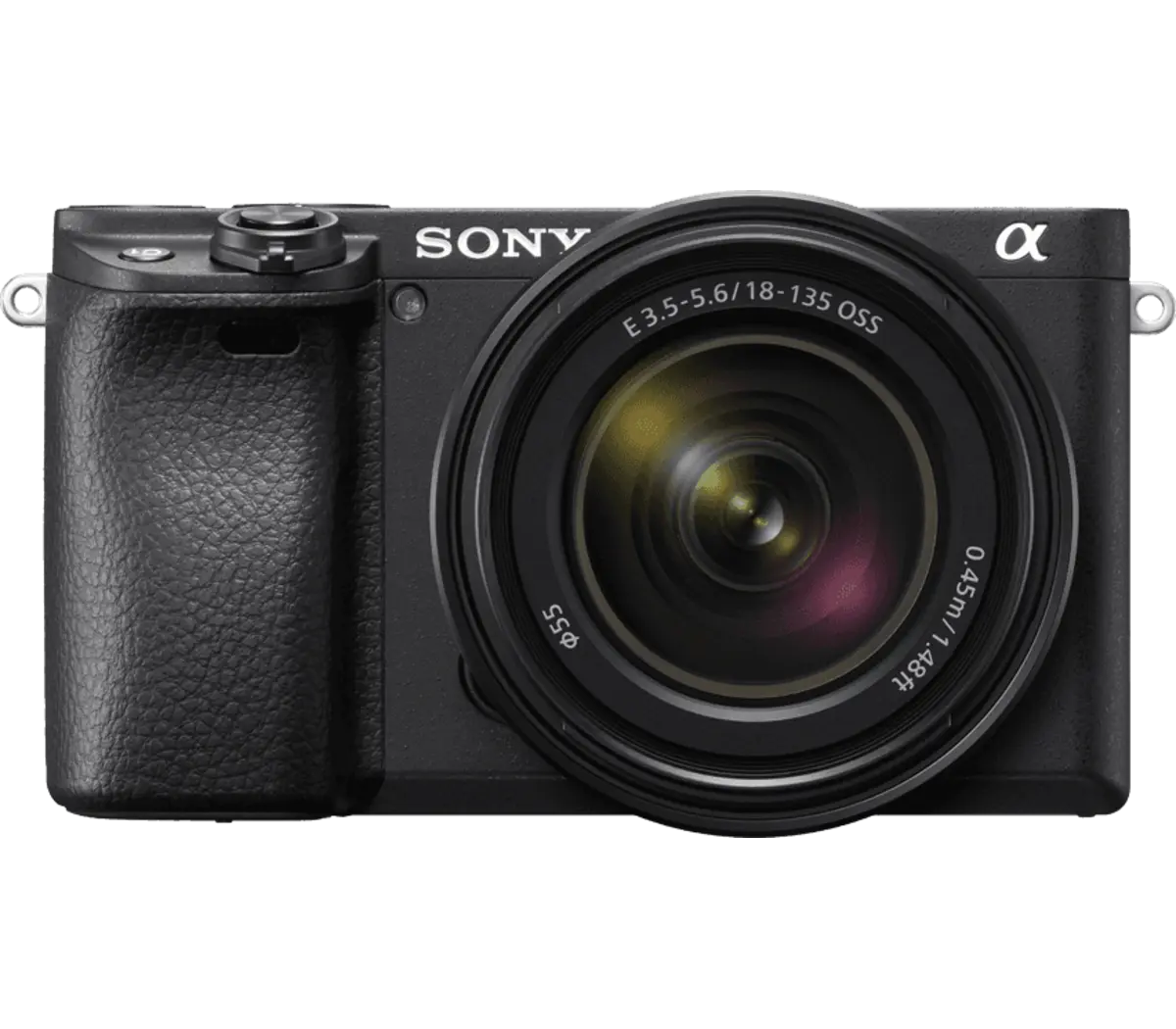
The Nikon Z fc and Sony A6400 are two highly regarded APS-C mirrorless cameras that often come up in discussions among photography enthusiasts and content creators. Both cameras offer an appealing blend of features, image quality, and portability, making them suitable for a variety of users ranging from amateurs to semi-professionals. Those who are deciding between these two models will find distinct advantages and different design philosophies inherent to each camera, particularly in areas like image quality, autofocus capabilities, and build quality.
Specifications Comparison
Detailed Comparison
Image Quality
Both the Nikon Z fc and Sony A6400 feature APS-C sensors that deliver impressive image quality, but there are subtle differences that may sway a buyer's decision. The Nikon Z fc has a 21-megapixel sensor, which provides solid performance in daylight conditions and good dynamic range. In contrast, the Sony A6400 offers slightly higher resolution with its 24-megapixel sensor, giving it the edge in capturing more detailed images, particularly beneficial for large prints or heavy cropping.
ISO performance is another important aspect of image quality. The Z fc offers an impressive ISO range up to 51,200 ( expandable to 204,800), allowing for better low-light performance, while the A6400 goes up to 32,000 ( expandable to 102,800). However, real-world differences may be less pronounced in typical shooting scenarios, as both cameras handle noise well at lower ISO levels.
Overall, those looking for finer detail may prefer the Sony A6400, but devoted users of the Nikon ecosystem might favor the Z fc for its unique aesthetic and overall handling. In practice, both cameras provide excellent image quality for their respective categories.
Autofocus System
The autofocus performance is critical for many photographers and videographers, and there is a noticeable difference between these two models. The Sony A6400 boasts an impressive 425 autofocus points, covering a larger portion of the frame and ensuring faster focus acquisition, especially on moving subjects. Its Eye AF feature is also highly regarded, making it an excellent choice for portrait photographers and those shooting fast-paced scenarios.
On the other hand, the Nikon Z fc offers 209 autofocus points. While this is sufficient for most tasks, it may struggle in fast-moving situations compared to the A6400. However, the Z fc's hybrid autofocus system does provide quick and accurate focusing in a range of conditions, catering to casual users effectively.
For fast-paced action or wildlife photography, the Sony A6400 outshines the Z fc due to its superior autofocus system. Thus, users who prioritize autofocus performance will likely lean towards the A6400.
Video Capabilities
When it comes to video recording, both the Nikon Z fc and Sony A6400 offer 4K video at 30 frames per second, making them competitive choices for videographers. The Z fc, however, does not offer in-body stabilization, which may be a drawback for handheld shooting.
The A6400 similarly lacks in-body stabilization but is widely praised for its autofocus capabilities during video recording, allowing for smooth focus transitions and face tracking. Both cameras also support microphone inputs for better audio quality during video capture, although the A6400 is compatible with a broader range of audio accessories due to its longer existence in the market.
Overall, while both cameras can produce high-quality 4K video, those who prioritize advanced autofocus features in video recording might find the Sony A6400 to be the better option.
Build & Ergonomics
The physical design and ergonomics of a camera can significantly affect user experience, especially during extended shooting sessions. The Nikon Z fc has a retro-inspired design, paying homage to classic Nikon cameras, which many users find aesthetically pleasing. It is also slightly larger and heavier at 445 grams, providing a more substantial feel in hand.
In contrast, the Sony A6400 is more compact and lightweight at 403 grams, which can be beneficial for portability and ease of use when traveling. The A6400 also boasts weather sealing, providing additional durability against moisture and dust compared to the Z fc, which lacks environmental sealing.
Ultimately, photographers who prefer a nostalgic design may lean toward the Nikon Z fc, while those seeking portability and ruggedness might find the A6400 more appealing.
Battery & Storage
Battery life is an essential consideration for photographers and videographers who often shoot for extended periods. The Nikon Z fc has a rated battery life of approximately 300 shots, which is decent but may require frequent recharging or carrying spare batteries during long shooting days. The Sony A6400, on the other hand, offers a longer battery life of around 410 shots, providing added convenience for those who prioritize longer shooting sessions.
Both models utilize a similar storage format, with dual compatibility for SD UHS-I cards. This makes it easy for users to find compatible storage solutions but limits high-speed write capabilities, which could be advantageous for fast sequential shooting in higher resolution modes.
Given the superior battery longevity of the Sony A6400, it claims the advantage in this category, making it a preferable choice for users who regularly find themselves on extended shoots or in demanding environments.
Value for Money
When comparing the price points, the Nikon Z fc is priced at $959, while the Sony A6400 is slightly more affordable at $900. Considering the specifications and performance, both cameras provide good value, but potential buyers should weigh what features are more important to them.
The Z fc is an attractive option for those who appreciate its distinctive design and belong to the Nikon ecosystem. However, the superiority of the A6400 regarding autofocus capabilities, video performance, and battery life makes it a better all-around camera for a broader audience.
Ultimately, for those wanting aesthetics and Nikon's lens ecosystem, the Z fc presents excellent value. However, if features and performance are prioritized, the A6400's price tag seems like a bargain.
Our Verdict
In this comparison, the Sony A6400 emerges as the overall winner, effectively balancing superior autofocus capabilities, greater battery life, and leading video performance. Though the Nikon Z fc offers a charming design and a dedicated user experience for Nikon fans, the practical advantages of the A6400 make it a more versatile choice for diverse photography and videography needs. For those prioritizing style and personal connection to brand heritage, the Z fc still has much to offer, making both cameras distinct options depending on user preferences.
Nikon Z fc
Sony A6400
Also Compare
Frequently Asked Questions
Which camera is better for low-light photography?
The Nikon Z fc has a wider ISO range, expanding to 204,800, which may provide an edge in low-light situations. However, both cameras perform well, so the difference may not be significant for most users.
What are the key factors to consider for video shooting?
The Sony A6400 excels in autofocus performance during video, making it suitable for dynamic subjects. While both cameras record 4K video at 30p, the A6400 offers better battery life and support for a wider range of accessories.
Is the lack of stabilization a deal-breaker?
While both cameras lack in-body stabilization, it can be a concern for handheld video shooting. Using stabilized lenses or a gimbal can mitigate this issue, but users seeking smooth footage may want to consider options with in-body stabilization.
How does the weight impact the shooting experience?
The Nikon Z fc is heavier than the A6400, which could affect portability. If you plan to carry your camera for long periods, the lighter A6400 may be more comfortable.
Which camera has a better lens selection?
Both cameras have strong lens ecosystems, but the choice may depend on what you already own. If you have Nikon lenses, then the Z fc is ideal, whereas the Sony A6400 has access to an extensive range of Sony E-mount lenses.