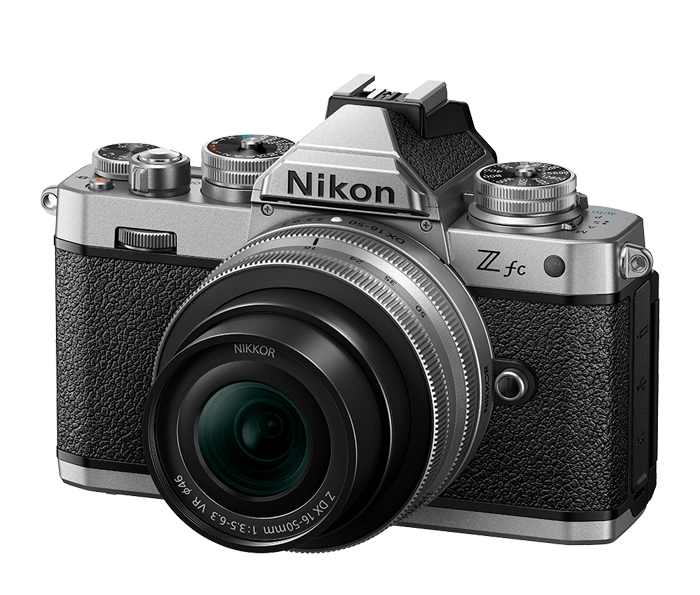
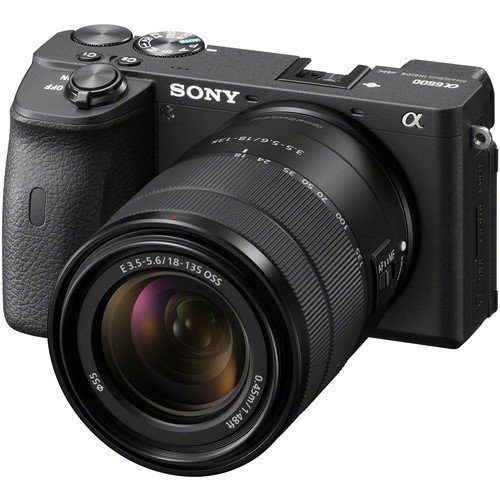
The Nikon Z fc and Sony A6600 are two popular choices among enthusiasts looking for compact, mirrorless cameras with APS-C sensors. Both models target a similar audience-photographers and videographers who appreciate quality, versatility, and affordability. Given their similar price points and specifications, many buyers often find themselves weighing the benefits of each before making a decision. Key differentiators include image quality, autofocus capabilities, stabilization, and battery life, which can significantly influence the user experience based on specific needs and preferences.
Specifications Comparison
Detailed Comparison
Image Quality
When evaluating image quality, both the Nikon Z fc and the Sony A6600 leverage APS-C sensors but differ in megapixel count. The Z fc features a 21 MP sensor, while the A6600 boasts a higher resolution at 24 MP, which could provide slightly finer detail for larger prints or cropping. However, sensor performance is not solely measured by pixel count. The Z fc has a broader ISO range (100-51200, expandable to 204800) compared to the A6600 (100-32000, expandable to 102400), which may result in better performance in low-light settings for the Z fc as it captures more light at higher sensitivities. Thus, while the A6600 might edge out in daylight scenarios with its higher megapixels, the Z fc potentially stands out in challenging lighting conditions.
Autofocus System
The autofocus capabilities differ significantly between the two models. The Sony A6600 features 425 phase-detection autofocus points, which can offer superior tracking and recognition of subjects, especially in dynamic environments. In contrast, the Nikon Z fc has 209 autofocus points, which might suffice for general photography but could lag behind the A6600 in fast-paced shooting scenarios. This advantage is further enhanced by the A6600's real-time Eye AF technology, which prioritizes subjects' faces and eyes for portraiture, making it a compelling choice for portrait photographers. Consequently, the advanced autofocus system of the A6600 gives it a clear edge in fast-action and portrait photography.
Video Capabilities
Both the Nikon Z fc and Sony A6600 can record 4K video at 30p, making them suitable for most videography needs. However, the A6600 stands out with its built-in sensor-shift stabilization, which helps reduce camera shake during video capture. The lack of stabilization in the Z fc means that videographers may need to invest in additional equipment for steady shots. Both cameras offer HDMI output for external recording, but the flexibility of the A6600's stabilization makes it a more favorable choice for handheld shooting. Thus, for those prioritizing smooth video footage, the A6600 is the better option.
Build & Ergonomics
In terms of build quality, the Sony A6600 features a weather-sealed body, which provides added durability for outdoor shooting, while the Nikon Z fc's build does not have this feature. Both have electronic viewfinders and a 3-inch LCD screen; however, the Z fc's screen offers a slightly higher resolution at 1,040,000 dots compared to the 921,600 dots of the A6600. Ergonomically, the design preference might be subjective, as the Z fc embodies a retro design that might appeal to some users, while the A6600 presents a more modern aesthetic. Ultimately, if durability is a concern, the A6600 takes the lead, while those attracted to vintage styling may prefer the Z fc.
Battery & Storage
Battery life is another critical aspect to consider. The A6600 surpasses the Z fc by offering a much higher battery life, rated for approximately 810 shots, compared to the Z fc's 300 shots. This extended battery life is essential for photographers who often find themselves shooting all day without the opportunity to recharge. Both cameras utilize SD card slots, allowing for efficient storage management. However, the substantial difference in battery longevity places the A6600 in a more favorable light, particularly for event shooting or outdoor activities where charging might not be readily available.
Value for Money
Pricing can significantly influence purchasing decisions, with the Nikon Z fc priced at $959 compared to the Sony A6600 at $1400. For many users, the Z fc presents a more budget-friendly option without compromising on essential features like solid image quality and 4K video recording. However, the additional cost of the A6600 translates into enhancements such as better autofocus, stabilization, and battery life, which can justify its higher price for serious enthusiasts or professionals. Ultimately, buyers will need to assess which features matter most to them and whether the higher price of the A6600 offers sufficient additional value for their specific photographic or videographic endeavors.
Our Verdict
Overall, the Sony A6600 emerges as the overall winner, primarily due to its superior autofocus capabilities, built-in stabilization, and exceptional battery life, which significantly enhance the user experience in various shooting scenarios. While the Nikon Z fc offers a strong value proposition with its appealing design and affordability, photographers seeking high performance-particularly in fast action and outdoor environments-would benefit more from the A6600. Conversely, those who appreciate nostalgic styling and a lower price point while still getting quality results may find the Z fc more attuned to their needs.
Nikon Z fc
Sony A6600
Also Compare
Frequently Asked Questions
Which camera is better for video shooting?
The Sony A6600 is better for video shooting due to its built-in sensor-shift stabilization, offering smoother footage. Both cameras can record 4K video, but the A6600's stabilization makes it a strong choice for handheld videography.
How does the autofocus compare?
The Sony A6600 features a more advanced autofocus system with 425 points compared to 209 on the Nikon Z fc, giving it an edge in tracking subjects efficiently, especially in fast-paced shooting conditions.
Which camera has better battery life?
The Sony A6600 significantly outperforms the Nikon Z fc in battery life, offering around 810 shots compared to 300 shots on the Z fc, making it more suitable for lengthy shoots.
Is the Nikon Z fc good for low-light photography?
Yes, the Z fc has a wider ISO range (100-51200 expandable to 204800), which could benefit low-light photographers despite its lower megapixel count compared to the A6600.
Which camera is more cost-effective?
The Nikon Z fc is more cost-effective, priced at $959 versus the $1400 price tag of the A6600, making it a great option for budget-conscious buyers who still want quality.