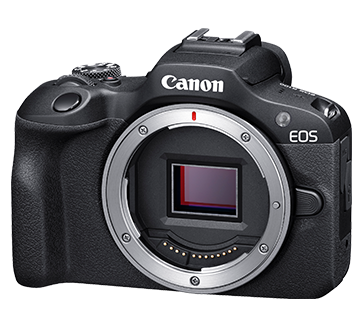
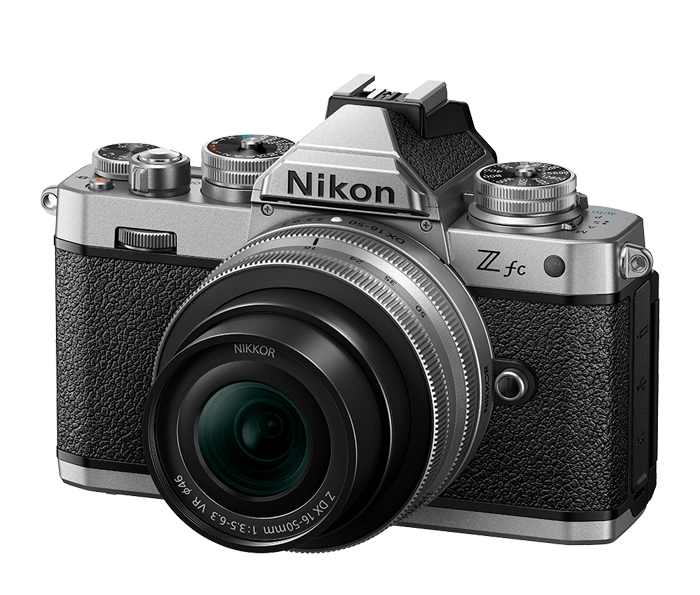
The Canon EOS R100 and the Nikon Z fc are both popular choices among photographers and enthusiasts looking for compact mirrorless cameras that deliver excellent performance in a user-friendly package. These two models are often compared since they target similar segments of the market: newer photographers seeking to step into advanced photography or travel-friendly cameras. While they share similarities, significant differences in specifications and features can sway a buyer's decision. Key differentiators include sensor resolution, autofocus capabilities, price, and unique features that cater to various shooting styles.
Specifications Comparison
Detailed Comparison
Image Quality
The Canon EOS R100 offers a 24-megapixel APS-C sensor, which provides a higher resolution compared to the Nikon Z fc's 21-megapixel sensor. This additional resolution can be beneficial for those who plan to crop their images or print in larger formats. Both cameras perform well in low-light scenarios, but the Z fc has an extended ISO range, reaching up to 51,200 (expandable to 204,800), while the R100 is limited to 12,800. This extended ISO range means that the Z fc can handle darker environments with potentially less noise at higher settings, although real-world performance will largely depend on the specific shot and settings used. Therefore, image quality can be seen as slightly better in regards to resolution with the Canon model, but the low-light performance leans in favor of Nikon. Both cameras produce vibrant colors and excellent dynamic range, which are crucial for any photographer seeking rich image outputs.
Autofocus System
The Nikon Z fc comes equipped with a more sophisticated autofocus system, boasting 209 autofocus points compared to the Canon EOS R100's 143 points. This provides the Z fc with more coverage and accuracy when it comes to tracking subjects. The advanced autofocus capabilities of the Z fc include improved face and eye detection, making it a more reliable choice for portrait and action photography. Conversely, the Canon R100's autofocus works efficiently in most conditions but falls short when compared to the Nikon's more extensive system. The increased number of autofocus points in the Z fc allows for better subject tracking and faster acquisition in dynamic settings, which is particularly important for fast-paced action or wildlife photography.
Video Capabilities
In terms of video performance, the Nikon Z fc outshines the Canon EOS R100 significantly. The Z fc supports 4K video recording at 30 frames per second, providing filmmakers and content creators with the ability to produce high-quality video content. On the other hand, while Canon's R100 records video, it lacks the advanced 4K capabilities, limiting users to lower resolutions, which could be a downside for those interested in videography. Additionally, the Z fc offers extensive video features such as enhanced video autofocus, making it a better choice for vloggers and creators focusing on video quality. Hence, when it comes to videography, the Nikon Z fc is distinctly superior.
Build & Ergonomics
Both cameras feature similar compact sizes and electronic viewfinders, but they possess different ergonomic designs. The Canon EOS R100 is smaller and lighter at 356g, making it an easier carry for extended periods, which is ideal for travel or casual shoots. However, the Nikon Z fc, weighing in at 445g, provides a more substantial feel in hand, with controls that are often preferred by photographers looking for a more tactile experience. The styling of the Z fc is also inspired by vintage cameras, offering a unique aesthetic that may attract users who appreciate a classic look. While both provide high-quality displays, both having 1,040,000-dot 3-inch screens with tiltable capabilities, the overall preference may come down to individual ergonomics and aesthetic preferences.
Battery & Storage
Battery life is one of the areas where the Nikon Z fc pulls ahead, rated for approximately 300 shots per charge, making it a reliable option for longer sessions without redeploying energy sources. The Canon R100, while compact, does not provide a specific battery life metric and generally means users need to manage their energy usage more stringently. In terms of storage, both models utilize SD cards, but the Z fc also supports UHS-II cards, which can be beneficial for faster read and write speeds, particularly when recording 4K video. Thus, when considering longevity and storage capabilities, the Nikon Z fc again shows its superiority.
Value for Money
From a pricing perspective, the Canon EOS R100 is positioned at a more accessible $480, making it an attractive option for any budget-conscious photographer or beginner stepping into the world of mirrorless cameras. In contrast, the Nikon Z fc priced at $959 may seem steep, particularly in comparison to the R100, but it justifies its cost with superior autofocus performance, video capabilities, and build quality. Ultimately, while the R100 provides excellent value for those wary of investment and seeking standard functionalities, the Z fc offers greater value for those who aim to take their photography or videography more seriously, hence pricing must be considered in relation to end-user goals.
Our Verdict
When looking at overall performance and features, both the Canon EOS R100 and Nikon Z fc have their standout areas, resulting in a tie. The Canon R100 excels in value and straightforward usability for beginners, whereas the Nikon Z fc brings advanced video features, faster autofocusing, and a retro design appealing to enthusiasts. Depending on your priorities-whether it's affordability or enhanced capabilities-the choice between these two cameras should be based on your intended use, with the R100 being a perfect starter model and the Z fc serving as a bridge into professional photography and videography.