Overview
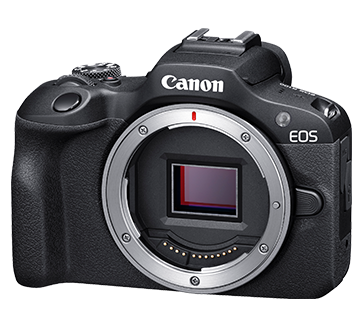
The Canon EOS R100 is an entry-level mirrorless camera that aims to appeal to novice photographers looking to explore the Canon RF system without breaking the bank. Released in 2023, it features a 24-megapixel APS-C sensor, a relatively compact body weighing just 356 grams, and the capability to shoot in RAW. Its lightweight and portable design makes it particularly favorable for travel enthusiasts, while its affordability at around $480 positions it as a substantial contender in the entry-level category against competitors like the Nikon Z50 and Sony Alpha a6100.
Despite its strengths, user feedback indicates that the R100 is not without limitations. It sacrifices several higher-end features, including an articulating touchscreen and advanced autofocus performance, which may leave more seasoned photographers wanting. However, it does provide satisfactory image quality in well-lit conditions, making it a reliable option for beginners who want to learn the basics of photography with adequate versatility. Ultimately, the R100 is suited for casual use, street photography, and travel, but it might not hold up under the scrutiny of professional demands.
Image Quality
The Canon EOS R100 boasts a 24-megapixel APS-C sensor, which delivers good image quality considering its price point. In favorable lighting conditions, the R100 produces sharp images with commendable color accuracy and detail retention. This makes it an excellent choice for capturing landscapes, portraits, and everyday photography. However, it’s essential to note that performance can degrade in lower light settings, where the ISO range of 100-12800 is put to the test. Noise appears more pronounced at higher ISO settings, which could hinder the quality of images taken in dimly lit environments.
Users appreciate the R100’s ability to shoot in RAW, which allows for greater flexibility during post-processing. This feature is particularly useful for beginners learning the ropes of editing photos and developing their style. Furthermore, the R100 retains the fundamental color science that Canon is known for, allowing for vibrant and pleasing images straight out of the camera. As one user noted, "It takes great pics...great for beginners who need a camera that produces reliable results."
The R100 might not match more expensive models like the Canon R5, but it holds its ground well for entry-level photography. Those transitioning from smartphone photography or compact cameras to a more robust system will likely find the image quality to be a significant upgrade. In real-world use, this aligns with community sentiments that suggest it performs well for street, nature, and architectural photography, making it a viable option for users on a strict budget.
What Users Say
"It takes great pics, but I’m used to being able to easily control shutter, aperture and ISO... The R100 lacks that."
-- Reddit community
Autofocus Performance
The Canon EOS R100 features a 143-point autofocus system, which, while ample for basic photography tasks, falls behind the competition and even some of Canon's own more recent models. Autofocus performance in the R100 is generally slower, particularly in challenging lighting conditions. This limitation stands in sharp contrast to the likes of the Canon R50, which offers superior focusing capabilities that are more in line with what modern photographers expect.
In practical terms, users have noted that the autofocus can struggle with moving subjects, making it less suitable for fast-paced photography such as sports or wildlife. The absence of Canon's more advanced dual-pixel autofocus technology that is found in higher-end models results in missed opportunities for decisive moments. This is echoed in user feedback, where one user expressed frustration, stating that the autofocusing system is "outdated" compared to newer options available.
For beginners, this may not be a pressing issue initially, but it does highlight a significant constraint for those looking to develop their skills and tackle more dynamic photography scenarios. The autofocus system could be a dealbreaker for anyone whose photographic style leans heavily on capturing action shots or intricate movements. Overall, while the R100’s autofocus does suffice for still subjects and simple compositions, prospective buyers should be aware that an upgrade might soon be needed as their skills grow.
What Users Say
"The autofocus system is outdated, with slower performance compared to newer models like the R50."
-- Reddit community
Build Quality & Ergonomics
The Canon EOS R100 is designed with portability in mind, measuring only 116 x 86 x 69 mm and weighing 356 grams, making it a great travel companion. Its compact size allows it to fit comfortably into a small bag or backpack, encouraging users to take it along on trips and daily adventures. However, its lightweight build also brings a degree of plastic economy, which may feel less robust than more premium camera bodies, potentially affecting durability in demanding shooting environments.
Ergonomically, the R100 features a traditional DSLR-like grip, ensuring that it remains comfortable for prolonged use. However, it lacks an articulating or touchscreen interface, which many users might find limiting. This could be a drawback for budding videographers or those interested in vlogging, as a tilting screen offers flexibility for framing shots from various angles. An engaged user mentioned that the lack of a touchscreen imposed a learning curve when transitioning from more sophisticated models with advanced controls.
While the physical controls are straightforward enough for navigating settings, seasoned photographers will likely miss the tactile advantages of dedicated dials for exposure settings found on higher-end models. Nevertheless, the R100 still remains pragmatic for beginner photographers looking to immerse themselves in digital photography without the intimidation of complex controls. Its dimensions and weight positively affect the overall handling experience, but with a few omissions in feature sets, users might want to evaluate how these impacts their personal shooting styles.
What Users Say
"It’s a good camera for beginners... unless you find a good deal on a used one."
-- Reddit community
Video Capabilities
Video capabilities on the Canon EOS R100 are a mixed bag, which is a common critique among entry-level mirrorless cameras. Offering 4K video recording, the R100 unfortunately suffers from a significant crop factor, which can diminish the utility of wide-angle shots. This cropping can frustrate aspiring videographers who want to leverage the versatility of APS-C sensors for cinematic projects, leaving them feeling constrained compared to comparable models.
Moreover, the camera lacks advanced video features like in-body stabilization, high frame rates, or log profiles, which are becoming routine even in mid-range options. The absence of these features could discourage videographers looking for a more versatile tool, as they would likely find the camera limiting for serious video projects. Another user echoed this sentiment, advising people to consider other cameras for video work stating, "If you can return it, something like the Canon R100 would be better for casual shooting but not for serious videography."
However, the R100 does excel in producing decent quality 1080p video, which may suffice for casual use and social media sharing. For many beginners, who are primarily focusing on photography and may dip their toes into video occasionally, the R100 will offer satisfactory quality as long as high production value isn’t a priority. Overall, those interested in serious video projects should look beyond the entry-level segment to find a suitable camera that better meets advanced filmmaking requirements.
What Users Say
"4K recording is heavily cropped, limiting its utility for videography."
-- Reddit community
Battery Life & Storage
Battery life is often a critical aspect for photographers, and here the Canon EOS R100 falls a bit short. With an approximate capacity of only 300-400 shots per charge, users may find themselves needing to carry extra batteries for extended shooting sessions. While this may be manageable for day trips, photographers planning to spend long hours capturing images or those on travel excursions may see this limitation as a notable inconvenience.
The camera uses Canon’s LP-E17 battery, which although commonly used across various Canon models, does not deliver the longevity one might expect in light of modern battery technology advancements. This could lead users to regularly pause for battery swaps during lengthy shoots, or rely on power banks or charging stations to keep shooting throughout the day, especially for travel photography where every moment counts.
On the storage front, the R100 supports SD cards, and while it provides the flexibility to shoot in RAW formats, the lack of higher speed formats may impact performance when shooting in continuous bursts. At only 6.5 fps, it is not the fastest model available for sports or wildlife photography, but consistent storage performance with decent capacity should cover everyday needs. Overall, while beginners may not find these drawbacks overly limiting, they are worth considering for users who require all-day reliability.
What Users Say
"Battery life is considered below average with roughly 300-400 shots."
-- Reddit community
Value for Money
Priced at approximately $480, the Canon EOS R100 emerges as one of the more affordable gateways into the Canon RF system. Its price point makes it particularly appealing for beginners and casual users who want to explore mirrorless photography without a substantial financial commitment. For those already invested in Canon's EF lens ecosystem, the R100 offers the adaptability to use EF lenses via adapters, providing a broader range of options for photography enthusiasts at entry levels.
User feedback often emphasizes the image quality and portability as significant advantages, especially at this price. However, it is important to weigh these benefits against the limitations in focus performance, battery life, and video capabilities. These factors may lead prospective buyers to consider slightly higher-priced alternatives such as the Canon R50 or R10, which offer improved autofocus performance and additional features that may enhance the overall photographic experience.
Ultimately, while the R100 presents a solid entry point, those who can stretch their budget might find better value in a model that offers more in terms of performance, especially if they plan to progress in their photography skills quickly. Overall, the R100 represents a favorable option for first-time camera buyers, yet careful consideration of long-term usability in terms of features is recommended.
What Users Say
"For street, nature, and architecture, I think the R100 would be fine, and leaves more of your budget for lenses."
-- Reddit community
Key Specifications
| ISO Range | 100-12800 |
| Stabilization | No |
| Viewfinder | Electronic |
Pros & Cons
Pros
- Good image quality for the price
- Lightweight and portable design
- Affordable entry point into the Canon RF system
- Capability to shoot in RAW for post-processing
- Decent performance in well-lit conditions
Cons
- Lacks a touchscreen and articulating LCD
- Autofocus system is outdated
- 4K recording is heavily cropped
- Below average battery life (300-400 shots)
- Limited lens ecosystem for APS-C RF-S lenses
Verdict
Canon EOS R100
The Canon EOS R100 is an adequate option for beginners looking to kickstart their foray into photography on a budget. It provides decent image quality, excellent portability, and an affordable entry into Canon's RF lens ecosystem. However, its outdated autofocus performance and limitations in battery life could hinder long-term satisfaction for more ambitious users. If you're primarily a beginner focused on still photography in good lighting, the R100 could serve you well. However, for those poised for growth, it may be prudent to consider better-equipped alternatives like the R50 or even explore used options for more advanced models that align with evolving photography needs.
Frequently Asked Questions
Does the Canon EOS R100 have Wi-Fi or Bluetooth capabilities?
Yes, the Canon EOS R100 includes Wi-Fi and Bluetooth connectivity, allowing for easy sharing of images and remote control via a smartphone app.
Can I use EF lenses on the R100?
Yes, you can adapt EF lenses for the R100 using a Canon lens adapter, broadening your choice of lenses significantly.
Is the R100 good for video?
The R100 can shoot 4K video but has significant cropping; it's better suited for casual videography or social media content rather than professional-grade film production.
What is the weight of the Canon EOS R100?
The R100 weighs approximately 356 grams, making it a lightweight option for photographers on the go.
Compare This Camera
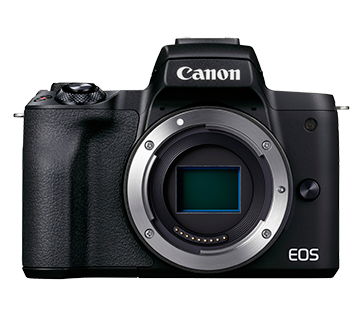
Canon EOS R100 vs Canon EOS M50 Mark II
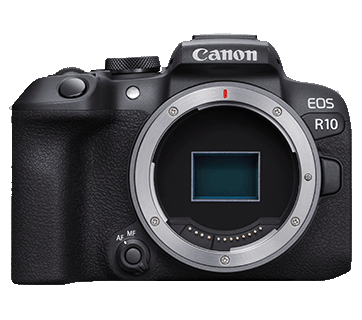
Canon EOS R100 vs Canon EOS R10
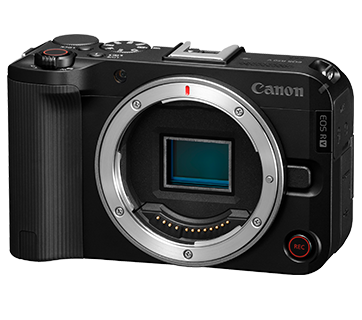
Canon EOS R100 vs Canon EOS R50 V
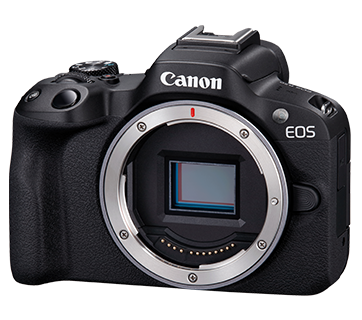
Canon EOS R100 vs Canon EOS R50
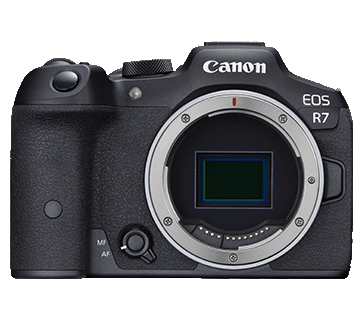
Canon EOS R100 vs Canon EOS R7
Canon EOS R100 vs Fujifilm X-H2
Canon EOS R100 vs Fujifilm X-H2S
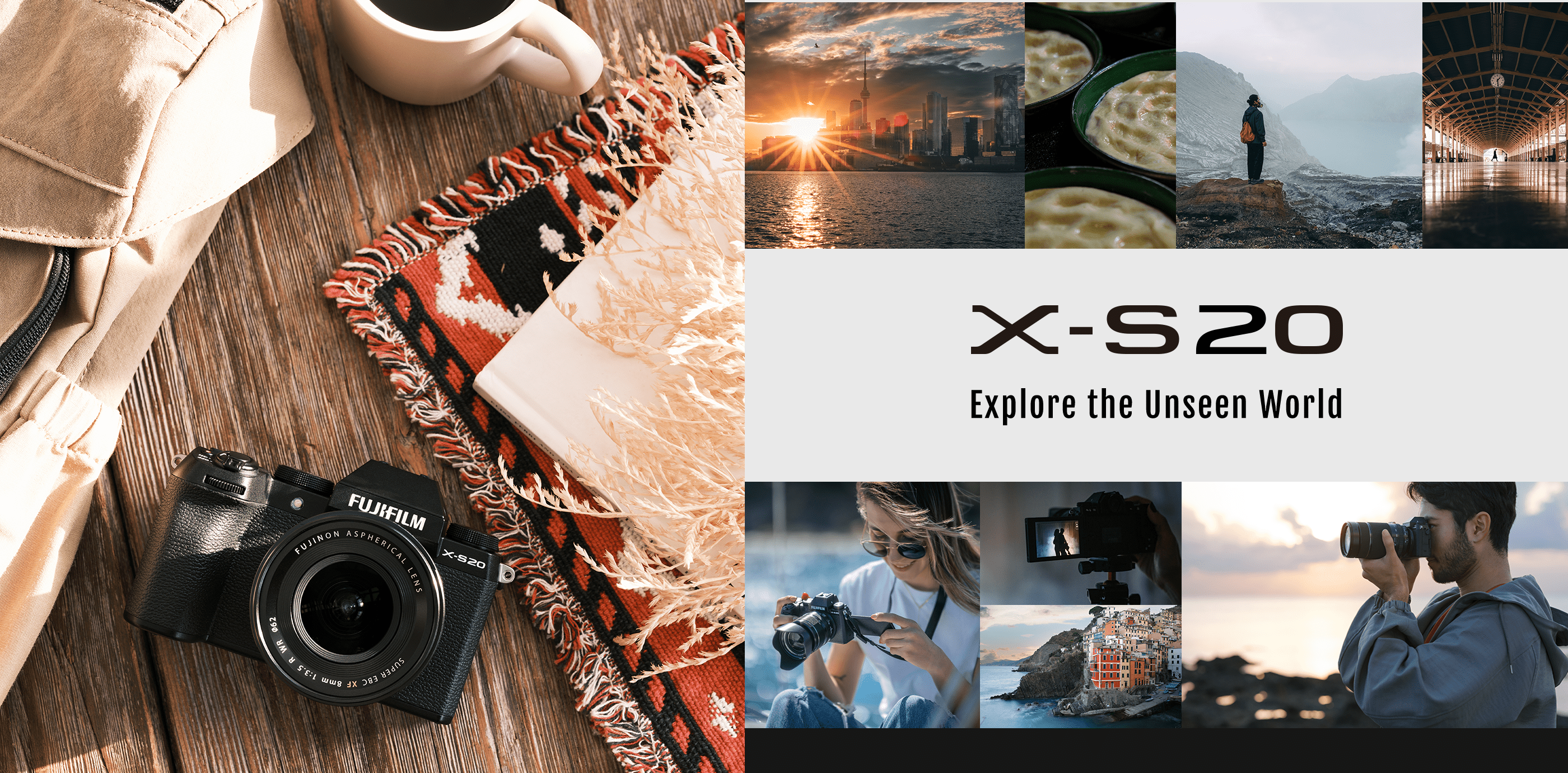
Canon EOS R100 vs Fujifilm X-S20
Canon EOS R100 vs Fujifilm X-T5
Canon EOS R100 vs Fujifilm X100VI
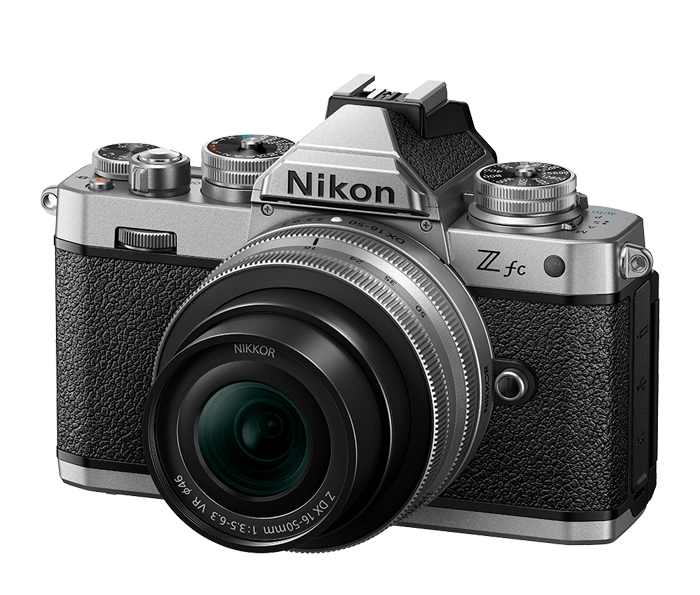
Canon EOS R100 vs Nikon Z fc
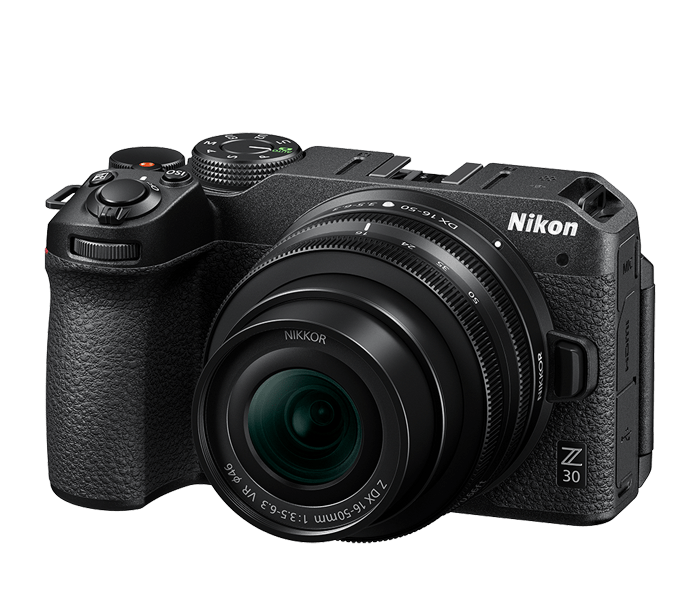
Canon EOS R100 vs Nikon Z30
Canon EOS R100 vs Nikon Z50
Canon EOS R100 vs Nikon Z50II
Canon EOS R100 vs Sony A6100
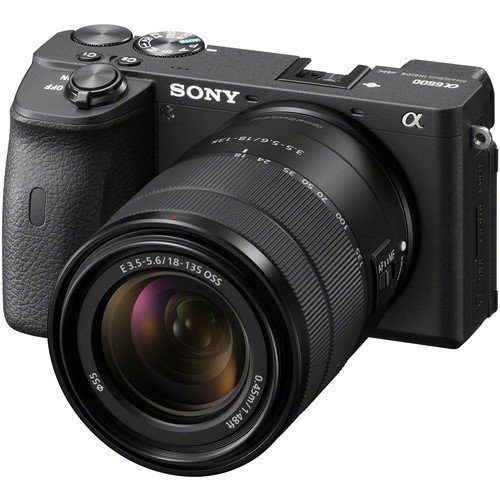
Canon EOS R100 vs Sony A6400
Canon EOS R100 vs Sony A6600
Canon EOS R100 vs Sony A6700
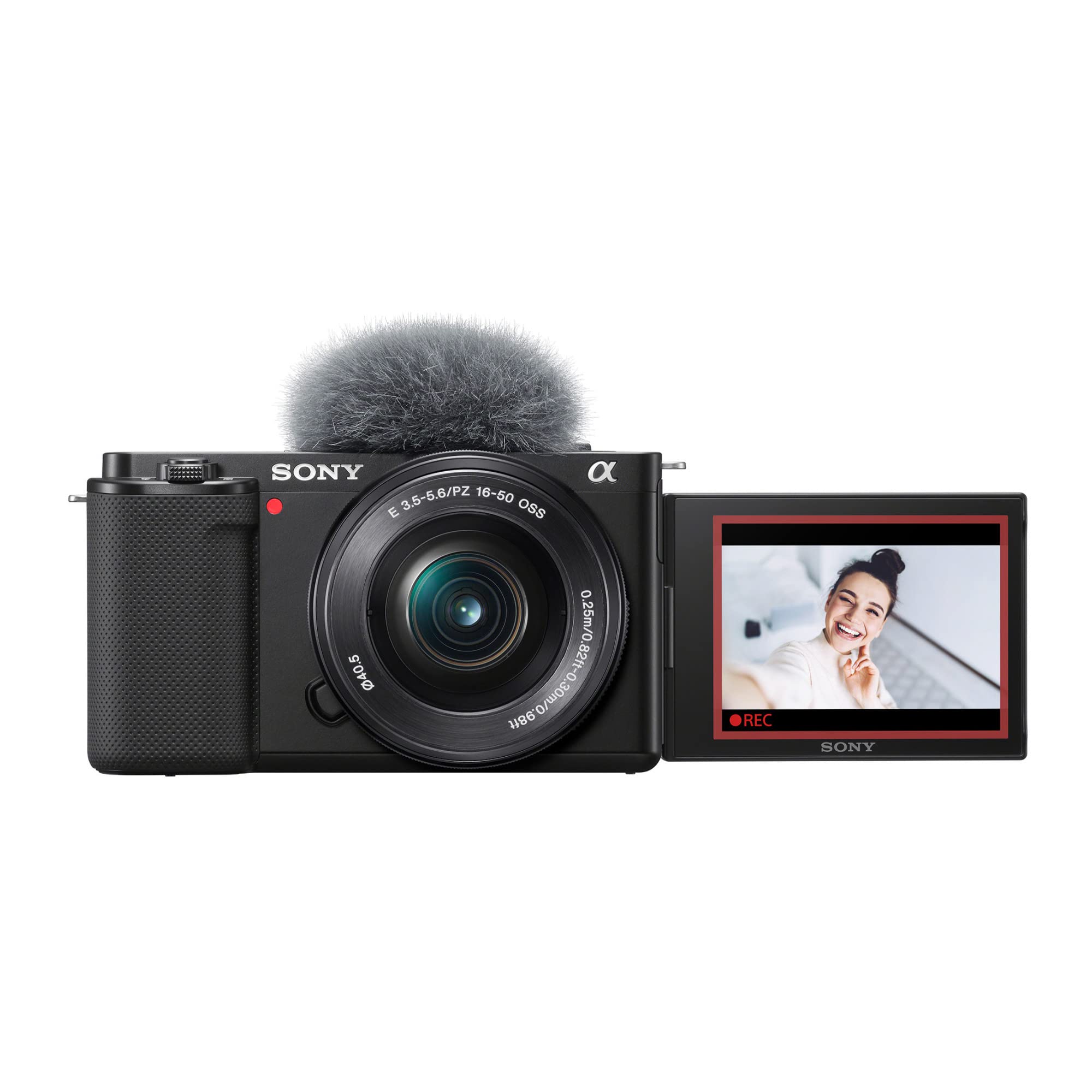
Canon EOS R100 vs Sony ZV-E10 II
Canon EOS R100 vs Sony ZV-E10
Compatible Lenses
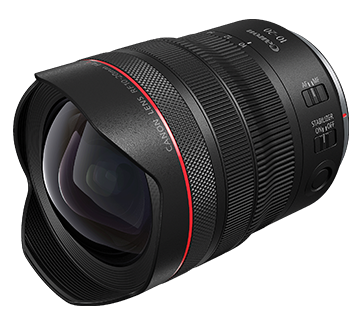
RF 10-20mm f/4L IS STM
lens
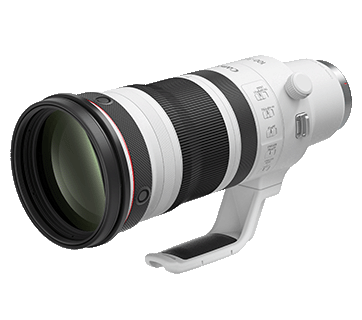
RF 100-300mm f/2.8L IS USM
lens
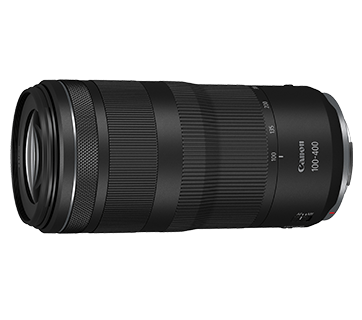
RF 100-400mm f/5.6-8 IS USM
lens
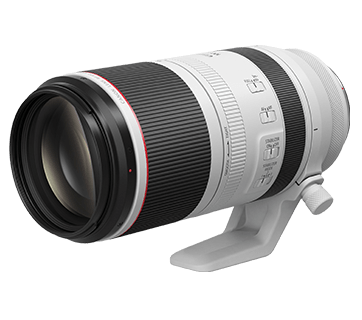
RF 100-500mm f/4.5-7.1L IS USM
lens
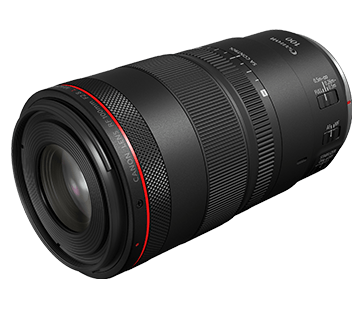
RF 100mm f/2.8L MACRO IS USM
lens
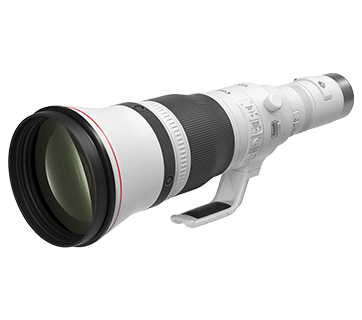
RF 1200mm f/8L IS USM
lens
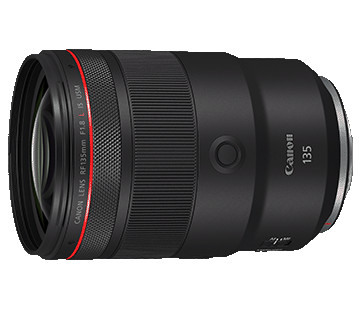
RF 135mm f/1.8L IS USM
lens
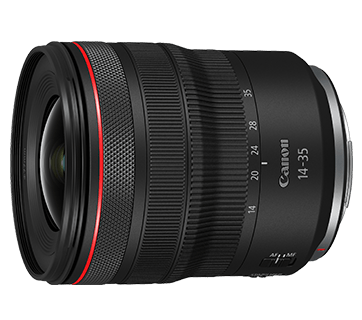
RF 14-35mm f/4L IS USM
lens
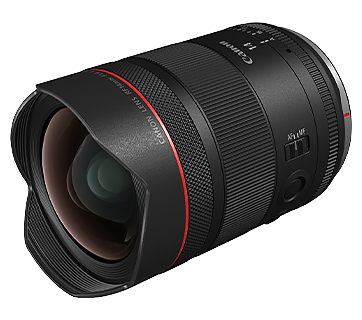
RF 14mm f/1.4L VCM
lens
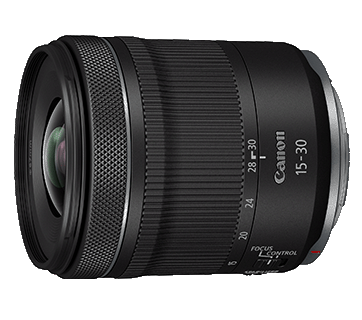
RF 15-30mm f/4.5-6.3 IS STM
lens
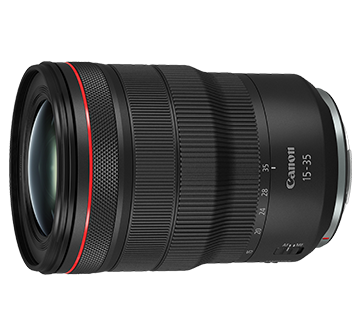
RF 15-35mm f/2.8L IS USM
lens
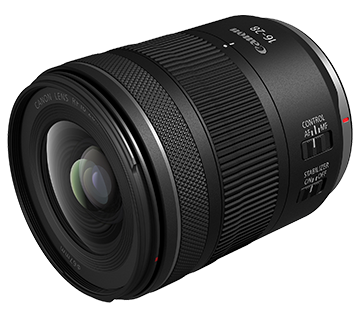
RF 16-28mm f/2.8 IS STM
lens
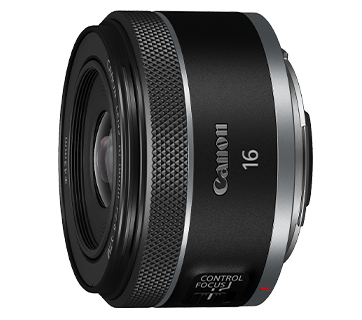
RF 16mm f/2.8 STM
lens
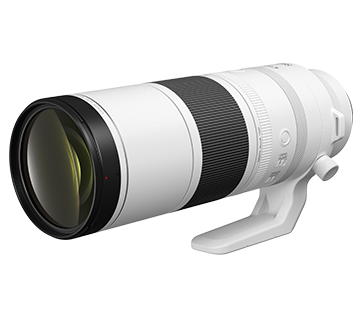
RF 200-800mm f/6.3-9 IS USM
lens
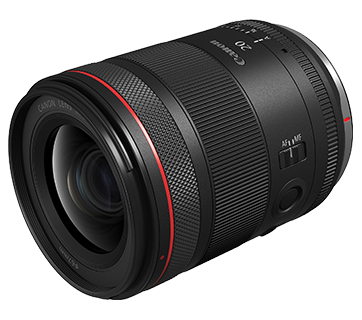
RF 20mm f/1.4L VCM
lens
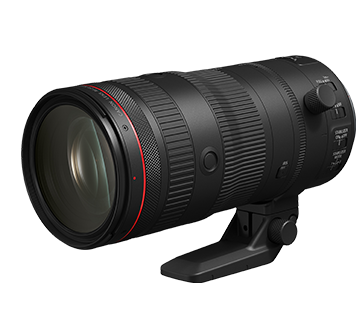
RF 24-105mm f/2.8L IS USM Z
lens
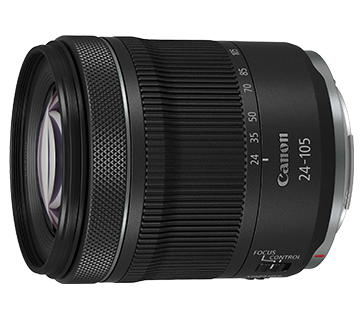
RF 24-105mm f/4-7.1 IS STM
lens
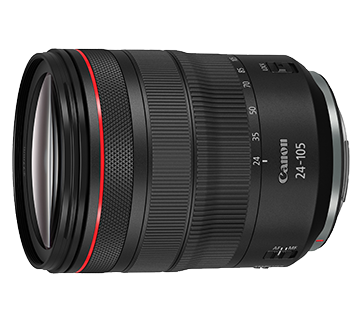
RF 24-105mm f/4L IS USM
lens
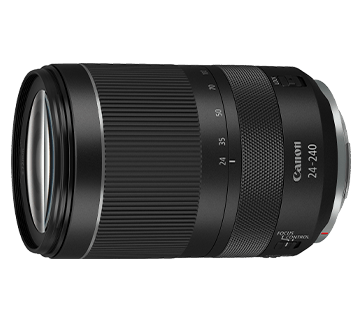
RF 24-240mm f/4-6.3 IS USM
lens
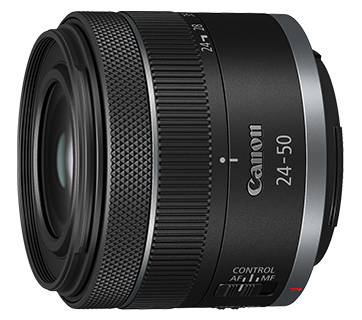
RF 24-50mm f/4.5-6.3 IS STM
lens
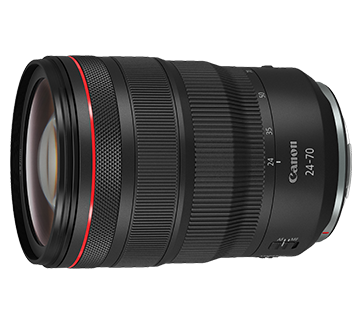
RF 24-70mm f/2.8L IS USM
lens
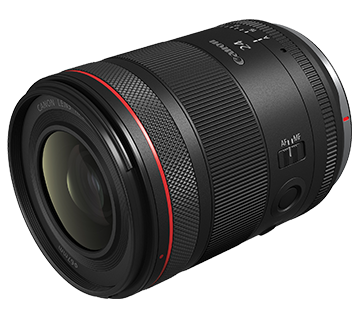
RF 24mm f/1.4L VCM
lens
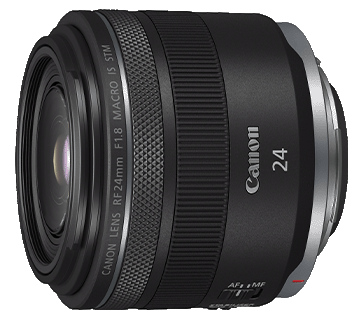
RF 24mm f/1.8 MACRO IS STM
lens

RF 28-70mm f/2.8 IS STM
lens
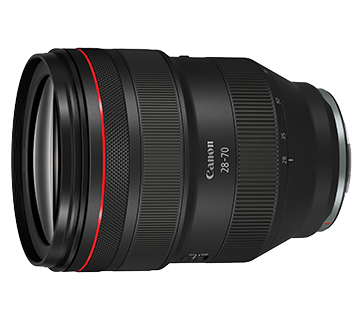
RF 28-70mm f/2L USM
lens
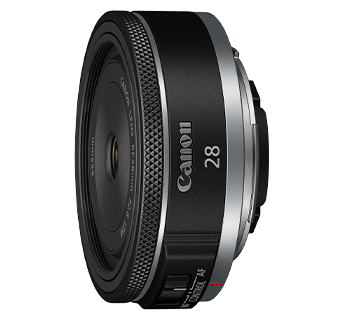
RF 28mm f/2.8 STM
lens

RF 35mm f/1.4L VCM
lens
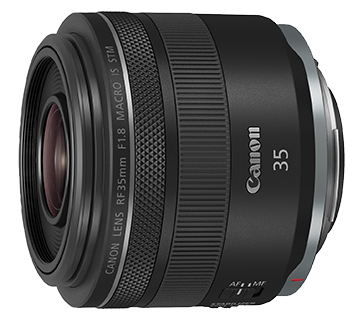
RF 35mm f/1.8 Macro IS STM
lens
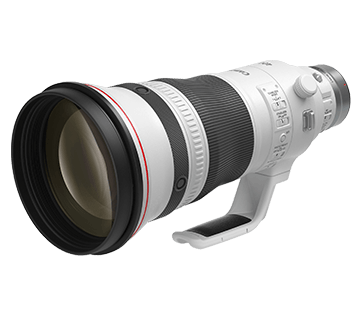
RF 400mm f/2.8L IS USM
lens
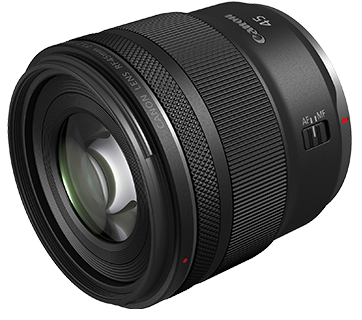
RF 45mm f/1.2 STM
lens
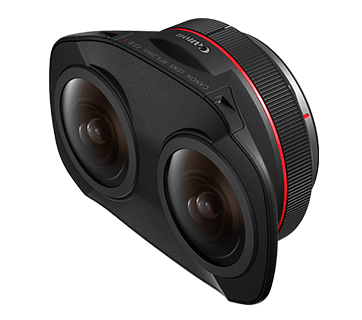
RF 5.2mm f/2.8L Dual Fisheye
lens
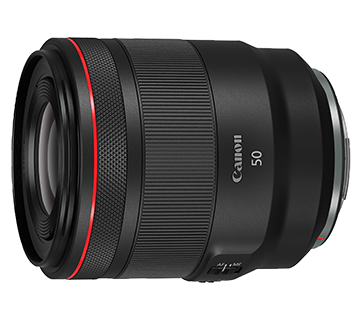
RF 50mm f/1.2L USM
lens
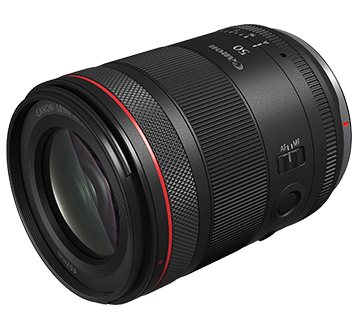
RF 50mm f/1.4L VCM
lens
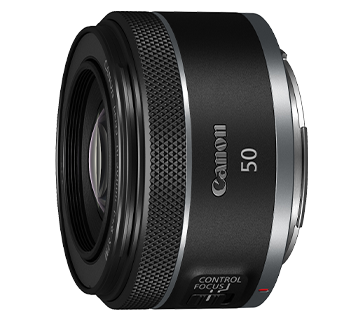
RF 50mm f/1.8 STM
lens
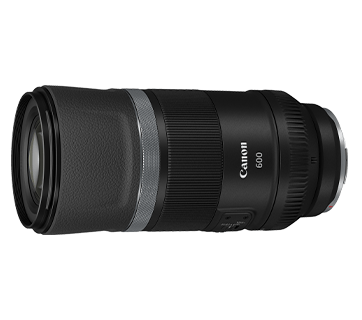
RF 600mm f/11 IS STM
lens
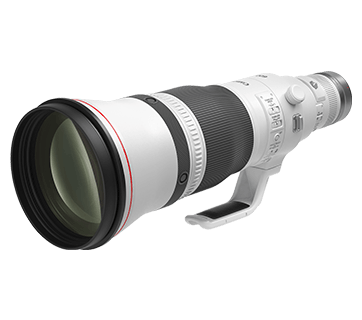
RF 600mm f/4L IS USM
lens
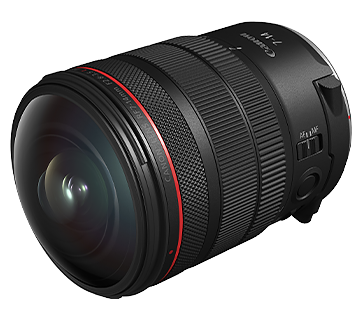
RF 7-14mm f/2.8-3.5L Fisheye STM
lens
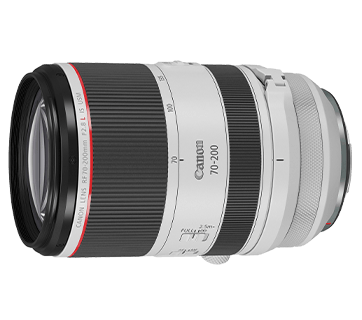
RF 70-200mm f/2.8L IS USM
lens
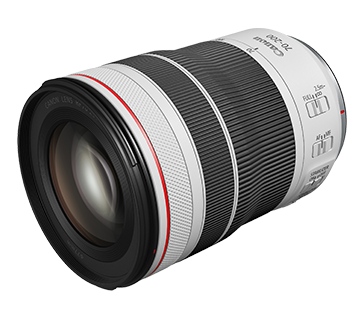
RF 70-200mm f/4L IS USM
lens
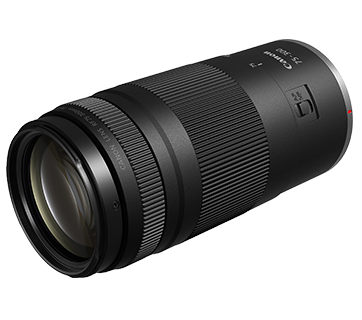
RF 75-300mm f/4-5.6
lens
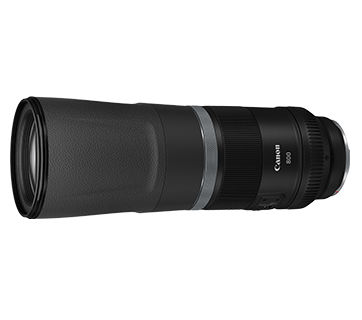
RF 800mm f/11 IS STM
lens
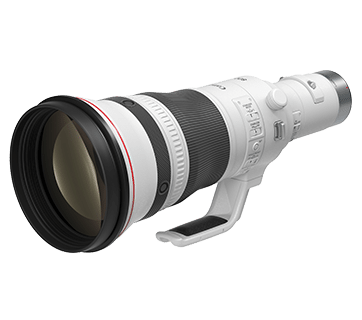
RF 800mm f/5.6L IS USM
lens
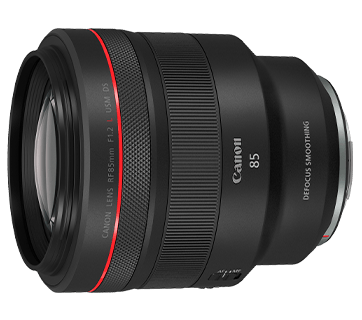
RF 85mm f/1.2L USM DS
lens
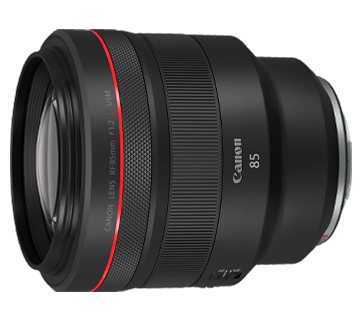
RF 85mm f/1.2L USM
lens
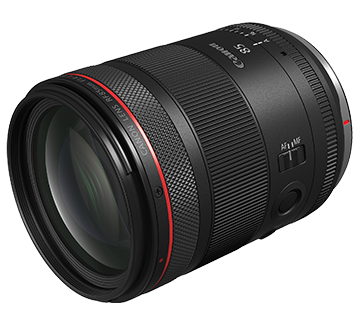
RF 85mm f/1.4L VCM
lens
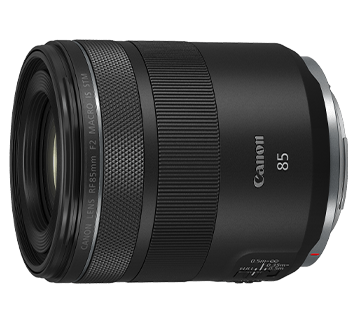
RF 85mm f/2 Macro IS STM
lens
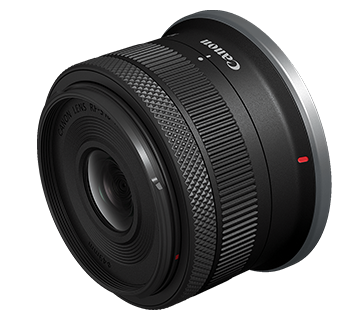
RF-S 10-18mm f/4.5-6.3 IS STM
lens
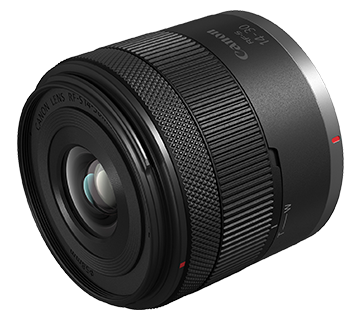
RF-S 14-30mm f/4-6.3 IS STM PZ
lens
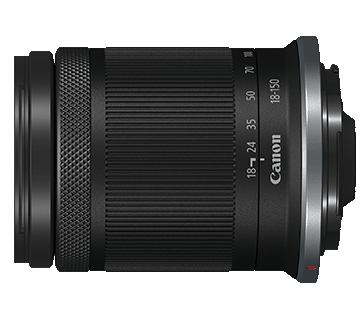
RF-S 18-150mm f/3.5-6.3 IS STM
lens
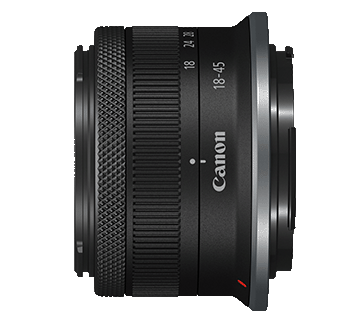
RF-S 18-45mm f/4.5-6.3 IS STM
lens
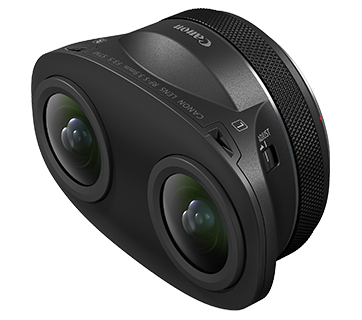
RF-S 3.9mm f/3.5 STM Dual Fisheye
lens
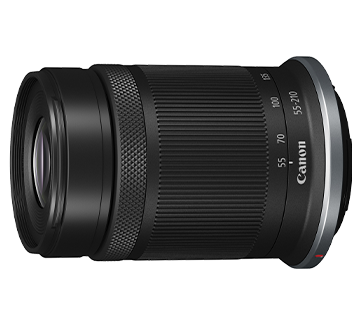
RF-S 55-210mm f/5-7.1 IS STM
lens
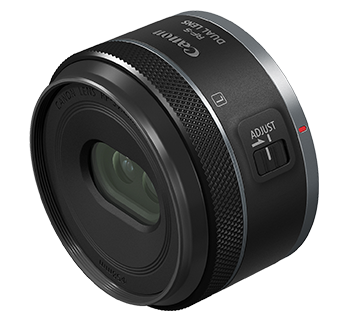
RF-S 7.8mm f/4 STM Dual
lens