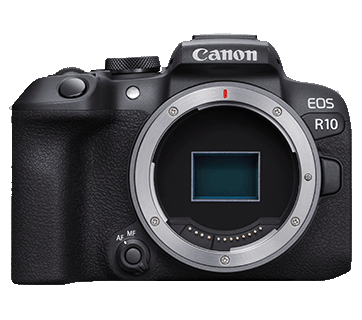
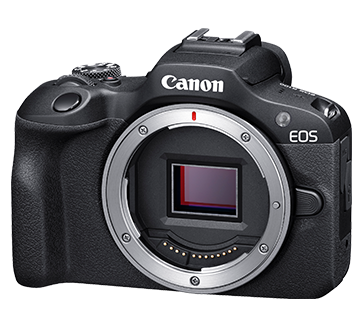
The Canon EOS R10 and EOS R100 are both mirrorless cameras that cater to differing needs within the photography community. Photographers seeking an affordable yet capable option might ponder between these two models, especially since they share similar features but diverge significantly in terms of performance and functionality. The R10, released in 2022, is positioned as an entry-level model with robust specifications, while the R100, introduced in 2023, targets beginners and casual users desiring a more lightweight and budget-friendly solution with some limitations in advanced features.
Key differentiators between the two models can be found in their autofocus capabilities, video resolutions, maximum burst shooting speeds, and ISO range. The R10 stands out with a more advanced autofocus system and greater video specifications, making it better suited for dynamic photography and videography. Meanwhile, the R100 impresses with its compact design and lower price point, appealing to those who prioritize portability and ease of use without the need for complex features.
Specifications Comparison
Detailed Comparison
Image Quality
Both the Canon EOS R10 and R100 come equipped with a 24-megapixel APS-C sensor that delivers impressive image quality. However, their ISO performance showcases a noteworthy difference: the EOS R10 offers an ISO range of 100-32,000 compared to the R100's 100-12,800. This broader ISO range in the R10 means it performs better in low-light situations, producing cleaner images at higher sensitivities.
Moreover, camera image processing capabilities can affect sharpness and noise control. The R10's processing engine is typically more sophisticated than that of older models, which may provide a slight edge over the R100 despite its entry-level positioning. In practical terms, this translates to the R10 yielding images that retain more detail and clarity in challenging lighting conditions.
Both models, however, produce vibrant colors and rich detail under standard conditions, ensuring good performance for everyday photography. But ultimately, for those who prioritize low-light capabilities and dynamic range in their photography, the EOS R10 provides a noticeable advantage, solidifying its position as the winner in this section.
Autofocus System
The autofocus system is a critical aspect for many photographers, especially for fast-paced shooting scenarios. The Canon EOS R10 boasts an impressive 651 autofocus points, significantly outnumbering the R100's 143 points. This advantage allows the R10 to achieve faster and more accurate focus, particularly beneficial for capturing moving subjects.
The autofocus system in the R10 also includes advanced features that help in tracking subjects, making it especially suitable for action shots and wildlife photography where precision is vital. Conversely, the R100's simpler system may suffice for general photography but limits the user in complex shooting environments.
Overall, when it comes to autofocus capabilities, the EOS R10 clearly outperforms the R100, making it the superior choice for those who require precision and speed in their photographic endeavors.
Video Capabilities
The video capabilities of both cameras reveal another important differentiation. The Canon EOS R10 can record in 4K at 30p, allowing for higher resolution and smoother video capture, making it ideal for video creators and those who prefer to document life in motion. The R100, while still capable of recording, lacks the same 4K feature, which may deter users looking to delve into more robust videography.
Beyond resolution, the R10's faster frame rate also enhances its suitability for action sequences where smooth motion is essential. Users recording sports, events, or fast-moving subjects will notice the difference in video quality that the R10 can achieve compared to the R100.
In summary, the EOS R10's advanced video capabilities make it a clearer choice for videographers or enthusiasts who require higher performance in video recording.
Build & Ergonomics
When it comes to build and ergonomics, the Canon EOS R100 takes the lead with its slightly lighter weight (356g vs. 426g for the R10) and more compact dimensions (116 x 86 x 69 mm vs. 123 x 88 x 83 mm). This can be particularly appealing to travelers and casual users who prefer a camera that doesn't weigh them down.
Despite the R10's larger size, it offers a robust grip and layout that some users may prefer for longer shooting sessions. The controls are well-placed for easier access to settings during shoots. However, for a beginner or someone looking for a straightforward camera, the R100's minimalist design may be advantageous.
Ultimately, while the R10 provides a more professional feel, the R100's lightweight and compact build makes it an appealing option for users who prioritize portability.
Battery & Storage
Battery life can be a decisive factor for photographers and videographers who often shoot for long periods without access to charging. The Canon EOS R10 offers a battery life of approximately 450 shots, which is commendable for a camera of its class, allowing users to capture more images before needing to recharge.
On the other hand, the R100, while not specified in detail for battery life, is generally expected to be in a similar range given its design and entry-level focus. However, users frequently report varying experiences with battery performance relative to the shooting style and conditions.
In terms of storage, both cameras utilize the Canon RF lens mount, maintaining compatibility for future upgrades in lenses, which is a shared strength. However, the R10's superior battery life gives it an advantage for extended shooting sessions.
Value for Money
The price point of each camera underscores their intended audience. At $979, the Canon EOS R10 presents a more premium offering with advanced features that justify the investment for serious enthusiasts or professionals seeking high-quality image production and video capabilities. Its comprehensive autofocus system, excellent ISO performance, and broader usability create significant value for those needing more from their gear.
In contrast, the Canon EOS R100, priced at $480, represents a substantial saving and is geared towards beginners or casual photographers who need a reliable and easy-to-use camera without breaking the bank. Its performance is adequate for day-to-day photography, hobbyists, or those new to the craft.
Ultimately, value for money depends on the user's objectives; serious photographers will see the worth of the R10, while casual users might find the R100 more than adequate for their needs at a more accessible price.
Our Verdict
The Canon EOS R10 emerges as the overall winner due to its superior image quality, advanced autofocus system, and enhanced video capabilities, making it a more versatile tool for photographers of all levels. In comparison, the Canon EOS R100 will serve well for users who prioritize portability and affordability, particularly those just starting their photography journey or who need a simple and functional camera for daily use. Ultimately, each camera has its strengths: the R10 excels in performance, while the R100 provides a value-focused, user-friendly experience that might be more appealing to casual shooters.
Canon EOS R10
Canon EOS R100
Also Compare
Frequently Asked Questions
Which camera is better for beginners?
The Canon EOS R100 is more suitable for beginners due to its simple design, lighter weight, and lower price point, making it a great choice for casual shooting.
Is the R10 worth the extra cost?
Yes, if you are looking for better autofocus, video capabilities, and overall image quality, the EOS R10 justifies its higher price with enhanced performance.
Can I use both cameras for video filming?
Yes, both the R10 and R100 can record videos, but the EOS R10 stands out with its 4K recording feature, making it better suited for serious videography.
What lens mount do both cameras use?
Both the Canon EOS R10 and R100 utilize the Canon RF lens mount, ensuring compatibility with a variety of lenses in Canon's ecosystem.
How does battery life compare?
The Canon EOS R10 offers a longer battery life at about 450 shots compared to the R100, providing more shooting time between charges, which can be an advantage for long sessions.