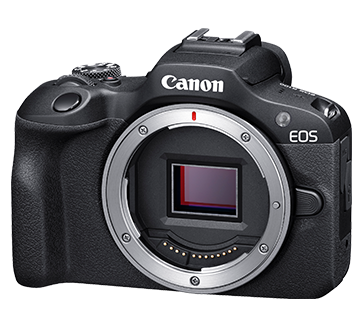
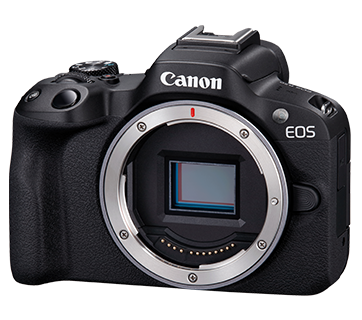
The Canon EOS R100 and Canon EOS R50 are both entry-level mirrorless cameras that have been released in 2023, making them prominent choices for photographers looking to step up from smartphones or point-and-shoot cameras. Both models feature an APS-C sensor with a resolution of 24 megapixels, offering excellent image quality in their class. However, potential buyers may find themselves deliberating between these two options, as they are crafted for slightly different audiences - the R100 prioritizes affordability and simplicity, while the R50 offers enhanced features and performance for those willing to invest a bit more. Key differentiators include the autofocus systems, video capabilities, and overall functionality that cater to varying user needs.
Specifications Comparison
Detailed Comparison
Image Quality
Both the EOS R100 and the EOS R50 utilize an APS-C sensor that delivers a resolution of 24 megapixels, ensuring that they capture sharp and detailed images across various shooting conditions. In terms of low-light performance, the R100 has an ISO range of 100-12800, which is respectable, but the R50 outshines it with an extended ISO range of 100-32000, allowing for better performance in dimly lit environments. Despite this, both models produce vibrant colors and good dynamic range, making them suitable for portraits, landscapes, and everyday photography. Photographers looking for versatility in different light conditions may prefer the R50.
Autofocus System
When it comes to autofocus, the EOS R50 boasts a significantly more advanced system with 651 autofocus points compared to just 143 on the R100. This expansive autofocus system on the R50 enables faster and more accurate focusing, particularly in challenging scenarios like tracking moving subjects. The enhanced autofocus also plays a critical role in portrait photography and video recording, where focusing on a subject is paramount. The R100's autofocus system, while capable for most casual photography, may struggle in fast-paced situations where the R50 will excel.
Video Capabilities
In terms of video capabilities, the R50 offers 4K recording at 30 frames per second, providing a clear advantage for videographers who want to produce high-resolution video content without stepping up to higher-end models. The R100 lacks 4K support, and its video limitations place it primarily in the realm of basic recording options such as 1080p. Given the increasing demand for high-quality video, especially among content creators, the R50's video specifications present a substantial benefit for those interested in videography. This makes the R50 a more versatile choice for multimedia creators.
Build & Ergonomics
Both the EOS R100 and the R50 share identical physical dimensions of 116 x 86 x 69 mm, making both cameras compact and easy to handle. The R100 is slightly lighter at 356g compared to the R50 at 375g, which might appeal to those prioritizing portability. However, both cameras include an electronic viewfinder and a 3-inch screen, with the R50 featuring a higher resolution display at 1,620,000 dots compared to the R100's 1,040,000 dots. While both offer a solid build suitable for everyday use, the R50 generally feels more refined due to its slight advancements in display technology.
Battery & Storage
Battery life is a crucial consideration for photographers, and although both cameras utilize similar battery sizes, the specific endurance can vary. While exact battery specs may not be detailed here, the R50 is known for higher efficiency due to its processing capabilities. Both cameras use Canon's RF mount, giving users access to a growing range of lenses. The storage for both cameras relies on SD cards without major differences. However, the overall efficiency of the R50 may appeal to users who spend longer hours shooting without frequent battery swaps.
Value for Money
At $480, the EOS R100 is significantly more affordable than the R50, which retails for $679. For budget-conscious buyers, the R100 offers a compelling entry point to mirrorless photography with its decent performance and image quality. However, given the R50's superior features, particularly in autofocus technology, video capabilities, and display quality, it presents better long-term value for those who wish to utilize advanced features. Buyers must weigh their current needs against future flexibility and potential upgrades when considering their budget.
Our Verdict
Ultimately, while the Canon EOS R100 offers excellent value for entry-level photographers, especially those looking to save money, the EOS R50 proves itself as the superior option with its advanced autofocus capabilities, 4K video recording, and higher resolution screen. The R50 is better suited for users who expect to grow their skills and may require more advanced features over time. In contrast, the R100 remains a strong contender for those with a straightforward approach to photography, or for those who need a budget-friendly option without the need for advanced specifications.
Canon EOS R100
Canon EOS R50
Also Compare
Frequently Asked Questions
Which camera is better for beginners?
The Canon EOS R100 is well-suited for beginners due to its affordability and simplicity. However, the R50 may be worth the investment for beginners who anticipate developing their skills and needing more advanced features.
Does the R50 support 4K video?
Yes, the Canon EOS R50 supports 4K video recording at 30 frames per second, making it better for video enthusiasts compared to the R100, which does not support 4K.
How do the autofocus systems compare?
The EOS R50 has 651 autofocus points, vastly outperforming the R100's 143 points. This makes the R50 significantly better in fast-paced photography environments.
What is the weight difference between the two cameras?
The Canon EOS R100 is lighter at 356g compared to the R50's 375g, but both are compact and easy to carry.
Is there a noticeable difference in image quality?
Both cameras share the same 24-megapixel APS-C sensor, so image quality is quite similar. However, the R50 may perform better in low-light situations due to a higher ISO range.