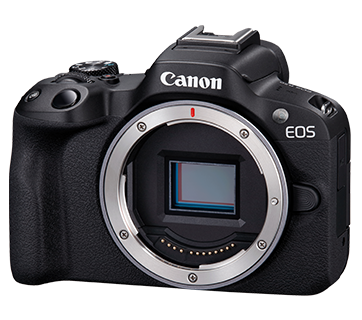
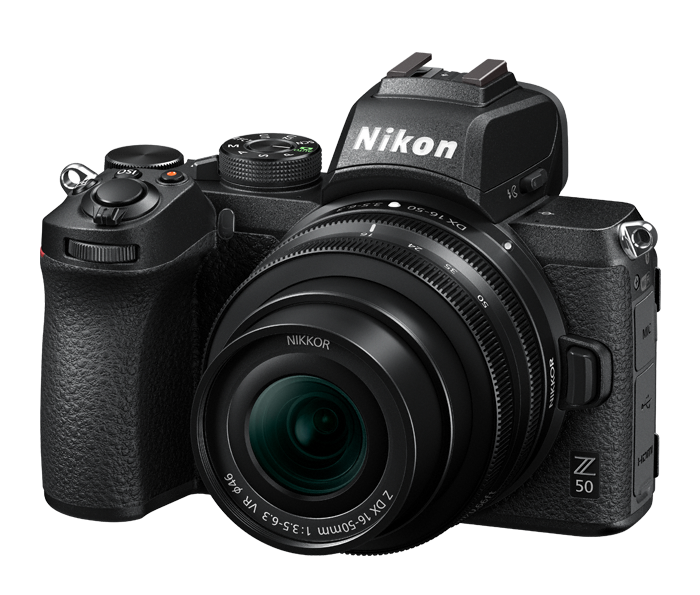
The Canon EOS R50 and Nikon Z50 are two popular mirrorless cameras that target both amateur photographers seeking to upgrade and casual enthusiasts who want a capable yet compact option. Both cameras feature APS-C sensors, 4K video capabilities, and electronic viewfinders, making them appealing choices for a variety of photography styles. However, they come with different specifications and features that cater to diverse user needs, making it essential to compare them carefully.
When looking at the key differentiators, the Canon EOS R50 boasts a higher megapixel count, while the Nikon Z50 offers a more extensive ISO range and weather sealing. This comparison highlights not just their technical specifics but also practical usability in real-world scenarios, assisting buyers in making a more informed decision based on their photography preferences and environment.
Specifications Comparison
Detailed Comparison
Image Quality
The Canon EOS R50 features a 24-megapixel APS-C sensor, providing sharper and more detailed images compared to the 21-megapixel sensor of the Nikon Z50. While both sensors are capable, the added resolution of the R50 can benefit those who frequently crop their images or require large prints. However, the Nikon Z50 compensates with a more generous ISO range, allowing for greater low-light performance, especially in expanded mode, reaching up to 204,800, in comparison to Canon's maximum of 32,000.
The Canon R50's image processing algorithms might render colors more vividly under bright conditions, but the Z50's low-light performance and higher ISO capabilities make it a strong contender for night photography and situations with challenging lighting. Overall, details in shadow areas are usually better resolved in the Nikon Z50 due to its ISO capabilities, despite its lower pixel count.
When it comes to dynamic range, some users find that the Nikon captures a slightly wider range of highlights and shadows, which could be a significant factor for photographers interested in landscape or HDR photography.
Ultimately, both cameras deliver excellent image quality; however, for sheer detail capture, the Canon EOS R50 takes the lead, while the Nikon Z50 excels in versatility across light conditions.
Autofocus System
The Canon EOS R50 is equipped with an advanced autofocus system featuring 651 focus points, which significantly enhances subject tracking and can lock focus on subjects quickly and accurately, making it a great tool for action photography. In addition, its Dual Pixel CMOS AF technology benefits users with smooth autofocus during both still photography and video. The R50 is particularly adept at tracking moving subjects in various lighting scenarios.
In contrast, the Nikon Z50 uses a 209-point autofocus system, which, while effective, doesn't match the number of points available in the R50. The Z50 does, however, feature face-detection and eye-detection capabilities that are quite responsive, particularly for portrait photography.
For sports and wildlife photographers, the more extensive point coverage of the Canon makes it easier to maintain focus on fast-moving subjects. Moreover, the performance of autofocus under low light favors the Canon EOS R50, giving it an edge in challenging conditions.
Despite this, the Nikon Z50's autofocus performance remains commendable and is sufficiently reliable for general photography tasks. Nevertheless, for those focused on high-speed shooting or active scenes, the Canon EOS R50's superior autofocus creates a more effective experience.
Video Capabilities
Both cameras offer 4K video recording at 30 frames per second, which is a significant draw for videographers. The Canon EOS R50's video features are solid and include Canon's color science that results in pleasing skin tones and overall color accuracy in dynamic scenes. The electronic viewfinder and monitor make it easy to frame shots while shooting video. However, it lacks advanced video features like in-body stabilization, which can limit its effectiveness in handheld shooting situations.
On the other hand, the Nikon Z50 also presents a compelling video performance, but it similarly lacks image stabilization. Both cameras deliver decent 4K quality, but users might find minor variations in video compression artifacts between the two, depending on lighting and scene complexity.
With similar video specs, the overall capabilities gravitate towards the individual needs of the user; those who favor color rendering might lean towards Canon, while others who prioritize ease of use may find either to be sufficient.
Ultimately, for basic 4K recording without advanced features, both are capable, but the Canon dives deeper into color performance, potentially making it the preferable choice for certain video creators.
Build & Ergonomics
The Canon EOS R50 is notably lighter and more compact, weighing in at 375 grams and exhibiting dimensions of 116 x 86 x 69 mm. This makes it a fantastic choice for traveling photographers who prioritize weight and size. Its controls are user-friendly and intuitive, appealing to newcomers and experienced photographers alike.
Conversely, the Nikon Z50, weighing 450 grams with larger dimensions (127 x 94 x 60 mm), is seemingly bulkier yet provides a more robust grip that can enhance comfort during extended shooting sessions. Key features such as the weather sealing of the Nikon afford it additional durability in various environmental conditions, making it ideal for outdoor photographers.
Both cameras share an electronic viewfinder and have a decent level of manual controls, although the layout and menu system may be more appealing to Canon users. This ultimately comes down to personal preference regarding ergonomics and how a camera feels in hand.
In summary, for lightweight travel, the Canon appears more favorable, but for users prioritizing durability and a more substantial grip, the Nikon Z50 shines.
Battery & Storage
In terms of battery life, the Nikon Z50 has an edge, rated at approximately 320 shots per charge, which can be essential for long shooting routes without access to chargers. The Canon R50 does not publicly specify its battery life but generally yields fewer shots compared to its competitors in real-world tests, which may require more frequent recharging or carrying spares.
Both cameras support similar storage options, utilizing SD UHS-II cards which facilitate high-speed photography and video capture. However, the Nikon's ability to last longer on a single charge provides an added convenience in scenarios where access to power is limited.
When it comes to performance, while both systems support fast writing speeds, if you plan to shoot long sessions or heavy bursts, the Z50's battery longevity may save a lot of hassle in the field.
In essence, for users who expect to shoot extensively without worrying about battery management, the Nikon Z50 clearly prevails in this area.
Value for Money
The Canon EOS R50, priced at $679, presents itself as a more affordable option among the two, making it a platform enticing for beginners or those on tighter budgets. The camera offers impressive features considering the price, including high resolution and robust autofocus systems - a valuable combination for any photography application.
Conversely, the Nikon Z50 at $859 is positioned as a more premium option, though it incorporates features like weather sealing that might justify the higher cost for extensive outdoor shooting. However, the price gap might be a critical factor for those new to photography or considering their first mirrorless camera.
Both cameras provide excellent value for certain users, with the Canon being a more fiscally accessible choice and the Nikon offering additional features that appeal to a higher-end market segment. Ultimately, consumers can look at their intended use scenarios when considering value.
When weighing the specifications against the prices, it's clear that Canon provides more advantages for pure affordability, supporting a wide range of photography enthusiasts without breaking the bank.
Our Verdict
Overall, the Canon EOS R50 emerges as the superior choice due to its higher megapixel count, extensive autofocus points, and greater value for money, making it particularly attractive for those just transitioning into more advanced photography. Its lightweight design and ease of use are equally important for beginners. The Nikon Z50 offers compelling features, especially with its weather sealing, extended ISO range, and solid battery life, catering to enthusiasts who seek a durable companion for varied shooting environments. For users prioritizing low-light performance or outdoor capability, the Z50 holds significant appeal. In conclusion, the Canon EOS R50 is the better overall camera for budget-conscious filmers and those needing broader focusing capabilities, while the Nikon Z50 holds a strong ground for rugged durability and advanced ISO usability.
Canon EOS R50
Nikon Z50
Also Compare
Frequently Asked Questions
Which camera is better for beginners?
The Canon EOS R50 is often recommended for beginners due to its intuitive controls, lighter weight, and attractive pricing, which provide a supportive entry-level experience.
How does the autofocus performance compare?
The Canon EOS R50 excels with 651 autofocus points, offering faster and more reliable subject tracking, while the Nikon Z50 uses a 209-point system that is effective for general use but does not match the R50 in high-speed scenarios.
Can I use both cameras for video recording?
Yes, both the Canon EOS R50 and Nikon Z50 can record 4K video at 30 fps. However, the R50 may provide better color performance, which can be an asset for video creators.
Is one camera more durable than the other?
The Nikon Z50 is weather sealed, providing better durability against the elements compared to the Canon EOS R50, which lacks such protection.
What should I consider regarding battery life?
The Nikon Z50 offers a longer battery life rated at approximately 320 shots, while the Canon EOS R50 may require more frequent recharging, which is an important factor to consider for long days of shooting.