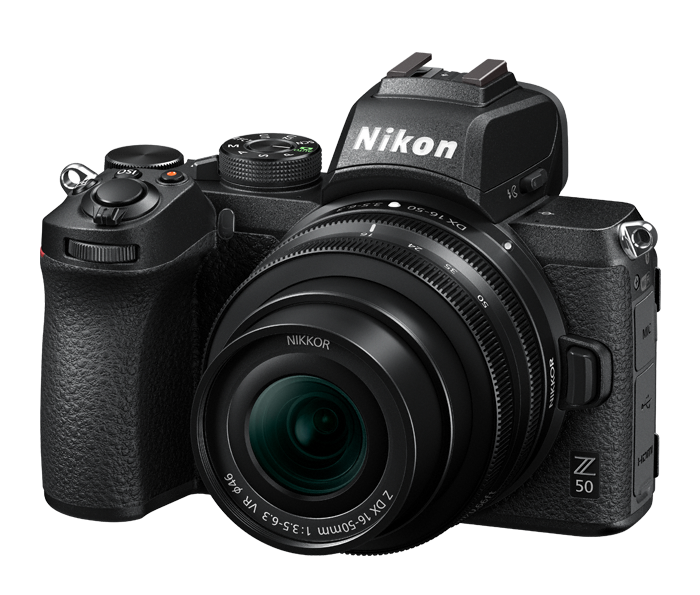

The Nikon Z50 and Sony ZV-E10 II are two popular choices among photography enthusiasts and content creators, especially those looking for compact mirrorless cameras with APS-C sensors. These cameras appeal to a similar audience but cater to slightly different needs: the Z50 is often appreciated for its robust build quality and optical viewfinder, while the ZV-E10 II shines with its impressive video capabilities and advanced autofocus system. Individuals choosing between these models will need to consider their primary use case, whether it be photography or videography, as each camera has distinct strengths that may align better with their specific requirements.
Specifications Comparison
Detailed Comparison
Image Quality
In terms of image quality, both the Nikon Z50 and Sony ZV-E10 II utilize APS-C sensors, but there are differences in their resolution and performance in low-light conditions. The Z50 features a 21-megapixel sensor, providing sufficient resolution for typical photography needs, while the ZV-E10 II boasts a higher 26-megapixel sensor, allowing for more detailed images and better cropping flexibility. Regarding ISO performance, the Z50 supports an impressive range of 100-51200 (expandable to 204,800), while the ZV-E10 II has a more moderate range of 100-32000 (expandable to 102,400). This could translate to better performance in extreme low-light scenarios for the Nikon model.
Furthermore, when it comes to color reproduction, both cameras produce vibrant and accurate colors, but user preferences will depend on the processing styles of each manufacturer's JPEG output. RAW files from each camera open up more flexibility for post-processing, yet, the higher resolution of the ZV-E10 II could be more attractive for photographers who prioritize detail and cropping options on their prints or large screens.
Autofocus System
The autofocus systems in the Nikon Z50 and Sony ZV-E10 II differ significantly. The Z50 offers 209 autofocus points, which is competent for tracking subjects, but it does not match the advanced capabilities of the ZV-E10 II. The latter features an impressive 759 phase-detection points, making it exceptionally adept at quickly locking focus on subjects, especially for moving objects or in video captures.
Additionally, the ZV-E10 II leverages Sony's Real-time Eye autofocus technology, which is highly regarded for its accuracy in both stills and videos, particularly when shooting portraits. This level of autofocus performance ensures that users can focus more on framing their shots rather than worrying about focus issues. Overall, for users prioritizing fast and accurate autofocus, especially in dynamic shooting conditions, the Sony ZV-E10 II stands out.
Video Capabilities
Video capabilities are a standout feature for the Sony ZV-E10 II, which can shoot 4K video at up to 60 fps, providing excellent fluidity and detail for professional-grade video production. The ZV-E10 II also includes video-centric features such as a fully articulating screen, which is invaluable for vloggers and content creators who need to frame themselves while recording.
Conversely, the Nikon Z50 is limited to 4K at 30 fps, which may suffice for casual videographers but falls short compared to the higher frame rates offered by the ZV-E10 II. Both cameras lack in-body stabilization, meaning that users will have to rely on lens stabilization mechanisms or external gimbals to achieve steady shots. For those focused significantly on video, the advanced capabilities of the ZV-E10 II make it the clear choice.
Build & Ergonomics
When considering build quality, the Nikon Z50 is known for its robust and weather-sealed body, which provides greater durability in challenging weather conditions. Its electronic viewfinder is also a plus for photographers who prefer a traditional shooting experience and want to compose images with a direct through-the-lens view.
On the other hand, the Sony ZV-E10 II is designed with vloggers in mind, sacrificing the viewfinder for a lighter and more compact body. While it is also well-built, its lack of a viewfinder may deter traditional photographers. The Z50's larger grips make it more comfortable for extended shooting sessions, especially when paired with heavier lenses, whereas the ZV-E10 II's lighter body could be appealing for those seeking portability. Ultimately, the choice between ergonomics and versatility will depend on user preference.
Battery & Storage
Battery life is an important consideration for both models. The Nikon Z50 boasts a respectable battery life of approximately 320 shots per charge, which is suitable for day-long shooting sessions under normal conditions. However, it's worth noting that real-world results may vary depending on usage, especially when using the electronic viewfinder.
In contrast, the Sony ZV-E10 II has not reported battery life numbers as impressive as its competitor's, which is a commonly cited downside for many Sony cameras. While both cameras utilize similar storage options, with compatibility for SD cards, those expecting long shooting sessions without frequent battery changes may prefer the Z50. Nevertheless, the all-day performance when recording video may be less predictable across both models.
Value for Money
Pricing plays a crucial role in the decision between these cameras. The Nikon Z50 is priced at $859, making it a compelling option for individuals looking for a capable mid-range camera that delivers solid image quality and reliable performance. In contrast, the Sony ZV-E10 II is slightly higher in price at $1000, which reflects its enhanced video capabilities and superior autofocus system.
For casual photographers or users who prioritize traditional photography with some video capabilities, the Z50 provides excellent value for the money. On the other hand, videographers and content creators who depend on higher resolution and frame rates may find the investment in the ZV-E10 II justifiable. Ultimately, buyers should weigh their specific needs against their budgets to determine which camera represents the best value in their case.
Our Verdict
Overall, the Sony ZV-E10 II stands out as the winner in this comparison, primarily due to its superior video capabilities and advanced autofocus system, making it the ideal choice for vloggers and content creators. However, the Nikon Z50 holds its ground with exceptional build quality, a solid battery life, and good image quality at a lower price, catering well to traditional photographers who may prioritize these aspects. Buyers should carefully evaluate their own style of shooting and specific needs to make the most informed decision.
Nikon Z50
Sony ZV-E10 II
Also Compare
Frequently Asked Questions
Is the Nikon Z50 better for photography than the Sony ZV-E10 II?
The Nikon Z50 excels in traditional photography, especially with its electronic viewfinder and solid build quality, making it ideal for photographers. However, the ZV-E10 II offers more megapixels and superior autofocus, which can enhance both photography and videography. If your primary focus is still photography, the Z50 is favorable.
What's the main advantage of the Sony ZV-E10 II over the Nikon Z50?
The main advantage of the Sony ZV-E10 II is its advanced video capabilities, offering 4K at 60 fps, a fully articulating screen, and superior autofocus, which significantly benefits video creators. If you're seeking a camera mainly for vlogging or video work, the ZV-E10 II is the better choice.
Which camera is better in low-light situations?
The Nikon Z50 may perform slightly better in extreme low-light scenarios due to its high ISO range extending to 204,800. However, the ZV-E10 II's higher resolution sensor can also capture more detail in low light, but may not reach the same high ISO as the Z50. It's essential to consider the specific lighting conditions you frequently encounter.
Are both cameras weather-sealed?
Yes, both the Nikon Z50 and Sony ZV-E10 II come with weather-sealing, which provides a level of protection against dust and moisture, making them suitable for outdoor shooting. However, the overall robustness may differ in real-world scenarios.
What lenses can I use with these cameras?
The Nikon Z50 uses the Nikon Z mount, which has a growing selection of lenses tailored for APS-C and full-frame formats. The Sony ZV-E10 II uses the Sony E mount, which has a wide range of lenses available, especially for video applications. Your choice may depend on existing lenses or specific focal ranges that appeal to you.