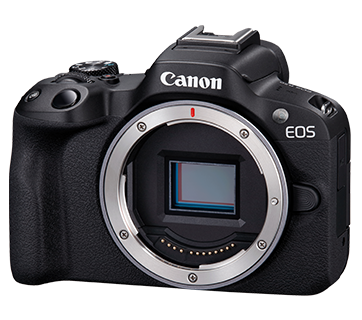

The Canon EOS R50 and the Fujifilm X-T5 are both exceptional mirrorless cameras that cater to different segments of photographers and videographers. The Canon EOS R50 is aimed at entry-level users and those looking for an affordable yet capable travel companion. In contrast, the Fujifilm X-T5 is positioned as a versatile, high-end APS-C camera ideal for enthusiasts and professionals seeking superior image quality and advanced features. With their respective strengths, these cameras often find themselves in direct comparison by those looking to invest in a compact mirrorless system with excellent performance.
Specifications Comparison
Detailed Comparison
Image Quality
The image quality between the Canon EOS R50 and Fujifilm X-T5 shows a notable distinction primarily due to sensor resolution and performance. The Fujifilm X-T5 boasts 40 megapixels compared to the R50's 24 megapixels. This higher resolution in the X-T5 allows for more detailed images, which is essential for large-scale prints or cropping in post-processing. Additionally, the ISO range of the X-T5 is significantly broader, supporting low-light photography much better than the R50, which can extend only to 32000 for ISO settings, while the X-T5 can be expanded to 51200.
However, the Canon EOS R50 holds its ground with good color rendition and dynamic range suitable for most typical photography tasks, especially for a camera in its price range. While it may not match the low-light prowess of the X-T5, the R50's image output remains impressive for entry-level users. The difference in sensor size also plays a role, with the X-T5's slightly larger APS-C sensor (23.5 x 15.6 mm) yielding benefits in depth of field and low-light sensitivity compared to the R50 (22.3 x 14.9 mm).
In conclusion, while both cameras produce excellent images, the Fujifilm X-T5 edges out due to its higher resolution and broader ISO range, making it more suitable for professional work. Thus, in terms of image quality, the winner is clearly the X-T5.
Autofocus System
Autofocus is crucial for capturing fast-moving subjects, and both cameras offer impressive systems. The Canon EOS R50 employs a hybrid autofocus system with a remarkable 651 autofocus points that cover a large portion of the frame, offering the benefit of excellent tracking capabilities. This makes it incredibly useful for sports photography and other scenarios where speed is of the essence.
On the other hand, the Fujifilm X-T5 utilizes 425 autofocus points, but it is noteworthy for its fast and reliable performance, particularly with face and eye detection capabilities. While it has fewer points, the X-T5's autofocus system is generally regarded as refined and effective in various conditions.
Ultimately, while the R50 presents a greater number of autofocus points, the sophisticated performance of the X-T5 makes it a solid contender. Users would find either system sufficient based on their needs, but for those requiring precision in fast-paced scenarios, the Canon may have a slight advantage, making this a close call. Therefore, the winner is a tie due to the strengths of both systems.
Video Capabilities
In the realm of video, the Canon EOS R50 supports 4K video recording at up to 30 frames per second, which is adequate for casual videographers and content creators. Considering the entry-level price point, this resolution allows users to shoot quality video but lacks some advanced features like 10-bit recording options or higher frame rates for slow-motion content.
Conversely, the Fujifilm X-T5 offers better specifications for video enthusiasts, providing 4K recording at up to 60 frames per second and numerous advanced features such as 10-bit video output and a wide range of professional color profiles, including F-Log for comprehensive post-production flexibility. The X-T5 is more suited for serious videographers and filmmakers who demand greater versatility and quality in their footage.
Given these clear differences, it's evident that the Fujifilm X-T5 is the superior choice for video capabilities, appealing to users who value advanced videography features. Thus, in the video capabilities category, the X-T5 takes the lead.
Build & Ergonomics
The build quality and ergonomics of both cameras reflect their target audiences. The Canon EOS R50 features a lightweight and compact design (375g), which makes it ideal for travel and everyday use. Its dimensions (116 x 86 x 69 mm) allow for a comfortable grip, although it lacks weather-sealing, making it less suitable for rugged conditions.
In contrast, the Fujifilm X-T5 is built with a more robust structure, featuring weather sealing that protects it against moisture and dust, which is a significant advantage for outdoor and nature photographers. With a slightly larger form factor (557g and 130 x 91 x 64 mm), it offers great ergonomics with well-placed controls and a traditional dial layout that many enthusiasts appreciate.
Therefore, while the R50 is more manageable for spontaneous use, the X-T5's superior build quality and weather sealing cater better to serious photographers, especially in challenging environments. Considering these factors, the winner in terms of build and ergonomics is the X-T5.
Battery & Storage
Battery life is another important consideration for potential buyers, especially on long shoots. The Canon EOS R50 has a shorter battery life compared to the Fujifilm X-T5, which can take around 370 shots per charge. While this could suffice for casual use, it may require more frequent charging or spare batteries for extended sessions.
In stark contrast, the Fujifilm X-T5 excels in this aspect with a rated battery life of approximately 580 shots, making it a more reliable option for professional use where maintaining power levels is crucial. Additionally, both cameras use a similar dual card setup; however, the X-T5 benefits from dual card slots, allowing for backup and extended storage for larger photo and video files. This feature adds a layer of security and convenience for serious users.
Given the considerable edge in battery performance and storage capabilities, particularly with the dual slots, the Fujifilm X-T5 is the clear winner in this category.
Value for Money
When considering value for money, the Canon EOS R50 is priced at $679, making it an attractive option for beginners and those looking for a budget-friendly mirrorless camera. It offers excellent value with a solid set of features that appeals to new photographers while also being backed by Canon's ecosystem, which provides numerous lens options and accessories at varying price points.
The Fujifilm X-T5, priced at $1699, positions itself in a different tier aimed at enthusiasts and professionals who are ready to invest more for advanced capabilities, higher resolution, and superior build quality. While it represents a noteworthy investment, its features justify the price for serious photographers who need those enhancements.
Ultimately, for someone diving into photography without a hefty budget, the R50 may be the better option. In contrast, for professionals seeking the best performance, the X-T5 offers its value through advanced features. Thus, the winner in value for money often depends on the user's specific needs. For the wider audience, the R50 provides a better value proposition.
Our Verdict
Overall, while the Canon EOS R50 offers unbeatable value for entry-level users with a good balance of features and price, the Fujifilm X-T5 ultimately outperforms it in critical areas such as image quality, video capabilities, and build quality. For enthusiastic photographers and videographers who need high resolution and advanced features, the X-T5 stands out as the more suitable option. On the other hand, those new to photography or who seek an affordable mirrorless camera without demanding professional capabilities would find the Canon EOS R50 to be a perfect fit.
Canon EOS R50
Fujifilm X-T5
Also Compare
Frequently Asked Questions
Which camera is better for beginners?
The Canon EOS R50 is better suited for beginners due to its lower price point and user-friendly features, making it more approachable for those new to photography.
Can the Fujifilm X-T5 shoot high-quality videos?
Yes, the Fujifilm X-T5 excels in video capabilities, offering 4K at 60fps and advanced color profiles, making it ideal for videographers.
Is the Canon EOS R50 weather-sealed?
No, the Canon EOS R50 lacks weather sealing, making it less suitable for use in rugged or wet conditions compared to the Fujifilm X-T5.
Do both cameras support interchangeable lenses?
Yes, both cameras support interchangeable lenses, with the Canon using the RF mount and Fujifilm using the X mount.
How important is battery life for photography?
Battery life is crucial, especially for long shoots. The Fujifilm X-T5 has a better battery life than the Canon R50, making it a more reliable choice for extensive use.
What is the key advantage of the Fujifilm X-T5 over the Canon EOS R50?
The key advantage of the Fujifilm X-T5 over the Canon EOS R50 is its superior image quality, advanced video capabilities, and robust build quality suitable for professional applications.