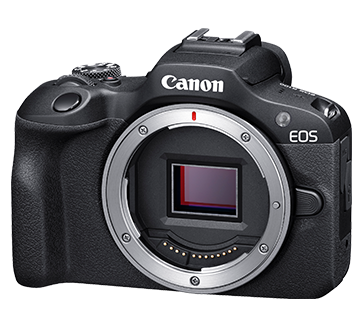
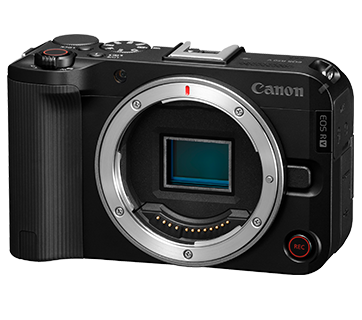
The Canon EOS R100 and Canon EOS R50 V are both entry-level APS-C mirrorless cameras targeting photographers and content creators transitioning from smartphones or compact cameras to interchangeable lens systems. They are often compared owing to their similar image sensors, compact designs, and compatibility with Canon's RF (and RF-S) mount lenses. Shoppers typically weigh these cameras when seeking a lightweight, affordable solution for travel, family, vlogging, or casual photography.
The key differentiators between the R100 and R50 V are their video features, burst performance, and subtle ergonomic refinements. While both use a 24MP APS-C sensor, the R50 V offers faster shooting and more advanced video options, catering to creators who value video as highly as stills. The R100 is priced for maximum affordability, making it especially attractive to beginners or budget-focused users.
Choosing between the two requires understanding your emphasis on video, speed, and features like stabilization versus prioritizing simplicity and value. This comparison will break down their specific strengths in critical areas to help you decide.
Specifications Comparison
Detailed Comparison
Image Quality
Both the Canon EOS R100 and the EOS R50 V feature nearly identical APS-C CMOS sensors (22.3 x 14.9 mm) and offer 24-megapixel resolution. As a result, image quality in terms of resolution, dynamic range, and low-light noise performance is virtually indistinguishable between the two in most real-world scenarios. Both cameras produce crisp, detailed images suitable for prints, online sharing, and light cropping.
The native ISO range of the R100 is 100-12,800, while Canon does not specify an explicit ISO range for the R50 V in the provided information-though it is likely similar. Both sensors use Canon's modern image processing and color science, delivering pleasing skin tones and reliable auto-white balance.
There are no major differences in JPEG quality, RAW capabilities, or color output between the two, making them equally suitable for stills-centric shooters who do not require higher resolutions or advanced sensor technologies.
In summary, users choosing either camera will be equally satisfied with the core image quality on offer.
Autofocus System
The Canon EOS R100 provides 143 autofocus points and uses Canon's Dual Pixel AF system, which covers a significant portion of the frame and performs reliably in most situations, especially for stills and basic subject tracking. However, the R100 does not offer the very latest AF algorithms or subject detection modes found in Canon's higher-end cameras.
While Canon has not specified a direct autofocus point count for the R50 V in the specs provided, the R50 series typically inherits improved subject tracking, faster AF response, and more versatile AF customization suited for both stills and video. The R50 V, being a newer model, generally benefits from improved processing and autofocus refinements that aid in face/eye tracking and video autofocus responsiveness.
Practical differences are especially noticeable in video modes, where the R50 V's enhancements lead to smoother tracking when recording moving subjects, vlogging, or shooting action scenes. This is further complemented by its faster burst rate (covered later).
For users who focus on fast action, people, or hybrid shooting, the R50 V offers an edge in autofocus reliability and sophistication.
Video Capabilities
The most significant gap between these two cameras lies in their video performance. The EOS R50 V features 4K video recording up to 60p, delivering high-quality video for vlogging, YouTube, or slow-motion effects-all at full sensor width with good detail. It also incorporates digital image stabilization, which, while not as effective as in-body stabilization, helps reduce shake and jitter, especially when shooting handheld video.
The R100, on the other hand, is limited to more basic 4K video modes (typically 24p/25p, not the higher frame rates of the R50 V) and lacks any image stabilization for video. For users intending to shoot regularly in 4K, want smoother motion, or plan to crop or stabilize footage in post, the R50 V is clearly superior.
Additional video-centric features on the R50 V, such as improved autofocus performance and the ability to shoot higher frame rates, make it much more suitable for modern content creators and hybrid shooters.
If video is a primary concern, the R50 V is the clear winner.
Build & Ergonomics
Both cameras are lightweight and travel-friendly, but there are some nuanced differences. The R100 weighs 356g and features a slightly larger, deeper body (116 x 86 x 69 mm), which some users may find offers a more secure grip, especially with larger lenses. The R50 V is marginally heavier at 370g but is noticeably slimmer (119 x 74 x 45 mm), thanks to design optimizations that make it easier to slip into small bags and suitcases.
Both provide a 3" vari-angle touchscreen with 1,040,000 dots, allowing for flexible shooting angles. However, the R50 V's newer design and interface may include usability improvements, though both maintain a beginner-friendly control scheme. The electronic viewfinder and RF mount are shared across both models, ensuring a familiar experience.
Build quality is comparable, as both target the entry-level market with primarily polycarbonate (plastic) bodies. The R50 V may edge ahead for users who prefer a more compact body, while the R100 will feel more substantial in the hand for those who prioritize a firmer grip.
Overall, ergonomics are subjective, but the R50 V offers more portability while the R100 has a slightly better grip. It's essentially a tie.
Burst Shooting & Performance
Action shooters, family photographers, or those looking to capture fleeting moments should consider burst rate. The R100's maximum continuous shooting speed is 6.5 fps, which is reasonable for casual photography but may struggle with fast-moving subjects like sports, pets, or kids.
In contrast, the R50 V doubles this speed, offering up to 12 fps-nearly twice as fast. This allows for better capture of the 'decisive moment' and is especially helpful for dynamic events. The R50 V's faster processing power also benefits responsiveness and buffer clearing.
The difference is tangible for users who shoot multiple frames in quick succession, reducing the risk of missed shots. Photographers who prioritize action, event coverage, or candid moments will appreciate the R50 V's advantage.
For most casual or beginner users, the R100's speed is likely sufficient, but the R50 V is the clear winner for burst performance.
Value for Money
Affordability is the R100's strongest suit, with a US price of $480, making it one of the least expensive entry-level APS-C mirrorless cameras with interchangeable lenses. Its streamlined feature set covers the basics well, and it shares the core image quality of Canon's higher-end APS-C models-offering excellent value for hobbyists, first-time buyers, or those who want a capable backup camera at minimal cost.
The R50 V, at $649, commands a 35% premium. However, its increase in price brings significant quality-of-life upgrades: faster burst shooting, vastly superior video specs, better autofocus for moving subjects, and digital stabilization. For users who plan to make regular use of these features (especially video and action shooting), the price difference is justified.
That being said, price-sensitive buyers or those with minimal interest in video will find the R100 an unbeatable value, as it covers the essentials without excess cost. The R50 V is a better value primarily for hybrid shooters who will exploit its advanced features.
In pure bang-for-the-buck terms and for stills shooters on a budget, the R100 wins.
Lens Ecosystem and Mount Compatibility
Both cameras use Canon's RF mount, but the R100 is listed as using RF while the R50 V's spec sheet indicates RF-S. Practically, both cameras support Canon's full range of RF and RF-S lenses, designed for mirrorless systems. RF-S lenses are optimized for APS-C sensors, allowing both bodies to use lightweight, affordable glass with excellent performance.
Third-party support for Canon RF mount is expanding, though still limited compared to older Canon EF/EF-S systems. Both cameras benefit equally from Canon's new lens releases and adapter solutions for older EF lenses (with an optional mount adapter).
Neither camera has a significant advantage in terms of lens compatibility; users can pick from the same growing ecosystem of RF and RF-S lenses regardless of choice.
No clear winner in this category.
Our Verdict
The Canon EOS R50 V takes the overall win as the more advanced entry-level mirrorless camera, offering significant improvements in burst speed, autofocus performance, and-most notably-video capabilities with 4K 60p and digital stabilization. These enhancements make it the superior choice for creators who shoot video as much, or more than, still photos, as well as for those who shoot fast action or need a more responsive camera. That said, the Canon EOS R100 remains an exceptionally strong value for beginners, budget-conscious buyers, or those who shoot mostly stills and want a simple, portable camera for everyday use. It delivers the same image quality in a straightforward package, making it ideal as a first interchangeable lens camera or as a backup to a more advanced body. In summary: Choose the R50 V if your work includes significant video creation, action/action sports, or if you want a future-proof beginner camera. Opt for the R100 if you want the best entry price, maximum simplicity, and image quality for stills-centric photography.
Canon EOS R100
Canon EOS R50 V
Also Compare
Frequently Asked Questions
Is the image quality different between the Canon EOS R100 and R50 V?
No, both cameras feature the same 24MP APS-C sensor and Canon's latest color science. Image quality, including noise performance and dynamic range, is virtually identical for stills.
Which camera is better for video content creation?
The Canon EOS R50 V is significantly better for video, offering 4K 60p recording, better autofocus during video, and digital stabilization. It's more suitable for vlogging, YouTube, and hybrid shooting.
Do both cameras support the same lenses?
Both cameras are compatible with RF and RF-S mount lenses, allowing users to access Canon's growing ecosystem of mirrorless optics. You can also adapt EF/EF-S lenses with a separately purchased adapter.
Is the higher price of the R50 V justified?
If you value enhanced video features, faster burst rates, and smarter autofocus, the R50 V's price premium is justified. For mostly stills, casual family, or travel photography, the R100 is the better value.
Which camera is better for beginners?
Both are beginner-friendly, but the R100 is more affordable and easier for pure stills shooters. The R50 V, while more advanced, offers features a beginner can grow into-especially for video.
Is either camera weather-sealed?
Neither the R100 nor the R50 V is weather-sealed. Both are designed for lightweight portability and affordability, so extra care should be taken when shooting in adverse conditions.