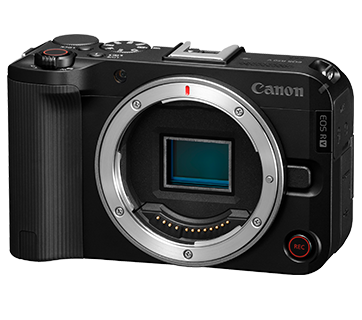

The Canon EOS R50 V and Sony A6700 are two compelling APS-C mirrorless cameras that frequently attract attention from enthusiasts and advanced hobbyists in search of a versatile and capable everyday camera. Both models target users transitioning from smartphones or entry-level gear, but their feature sets and price points appeal to slightly different audiences. Each offers modern autofocus systems, strong video capabilities, and access to extensive lens ecosystems, making them natural competitors in the mid-tier mirrorless market.
Buyers considering these cameras are typically looking for high-quality stills and video without the bulk or cost of full-frame bodies. The Canon R50 V focuses on compact design, user-friendliness, and affordability, while the Sony A6700 leans into advanced features like in-body stabilization, rugged build, and enhanced video specs. Key differentiators include image stabilization, autofocus performance, video frame rates, price, and system flexibility-making the choice a nuanced one depending on individual needs and budgets.
Specifications Comparison
Detailed Comparison
Image Quality
Both the Canon EOS R50 V and Sony A6700 sport APS-C sensors, with the Sony's chip being slightly larger (23 x 15.5 mm) compared to Canon's (22.3 x 14.9 mm). In terms of resolution, the difference is minimal-26MP for the Sony against 24MP for the Canon-which translates to fine levels of detail on both but with a slight edge in cropping flexibility for the A6700.
Sony's A6700 features a wider native ISO range, from 100-32,000 (expandable to 50-102,400), which benefits low-light shooters, whereas the Canon R50 V, while capable at moderate ISOs, doesn't match this breadth. In real-world use, the A6700's sensor offers slightly cleaner high ISO performance and more latitude for recovery in tough lighting conditions, making it a better choice for demanding light situations or RAW post-processing.
Color rendition is subjective, but Canon is often praised for its natural and pleasing skin tones, while Sony delivers excellent color accuracy with more room for in-depth customization in post-production. Both outputs are highly usable, but professionals or enthusiasts seeking the absolute best image quality from APS-C will find the Sony A6700 marginally ahead due to its sensor prowess and flexibility.
Autofocus System
Autofocus is a standout feature in both cameras, but Sony's A6700 pulls ahead with an advanced phase detection system offering 759 AF points and the company's latest AI-driven subject recognition. This translates to precise and reliable tracking for humans, animals, and even vehicles, particularly valuable for fast action or unpredictable subjects.
Canon's R50 V features a strong Dual Pixel CMOS AF system with eye detection and subject tracking, providing fast and accurate autofocus for the majority of casual photography and video situations. For typical use, it's snappy, intuitive, and sufficient for vlogging or family photography, but it's not as customizable or dense as the A6700's.
For complex scenarios-burst shooting, erratic subjects, or advanced video productions-the A6700's extra points and refined algorithms deliver more consistency and speed. For everyday use, however, Canon's system remains highly capable and approachable.
Video Capabilities
Video shooters will note that both cameras offer impressive 4K recording, but the Sony A6700 holds an edge in flexibility and high-end features. It records 4K up to 120p (with a crop at the highest frame rates), enabling smooth slow-motion and high-quality footage for advanced content creators. Additionally, its 5-stop in-body image stabilization (IBIS) ensures steadier handheld footage, particularly useful for run-and-gun videography or when using unstabilized lenses.
The Canon R50 V offers 4K at up to 60p, which is excellent for most vlogging and online content needs. However, it relies solely on digital image stabilization, which crops the image further and is less effective than IBIS in minimizing shake.
Both cameras feature fully articulating screens, but working professionals and enthusiasts will find the A6700's video-centric features like high frame rate 4K, IBIS, and robust autofocus tracking more compelling for demanding projects.
Build & Ergonomics
Canon's EOS R50 V is remarkably compact and lightweight, weighing only 370g and measuring 119 x 74 x 45 mm, making it one of the most travel-friendly APS-C bodies on the market. Its small size and intuitive layout appeal to beginners or those prioritizing portability. However, it lacks weather sealing and may feel less robust compared to premium models.
The Sony A6700 is larger (122 x 69 x 64 mm) and heavier at 493g, but compensates with a more substantial grip, weather-sealed body, and an electronic viewfinder-features appreciated by enthusiasts shooting in diverse conditions. Robust ergonomics, extensive physical controls, and an improved menu system contribute to a more customizable shooting experience.
For photographers valuing lightweight design and easy handling, the R50 V shines. For those prioritizing build quality, durability, and fieldwork versatility, the A6700 is a clear step up.
Battery & Storage
The Sony A6700 offers an impressive battery life, rated at 570 shots per charge, placing it among the best in its class for mirrorless cameras. This extended endurance is ideal for long shoots, travel, or weddings, reducing the need to carry spare batteries. In contrast, the Canon R50 V has a more modest battery life, typical for its class, often necessitating a spare for all-day shooting.
In storage options, both use standard SD cards, though neither supports dual card slots-a feature reserved for more premium/professional bodies. Real-world users will find the Sony's superior battery performance a convenient edge, especially for demanding scenarios.
Value for Money
The Canon EOS R50 V's standout advantage is affordability: at $649 USD, it delivers excellent image and video performance, a reliable autofocus system, and a user-friendly experience at less than half the A6700's $1400 USD price tag. This makes it highly attractive for beginners, casual users, or those building a system on a tight budget.
While the Sony A6700 is more expensive, it justifies its cost with advanced features-IBIS, superior AF, better battery life, and professional-grade video-making it a value proposition for demanding users or those planning to grow their skills without quickly outgrowing the camera. However, for many shooters, especially those focused on travel, vlogging, or everyday photography, the R50 V covers the essentials at a much lower cost.
If value is defined strictly by price-to-performance for most consumers, the Canon R50 V comes out ahead. If value includes advanced features needed for professional or enthusiast-grade work, the Sony A6700's price becomes easier to justify.
Lens Ecosystem
Sony's E-mount has matured into one of the most comprehensive APS-C/full-frame lens ecosystems on the market, with extensive first-party, third-party (Sigma, Tamron, etc.), and adapted lens options covering almost every application. This flexibility allows buyers to find lenses matching virtually any need or budget, increasing the system's long-term appeal.
Canon's RF-S mount is newer and, while growing, does not yet match the depth and breadth of Sony's offerings. There are key gaps in affordable or specialized lenses, though the system is expanding and some third-party manufacturers are entering the space. For most common uses, both systems offer essential focal lengths, but power users and pros will appreciate Sony's mature selection.
If maximizing lens options is crucial, Sony holds the advantage.
Our Verdict
Overall, the Sony A6700 is the winner in this head-to-head, claiming clear advantages in almost every technical category: superior image quality and low-light performance, industry-leading autofocus, advanced video features (including IBIS and 4K 120p), robust build quality with weather-sealing, class-leading battery life, and a mature lens ecosystem. It is a clear choice for enthusiasts, semi-pros, or videographers who demand reliability, flexibility, and professional features from an APS-C system. However, the Canon EOS R50 V deserves praise for its remarkable value, compactness, and user-friendliness. It's a fantastic choice for vloggers, travelers, or anyone seeking a lightweight, capable camera that covers essential functions without overwhelming complexity or cost. Ultimately, those with more demanding needs or an eye toward system growth will benefit from investing in the A6700, while price-sensitive consumers and those prioritizing portability might prefer the R50 V.
Canon EOS R50 V
Sony A6700
Also Compare
Frequently Asked Questions
Is the Sony A6700 worth the extra cost over the Canon R50 V?
If you need advanced features such as in-body stabilization, better low-light performance, longer battery life, higher frame rate video, superior autofocus, or extensive lens options, the A6700 is worth the premium. However, if those features are not priorities, the R50 V offers excellent value for basic to intermediate use.
Which camera is better for beginners?
The Canon EOS R50 V is better suited for beginners due to its simple interface, compactness, lighter weight, and affordable price. It covers versatile use cases without an intimidating learning curve.
Is the Canon R50 V good enough for 4K vlogging and social media?
Yes, the Canon R50 V delivers high-quality 4K video (up to 60p) and reliable autofocus, making it well-suited for vlogging, YouTube, live streaming, and social media creation-especially for users prioritizing mobility and ease of use.
How significant is the difference in lens selection between RF-S and E-mount?
Sony's E-mount offers a much larger selection of lenses-including both first-party and strong third-party options in all price brackets-while Canon's RF-S system is newer and more limited, though expanding. Advanced users or those planning to build an extensive kit should consider Sony's advantage here.
Which is better for travel photography?
Both cameras can excel at travel: the R50 V is lighter and more compact, making it ideal for minimalists and those with weight restrictions. The A6700 is more rugged, weather-sealed, and offers better battery life, which suits travel in challenging conditions or for extended outings.
Do either of these cameras support in-body image stabilization (IBIS)?
Only the Sony A6700 features 5-stop in-body image stabilization (IBIS). The Canon EOS R50 V offers digital-only stabilization, which is less effective and involves additional cropping in video mode.