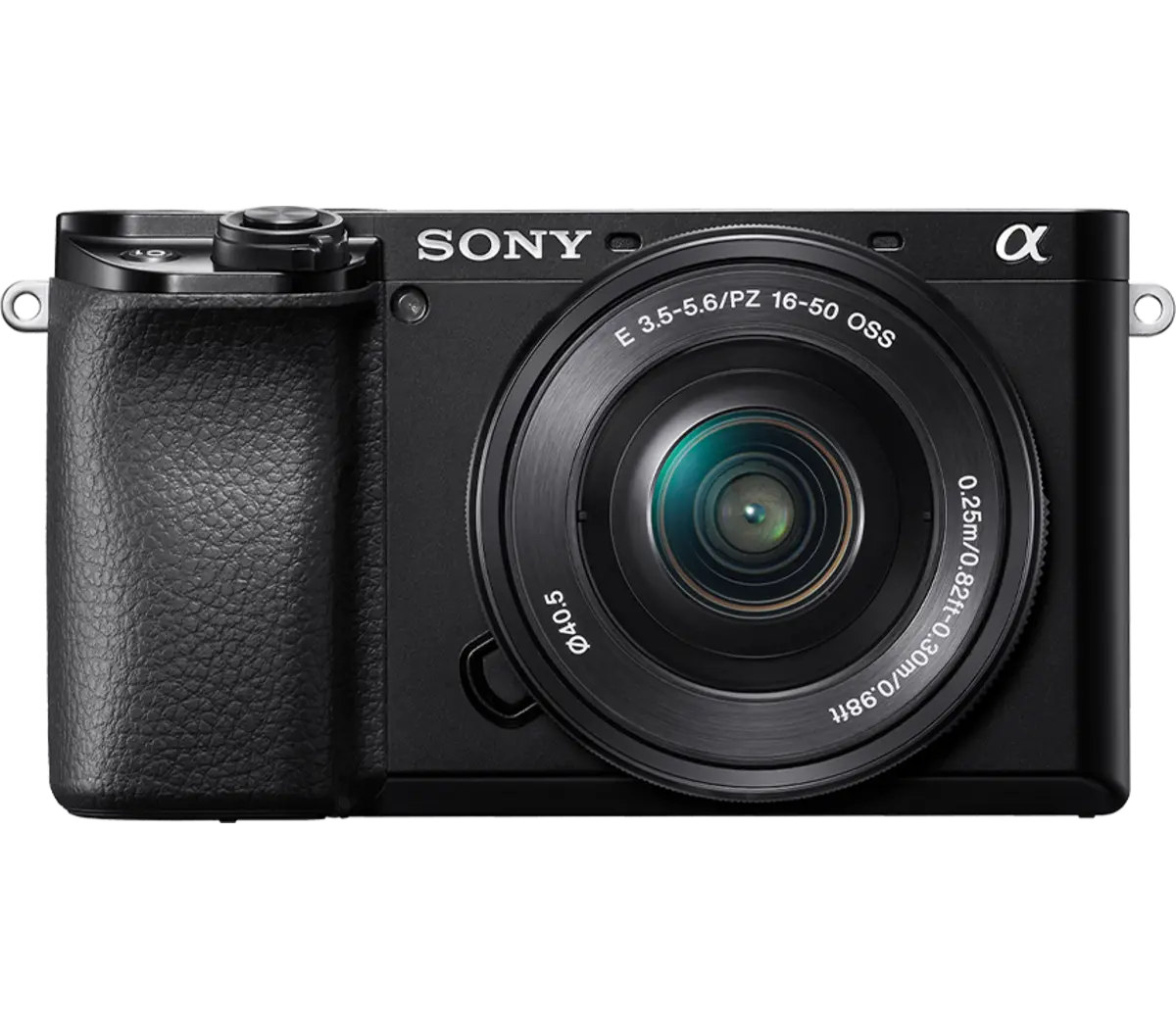

The Sony A6100 and A6700 are two popular mirrorless cameras with APS-C sensors from Sony's E-mount lineup. They cater to a range of users, from enthusiasts looking for compact options to advanced users needing high-performance specs. Commonly compared, these models offer different features that appeal to varying photography and videography needs, making it essential for potential buyers to understand their key differentiators. The A6100 is praised for its affordability and lightweight design, while the A6700 offers enhanced capabilities, including improved autofocus and video performance, making it ideal for serious content creators.
Specifications Comparison
Detailed Comparison
Image Quality
The image quality of both the Sony A6100 and A6700 is impressive, thanks to their APS-C sensors; however, the A6700 edges out the A6100 with its higher resolution of 26 megapixels compared to the A6100's 24. This extra resolution can provide greater detail in images, especially when cropping or printing. Additionally, the A6700's expanded ISO range goes down to ISO 50 and up to 102400, allowing for better performance in low-light conditions. While both cameras perform excellently up to ISO 32000, the A6700 gives users more flexibility in extreme lighting situations.
That said, the A6100 still produces fantastic images with vibrant colors and sharp details, particularly for everyday photography. The difference in image quality, although noticeable in certain conditions, may not be impactful for casual users. Nonetheless, the A6700's enhancements make it better suited for professional use and high-quality prints.
Autofocus System
Autofocus is crucial for both photography and videography, and here, the A6700 significantly outperforms the A6100 with its 759 autofocus points compared to the A6100's 425 points. This advanced autofocus system allows for much quicker and more accurate focusing, especially in dynamic scenes and while tracking fast-moving subjects. The A6700 also features enhanced subject tracking and real-time eye autofocus, which can make a notable difference in portrait and wildlife photography.
While the A6100's autofocus system is still robust and provides good performance for general use, it lacks the advanced features and coverage found in the A6700. For users who prioritize fast and reliable autofocusing - such as sports and wildlife photographers - the A6700's superior system will be more beneficial.
Video Capabilities
The video capabilities of the A6700 position it as a better option for filmmakers and content creators, offering 4K recording at up to 120 fps, compared to the A6100's limit of 4K at 30 fps. The higher frame rate on the A6700 allows for impressive slow-motion footage, which is attractive for dynamic video projects. Additionally, the A6700 supports more advanced video features, such as 10-bit 4:2:2 internal recording, which provides greater color depth and improved post-production flexibility.
On the other hand, while the A6100 does have solid video performance at 30p, it may not meet the demands of serious videographers who require higher frame rates and better color grading options. Thus, for those focusing on creating high-quality video content, the A6700 presents a clear advantage.
Build & Ergonomics
When it comes to build quality, the A6700 showcases improvements with weather sealing and a slightly sturdier build, which can be advantageous for outdoor photography under various conditions. Its construct quality feels premium, while the A6100 is more lightweight and compact, making it a great option for travel and casual use, but it lacks weather resistance. Both cameras have an electronic viewfinder and a 3-inch screen, but the A6700's screen offers a higher resolution of 1,036,800 dots compared to the A6100's 921,600 dots, providing clearer visibility during shooting.
Comfort and ergonomics are also slightly enhanced in the A6700, with a more refined grip that offers better handling during prolonged use. This can be particularly important for users involved in extensive shooting or videography sessions.
Battery & Storage
Battery life is another key aspect where the A6100 has a small advantage, rated at 420 shots per charge compared to the A6700's 570 shots. This extended battery life on the A6700 is beneficial for users who expect to shoot for longer periods without frequent charging. Both cameras use the same type of Sony NP-FW50 battery, but the A6700's optimization allows it to capture more images before needing a swap. In terms of storage, both cameras support dual card slots, enhancing their usability for both photographers and videographers who require efficient workflow options.
However, while the A6100 may allow for a more budget-friendly choice in terms of days spent shooting without recharge, the A6700 delivers greater value in terms of longevity during a single shooting session, which could be critical in professional settings.
Value for Money
Price is a significant differentiating factor, with the A6100 being available at approximately $750, while the A6700 comes in at around $1400. The A6100 offers a great entry point into the mirrorless camera world, particularly for beginners or enthusiasts who need a capable yet affordable camera without advanced features. For many, the A6100 can fulfill their photography needs without overspending.
Conversely, the A6700, priced at a premium, offers advanced features and capabilities that justify the higher cost for serious photographers and filmmakers. For those who can take full advantage of its enhanced features, the cost may be worthwhile. In summary, the A6100 represents exceptional value, while the A6700 aims at a niche market willing to invest more for high performance.
Our Verdict
Overall, the Sony A6700 stands out as the superior choice for users prioritizing advanced features, particularly in autofocus and video capabilities. It is ideal for serious content creators and professionals who will fully utilize its capabilities. In contrast, the A6100 offers excellent value for beginner and enthusiast photographers who need a reliable and high-quality camera without the advanced features, thereby making it a great option for those just starting or on a budget.
Sony A6100
Sony A6700
Also Compare
Frequently Asked Questions
Which camera should I choose for video work?
Choose the Sony A6700 if you need advanced video capabilities like 4K 120p and superior autofocus for tracking subjects. The A6100, while adequate for casual videography, does not have the same level of performance.
Is the A6100 suitable for low-light photography?
The A6100 performs well in low-light situations due to its decent ISO range, but for the best low-light performance, you should consider the A6700, which offers improved ISO capabilities and higher resolution.
How important is weather sealing?
Weather sealing is critical for photographers shooting outdoors in variable conditions. The A6700's weather-resistant build provides added peace of mind, while the A6100 does not offer this feature.
What is the main differentiator for wildlife photographers?
The main differentiator is the autofocus system; the A6700's 759 autofocus points and advanced tracking capabilities make it more effective for capturing fast-moving wildlife scenes compared to the A6100.
How do the two cameras compare in terms of size and weight?
The A6100 is lighter and more compact, making it ideal for travel, while the A6700 is slightly heavier and bulkier but offers a more robust grip and substantial build quality.