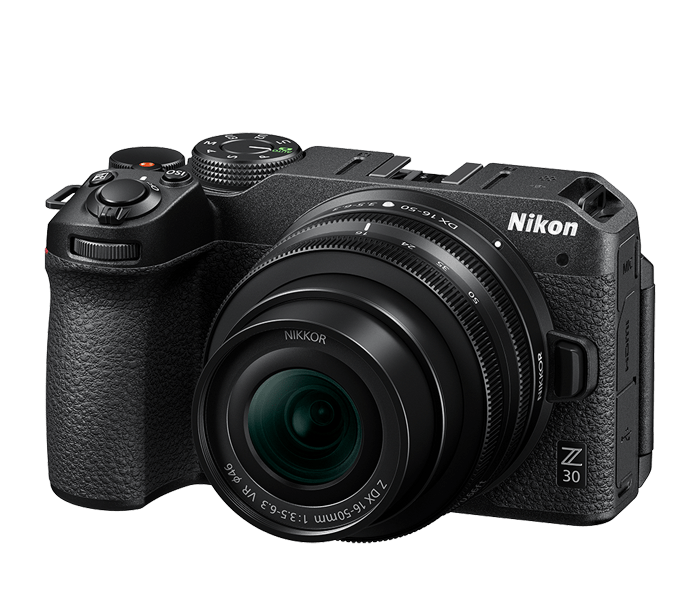
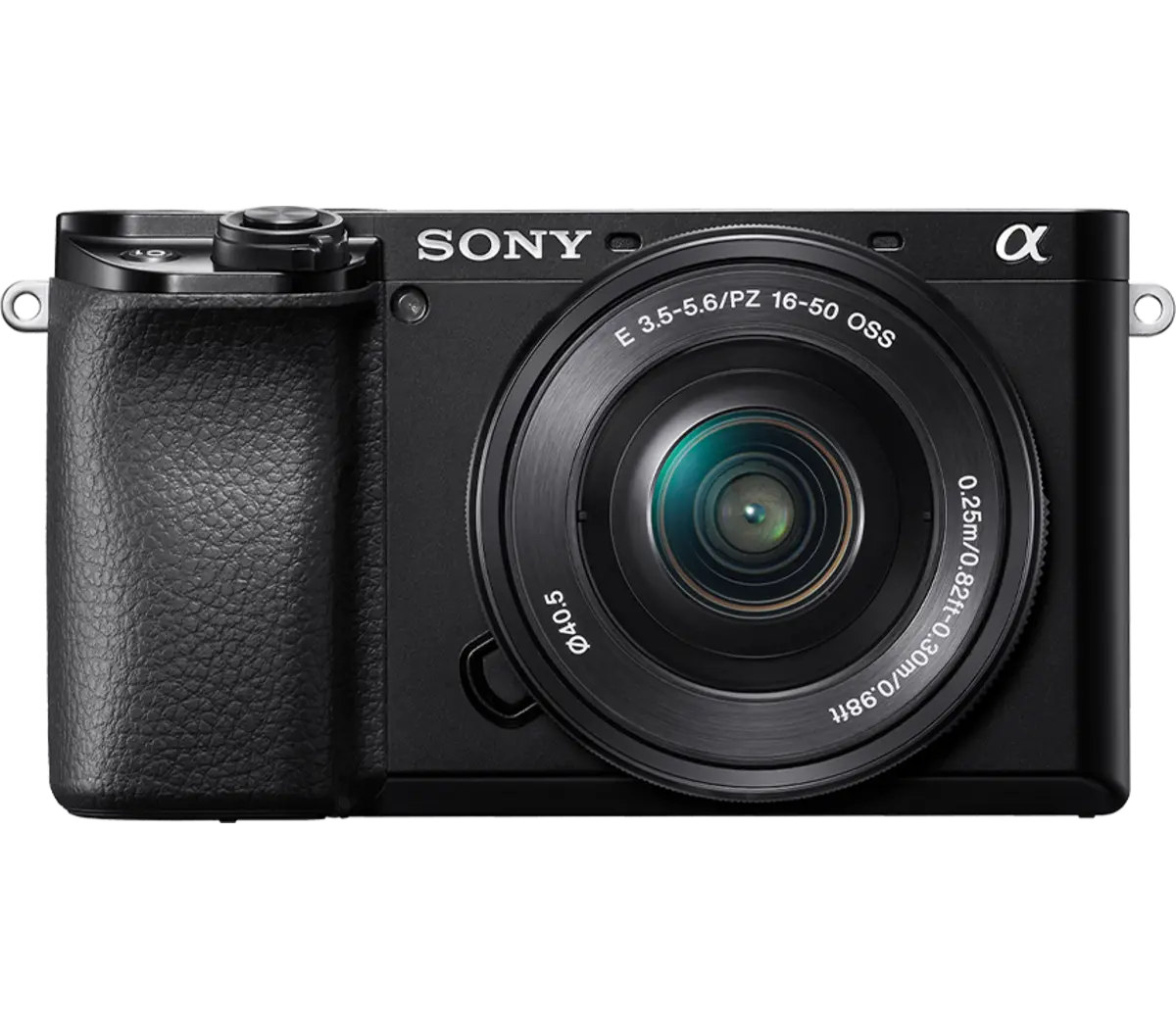
The Nikon Z30 and Sony A6100 are two popular choices among entry-level mirrorless cameras, attracting both photography enthusiasts and vloggers looking for compact but powerful options. Each camera has unique strengths that cater to different types of users, making them common contenders for buyers seeking to choose between them. The key differentiators lie in their autofocus systems, image quality, and overall ergonomics, which could significantly impact a buyer's decision based on their specific needs.
Specifications Comparison
Detailed Comparison
Image Quality
When evaluating image quality, sensor performance is pivotal, and both cameras feature APS-C sensors, although the Nikon Z30 boasts 21 megapixels compared to the Sony A6100's 24 megapixels. The Sony's higher pixel count could theoretically deliver more detail, especially in cropping situations. Moreover, the Sony A6100 has an ISO range extending up to 51,200, while the Nikon Z30 pushes beyond that to a remarkable 204,800 (though real-world usability at such high ISO levels may be limited). Both cameras perform well at lower ISO levels but may exhibit noise as ISO increases. In practical usage, many users report that the color rendition from both brands holds up well under different lighting conditions, so personal preference may play a significant role in choosing the better camera for images.
Autofocus System
The autofocus capabilities of a camera are crucial for capturing fast-moving subjects, and here, the Sony A6100 takes a notable lead with its 425 phase-detection autofocus points compared to the Nikon Z30's 209 points. This extensive autofocus system allows for faster and more accurate tracking of moving subjects, which is especially beneficial for sports and wildlife photography. The A6100 also features Real-Time Eye AF for humans and animals, enhancing its ability to keep the subject in focus within a frame. The Nikon Z30, while capable, simply does not match the precision and versatility offered by Sony's autofocus technology, especially in dynamic shooting situations.
Video Capabilities
Both cameras are capable of recording 4K video at 30 frames per second, making them suitable for videography enthusiasts. However, the A6100 supports 4K with full pixel readout, which generally results in better detail and less moiré in video than the Z30's approach. Additionally, the Sony A6100 has a wider range of video features, including enhanced focus modes for video shooting. Both cameras lack in-body stabilization, which can make handheld shooting tricky, particularly for longer recordings without additional stabilization gear. For vloggers, this could be a consideration as stabilization is crucial for smooth footage. Overall, when it comes to video quality, the A6100 appears to better serve those looking for advanced video features.
Build & Ergonomics
Build quality can significantly influence user experience and comfort, especially during long shooting sessions. The Nikon Z30 is robust with weather sealing, which can be a deciding factor for those shooting outdoors in challenging conditions. In contrast, the Sony A6100, while well-constructed, lacks weather sealing and is marginally smaller and lighter, weighing 396g compared to the Z30's 405g. Both cameras have a similar screen size of 3 inches, though the A6100's screen has a slightly lower resolution. In terms of user interface, both models provide good ergonomics; however, some users prefer the layout and handling of Nikon models for their grip and button placement, which can feel more comfortable for extended use.
Battery & Storage
Battery life is an essential component for photographers taking longer sessions or on extended trips. The Sony A6100 scores well here with a battery life of approximately 420 shots, outlasting the Nikon Z30's 330 shots. Additionally, both cameras utilize a single SD card, with the A6100 supporting UHS-I speeds, which may offer benefits in terms of writing speed with the right card. This difference may not be substantial for everyday use but could impact those who require rapid-fire image captures or extensive video recording. Thus, in terms of endurance for longer shoots without frequent recharging, the A6100 is a better choice.
Value for Money
Considering the price point, the Nikon Z30 is listed at approximately $710, while the Sony A6100 is priced slightly higher at $750. The added cost of the A6100 can be justified by its superior autofocus capabilities, slightly better image quality, and longer battery life, making it a more versatile option for many users. However, for those who prioritize a weather-sealed body and are less reliant on advanced autofocus features, the Z30 offers commendable value. As indicated by their specifications and real-world performance, buyers should carefully consider which features align more closely with their personal shooting requirements when evaluating value. Considering cost against benefits, both cameras offer a reasonable proposition, but the A6100 provides broader appeal in certain photography scenarios.
Our Verdict
In overall comparison, the Sony A6100 emerges as the winner, with strengths in autofocus performance and video capabilities, making it the preferred choice for dynamic shooting scenarios. However, for those who may favor a rugged build with weather sealing and are less concerned about the most advanced features, the Nikon Z30 presents a compelling alternative, especially for outdoor photography. Ultimately, the choice between these two models boils down to specific needs and shooting preferences, ensuring that buyers consider how each camera's characteristics align with their photographic pursuits.
Nikon Z30
Sony A6100
Also Compare
Frequently Asked Questions
Which camera is better for beginners?
Both cameras are user-friendly, but the Nikon Z30 may have a slight edge with its intuitive interface and weather sealing, making it forgiving in various outdoor conditions.
Is the image quality significantly different between the two models?
While the A6100 has a slight advantage in megapixels, both models deliver excellent image quality; ultimately, personal preference on color rendition may play a larger role than the pixel count.
How do the video features compare?
The Sony A6100 offers better video quality due to its full pixel readout and enhanced autofocus features, making it more suitable for serious videographers compared to the Z30.
What aspects should I consider for travel photography?
If durability and weather resistance are important to you, the Nikon Z30 may be more suitable. Conversely, if autofocus accuracy and battery life are more critical, the Sony A6100 may be the preferred choice.
Are there lens options available for both cameras?
Yes, both Nikon and Sony have an extensive range of lenses for their respective mounts, though the overall ecosystem for Sony lenses is broader due to their longer presence in the mirrorless market.