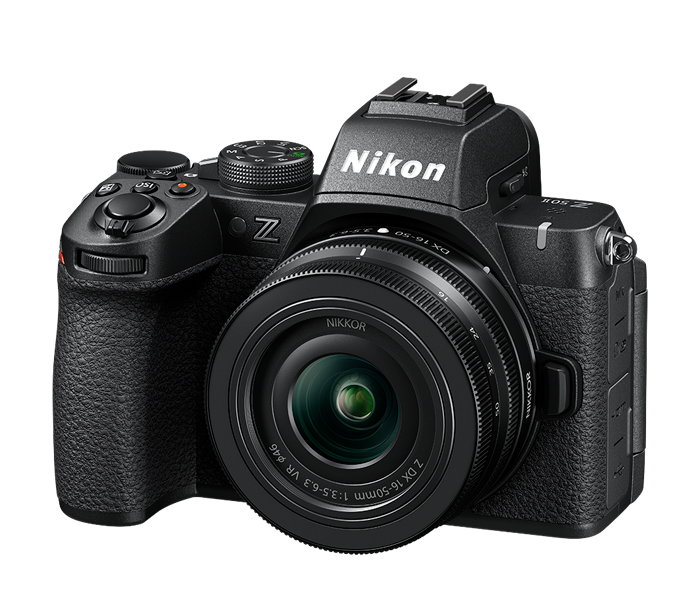
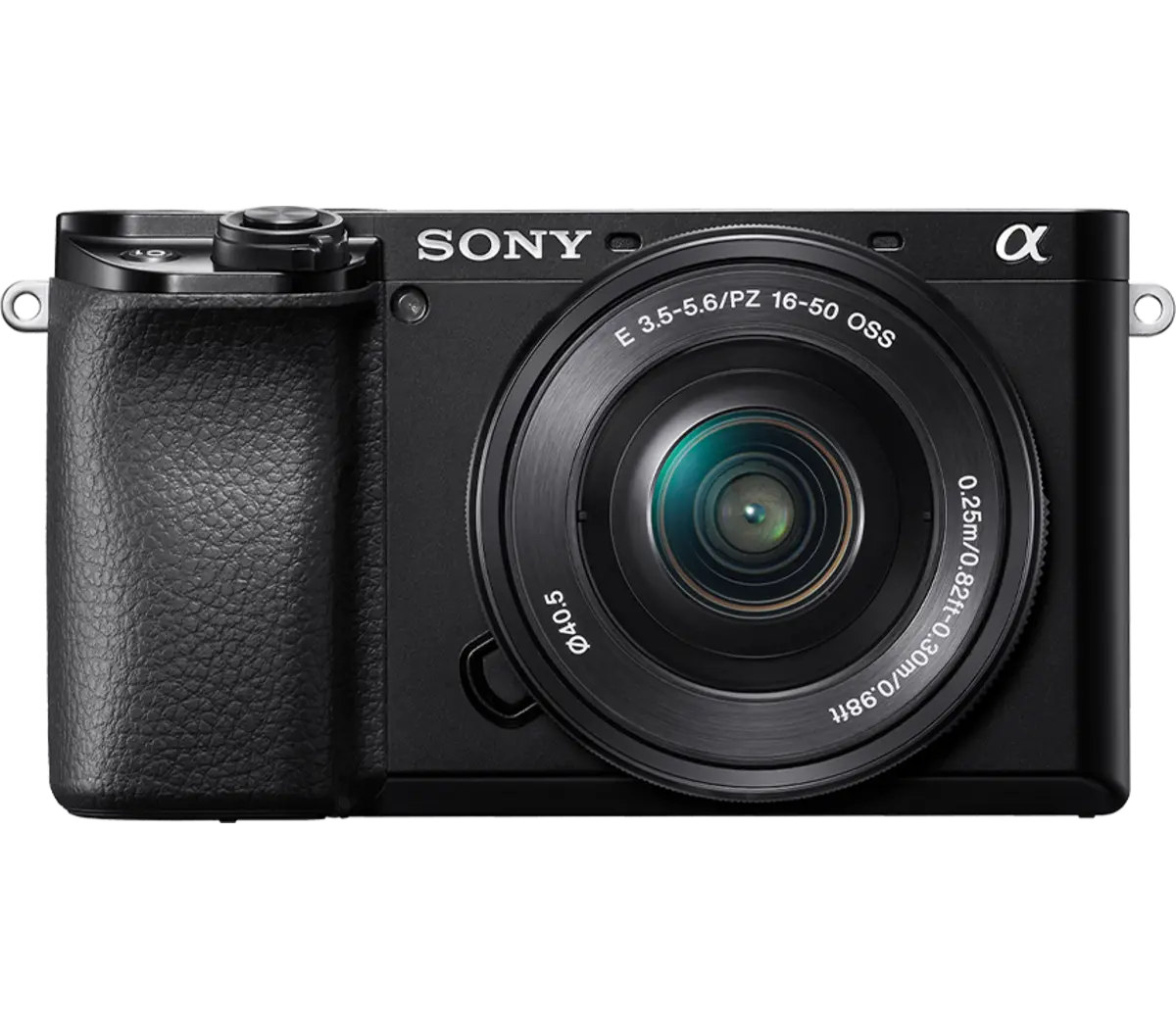
The Nikon Z50II and the Sony A6100 are both standout mirrorless cameras in the APS-C category, often compared by both beginner and intermediate photographers seeking versatile and compact systems. These two models cater to enthusiasts looking for high-quality images and excellent performance in a lightweight package. With various features that appeal to different types of photography, the key differentiators lie in their image quality, autofocus capabilities, video features, and overall user experience. Understanding these differences is crucial for potential buyers deciding which camera fits their unique photographic needs.
Specifications Comparison
Detailed Comparison
Image Quality
The Nikon Z50II features a 21-megapixel APS-C sensor, while the Sony A6100 offers a slightly higher resolution with a 24-megapixel sensor. This difference in megapixels can contribute to more detailed images, especially when cropping. Additionally, the Z50II has an expansive ISO range of 100-51200, which can be boosted to 204800, providing more versatility in low-light situations compared to the A6100, which offers a maximum ISO of 51200. Although this may give the Z50II a theoretical edge in low-light performance, real-world usage suggests that images from both cameras show minimal noise at moderate ISO levels.
Furthermore, the overall image quality can be influenced by lens choices and post-processing capabilities. Nikon's Z mount provides access to high-quality glass, while Sony's E mount also features a wide selection of excellent lenses. Evaluating the actual image output can prove subjective, as it often depends on personal preference in color science and dynamic range, where both brands excel respectively.
In conclusion, while the A6100 has a slight advantage in megapixels, the Z50II's extensive ISO range offers significant low-light capabilities. Therefore, for users prioritizing high-resolution image capturing, the Sony A6100 is better; however, for those who often work in challenging lighting conditions, the Nikon Z50II may be more favorable.
Autofocus System
The autofocus systems of both cameras are robust but cater to different needs. The Nikon Z50II is equipped with 231 autofocus points, which provide decent coverage and performance, especially for still photos. However, the Sony A6100 outshines the Z50II in this department with an impressive 425 autofocus points, ensuring greater accuracy and faster focus acquisition. This is particularly beneficial for action shots and fast-moving subjects.
Moreover, the A6100 features Real-Time Eye AF for both humans and animals, which is an excellent choice for portrait photographers and wildlife enthusiasts. On the other hand, while the Z50II includes eye detection, its performance may not match that of the Sony in fast-paced situations, which can be an integral factor for users working in dynamic environments.
Overall, the A6100 demonstrates superior autofocus capabilities, making it more suitable for those who require rapid focus tracking, while the Z50II still offers reliable autofocus for more general usage. Therefore, in the realm of autofocus precision and performance, the winner is clear.
Video Capabilities
When it comes to video performance, the Sony A6100 has a notable advantage over the Nikon Z50II. The A6100 can record in 4K at 30 frames per second, offering higher resolution video capabilities that cater to content creators looking for quality video output. In contrast, the Nikon Z50II lacks specific video resolution specifications in the provided information which limits its comparison.
Additionally, the A6100 supports features such as autofocus during video recording, making contextually critical decisions easier for videographers. It also offers S-Log capabilities, allowing for better post-production flexibility in color grading. While the Z50II is likely capable of recording video efficiently, the lack of provided resolutions and advanced video features places it at a disadvantage for video-centric users.
For users primarily focused on video content creation, the clear preference would lean towards the A6100. Thus, given the importance of video capabilities in today's content-driven landscape, the A6100 takes the lead in this category.
Build & Ergonomics
In terms of build quality, the Nikon Z50II features weather sealing, which adds a layer of protection against the elements, making it a better choice for photographers who often shoot outdoors in various weather conditions. The solid feel and design cater well to those who prefer a more rugged experience with their photography gear. It has a slightly larger size and weight due to its design, weighing in at 550g, which might be a factor for some users.
In contrast, the Sony A6100 is more compact and lightweight at 396g, making it an excellent option for those who prioritize portability. Its dimensions also contribute to a smaller footprint, which can be advantageous when traveling. However, the A6100 does not offer weather sealing, which makes it less suited to severe weather conditions.
The choice between these two in terms of ergonomics and build quality heavily depends on the user's shooting scenarios. For users prioritizing durability in various conditions, the Nikon Z50II takes the lead. However, for those who want a lightweight and compact camera for travel or everyday carry, the Sony A6100 is superior.
Battery & Storage
Battery performance is another critical aspect where the Sony A6100 excels, offering a battery life of approximately 420 shots, compared to the Nikon Z50II's 250 shots. This significant difference makes the A6100 a more reliable choice for extended shooting sessions, such as events or travel, where charging opportunities may be limited.
Both models support SD cards for storage, but the A6100 supports UHS-I speed, which may help in faster writing speeds during high-speed shooting or video recording. Although both cameras are generally suited for casual photography, the long battery life of the A6100 makes it particularly appealing for users needing reliability on the go.
Taking battery life into account, the A6100 clearly provides a significant advantage. Users who find themselves frequently on the field or engaged in long shoots should consider this factor seriously before making their decision.
Value for Money
The Nikon Z50II is positioned as a new entry in the market with a back-to-back release in 2024, offering numerous enhancements such as weather sealing. However, it does not come with a price point listed, making it challenging to directly compare value with the A6100, which is priced at around $750. Given the A6100's established presence, features, and price, it allows users to weigh their choices better.
Both cameras, while offering similar features, occupy different market sentiments. The Z50II's newness may attract users looking for the latest technology, while the A6100 represents a proven workhorse in the APS-C market with significant discounts often available due to its age.
In considering value for money, if the price point of the Z50II supports its advanced features relative to established models like the A6100, it could be a strong competitor. However, the A6100 provides solid value at its current price, making it a practical choice for users on a specific budget.
Our Verdict
The Sony A6100 distinguishes itself as the overall winner when considering its strengths in autofocus capabilities, video performance, and battery life, making it an ideal choice for those focused on both photography and video content creation. Although the Nikon Z50II offers compelling features such as weather sealing, a wider ISO range, and a solid build, it does not quite match the comprehensive performance levels provided by the A6100. Therefore, those looking for a balanced mirrorless camera experience with an emphasis on versatility in both stills and video will find the A6100 to be the superior investment.
Nikon Z50II
Sony A6100
Also Compare
Frequently Asked Questions
Which camera is better for low-light photography?
The Nikon Z50II has a wider ISO range, which can be advantageous for low-light situations, making it the better choice if you prioritize shooting in challenging lighting.
How does the autofocus system compare?
The Sony A6100 features 425 autofocus points and advanced eye tracking capabilities, while the Nikon Z50II has 231 points, making the A6100 superior for fast-moving subjects.
What are the video capabilities of each camera?
The Sony A6100 can record 4K video at 30p, making it more suitable for videographers, while the Nikon Z50II's video capabilities are not detailed and likely less advanced.
Which camera is easier to carry?
The Sony A6100 is lighter and more compact, making it easier to carry around for extended periods compared to the slightly heavier and larger Nikon Z50II.
Is weather sealing important?
If you plan to shoot outdoors often, weather sealing on the Nikon Z50II may provide peace of mind and added durability under different conditions.