
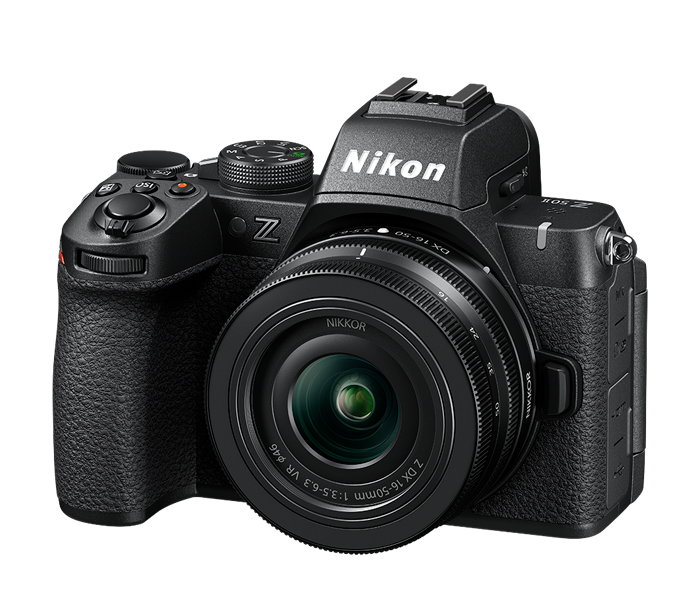
The Fujifilm X-H2S and the Nikon Z50II are two notable mirrorless cameras in the APS-C segment, appealing to both amateur and professional photographers. Their comparative features have drawn attention from users who may be deciding between high-speed performance and advanced video capabilities or a compact design with a more accessible price point. While both cameras boast impressive specifications, understanding their key differentiators is essential for users based on their specific needs, whether it's for photography, videography, or a blend of both.
Specifications Comparison
Detailed Comparison
Image Quality
Image quality is a significant consideration for both these cameras. The Fujifilm X-H2S features a 26MP sensor that allows for greater detail and dynamic range, making it particularly suitable for landscape and portrait photography where clarity is crucial. In contrast, the Nikon Z50II, with its 21MP sensor, may garner slightly less detail, but its expanded ISO range (up to 204800) allows for impressive low-light performance under varying conditions. This versatility in the ISO capability makes it a strong contender for users often shooting in dim environments.
Additionally, the Fujifilm sensor benefits from the brand's renowned color science, producing vibrant and true-to-life colors that many photographers favor. On the other hand, the Nikon tends to produce images with slightly different color tones which may appeal to users who prefer different aesthetic outcomes in their photographs. Overall, while both cameras offer solid performance, the slight edge in resolution and color science goes to the Fujifilm X-H2S, making it the winner in this category.
Autofocus System
The autofocus system in a camera is vital for capturing fast-moving subjects, and here the Fujifilm X-H2S once again stands out significantly with its 425 autofocus points, compared to the Nikon Z50II's 231 points. This advantage translates into faster and more accurate focusing, especially beneficial for sports and wildlife photography. The X-H2S's advanced face and eye detection also provide reliable tracking for portraits and dynamic shoots.
Though the Z50II's autofocus system is competent for general photography, it may fall short when precision is required in dynamic environments. As users increasingly look to capture quick moments without hesitation, the enhanced focus capabilities of the X-H2S can make a tangible difference. Thus, the Fuji takes this category decisively.
Video Capabilities
When examining video capabilities, the Fujifilm X-H2S offers superior features, pushing the envelope with 4K video recording at 60fps. This positions it well for users who plan to engage in serious video production or require high-resolution video with frame rate flexibility. Additionally, the X-H2S benefits from in-body stabilization (7 stops), which is indispensable in ensuring smooth footage, especially when shooting handheld.
In contrast, the Nikon Z50II, while capable of shooting high-quality 4K video, lacks built-in stabilization, which may limit its effectiveness for more dynamic shooting scenarios. Users wanting to capture action or movement may find this particularly pertinent. Consequently, for those prioritizing video performance, the Fujifilm will likely be the preferred choice.
Build & Ergonomics
In terms of build quality and ergonomics, both cameras offer weather sealing, providing peace of mind for outdoor photographers. However, the overall weight and dimensions distinguish them; the Fujifilm X-H2S is somewhat bulkier at 660g and larger dimensions, which may suit users who prefer a more robust feel in hand. The Nikon Z50II, at 550g and slightly more compact, may attract users who prioritize portability and ease of handling.
Additionally, the Fujifilm's control layout and dials cater well to experienced users who favor manual adjustments, while the Nikon's interface could be more intuitive for entry-level users. Therefore, while build quality is solid across both, the choice boils down to user preference regarding size and ease of use.
Battery & Storage
Battery life is an important factor for any photographer or videographer, and here the Fujifilm X-H2S takes the lead with a remarkable battery life of 580 shots, compared to the Nikon Z50II's 250 shots. This difference provides the X-H2S with a clear advantage for long shoots, particularly in professional environments where changing batteries frequently can lead to missed moments.
Storage options are similar, with both cameras supporting standard SD cards; however, the X-H2S includes dual card slots, allowing for greater storage flexibility and backup options. This can be highly beneficial during extended shoots or when working with high-quality video content. Overall, in terms of endurance and performance, the Fujifilm X-H2S emerges as the clear victor.
Value for Money
The pricing strategy sets these two options apart significantly. The Fujifilm X-H2S is priced at $2499, which positions it as a premium option with features that justify its costs - especially for serious enthusiasts and professionals requiring high performance in photography and videography. Conversely, the Nikon Z50II is generally considered more budget-friendly, appealing to novice photographers or those who might be looking to venture into mirrorless technology without a substantial investment.
While the X-H2S provides advanced features that may be worth the higher price point, prospective buyers should consider their specific needs. If users are advanced or need performance in specific scenarios, the investment in the X-H2S might be warranted, whereas users just entering the field might find the Z50II represents better value at its lower price. Ultimately, this comparison highlights the importance of understanding personal requirements relative to budget, putting the decision at a subjective level.
Our Verdict
Overall, the Fujifilm X-H2S prevails as the winner in this comparison, largely due to its superior image quality, fast autofocus system, exceptional video capabilities, and extended battery life. For professional users or serious enthusiasts, the investment in the X-H2S could enhance their shooting experience. Conversely, the Nikon Z50II, while a compelling choice with its affordability and decent features, primarily benefits novice photographers or those seeking a more compact camera. Each has its strengths, thereby reinforcing the importance of aligning a camera purchase with user intent and requirements.
Fujifilm X-H2S
Nikon Z50II
Also Compare
Frequently Asked Questions
What type of photography is each camera best suited for?
The Fujifilm X-H2S is ideal for action, travel, and professional photography due to its faster autofocus and higher resolution, while the Nikon Z50II suits casual photography and beginners who appreciate a more user-friendly interface.
Is the Fujifilm X-H2S worth the extra cost?
If you require advanced features such as high frame-rate video, extensive autofocus points, and enhanced image quality for serious work, the Fujifilm X-H2S is certainly worth the investment.
How do the lenses differ between the two systems?
Fujifilm offers a widespread selection of high-quality lenses designed specifically for its X mount, often praised for their optical quality. Nikon's Z mount also features a growing range of lenses but may not yet match the breadth and specialty of the Fujifilm offerings.
Can the Nikon Z50II handle demanding video work?
While capable of recording 4K video, the lack of in-body stabilization limits its performance for demanding videography compared to the Fujifilm X-H2S.
Which camera is more suitable for low-light conditions?
Both cameras perform well in low light, but the Nikon Z50II has a higher ISO range, making it particularly effective for high-ISO shooting.