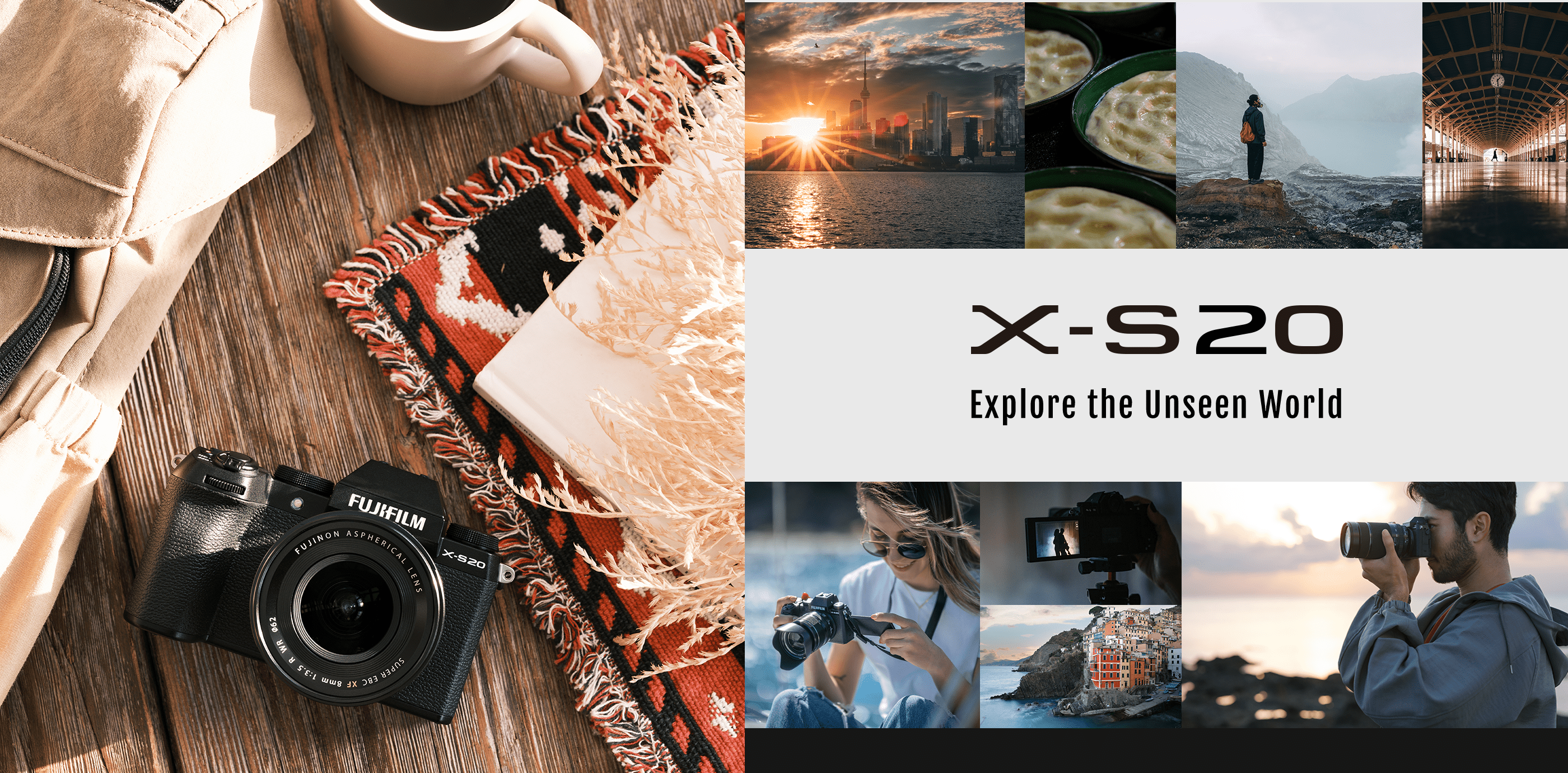
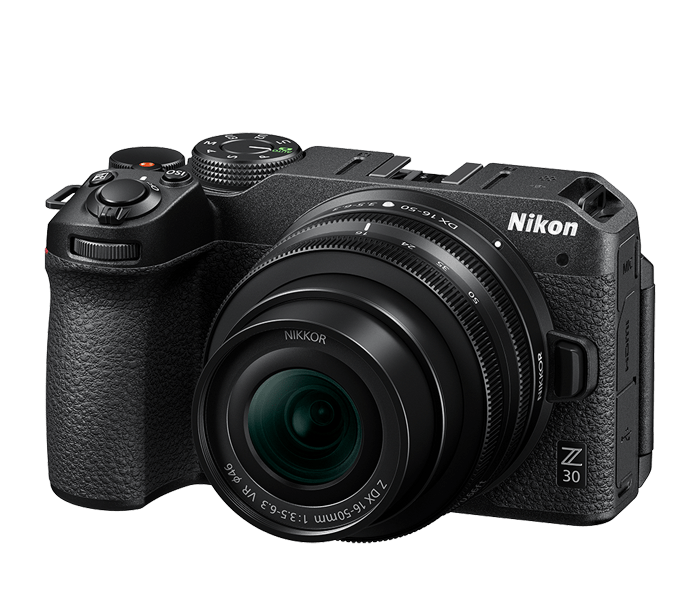
The Fujifilm X-S20 and Nikon Z30 are two appealing options for aspiring photographers and videographers, particularly in the compact mirrorless camera category. Each model is designed to offer a lightweight, versatile shooting experience, making them compelling choices for travel, vlogging, and everyday photography. The X-S20, released in 2023, brings a host of modern features, while the Z30, launched in 2022, targets those who appreciate a more budget-friendly option without sacrificing performance. Shoppers may find themselves choosing between these two models based on their specific needs in image quality, autofocus capabilities, video performance, and overall usability.
Specifications Comparison
Detailed Comparison
Image Quality
In terms of image quality, the Fujifilm X-S20 features a 26-megapixel APS-C sensor, which allows for more detailed and sharper images compared to the Nikon Z30's 21-megapixel sensor. The X-S20 also has a wider ISO range of 160-12800, which can be expanded to 80-51200, providing better performance in low-light situations. On the other hand, the Z30's ISO range starts at 100 and can reach up to 51200, making it functional for dim environments but not as versatile as the X-S20. Moreover, the X-S20 is known for Fujifilm's renowned Film Simulation modes, giving users creative control over how their images are rendered directly in-camera. The Z30, while it offers good color reproduction, lacks the extensive creative modes found in the X-S20. When it comes to dynamic range, the X-S20 also has the edge in retaining highlight and shadow details, making it better suited for high-contrast environments. Overall, the Fujifilm X-S20 provides superior image quality capabilities, especially in diverse shooting conditions.
Autofocus System
The autofocus systems of both cameras are designed for different user experiences. The Fujifilm X-S20 utilizes a robust 425-point phase detection autofocus system, which yields fast and accurate focusing across a wide area of the frame. This is particularly useful in dynamic environments where tracking moving subjects is necessary. This extensive number of autofocus points gives the X-S20 a significant advantage in shooting scenarios such as sports or wildlife photography. Conversely, the Nikon Z30 features a 209-point autofocus system, which, while adequate for most photography styles, may not track fast-moving subjects as effectively as the X-S20. The Z30's autofocus performance is acceptable for casual shooting, but professionals or enthusiasts may find it lacking during critical moments. Consequently, for users prioritizing action shots or versatility in autofocus performance, the Fujifilm X-S20 clearly shines as the better choice. Its advanced autofocus capabilities give photographers confidence that they can capture the decisive moment without missing focus.
Video Capabilities
When it comes to video capabilities, the choice is more in favor of the Fujifilm X-S20, which supports 4K video recording at up to 60 frames per second. This high frame rate offers better options for smooth footage and is ideal for creators who want flexibility in post-production. Also, the impressive stabilization of 7 stops in the X-S20 enhances handheld shooting, making it more suitable for dynamic vlogging or action shots. In comparison, the Nikon Z30 records 4K video at a maximum of 30 fps, which is decent for general video projects but limits options for slow-motion effects and high-paced action. Furthermore, the lack of in-body stabilization can lead to shaky footage, especially for handheld operation, making the X-S20 the better choice for videographers. Ultimately, for users focused on high-quality video production, the Fujifilm X-S20 stands out as the superior option, offering specifications that allow for more creative expression and flexibility.
Build & Ergonomics
In terms of build quality, the Nikon Z30 offers weather-sealing, making it a more robust choice for outdoor photographers who may encounter various weather conditions. Its compactness and lighter weight of 405 grams also make it more portable for travel and everyday shooting compared to the Fujifilm X-S20, which weighs 491 grams. The smaller dimensions of the Z30 can be an advantage for shooters looking for a lightweight setup. However, the Fujifilm X-S20 boasts an electronic viewfinder, which many photographers prefer for composing shots in bright conditions or settings where LCD screens might be difficult to use. The Z30 lacks a viewfinder entirely, relying solely on its LCD screen for framing shots, which can be a drawback for some users. While the Z30's weather-sealing is an intriguing advantage, the professional nature of the X-S20's additional features may appeal to more serious enthusiasts looking for comprehensive shooting options.
Battery & Storage
Battery life is a crucial factor for many photographers, and the Fujifilm X-S20 leads in this aspect with a life of approximately 750 shots per charge. In contrast, the Nikon Z30 offers a battery life of around 330 shots. For photographers who spend long hours outdoors or on shoots, the extended battery life of the X-S20 is a significant advantage. Both cameras utilize SD card storage, though it's worth noting that the X-S20 supports dual card slots as opposed to the single-slot configuration of the Z30. This dual-slot option allows for more extensive storage capabilities and better backup options, which can be essential for professional work. Thus, for photographers needing longer battery life and more storage flexibility, the Fujifilm X-S20 is the clear winner in this category.
Value for Money
In terms of price, the Nikon Z30 is far more budget-friendly at $710, compared to the Fujifilm X-S20's price of $1299. For entry-level photographers or those on a strict budget, the affordability of the Z30 may make it an attractive choice, offering decent performance and capabilities without a significant financial commitment. However, given the plethora of advanced features packed into the X-S20, including superior image quality, better autofocus, enhanced video capabilities, and longer battery life, many photographers may find the extra investment justifiable, especially if they plan to use the camera extensively. It becomes a matter of how much the higher performance and features are worth to the user's specific photographic needs. Ultimately, while the Z30 may appeal to those looking for an economically viable option, those seeking advanced functionality tailored to photography and videography may find the Fujifilm X-S20 worth every penny.
Our Verdict
The Fujifilm X-S20 emerges as the overall winner in this comparison, thanks to its superior image quality, advanced autofocus system, and robust video capabilities, making it a versatile choice for both photography and videography. While the Nikon Z30 offers a more accessible price point and weather-sealing features, the X-S20's extensive features cater better to serious enthusiasts and professionals who require higher performance. For users who prioritize portability and budget, the Z30 remains a commendable option, but for those aiming for excellence and versatility, the Fujifilm X-S20 is the clear choice.
Fujifilm X-S20
Nikon Z30
Also Compare
Frequently Asked Questions
Which camera has better low-light performance?
The Fujifilm X-S20 has a wider ISO range, expanding from 160-12800 (and up to 80-51200), which provides better low-light performance and detail retention compared to the Nikon Z30's maximum of 51200.
Is the Nikon Z30 suitable for vlogging?
Yes, the Nikon Z30 is designed with vloggers in mind and includes features like a flip-out screen; however, it lacks stabilization and has a lower max video frame rate compared to the X-S20.
How does battery life compare between the two cameras?
The Fujifilm X-S20 offers significantly better battery life at around 750 shots per charge, compared to the Z30's 330 shots, making the X-S20 a better option for extended shooting sessions.
Which camera has better autofocus performance?
The Fujifilm X-S20 has 425 autofocus points, providing a more responsive and accurate focusing system compared to the Nikon Z30 with only 209 autofocus points.
Is the viewfinder important for composition?
Yes, the Fujifilm X-S20 features an electronic viewfinder, which is beneficial for composing shots in bright conditions, whereas the Nikon Z30 does not have a viewfinder, relying solely on its LCD screen.