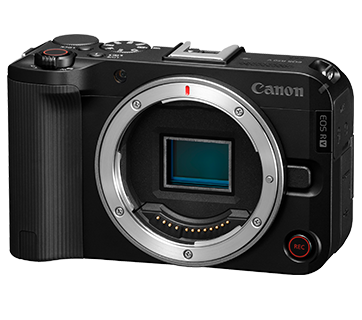

The Canon EOS R50 V and the Fujifilm X-T5 are both APS-C mirrorless cameras aimed at enthusiasts, content creators, and advanced hobbyists who want high-quality imaging in a relatively portable package. While their target buyers overlap, each model caters to different priorities in features, design, and price point, making their comparison relevant for anyone weighing a new mid-range mirrorless camera purchase.
The Canon EOS R50 V is the more affordable, compact, and approachable option, ideal for vloggers, travelers, and those upgrading from smartphones or entry-level cameras. In contrast, the Fujifilm X-T5 positions itself as a premium APS-C flagship with higher resolution, rugged build, and advanced photographic controls, attracting experienced shooters and professionals looking to maximize image quality without going full frame. Key differentiators include sensor resolution, in-body stabilization, video prowess, handling, and overall system investment.
Buyers choosing between these two models will want to balance performance needs, feature sets, budget, and user experience to match their priorities, whether that's cutting-edge still image performance, all-in-one content creation, or value.
Specifications Comparison
Detailed Comparison
Image Quality
The Fujifilm X-T5 features a 40-megapixel APS-C sensor (23.5 x 15.6 mm), significantly outclassing the Canon EOS R50 V's 24-megapixel APS-C sensor (22.3 x 14.9 mm) in terms of resolution. This translates to noticeably greater detail, crop flexibility, and printing potential on the X-T5, which will appeal to landscape, studio, and high-resolution shooters.
Both cameras offer excellent color reproduction and dynamic range by APS-C standards, but the X-T5 has a wider native ISO range (125-12,800, expandable to 64-51,200), giving it a slight edge in challenging light and for maximum image quality. Fuji's renowned color science and film simulations add additional creative flexibility straight out of camera.
While the R50 V still delivers pleasing images for everyday use, travel, and social media, those seeking ultimate APS-C image quality, room to crop, or large prints will feel limited. Conversely, for most casual shooters, the R50 V provides more than enough resolution.
Overall, the X-T5's larger sensor area, higher megapixel count, and broader ISO flexibility mark it as the clear leader for still image quality.
Autofocus System
Autofocus speed and precision are critical for both stills and video work. The Fujifilm X-T5 employs a hybrid phase/contrast detection AF system with 425 selectable points, which ensures excellent coverage and accuracy across the frame, particularly useful for tracking moving subjects and complex compositions.
Canon's EOS R50 V utilizes the latest Dual Pixel CMOS AF, offering swift subject detection and reliable eye-tracking for people and animals. While Canon does not publish the number of selectable points, real-world use finds the Canon system highly intuitive, especially for beginners, vloggers, or those shooting fast-paced scenes-thanks to its low-lag, sticky subject tracking.
The Fuji AF system is more customizable, which advanced users might appreciate, while Canon's autofocus is renowned for "just working" out of the box. Both perform well, but Fuji's denser point array and high configurability give it an edge for demanding action or wildlife shooters.
Overall, the X-T5 narrowly wins for flexibility and coverage, but everyday users and video creators may prefer Canon's approach.
Video Capabilities
The Canon EOS R50 V delivers 4K video at up to 60p, providing smooth, high-resolution recording ideal for vloggers, creators, and social media use. Its compact form factor and fully articulating touchscreen make it well-suited to self-filming and on-the-go content creation.
The Fujifilm X-T5 matches with 6.2K oversampled 4K up to 30p, which translates into extremely sharp video with excellent color depth. While 4K60 is limited to cropped mode on the X-T5, it also offers 10-bit internal recording, F-Log, and high dynamic range profiles, catering to demanding videographers who need grading flexibility and professional workflows.
One major difference is stabilization: the Canon offers only digital (electronic) stabilization, which causes cropping and can result in artifacts, while the X-T5 features a 7-stop in-body image stabilization (IBIS) system-hugely beneficial for handheld recording, low light, and steady shots with any lens.
For casual creators prioritizing convenience and 4K60, Canon's R50 V is a solid choice, but for best overall quality, versatility, and workflow options, the X-T5 stays ahead.
Build & Ergonomics
The EOS R50 V is designed for portability, weighing just 370g and measuring 119 x 74 x 45mm-making it an excellent companion for travelers, vloggers, or anyone who values a lightweight kit. Its touchscreen controls and streamlined layout further boost ease of use, especially for newer photographers.
The Fujifilm X-T5 is notably larger and heavier (557g, 130 x 91 x 64mm), but its robust, weather-sealed magnesium alloy body provides a premium feel and protection against the elements, appealing to advanced users who shoot in varied environments. Classic control dials for ISO, shutter speed, and exposure compensation offer tactile operation favored by traditionalists.
The X-T5 also includes a high-resolution electronic viewfinder, essential for precise composition, especially in bright light, while the Canon R50 V lacks a built-in viewfinder and relies solely on its rear screen.
In summary, the Canon wins for portability and simplicity; the Fuji wins for durability, ergonomics, and user control. Given the preferences of experienced shooters and demanding conditions, the X-T5 edges ahead overall.
Battery & Storage
Battery performance is an important factor for any camera user. The Fujifilm X-T5 offers up to 580 shots per charge (CIPA), far outstripping the average entry-level mirrorless, while the Canon EOS R50 V's battery endurance is notably lower (more typical of compact, consumer cameras). For events, travel, or all-day shooting, the X-T5's stamina is easier to rely on.
Both cameras use UHS-II SD card slots, but the X-T5 includes one high-speed slot, geared toward professionals handling large image or video files. Canon's single slot is more in line with entry-level standards but is sufficient for most users.
The larger physical battery of the Fuji, combined with its efficient power management, gives it the practical edge for demanding shoots, long trips, or professional assignments, while Canon's smaller battery contributes to its lighter weight.
For those prioritizing battery life and more professional-grade storage options, the X-T5 is the clear favorite.
Value for Money
The Canon EOS R50 V is aggressively priced at $649 USD (body only), making it one of the most accessible APS-C mirrorless cameras on the market. This low entry cost makes it an attractive upgrade from smartphones and older DSLRs, or a secondary camera for more advanced users seeking portability.
The Fujifilm X-T5 retails at a significantly higher $1699 USD (body only). However, the X-T5 delivers best-in-class features for APS-C: highest resolution in its class, professional-grade build, IBIS, and advanced video and stills capabilities. For photographers and hybrid shooters needing these specs, the investment can be justified.
However, for many enthusiasts or social creators, the price premium for the X-T5 may be hard to justify when the R50 V covers many basics at an excellent price/performance ratio. The total cost of ownership-given lens prices and accessory ecosystems-also favors Canon at the entry level.
For pure value, particularly for those starting out or on a budget, the Canon is the clear winner.
Lens Ecosystem
Both Canon and Fujifilm offer robust lens ecosystems, but with important distinctions. Canon's relatively new RF-S (APS-C) lens line is still growing, but users also benefit from compatibility with Canon's full-frame RF lenses, albeit at a higher cost and with increased size/weight. This expands flexibility but can be limiting for users wanting affordable, native APS-C options.
Fujifilm's X-mount, in contrast, boasts a mature, well-rounded lineup of high-quality, compact primes and zooms, many of which are designed specifically for APS-C. Fuji's third-party support is also strong, offering affordability and creative niche options.
While Canon's future ecosystem promises broad compatibility and innovation, Fuji currently presents a more comprehensive APS-C-specific range, vital for serious enthusiasts and pros who want choices from wide to telephoto.
As of today, Fuji's X-mount system is the more complete and versatile choice.
Our Verdict
Overall, the Fujifilm X-T5 is the more capable and versatile camera. Its class-leading 40MP sensor, powerful 7-stop in-body stabilization, higher-resolution electronic viewfinder, robust weather-sealed build, and superior battery life ensure it stands out as the flagship APS-C camera for serious photographers and hybrid shooters. It caters especially well to those who value image quality, flexible lens selection, and advanced controls-making it a compelling choice if budget is less of a concern. However, the Canon EOS R50 V remains an excellent choice for vloggers, content creators, and travelers desiring a lightweight, affordable, user-friendly camera with solid autofocus and 4K60 video. It offers much of what enthusiasts want at a fraction of the price, making it unbeatable value for newcomers or as a portable second body. Choose the X-T5 for ultimate APS-C performance and durability; pick the R50 V for accessibility, value, and ease of use.
Canon EOS R50 V
Fujifilm X-T5
Also Compare
Frequently Asked Questions
Which camera is better for beginners?
The Canon EOS R50 V is more beginner-friendly due to its intuitive menu system, lighter build, and streamlined controls. Its lower price also makes it more accessible for first-time mirrorless buyers.
Is the Fujifilm X-T5 worth the higher price?
If you prioritize top-tier image quality, in-body stabilization, weather-sealed construction, and advanced photographic controls, the X-T5 justifies its higher cost. For casual shooters or those on a budget, the price jump may not be worth it.
Which camera is better for travel and vlogging?
The Canon EOS R50 V is better suited for travel and vlogging thanks to its compact, lightweight design, fully articulating screen, and excellent autofocus for face/eye tracking during video.
Does the Canon EOS R50 V have in-body stabilization?
No, the EOS R50 V offers only digital (electronic) stabilization in video modes. The Fujifilm X-T5 features a true 7-stop in-body image stabilization system for both stills and video.
Can I use third-party lenses on these cameras?
Fujifilm's X-mount has strong third-party lens support from brands like Sigma, Tamron, and Viltrox. Canon's RF-S lens mount currently has more limited third-party options, but RF-mount lenses are supported.
Which is better for professional photography?
The Fujifilm X-T5 is better equipped for professional photography, given its higher resolution, weather sealing, robust controls, and mature lens system.