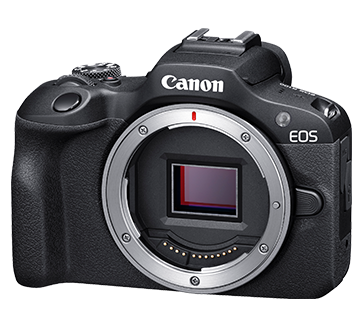

The Canon EOS R100 and the Sony ZV-E10 II are two popular options in the entry-level to mid-range camera market, appealing to both enthusiasts and content creators alike. The R100, released in 2023, positions itself as a robust yet affordable entry point into the Canon mirrorless ecosystem, while the ZV-E10 II, a 2024 release, boasts features specifically aimed at video creators and vloggers. This comparison will be particularly relevant for users who value imaging quality, autofocus performance, video capabilities, portability, and overall user experience in their decision-making process.
Specifications Comparison
Detailed Comparison
Image Quality
In terms of image quality, the Canon EOS R100 offers a 24-megapixel APS-C sensor which captures sharp and vibrant images, with an ISO range of 100-12800 that allows for decent low-light performance. However, the Sony ZV-E10 II edges out with a slightly higher 26-megapixel sensor and an expansive ISO range from 100-32000, which is expandable to 50-102400, making it more versatile for various lighting conditions. This wider range allows for capturing more detail in dark environments and minimizes noise in high ISO settings. Both cameras provide similar image processing quality, but the greater megapixel count and ISO flexibility of the ZV-E10 II can result in better image outputs under challenging circumstances.
Autofocus System
The autofocus capability is one of the key areas where the Sony ZV-E10 II excels with a total of 759 phase-detection autofocus points. This advanced AF system enables fast and accurate subject tracking, especially useful for moving subjects in video or dynamic scenes in photography. On the other hand, the Canon EOS R100 has a moderate 143 autofocus points which, while adequate for general use, may struggle with fast action or tracking moving subjects as effectively as its competitor. The ZV-E10 II's superior autofocus performance makes it a better choice for those who frequently shoot fast-paced action or video content.
Video Capabilities
Video enthusiasts will find the Sony ZV-E10 II to be a more competent choice due to its ability to shoot in 4K at 60 frames per second, appealing to those focused on high-quality video production. Additionally, it includes plug-and-play features tailored for vloggers, such as a vari-angle screen and advanced audio options. In contrast, the Canon EOS R100 lacks advanced video features such as 4K recording, making it less appealing for video-focused creators. While it does cater to beginners with basic video functionalities, it falls short in comparison to the ZV-E10 II's robust video offerings.
Build & Ergonomics
The build quality of both cameras offers a compact design for portability. The Canon EOS R100 weighs 356g and features dimensions that provide a comfortable grip for users. Conversely, the Sony ZV-E10 II, although slightly heavier at 377g, comes equipped with weather sealing, making it a more reliable option for outdoor shooting in various conditions. Both cameras have a 3-inch screen with touch capabilities, making navigation relatively straightforward. However, the absence of a viewfinder in the ZV-E10 II might deter users preferring a more traditional shooting style. Overall, the build quality of both models is good, but the ZV-E10 II's weather-sealed design adds a layer of durability.
Battery & Storage
Battery performance is critical for extended shoots, and while the specifics of battery life can vary, the Canon EOS R100 typically offers a modest performance suited for everyday use. The ZV-E10 II, on the other hand, provides a slightly better battery life due to its more efficient processing capabilities. Additionally, both cameras utilize SD card storage; however, the ZV-E10 II supports video-centric features that can demand more storage space, particularly with higher resolutions available. This factor may necessitate larger capacity cards for the video-centric user, giving the EOS R100 an edge in terms of basic storage needs, though both options are manageable for different shooting styles.
Value for Money
When considering value, the Canon EOS R100 stands out with a price point of $480, making it a very attractive option for budget-conscious photographers looking to enter the mirrorless realm. In contrast, the Sony ZV-E10 II comes at a premium price of $1000, which may be a barrier for some. However, the additional cost of the ZV-E10 II can be justified through its enhanced features, particularly its video capabilities and superior autofocus performance. For users who prioritize budget over features, the R100 is an excellent choice, whereas those seeking professional vlog and video functionalities may find the investment in the ZV-E10 II worthwhile.
Our Verdict
Ultimately, the Sony ZV-E10 II emerges as the overall winner of this comparison, primarily due to its superior image quality, advanced autofocus system, and exceptional video capabilities tailored for creators. While the Canon EOS R100 solidly caters to entry-level photographers with its lower price point, the ZV-E10 II's impressive specifications justify its higher cost, especially for those invested in videography. However, for users whose needs are more basic and budget-sensitive, the R100 remains a compelling entry-point model that should not be overlooked.
Canon EOS R100
Sony ZV-E10 II
Also Compare
Frequently Asked Questions
Which camera is better for photography?
If your primary focus is photography, the Canon EOS R100 is a solid choice, offering good image quality and handling for stills. However, if you want a versatile camera that excels in both photography and video, the Sony ZV-E10 II is superior due to its autofocus and advanced features.
Is the Sony ZV-E10 II worth the price difference?
Yes, the additional features of the ZV-E10 II, particularly for video creators, make it worth the extra investment for users interested in high-quality video production and content creation.
Can the Canon EOS R100 shoot video?
Yes, the Canon EOS R100 can shoot video, but its capabilities are limited compared to the ZV-E10 II, which supports 4K recording at 60p.
Are both cameras good for beginners?
Yes, both cameras cater to beginners; the EOS R100 is particularly user-friendly for those new to photography, while the ZV-E10 II also provides a range of features that can help users grow in their videography skills.
Which camera has better low-light performance?
The Sony ZV-E10 II has better low-light performance due to its wider ISO range and higher megapixel count, making it a better choice for shooting in dim conditions.