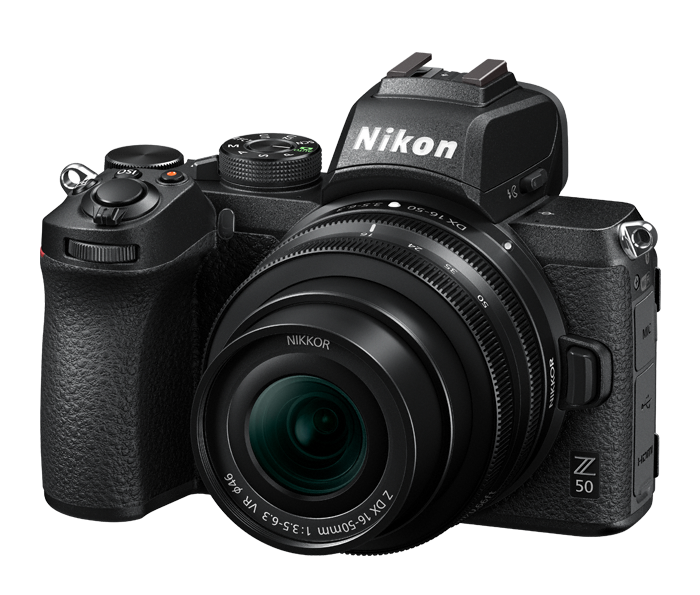
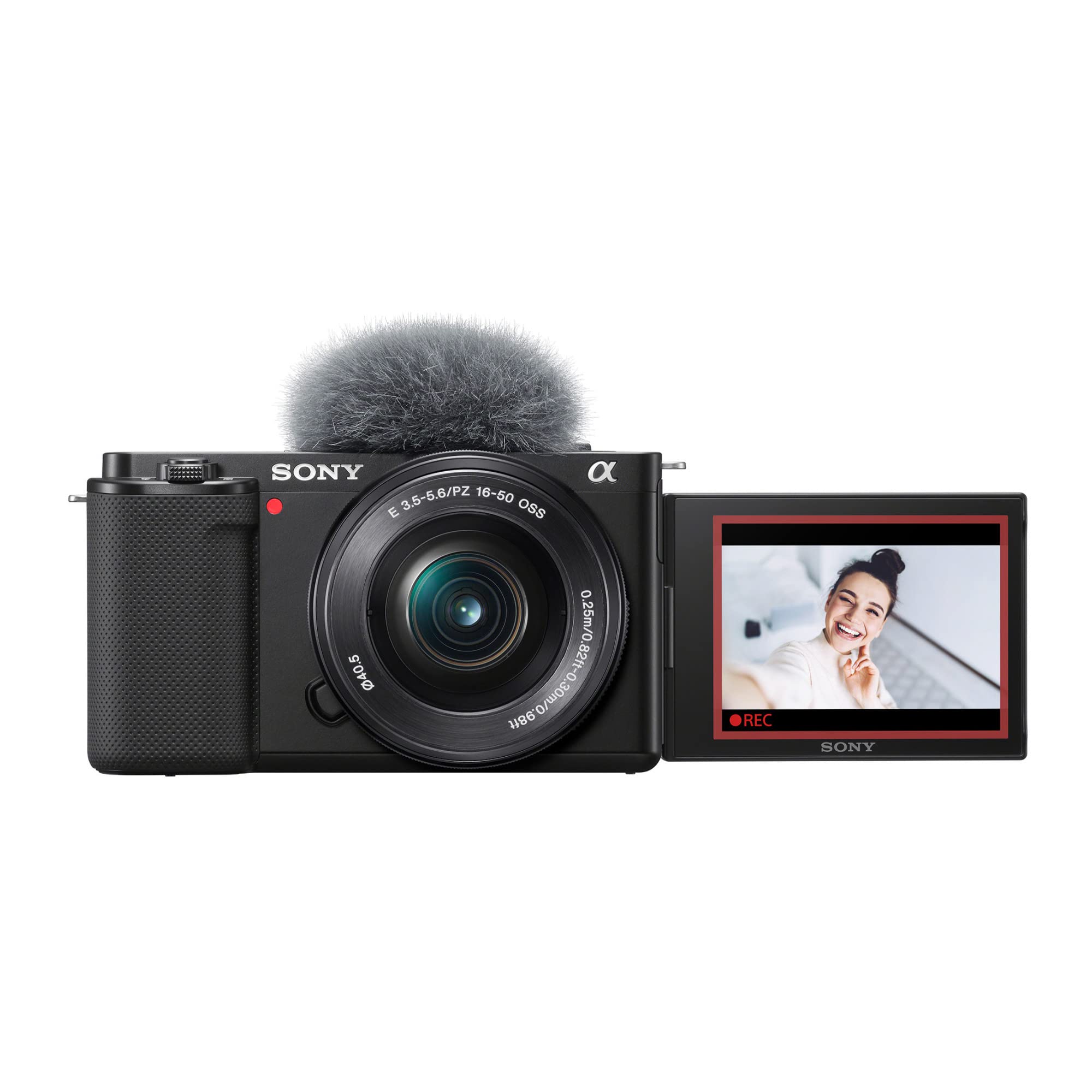
The Nikon Z50 and the Sony ZV-E10 are two strong contenders in the APS-C mirrorless camera market, commonly compared by photography enthusiasts and content creators. Both cameras resonate with photographers looking for a compact, versatile option, yet they cater to slightly different user bases. The Z50 is often seen as a more traditional photography tool, while the ZV-E10 is tailored for vloggers and video creators, focusing heavily on video-oriented features and user-friendly operability. Key differentiators include sensor performance, video capabilities, and the overall build quality, along with their respective autofocus systems.
Specifications Comparison
Detailed Comparison
Image Quality
When it comes to image quality, the Nikon Z50 offers a 21-megapixel APS-C sensor, while the Sony ZV-E10 boasts a higher resolution of 24 megapixels. This slight edge in megapixels could give the ZV-E10 an advantage in capturing detail-rich images. The ISO performance also differs, with the Z50 ranging from 100 to 51,200 (expandable to 204,800), while the ZV-E10 has a range of 100 to 32,000 (expandable to 50,000). In low-light conditions, the Z50 may outperform the ZV-E10 thanks to its higher maximum ISO capabilities. However, both cameras perform adequately in standard lighting conditions, with vibrant colors and good dynamic range. The difference in pixel count might be favorable for those who prefer cropping options or larger prints, but the Z50's excellent performance at high ISOs could appeal more to night photographers. Overall, while the ZV-E10 has a slight advantage in resolution, the Z50's low-light performance makes it a compelling choice for a wider range of shooting scenarios.
Autofocus System
Autofocus is a critical aspect for both stills and video work. The Nikon Z50 features 209 autofocus points, which is commendable, but it falls short compared to the Sony ZV-E10's impressive 425 autofocus points. This difference is particularly noticeable in fast-paced scenarios, where the ZV-E10 may lock onto subjects more reliably and accurately, thanks to its superior number of phase-detection points. Additionally, the ZV-E10 incorporates features like Real-time Eye autofocus, which is especially beneficial for vloggers focusing on human subjects. In contrast, the Z50 has a decent autofocus system, yet lacks some of the advanced features found in the ZV-E10, which might hinder quick subject tracking in dynamic shooting environments. Ultimately, the enhanced capabilities of the ZV-E10's autofocus system make it a better choice for users who prioritize fast and reliable focusing.
Video Capabilities
In the video department, the Nikon Z50 allows for 4K video recording at 30 frames per second, providing greater flexibility and resolution for video content creators compared to the Sony ZV-E10, which is limited to 1080p video at 24 frames per second. Although the ZV-E10 is designed with vlogging in mind, it does lack 4K video capabilities, which could be a significant drawback for those looking to create high-resolution content. Furthermore, the ZV-E10 includes advanced video features like a Vari-angle screen and product showcase setting, catering specifically to vloggers who require unique capabilities. Despite this, the Z50's 4K capabilities make it more versatile for both photography and videography, appealing to an audience that wishes to excel in both mediums. Therefore, in terms of overall video quality and features, the Nikon Z50 takes the lead.
Build & Ergonomics
The build quality of a camera significantly impacts usability and comfort during prolonged use. The Nikon Z50 is heavier at 450 grams compared to the Sony ZV-E10's 343 grams, which can be a consideration for users prioritizing portability. Despite the weight difference, the Z50 is more robust and includes weather sealing, offering durability that outdoor photographers will appreciate. The dimensions also play a role; while the Z50 is bulkier, its grip is designed for comfort, catering to photographers who need a steady hand while shooting. On the other hand, the ZV-E10's smaller size makes it exceptionally portable, making it ideal for vlogging and everyday carry. While both cameras offer good ergonomics, the Z50's weather resistance and solid build quality may provide added peace of mind for outdoor shooters seeking reliability.
Battery & Storage
Battery life is another critical component for photographers and videographers. The Nikon Z50 has a battery life of approximately 320 shots, while the Sony ZV-E10 excels with a longer battery life of about 440 shots. This difference could be crucial for users who shoot extensively without immediate access to charging options. Furthermore, both cameras utilize SD memory cards for storage, but the Z50 supports UHS-II cards which can offer faster read and write speeds in demanding shooting situations. Therefore, while the ZV-E10 has a notable advantage in battery life, users who prioritize speed and efficiency in storage might lean towards the Z50.
Value for Money
When considering the price point, the Nikon Z50 retails around $859 while the Sony ZV-E10 is priced at $700. The ZV-E10, while cheaper, may offer compelling value for casual shooters and vloggers looking for a lightweight, easy-to-use camera that delivers solid performance. However, the Z50's slightly higher investment is justified by its more robust build, superior video capabilities, and weather sealing. Both cameras provide commendable quality for their respective categories, making them solid investments depending on user requirements. In this segment, the ZV-E10 offers a more accessible entry point for budget-conscious creators, while the Z50 targets users willing to invest more for higher-quality features.
Our Verdict
Overall, while the Nikon Z50 showcases superior image quality and video capabilities, the Sony ZV-E10 excels with its innovative autofocusing system and price-value ratio. The ZV-E10 stands out for vloggers and content creators seeking a lightweight, user-friendly camera with good performance, whereas the Z50 is ideal for serious photographers who appreciate durability and high-quality video capture. The decision should ultimately hinge on whether one prioritizes advanced video features and portability or whether they lean towards photography and 4K video capabilities.
Nikon Z50
Sony ZV-E10
Also Compare
Frequently Asked Questions
Which camera is better for video content creation?
The Sony ZV-E10 is better for video content creation due to its lightweight design, advanced autofocus features, and user-friendly video settings, although it is limited to 1080p resolution.
How do the low-light performances compare?
The Nikon Z50 performs better in low-light conditions thanks to its higher maximum ISO capabilities, making it suitable for night photography and challenging lighting situations.
Is one camera better for travel?
The Sony ZV-E10 is more suitable for travel due to its lighter weight and compact size, making it easy to carry around. However, the Nikon Z50 still offers robust features that may appeal to serious photographers.
What are the battery life differences?
The Sony ZV-E10 has superior battery life, lasting approximately 440 shots compared to the Nikon Z50's 320 shots. This makes the ZV-E10 a better choice for extended shooting sessions without the need for recharging.
Which camera has better autofocus?
The Sony ZV-E10 has a significantly better autofocus system with 425 points and advanced Eye autofocus technology, making it ideal for fast-paced shoots and vlogging.