
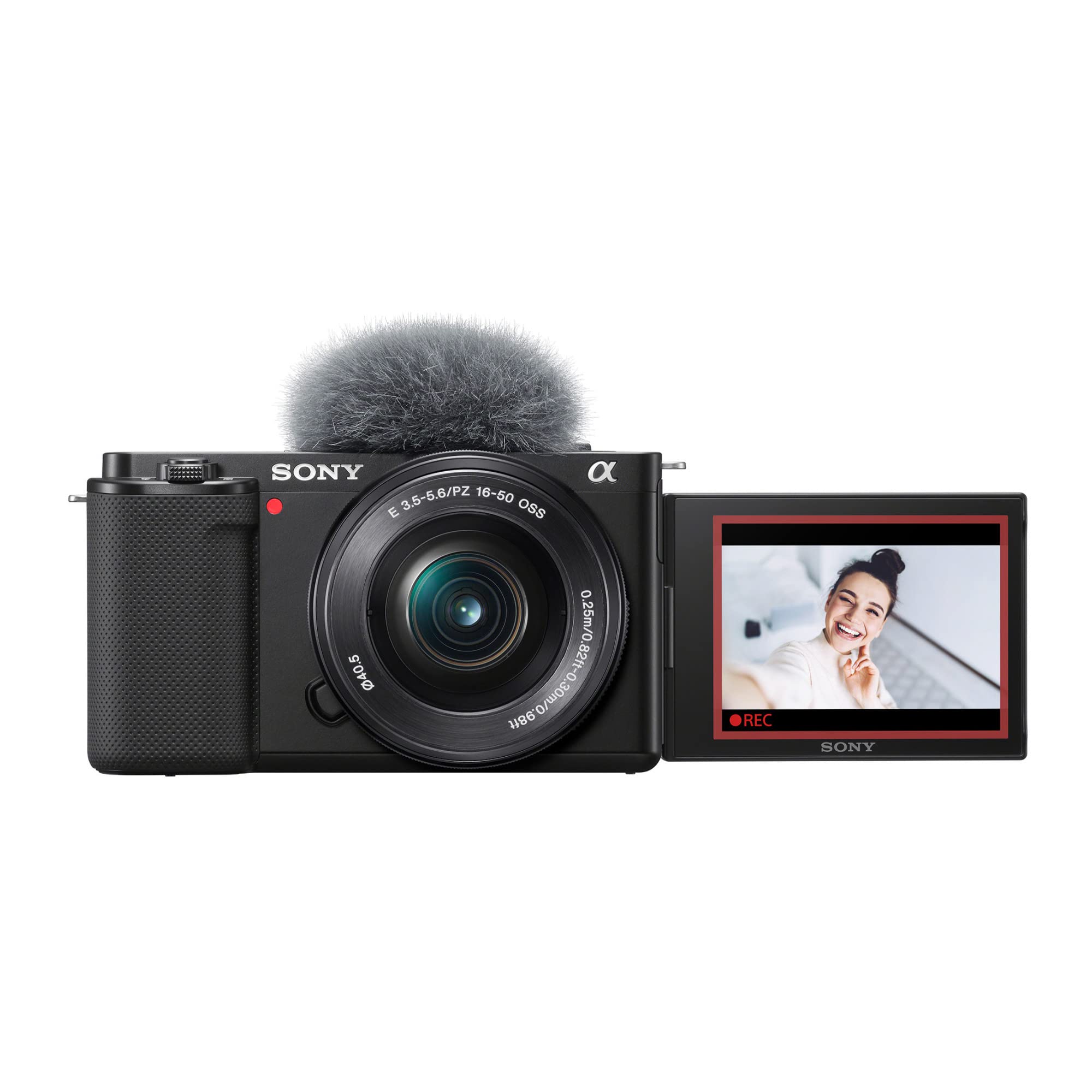
The Fujifilm X100VI and Sony ZV-E10 are two highly regarded cameras that cater to different types of photographers and videographers. The X100VI is a premium compact camera with a classic design, making it ideal for street photography and photowalks, while the ZV-E10 is positioned as a content creator's dream with its versatility in video capabilities and interchangeable lens mount. Buyers might be torn between these options due to their different strengths, with the X100VI excelling in still photography and image quality, while the ZV-E10 appeals to those looking for a feature-rich camera for vlogging and video content creation. Key differentiators include sensor resolution, autofocus capabilities, stabilization features, and overall build quality.
Specifications Comparison
Detailed Comparison
Image Quality
The Fujifilm X100VI boasts a remarkable 40 megapixel APS-C sensor, which allows for extremely detailed images, even when cropping. The expanded ISO range from 64 to 51,200 ensures low-light shooting is remarkably effective, delivering stunning results. The X100VI's unique film simulation modes also enhance its photographic output, lending a creative flair to photos. In contrast, the Sony ZV-E10 offers a more modest 24 megapixels, which still produces high-quality images but may not capture as much detail in challenging conditions. Its ISO range is also slightly lower, extending from 50 to 51,200, and while it performs well, the X100VI has a definite edge in dynamic range and tonal accuracy. Overall, for pure image quality and performance, the X100VI is a notable winner.
Autofocus System
Both the Fujifilm X100VI and Sony ZV-E10 come equipped with a robust autofocus system featuring 425 points, allowing for precise focus on moving subjects. However, Sony's autofocus technology has a reputation for superior tracking ability, especially in video scenarios. The ZV-E10 supports Real-Time Eye autofocus, which is particularly beneficial for vlogging and capturing subjects in motion effectively. The X100VI, while efficient, may not match the consistency and speed of autofocus found in the ZV-E10 for dynamic action scenarios, although it is still highly competent for still photography. With practical applications in mind, while both systems are strong, the ZV-E10 slightly edges out due to its advanced tracking capabilities.
Video Capabilities
The Sony ZV-E10 is tailored for video creators, offering 1080p video recording at up to 24 fps, which is suitable for most vlogging needs, but lacks 4K capability. The camera is designed with content creators in mind, including features like a flip-out screen and built-in microphone inputs. In contrast, the Fujifilm X100VI focuses primarily on still photography, and while it can record video, it does not have video features as sophisticated as the ZV-E10. With its dedicated design for video work, including better ergonomics for handheld shooting, the ZV-E10 emerges as the clear winner for videographers.
Build & Ergonomics
The Fujifilm X100VI showcases a solid, retro design with tactile controls and an integrated optical/electronic viewfinder, adding a level of versatility for photographers who prefer composing shots either way. Additionally, its sturdy build quality provides a premium feel, which many enthusiasts appreciate. In contrast, the Sony ZV-E10, while lightweight and compact, lacks a viewfinder and opts for a more casual build that may feel less solid than the X100VI. However, the ZV-E10's articulated screen enhances usability for video creators and bloggers. Overall, the X100VI offers a more professional and robust design, making it the winner in this category.
Battery & Storage
When comparing battery life, the Fujifilm X100VI offers a shooting capacity of about 450 shots per charge, slightly outperforming the Sony ZV-E10's 440 shots per charge. Both cameras utilize similar battery technology, but the small difference in battery performance can be significant for extended shooting sessions. The ZV-E10, however, can take advantage of its interchangeable lenses, allowing flexibility in creative choices but requiring a larger investment in additional lenses. In terms of storage, both cameras utilize similar standards and can accept comparable media types, so the differences in this section are minimal. Overall, the slight advantage in battery life gives the X100VI a small edge here.
Value for Money
The Fujifilm X100VI retails at approximately $1,599, making it a premium offering geared towards serious photographers who prioritize image quality and build. On the other hand, the Sony ZV-E10 is priced at around $700, making it a more accessible option for aspiring content creators or beginners looking for a well-rounded camera. While the X100VI justifies its price with superior image quality, the ZV-E10 offers better value in terms of versatility, especially considering its video capabilities and expandable lens ecosystem. When looking strictly at budget, the ZV-E10 is certainly the better value proposition, especially for those who prioritize video.
Our Verdict
Overall, the Fujifilm X100VI emerges as the winner for photographers seeking top-tier image quality and build, making it ideal for capturing stunning stills. The focus on retro design and advanced shooting capabilities makes it hard to ignore, particularly for those who appreciate photography. Conversely, the Sony ZV-E10 excels in video functionality and value for money, making it a fantastic choice for vloggers or individuals entering the content creation space. Ultimately, the decision hinges on the user's primary focus-impeccable still images or versatile video production.