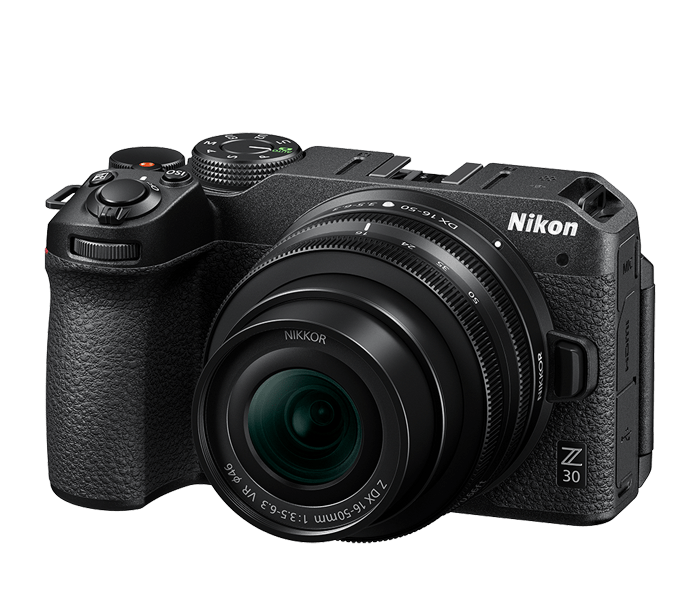
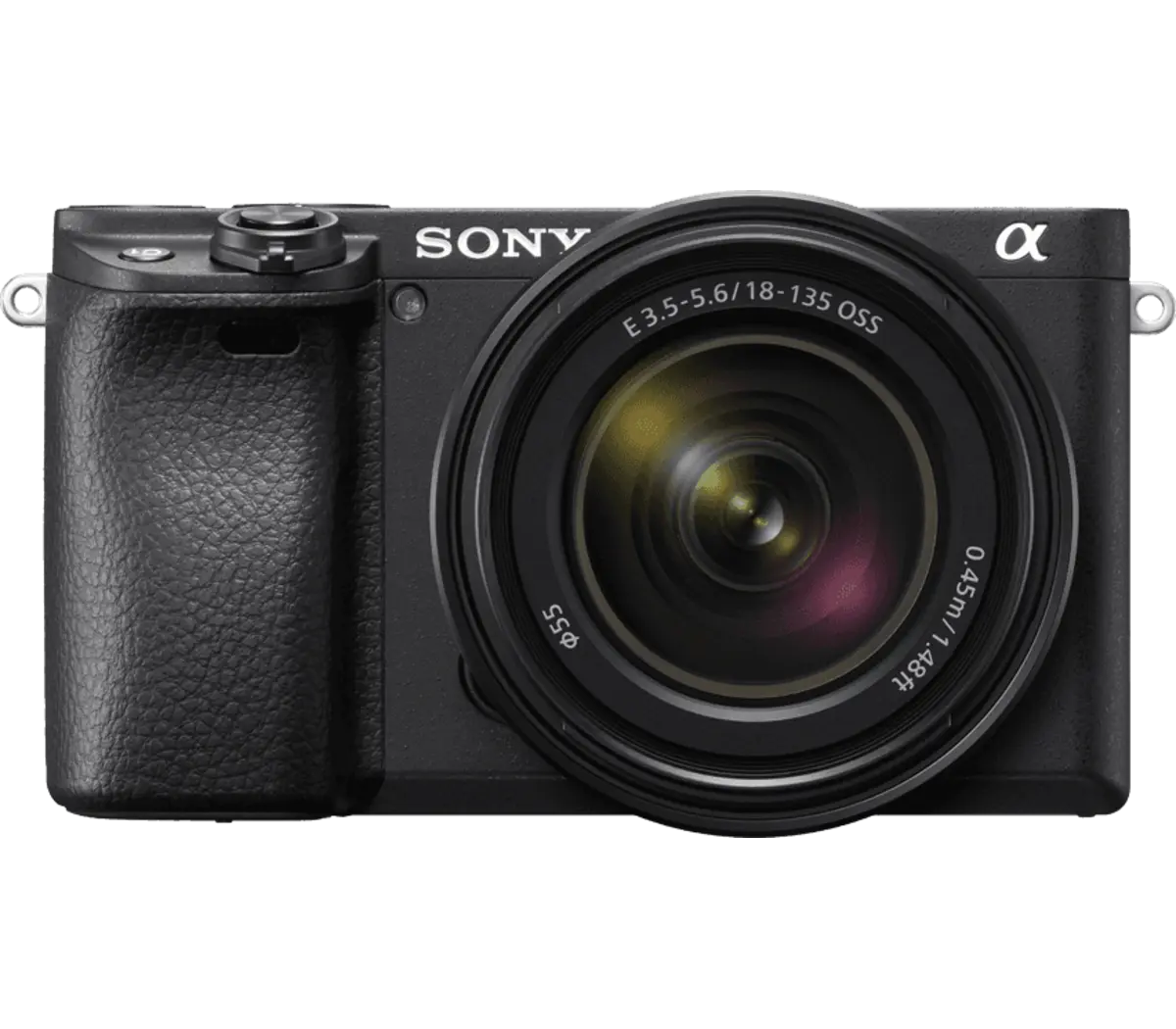
The Nikon Z30 and Sony A6400 are two popular APS-C mirrorless cameras that frequently come up in discussions among aspiring photographers and videographers looking for a compact yet powerful option. The Z30, released in 2022, is targeted towards vloggers and content creators with its lightweight design and good video performance, while the A6400, launched in 2019, is often lauded for its robust autofocus capabilities and reliable performance for both stills and videos. Buyers typically weigh their options based on factors like image quality, autofocus performance, video specs, and overall user experience, making this comparison particularly relevant.
Both cameras offer 4K video recording and similar frame rates, but key differentiators lie in their autofocus systems, ISO capabilities, and battery life. The Z30's slightly lower resolution of 21 megapixels compared to the A6400's 24 megapixels may influence those concerned with image detail, while the A6400's more advanced autofocus might appeal to action photographers. In this comparison, we'll delve into specific aspects that can help potential buyers make an informed decision.
Specifications Comparison
Detailed Comparison
Image Quality
When it comes to image quality, the Sony A6400 edges out slightly with its 24-megapixel sensor compared to the Nikon Z30's 21 megapixels. A higher pixel count often provides more detail and allows for larger prints. However, the Nikon Z30 still produces impressive image quality with a solid performance in various shooting conditions, thanks to its effective noise handling up to its max ISO of 51200, which is expandable to 204800.
In lower light situations, both cameras perform admirably, but the A6400's ISO range (100-32000, expandable to 102800) might offer slightly better noise control under extreme conditions. Color reproduction is another critical aspect, where both brands have their strengths. Sony sensors often deliver vibrant colors and excellent dynamic range. However, Nikon is renowned for its natural color tones, particularly in skin tones, making the Z30 favorable for portrait photography.
Overall, while both cameras deliver strong image quality, the A6400's higher resolution might give it the edge for detail-oriented projects.
Autofocus System
The autofocus systems of these two cameras are notably different, with the Sony A6400 boasting 425 phase-detection points, compared to the Nikon Z30's 209 points. The A6400's autofocus is recognized for its speed and accuracy, making it an excellent choice for capturing fast-moving subjects or during low-light shooting environments.
The A6400 also features real-time tracking and Eye Autofocus for both humans and animals, making it a top pick for portrait and wildlife photography. In contrast, while the Nikon Z30 does offer reliable autofocus performance, it lacks some of the advanced tracking features found in the A6400.
This difference makes the A6400 a better choice for those who prioritize fast autofocus, especially for action shots or vlogging requiring quick adjustments. The Nikon Z30 is still capable for general photography but doesn't match the advanced capabilities of the A6400.
Video Capabilities
Both the Nikon Z30 and Sony A6400 are well-equipped for video recording, offering 4K at 30 fps. However, the A6400 benefits from additional features like S-Log profiles, making it a better choice for professional video work. The A6400 also delivers superior autofocus during video recording, keeping subjects in sharp focus, which is critical for dynamic scenes.
The Z30, while lacking advanced color profiles, compensates with ease of use, featuring a fully articulated screen ideal for vlogging. Both cameras perform well in terms of video quality, but the A6400's more versatile options make it the winner in this category.
This assessment will likely enhance its appeal for content creators who need greater flexibility and control over their footage, as well as professional videographers.
Build & Ergonomics
In terms of build quality, both the Nikon Z30 and the Sony A6400 sport weather-sealed bodies, making them suitable for various environments; however, the Z30 has a slightly bulkier design due to its more substantial grip, which some users may find more comfortable for prolonged shooting.
With dimensions of 128 x 74 x 60 mm, the Z30 is larger than the A6400, which measures 120 x 67 x 60 mm. Despite being marginally lighter at 403g, both cameras are portable and designed for easy handling. The Z30 features a larger touchscreen with higher resolution (1,040,000 dots) than the A6400 (921,600 dots), which could be a determining factor for users who frequently use the screen for composing shots.
For those who value ergonomics and usability, the preference may vary, but the Z30's better screen resolution and grip design provide more advantageous features, making it comfortable for both novice and experienced shooters.
Battery & Storage
When evaluating battery life, the Sony A6400 prevails with a capacity of approximately 410 shots per charge, surpassing the Nikon Z30, which is rated for 330 shots. This may not seem like a significant difference; however, for avid shooters or those who shoot on long outings, the extra battery life can be invaluable.
Both cameras utilize similar storage options, supporting SD cards, but the A6400's better battery performance gives it an edge for extended shooting scenarios. Users who frequently engage in video recording or run extended photo sessions may find this factor particularly relevant.
In this aspect, the A6400 stands out for its better longevity, which could influence many buyers looking for a reliable camera for long events or extended usage.
Value for Money
In terms of pricing, the Nikon Z30 comes in at about $710, making it a more budget-friendly option compared to the Sony A6400, which is priced at approximately $900. This price difference could be crucial for beginner photographers or content creators who are more price-sensitive.
Although the A6400 provides advanced features and slightly better performance, the Z30's lower cost provides an appealing entry point without sacrificing too much in terms of performance and quality. Users who prioritize budget over high-end specifications may find the Z30 to be a better overall value.
Nonetheless, for those looking for professional-level features, the A6400 justifies its higher price, but for beginners or casual users, the Z30 presents a more accessible option. This makes value a nuanced consideration based on the user's long-term intentions with the camera.
Our Verdict
In conclusion, while both the Nikon Z30 and the Sony A6400 offer strong performance and features, the A6400 emerges as the overall winner due to its superior autofocus capabilities, increased resolution, and enhanced video functionality. For users focused on photography with fast-moving subjects or aspiring videographers needing professional tools, the A6400 solidifies its position in this comparison. However, the Nikon Z30 offers exceptional value for entry-level users, particularly those focusing on vlogging, thanks to its articulated touchscreen and lighter weight. It remains a worthy contender for users wanting a well-rounded camera without the higher expense. Ultimately, the choice between the Z30 and the A6400 should be directed by budget considerations and the specific needs of the user.