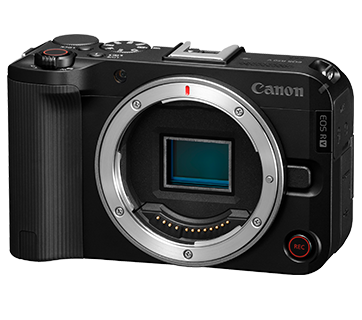
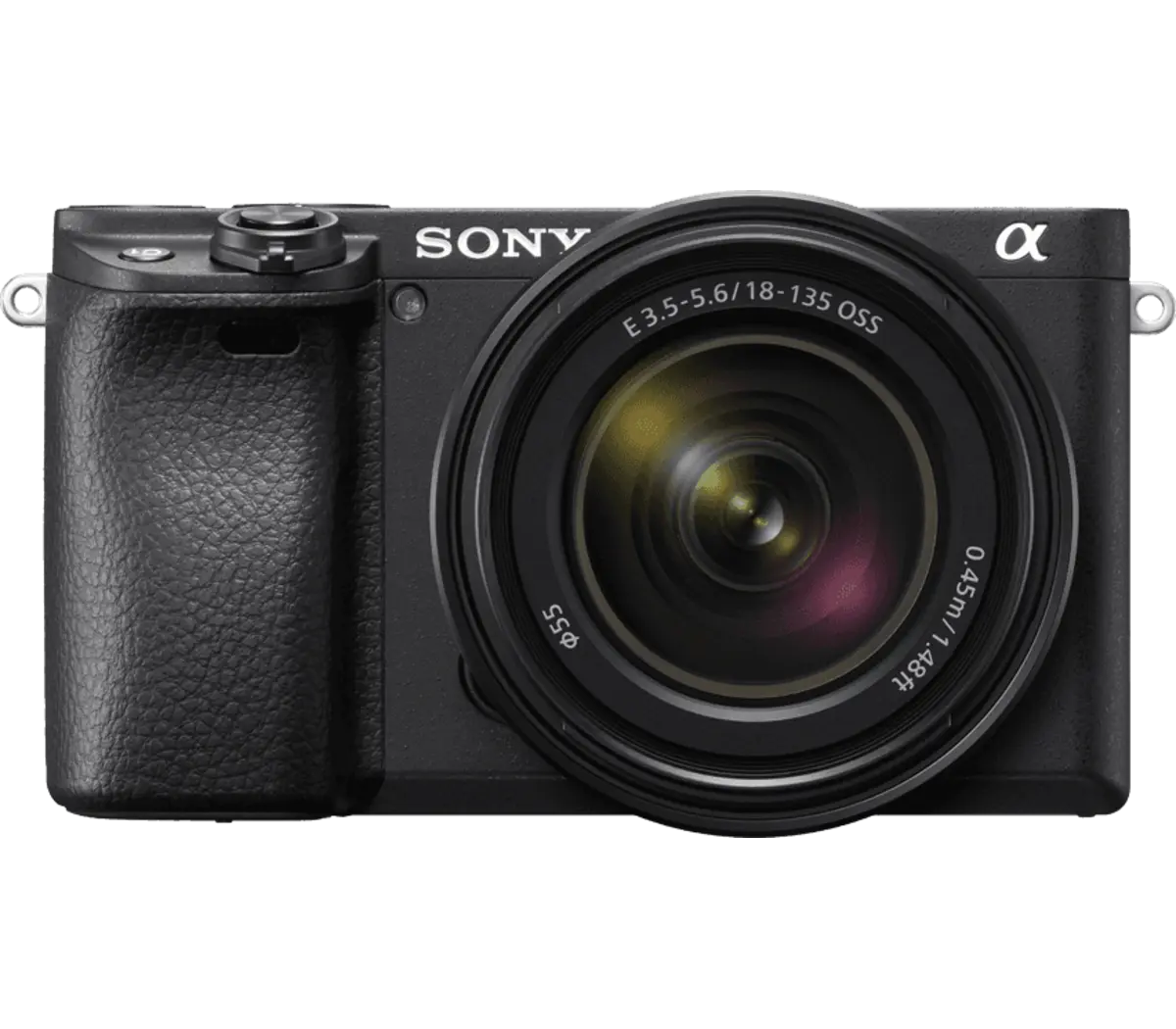
The Canon EOS R50 V and the Sony A6400 are two popular APS-C mirrorless cameras often compared by both beginners and advanced enthusiasts seeking portable, versatile options for photography and video. Both cameras offer 24-megapixel sensors, compact form factors, and a host of modern features at different price points and with unique strengths.
Buyers typically choose between these models when looking for high-quality imaging without the bulk and cost of full-frame bodies. Vloggers, travelers, and everyday shooters particularly appreciate their lightweight builds and advanced autofocus systems. Despite these similarities, key differences—such as video specs, autofocus sophistication, viewfinder presence, stabilization, weather sealing, and price—set them apart. Understanding how these distinctions translate into real-world performance will help buyers make informed decisions.
Specifications Comparison
Detailed Comparison
Image Quality
Both the Canon EOS R50 V and Sony A6400 feature 24-megapixel APS-C sensors, offering excellent detail and flexibility for cropping. However, the A6400’s sensor is slightly larger (23.5 x 15.6 mm vs. 22.3 x 14.9 mm), which can provide marginally better low-light performance and dynamic range, though in practical use this difference is minor.
The Sony A6400 extends its ISO sensitivity up to 102800 (expanded), giving it more flexibility in very dark scenarios. However, for most situations—daylight or moderate indoor lighting—both cameras deliver clean, vibrant images with good color science, though Canon is known for pleasing skin tones while Sony is noted for slightly better shadow detail and dynamic range.
Neither camera offers in-body stabilization, so handheld long exposures and low-light shooting will depend on lens stabilization or careful technique. Overall, the image quality for both is excellent but the Sony's larger sensor and broader ISO range may offer a slight edge, particularly for users regularly pushing camera limits.
Autofocus System
The Sony A6400 boasts a mature, sophisticated autofocus system, with 425 phase and 425 contrast-detection points covering nearly the entire frame. Its Real-Time Eye AF for both humans and animals is well-regarded for accuracy and speed, making it a favorite among action, portrait, and event photographers.
Canon’s R50 V benefits from the brand’s latest Dual Pixel CMOS AF technology, which is fast, reliable, and adept at subject tracking. However, Canon does not specify the exact number of focus points, and while its performance is strong and intuitive, it doesn’t reach quite the same level of configurability or tracking precision as Sony’s multitiered system.
In most scenarios, both cameras will lock focus quickly and accurately, but Sony’s system has proven advantages for complex, fast-moving scenes and offers more advanced subject detection, especially for seasoned shooters who rely on consistent eye-tracking.
Video Capabilities
For video creators, the EOS R50 V stands out for its ability to shoot uncropped 4K at up to 60 frames per second, compared to the A6400’s maximum of 4K at 30p. This gives Canon a clear advantage for slow-motion 4K work or projects requiring higher frame rates in ultra-high definition.
The R50 V also includes digital stabilization, which, while not as effective as optical or sensor-based stabilization, offers an added layer of smoothness for handheld shooting—an attractive feature for vloggers, though it comes with a slight image crop and some potential quality loss. The A6400 lacks built-in stabilization of any kind, so stabilization must come from the lens or external equipment.
Canon’s fully articulated, higher-resolution touchscreen is also more versatile for vlogging and self-filming. While the A6400 offers a tilting screen, it lacks the flexibility and clarity of Canon’s implementation.
Build & Ergonomics
The Sony A6400 features a magnesium alloy construction with full weather sealing, giving it an edge in ruggedness and peace of mind during inclement weather or demanding outdoor shoots. Its deeper grip and larger physical controls also appeal to photographers using heavier lenses or shooting for prolonged periods.
In contrast, the Canon EOS R50 V is lighter (370g vs 403g) and slightly more compact, making it better for travel and all-day carry. However, it lacks an electronic viewfinder, which could be a deciding factor for traditional photographers who prefer composing through the viewfinder in bright light. The R50 V is designed for simplicity and portability rather than professional durability.
The A6400's inclusion of an electronic viewfinder and weather sealing make it better suited for challenging shooting environments and more traditional photographic experiences, while the R50 V trades robustness for minimalism and portability.
Battery & Storage
The Sony A6400 offers a battery life of approximately 410 shots per charge (CIPA rated), which is solid for its class and sufficient for most day-long shoots. The Canon EOS R50 V’s official battery performance isn’t stated here, but it uses smaller, compact batteries that generally deliver lower shot counts; buyers should expect to carry spares for extended shooting sessions.
Both cameras use a single SD card slot and support UHS-I cards (not mentioned for the R50 V, but typical for this class). For video shooters and photo-heavy days, the ease of finding spare batteries and SD cards for both systems is a plus.
While battery performance alone might not be a dealbreaker for lightweight or casual use, the A6400 is the stronger choice for longer sessions without recharging.
Value for Money
At $649, the Canon EOS R50 V offers exceptional value for those entering the mirrorless ecosystem, especially considering its 4K 60p video, modern touchscreen, and lightweight design. For beginners and budget-conscious creators, the R50 V gives a high feature-per-dollar ratio.
In contrast, the Sony A6400, at $900, carries a premium for its advanced autofocus, robust build, electronic viewfinder, and extended ISO range. Experienced photographers and hybrid shooters who value these features might find the price justified, but for many users, the near-$250 price difference is significant.
Unless you require the weather sealing, viewfinder, or Sony’s AF prowess, the R50 V’s affordability is hard to match for new buyers.
Lens Ecosystem
Sony’s E-mount has matured over nearly a decade to offer a broad selection of native lenses from both Sony and third-party manufacturers like Sigma, Tamron, and Samyang. This provides users with a wide range of fast primes, zooms, and specialty optics at many price points.
Canon’s RF-S mount is newer, and while the full-frame RF mount lenses are compatible, the dedicated APS-C RF-S lens lineup remains limited. This may restrict options for users seeking lightweight, affordable, or specialized lenses tailored for crop sensors, although the system is expected to expand over time.
For buyers looking for maximum flexibility and investment longevity in glass, the Sony ecosystem currently has the advantage.
Our Verdict
Overall, both the Canon EOS R50 V and Sony A6400 offer compelling feature sets for their segments, but the A6400 emerges as the slightly more rounded package for serious photographers and hybrid shooters. Its superior autofocus coverage, weather-sealed body, electronic viewfinder, longer battery life, and mature lens ecosystem edge it ahead, especially for users who value these professional touches. However, the Canon EOS R50 V is a fantastic choice for beginners, content creators, and anyone prioritizing lightweight design and advanced video capabilities at an accessible price point. Its 4K 60p video and user-friendly operation make it stand out for vloggers and casual photographers. Either camera can serve as an excellent main or secondary body—it comes down to budget, genre, and which features matter most.
Canon EOS R50 V
Sony A6400
Also Compare
Frequently Asked Questions
Is the Canon EOS R50 V good for vlogging compared to the Sony A6400?
Yes, the EOS R50 V is better suited to vlogging due to its lighter weight, fully articulated touchscreen, digital stabilization (even if limited), and 4K 60p video. The A6400 is heavier, lacks stabilization, and offers only a tilting screen, though it does have a viewfinder for still shooters.
Which camera has better autofocus for action photography?
The Sony A6400 has the advantage with 425 phase-detect AF points, real-time Eye-AF, and more comprehensive tracking. It's preferred for sports and action, while the Canon’s Dual Pixel AF is also excellent but not as advanced in coverage or subject recognition.
How do the lens selections compare between Canon RF-S and Sony E-mount?
Sony’s E-mount offers a much wider range of native APS-C and full-frame compatible lenses, including budget-friendly and pro options from third parties. Canon’s RF-S lens line is growing but remains limited. Adapters can help, but native lens availability is still better on Sony.
Does either camera have image stabilization?
The Canon EOS R50 V has digital (electronic) image stabilization for video only, which can help for handheld shooting but with reduced quality and a crop. The Sony A6400 does not have in-body stabilization; stabilization must come from compatible lenses or other equipment.
Is the price difference between these cameras justified?
The Sony A6400 costs significantly more, reflecting its superior build, weather sealing, advanced autofocus, and viewfinder. If you need those features, it's good value. If you’re happy with a streamlined, video-focused entry-level camera, the R50 V gives more features per dollar.
Which is better for photography: Canon EOS R50 V or Sony A6400?
For straight photography, especially in difficult conditions or action, the Sony A6400 is stronger due to its AF, viewfinder, and durability. The Canon is still an excellent photo camera for everyday use, daylight, and learning but lacks the advanced touches that seasoned photographers appreciate.