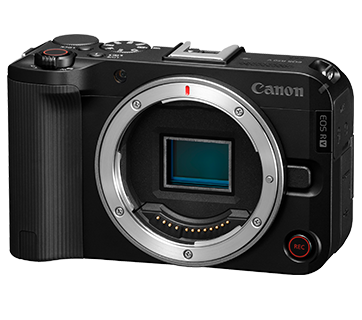
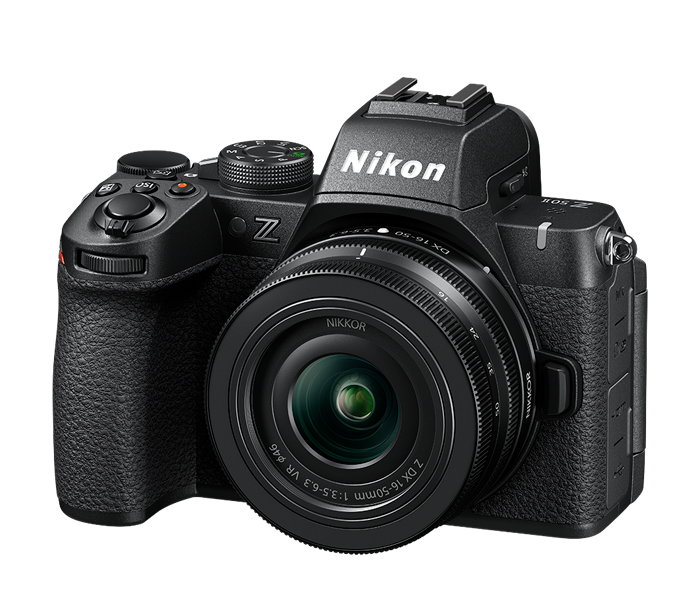
The Canon EOS R50 V and Nikon Z50II are two entry-to-mid-level APS-C mirrorless cameras launched by their respective brands targeting aspiring photographers, vloggers, and hobbyists. Both cameras serve as gateways into their modern RF-S and Z mirrorless systems, attracting users who want a balance of portability, image quality, and expandability. As direct competitors, it's common for buyers to consider these two models when moving up from smartphones or older DSLRs, especially given their relatively accessible price points and advanced feature sets.
Key differentiators include sensor specs, burst shooting rates, video features, build quality, and ecosystem choices. The Canon R50 V offers a more compact body and higher-resolution sensor, geared toward content creators and those seeking light carry weight. The Nikon Z50II brings weather sealing, a robust grip, a larger body, and potentially superior ergonomics for longer sessions, attracting those looking for a more durable camera for various shooting conditions. This detailed comparison will help identify which camera fits your needs best.
Specifications Comparison
Detailed Comparison
Image Quality
Both cameras use an APS-C sensor, but there are differences in resolution and size. The Canon EOS R50 V employs a 24-megapixel sensor, delivering slightly higher detail compared to the Nikon Z50II's 21-megapixel sensor. This difference is particularly noticeable when cropping or printing large images. However, the Nikon Z50II benefits from a marginally larger sensor area (23.5 x 15.7 mm versus 22.3 x 14.9 mm), which, combined with a lower pixel density, may yield somewhat better high ISO and low-light performance, especially as it offers a native ISO range up to 51,200 (expandable to 204,800).
In real-world use, both sensors deliver good dynamic range and color rendition suitable for general photography. The Canon's slightly better resolution is an advantage for fine detail, but the Nikon's expanded ISO may be favored by those who frequently shoot in challenging lighting. Ultimately, both cameras are on par for most practical photography situations, with each making tradeoffs between resolution and potential noise performance.
Autofocus System
Autofocus speed and reliability are crucial for capturing sharp images, especially in dynamic scenarios. The Nikon Z50II offers 231 autofocus points, ensuring broad coverage and accurate subject tracking. Nikon's Z-mount cameras generally have strong real-world autofocus for both stills and video, with advanced subject recognition and decent performance in low light.
Canon has invested heavily in autofocus for its EOS R line, and while complete details aren't specified for the R50 V, Canon consistently delivers reliable Dual Pixel CMOS AF in recent models, well-regarded for smooth video focus and reliable eye detection, especially for vlogging and people photography. The practical differences between the two are often nuanced: the Nikon's greater number of focus points gives extra flexibility for precise point selection and tracking, while Canon's system is known for snappy performance and consistency, especially for video content creators.
Given the specifics, the Nikon Z50II's denser AF point coverage and solid tracking performance give it a slight edge in versatility across various scenarios, including wildlife and sports.
Video Capabilities
Video is an increasingly important consideration for hybrid creators. The Canon EOS R50 V stands out here with 4K 60p capture, permitting smooth video and slow motion options, especially useful for action and creative content. It also employs digital stabilization, which, while not as effective as true in-body stabilization, does provide some aid for handheld video work.
The Nikon Z50II offers 4K video as well, but is limited to lower frame rates than Canon's 60p, restricting slow-motion potential in 4K. Additionally, it lacks any form of built-in stabilization, relying solely on lens-based VR if available. For vloggers or those shooting handheld video, these factors can produce noticeably shakier footage than the Canon in similar situations.
For hybrid shooters who prioritize higher frame rates and the convenience of digital stabilization, the Canon EOS R50 V is the clear choice for video.
Build & Ergonomics
Build quality can dramatically affect daily camera use. The Nikon Z50II offers a larger, heavier chassis (127 x 97 x 67 mm, 550g) with an ergonomic grip and weather sealing, making it better suited for serious outdoor work and longer sessions. The inclusion of a built-in electronic viewfinder also boosts compositional flexibility, particularly in bright light.
The Canon EOS R50 V is notably lighter (370g) and physically smaller (119 x 74 x 45 mm), making it ideal for travel, street photography, and vlogging. However, it lacks weather sealing, features a smaller grip, and doesn't include a viewfinder, all of which favor ease of portability over robust handling. The screen sizes are similar, though Nikon's is slightly larger at 3.2", and both offer usable resolution (1,040,000 dots).
Photographers who need a rugged, secure feel and plan to shoot outdoors in variable conditions should lean toward the Nikon. By contrast, the Canon's compactness is best for lightweight carry and casual shooting.
Battery & Storage
Battery life is a practical concern, particularly for travel, events, or longer shoots. The Nikon Z50II provides about 250 shots per charge, a figure in line with smaller mirrorless models but not extraordinary. Information about the EOS R50 V's precise battery life is not specified, but its lightweight, compact chassis suggests a similarly modest, if not slightly lower, endurance. Both likely benefit from USB charging capabilities, though the Nikon Z50II's larger body might allow for longer video recording before overheating.
Regarding storage, both cameras utilize readily available SD cards, and neither offers dual card slots at this tier, consistent with entry-level models. Real-world use suggests battery life favors the Nikon, though buyers wanting maximal endurance for long events should budget for spare batteries regardless.
Value for Money
Value is determined by balancing features, performance, and price. The Canon EOS R50 V launches at $649, notably more affordable than typical Nikon Z50II offerings (price not specified but generally higher, especially factoring in the viewfinder and weather sealing).
Canon provides more resolution, higher frame-rate 4K video, and a notably compact, lightweight build for less money, which is compelling for price-conscious buyers and those who value on-the-go convenience. The Nikon Z50II justifies its higher cost with better build quality, a dedicated viewfinder, and weather-sealing-features that could appeal to serious hobbyists or those prioritizing ruggedness and utility in challenging environments.
For pure feature-per-dollar, the Canon EOS R50 V offers more, especially for creators who want strong video capabilities without breaking the bank.
Lens Ecosystem
The strength and flexibility of the lens ecosystem is a long-term consideration. The Canon RF-S mount is newer, and native APS-C lenses for the R system are still somewhat limited, though RF-mount full-frame lenses can be used, often at higher price points and with increased size. Canon's roadmap suggests ongoing growth, but early adopters face a somewhat limited native kit.
Nikon's Z-mount has a head start with more APS-C and full-frame lens variety, and several well-received compact zooms and primes suitable for Z50-series bodies. The ability to adapt legacy F-mount lenses also broadens options for users with older Nikon glass.
Overall, Nikon's ecosystem is a little more mature and varied, especially for those with existing Nikon equipment or who anticipate future system expansion.
Our Verdict
Both the Canon EOS R50 V and Nikon Z50II are strong contenders in the entry-level mirrorless camera market. The Canon wins in video performance, portability, and overall value for money, making it the best option for creators prioritizing lightweight design, high-resolution video, or a lower price point. It's particularly well-suited for vloggers, travel photographers, or anyone stepping up from a smartphone who values ease of use and modern video features. The Nikon Z50II, meanwhile, leads on build quality, ergonomics, autofocus versatility, and system maturity, making it a compelling buy for those seeking a robust, weather-sealed camera with ecosystem flexibility and a traditional shooting experience (thanks to its viewfinder). Its slightly better performance in challenging conditions, and wider lens options, make it an excellent choice for enthusiast photographers. Your personal priorities-portability and value vs. ruggedness and handling-should ultimately guide your decision.
Canon EOS R50 V
Nikon Z50II
Also Compare
Frequently Asked Questions
Which camera is better for beginners?
The Canon EOS R50 V is generally easier for absolute beginners due to its straightforward controls, compact size, and strong autofocus for both photo and video. Its lower price also reduces the barrier to entry. That said, the Nikon Z50II is beginner-friendly as well and offers better ergonomics for those willing to invest a bit more.
Is there a big difference in video quality or features?
Yes, the Canon EOS R50 V offers 4K 60p recording and digital stabilization, which is superior for vloggers and creators wanting slow-motion or smoother handheld footage. The Nikon Z50II lacks digital stabilization and is limited to lower 4K frame rates, making the Canon more appealing to hybrid shooters.
Which camera is better for outdoor or rugged use?
The Nikon Z50II is better suited to rugged use thanks to its weather-sealed build, stronger grip, and built-in electronic viewfinder, all of which contribute to comfort and reliability in challenging environmental conditions. The Canon EOS R50 V is more susceptible to weather and physical wear due to its lightweight construction and lack of sealing.
How do the lens options compare between the two systems?
Nikon's Z-mount ecosystem currently offers a wider range of APS-C and full-frame lenses, and the ability to adapt existing F-mount lenses expands options even further. Canon's RF-S system is growing, but APS-C specific lenses are still relatively few, though full-frame RF lenses are available at higher costs. For maximum versatility, Nikon holds the edge.
Which camera has a better battery life?
Both cameras offer modest battery life typical for their class, but the Nikon Z50II has a slight edge, rated for about 250 shots per charge. Regardless, users of both cameras should plan to carry extra batteries for extended sessions.
Is one camera more portable or travel-friendly?
The Canon EOS R50 V is more portable, weighing only 370g with a compact form factor. This makes it very easy to carry for travel and daily use. The Nikon Z50II is larger and heavier, which adds durability but makes it less pocketable.