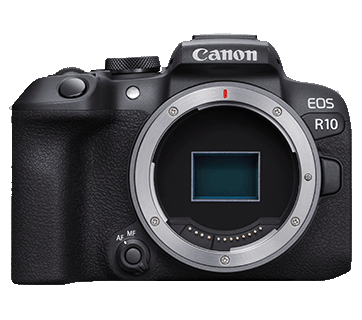
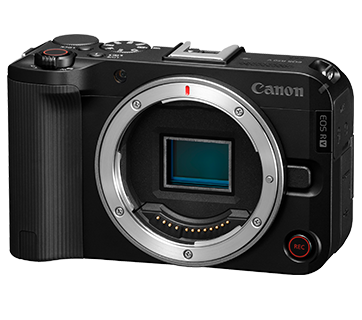
The Canon EOS R10 and Canon EOS R50 V are two popular APS-C mirrorless cameras in Canon's expanding RF system lineup. They are frequently compared because both target enthusiasts and entry-level photographers looking for a compact, versatile camera but with slightly different priorities. The R10, released in 2022, represents a mid-tier option aimed at advanced beginners and hobbyists, while the newer R50 V (2025) builds on Canon's trend toward creator-focused features, emphasizing portability, affordability, and vlogging functionality.
Shoppers considering these models are typically choosing between a more robust, feature-rich camera (R10) and a more streamlined, compact model that's tailored for on-the-go use and video content creation (R50 V). The key differentiators are the R10's superior burst shooting speed, advanced autofocus, better battery life, and more substantial grip versus the R50 V's lighter form factor, higher video frame rate, and lower price. Deciding between these cameras hinges on whether your priorities lean more toward swift action photography and handling (R10) or portability and enhanced video/vlogging features (R50 V).
Specifications Comparison
Detailed Comparison
Image Quality
Both the Canon EOS R10 and EOS R50 V use nearly identical APS-C sized sensors (22.2 x 14.8 mm and 22.3 x 14.9 mm, respectively) with 24-megapixel resolution. In practice, image quality between the two cameras is virtually indistinguishable, producing crisp, detailed photos with impressive color rendition and dynamic range. Low-light performance is similar, given their matching sensor technologies and no significant disparity in ISO range.
The R10 does have an edge in high ISO expandability (up to ISO 32,000 versus the R50 V's unspecified but likely similar range), but real-world differences are minimal for most users. Both cameras lack in-body image stabilization, though the R50 V includes digital IS for video (which doesn't affect stills); effective results when using stabilized RF or RF-S lenses are, therefore, comparable.
Overall, neither camera provides a significant advantage over the other in terms of still image quality. The choice here will be guided more by handling, speed, and features rather than sensor performance.
Autofocus System
The Canon EOS R10 features a robust autofocus system with 651 phase-detection points, which is notable for a camera at its price point. This dense coverage enables quick, accurate focus acquisition and reliable subject tracking-especially useful for action, wildlife, or sports photography. Canon's latest Dual Pixel CMOS AF tech ensures speedy performance in both stills and video.
The R50 V, while likely inheriting strong autofocus algorithms from the latest generation, does not have published specifics on AF point count, which suggests a less advanced or less densely covered system than the R10. In practical use, the R10 holds a clear advantage for tracking challenging, fast-moving subjects or when objects stray to the edges of the frame.
For most beginner and casual users, both cameras will provide more than sufficient autofocus capability. However, for those who demand precision and breadth in their focusing system-such as sports or wildlife shooters-the R10's superior AF implementation stands out.
Video Capabilities
Video is an area where the Canon EOS R50 V shows clear improvements over the R10, reflecting its alignment toward creators. The R50 V can record 4K at 60p, granting access to smoother motion, slow-motion editing potential, and enhanced creative flexibility. By contrast, the R10 tops out at 4K 30p, which, while sharp, is less versatile for creators needing high frame rates. The R50 V also features digital stabilization, useful for handheld vlogging and active recording situations (albeit with a minor crop and some image softening).
The R10, lacking any form of in-body or digital stabilization, is less forgiving for run-and-gun shooters. Both cameras have articulated 3'' touchscreens-ideal for video framing-but the R50 V's lighter body further supports handheld video work. Audio features are comparable, though higher-end users may still seek external solutions.
Overall, the R50 V clearly caters to video creators, vloggers, and those requiring higher frame rates, making it the better choice for most video-centric users.
Build & Ergonomics
The Canon EOS R10 is larger (123 x 88 x 83 mm, 426g) and has a deeper, more pronounced grip, offering improved ergonomics and a more stable hold-especially when using longer or heavier lenses. Its construction feels robust for the class and includes additional physical controls (dials, buttons) for quick setting adjustments, which benefit advanced users and enthusiasts who value hands-on control.
Meanwhile, the R50 V is built for maximum portability, being significantly lighter (370g) and more compact (119 x 74 x 45 mm). This svelte profile makes it ideal for travel, everyday carry, and handheld video. However, the tradeoff is a smaller grip and fewer physical controls, which can impact comfort and speed for those with larger hands or when shooting for extended periods. Some users may also appreciate the simpler interface of the R50 V if coming from smartphones.
For those prioritizing comfort, balance with larger lenses, and quick manual control, the R10 is the stronger choice. The R50 V is superior for on-the-go, pocketable setups but compromises some handling.
Battery & Storage
The R10 features a more substantial battery, rated for approximately 450 shots per charge, which is above average for a mirrorless camera in its segment. This makes it suitable for full-day outings or extended shooting sessions without frequent recharging or carrying multiple spares. The R50 V, by contrast, likely uses a smaller battery (precise ratings are not published, but its body and class suggest a lower shot count), which is a common compromise in ultra-compact cameras.
Storage options are similar, both supporting SD cards. However, the R10's roomier chassis may offer a marginally faster or more durable card slot (UHS-II support is likely but should be verified; the R50 V may be limited to UHS-I).
For users who shoot a high volume of photos or cover events, the R10's superior battery life is a significant benefit. Casual users or those focusing on short video clips may find the R50 V sufficient but should be prepared to recharge more often.
Value for Money
The Canon EOS R50 V is positioned at a more affordable price point ($649 vs. $979 for the R10), delivering impressive features for the money, especially its 4K 60p video and lightweight design. This makes the R50 V an excellent gateway for beginners, students, or content creators seeking a high-quality, versatile camera without a substantial investment.
In contrast, while the R10 is pricier, it offers a more advanced autofocus system, faster burst shooting, better ergonomics, and stronger battery life. These extras may justify the higher cost for enthusiasts, aspiring professionals, or those who shoot action or in demanding environments. However, for buyers on a strict budget, the R50 V provides excellent bang for buck and a friendlier entry into the Canon mirrorless ecosystem.
For strict price-to-performance ratio, the R50 V is the value leader, especially for video and travel-minded users.
Lens Ecosystem
Both cameras use the Canon RF mount, but the EOS R10 is described simply as RF, while the R50 V is labeled RF-S, Canon's sub-series specifically for APS-C bodies (though both are compatible with RF and RF-S lenses). In practice, this means buyers of either camera have access to the growing selection of Canon's native RF and RF-S lenses, ranging from ultra-wide to telephoto and several compact primes.
Physical size and balance may make certain lenses feel better on one or the other-larger RF lenses may pair awkwardly with the diminutive R50 V, whereas the R10's more robust grip can handle heavier optics comfortably. Functionally, both cameras offer the same lens compatibility and future-proofing within the Canon mirrorless world.
For lens selection and adaptability, the two are evenly matched.
Our Verdict
The Canon EOS R10 emerges as the overall winner, thanks to its superior autofocus system, faster continuous shooting, better ergonomics, and stronger battery life. These qualities make it the better choice for photographers focused on action, events, wildlife, or anyone needing a versatile all-rounder with robust handling and performance. Advanced hobbyists and those planning to invest in larger lenses will also appreciate the R10's more substantial build and controls. However, the Canon EOS R50 V stands out as the go-to choice for up-and-coming creators, vloggers, and those who value maximum portability or budget-friendliness. Its 4K 60p video capability and compact body deliver excellent value and modern features for travel, YouTube, or everyday use. Buyers choosing between these two should prioritize the R10 for stills and fast action, and the R50 V for lightweight, affordable, and video-centric shooting.
Canon EOS R10
Canon EOS R50 V
Also Compare
Frequently Asked Questions
Which camera is better for vlogging or YouTube?
The Canon EOS R50 V is better suited for vlogging and YouTube, offering 4K 60p video, digital stabilization for handheld shooting, and a lighter, more compact design that is easier to carry and hold at arm's length.
Is there a big difference in photo quality between the R10 and R50 V?
No, both cameras share a similar 24MP APS-C sensor and produce comparable image quality. Differences in photos will mainly come from lens choice and processing, not from the camera bodies themselves.
Which model is better for sports or wildlife photography?
The Canon EOS R10 is better for sports or wildlife thanks to its faster 15 fps burst rate, advanced 651-point autofocus system, and deeper grip for holding longer lenses.
Will my RF or RF-S lenses work on both cameras?
Yes, both the R10 and R50 V are compatible with Canon RF and RF-S lenses, so you can use the same lenses interchangeably. Just note that larger RF lenses may feel more balanced on the R10's larger grip.
Which camera is better for travel or street photography?
The Canon EOS R50 V's lightweight and compact body make it more convenient for travel or street photography, especially when paired with compact RF-S lenses. However, the R10 provides better handling and battery life for longer sessions.
Is the price difference between the two models justified?
The R10's higher price is justified for users who want advanced autofocus, better handling, and longer battery life. If your focus is video, portability, or you're on a tighter budget, the R50 V offers tremendous value with excellent video features.