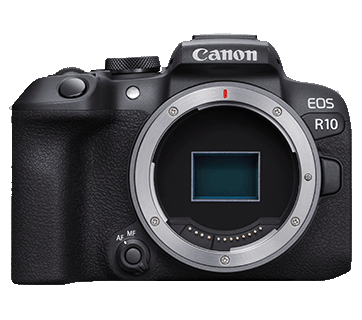
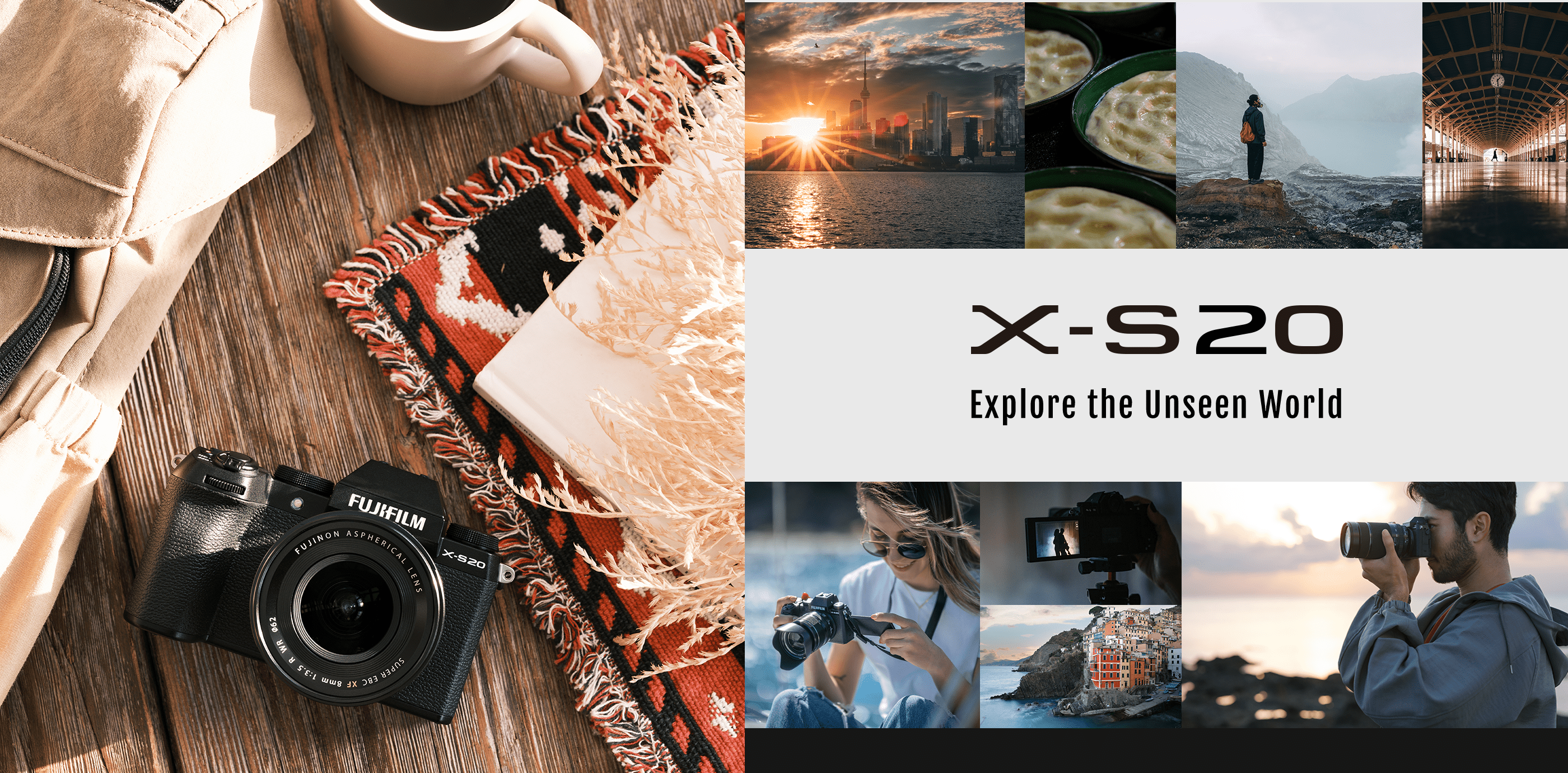
The Canon EOS R10 and Fujifilm X-S20 are two compelling mirrorless cameras aimed at enthusiasts and semi-professionals looking for performance and versatility in an APS-C format. Each camera combines a strong feature set with unique characteristics that appeal to different users-whether they prioritize video capabilities, still photography, or overall system compatibility. With the Canon EOS R10 launched in 2022, and the Fujifilm X-S20 launched in 2023, photographers face a challenging decision when comparing these models, as both brands offer distinct advantages.
Specifications Comparison
Detailed Comparison
Image Quality
In terms of image quality, the Fujifilm X-S20 has a slightly higher resolution with 26 megapixels compared to the Canon EOS R10's 24 megapixels. This extra resolution can provide more detail, particularly in larger prints or when cropping images. Both cameras feature APS-C sensors which deliver similar performance in terms of dynamic range and color accuracy, but the X-S20's new sensor design is optimized for better low-light performance, especially when pushed to higher ISO settings. The Canon, on the other hand, has a native ISO range of 100-32000, which is solid for most applications, but the Fujifilm can expand up to ISO 51200, making it more versatile in low-light scenarios. However, both systems provide excellent color rendition, although the Fujifilm's film simulation modes are particularly praised for their creative options.
Autofocus System
The autofocus system is one of the standout features for both cameras, but they approach it differently. The Canon EOS R10 boasts an impressive 651 autofocus points, allowing for precise focusing across the frame. This is particularly beneficial for fast-moving subjects, making the R10 suitable for sports or action photography. Conversely, the Fujifilm X-S20 utilizes 425 autofocus points, which while fewer, are still effective for most scenarios. In practical terms, both systems offer fast and reliable autofocus performance; however, the R10's superior number of points may give it an edge in challenging focusing situations. That said, the X-S20 excels with its face and eye detection features, providing great reliability for portrait photography.
Video Capabilities
When it comes to video performance, the Fujifilm X-S20 is a clear leader, supporting 4K video recording at up to 60 frames per second compared to the Canon EOS R10's maximum 4K recording at 30 fps. This higher frame rate allows for smoother motion rendering, which is crucial for dynamic video applications. Additionally, the X-S20 features advanced video specs including F-Log and 10-bit internal recording, providing filmmakers with more latitude in post-production. The EOS R10, while still offering excellent video quality, lacks some of the advanced video capabilities present in the X-S20, making it less appealing for the dedicated videographer. Overall, the X-S20 provides a more comprehensive suite of video tools that will satisfy those focused on high-quality video production.
Build & Ergonomics
In terms of build quality, both cameras feature a robust design, although their dimensions and weight differ significantly. The Canon EOS R10 is lighter at 426 grams, making it easier to carry around for long shooting sessions. Its smaller dimensions (123 x 88 x 83 mm) also enhance its portability, ideal for travel photography. In contrast, the Fujifilm X-S20 weighs 491 grams and has a bulkier design (127 x 85 x 65 mm), which some users might find less convenient. However, the X-S20 does provide a more substantial feel in hand, which can be preferable for users with larger hands. Both cameras are weather-sealed to varying degrees, adding durability for outdoor use, although the X-S20's build quality might be more appealing to those who often shoot in harsh conditions.
Battery & Storage
Battery life can be a dealbreaker for many photographers, and here the Fujifilm X-S20 excels with a rating of approximately 750 shots per charge compared to the Canon EOS R10's 450 shots. This increased battery life makes the X-S20 more suitable for all-day shooting, particularly for events or travel. Both cameras accept SD cards for storage, but the X-S20's support for UHS-II cards provides faster read/write speeds, beneficial for high-resolution video and burst shooting. However, users should consider that the Canon R10 is still capable of impressive performance despite its lower battery life, and may find its costs savings on additional batteries to be an advantage down the line.
Value for Money
Pricing is another important aspect; the Canon EOS R10 is priced at $979, making it significantly more affordable than the Fujifilm X-S20, which retails for $1299. For those on a budget, the R10 offers excellent value, packing in a variety of features suitable for beginners and intermediate users alike. Alternatively, the X-S20 justifies its higher price with advanced video capabilities, better stabilization, and longer battery life, which may be well worth the investment for serious videographers and content creators. In conclusion, users should weigh the importance of features against their budgets when deciding which camera represents better value for their specific needs.
Our Verdict
Overall, the Fujifilm X-S20 emerges as the winner in this comparison due to its superior video capabilities, better low light performance, and longer battery life-making it an excellent choice for those focused on both photography and videography. However, the Canon EOS R10 offers great value for money, particularly for still photographers and those seeking a lightweight, portable option. Depending on your specific needs-whether it be action photography, video work, or budget considerations-either camera could be the right choice. Ultimately, buyers should assess what features matter most to them before making an informed decision.
Canon EOS R10
Fujifilm X-S20
Also Compare
Frequently Asked Questions
Which camera is better for low light performance?
The Fujifilm X-S20 has better low light performance due to its expanded ISO range and newer sensor technology, making it more suitable for shooting in challenging lighting conditions.
Is the Canon EOS R10 a good choice for beginners?
Yes, the Canon EOS R10 offers great features at an affordable price, making it an excellent option for beginners looking to delve into photography or videography.
Can both cameras shoot 4K video?
Yes, both cameras can shoot 4K video, but the Fujifilm X-S20 supports higher frame rates (up to 60 fps) compared to the Canon EOS R10 (up to 30 fps).
What is the weight difference between the two cameras?
The Canon EOS R10 is lighter at 426 grams, whereas the Fujifilm X-S20 weighs 491 grams. This makes the R10 more portable for long shooting sessions.
Which camera offers better autofocus features?
The Canon EOS R10 has more autofocus points (651 compared to the X-S20's 425), which may provide greater accuracy in complex shooting scenarios.