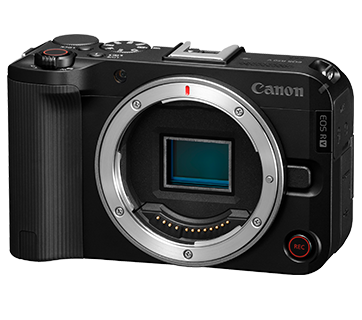
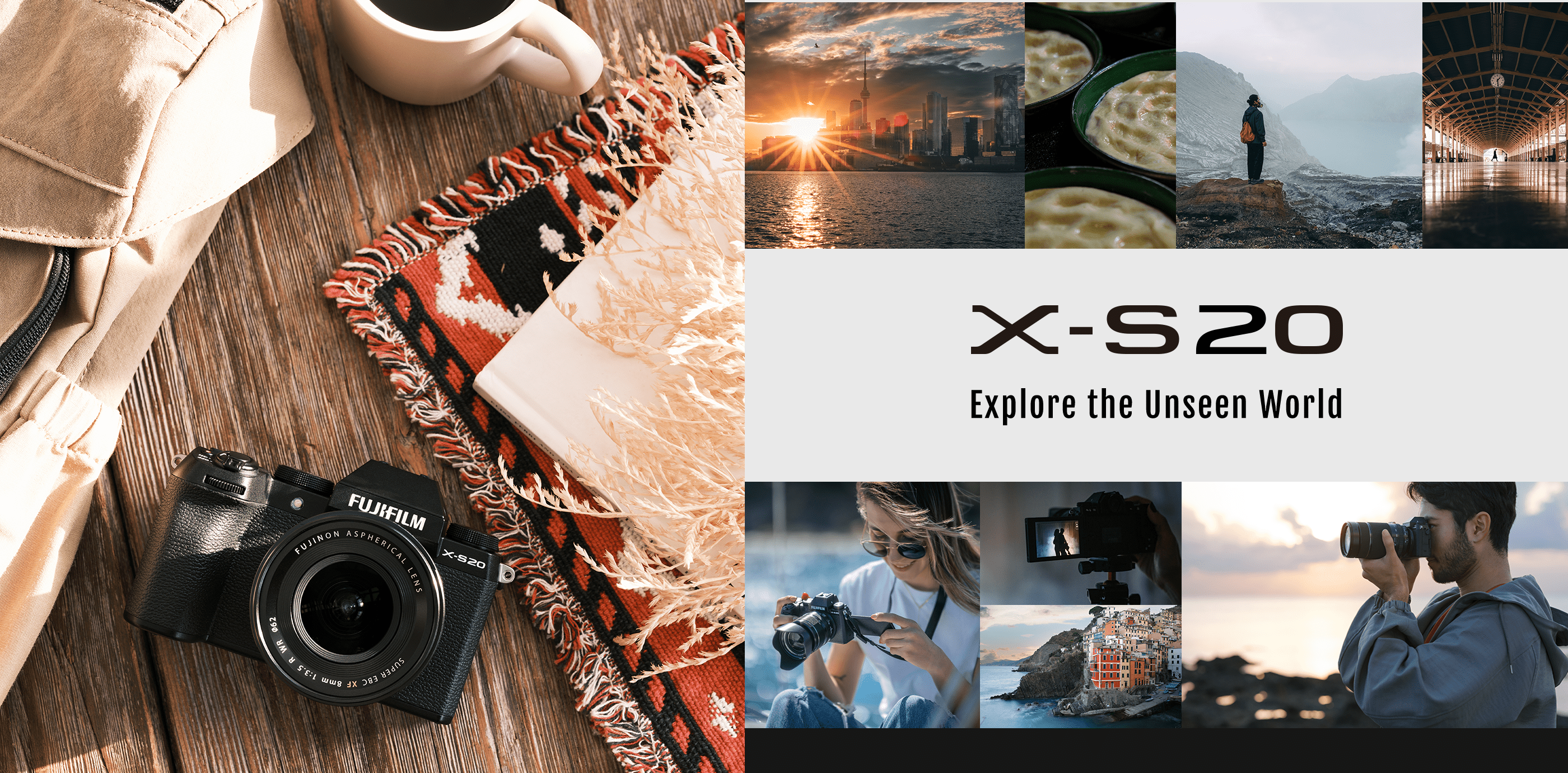
The Canon EOS R50 V and the Fujifilm X-S20 are two of the most compelling APS-C mirrorless cameras targeted at enthusiast photographers, hybrid content creators, and vloggers. Buyers often compare them because both offer advanced features, portable bodies, and 4K 60p video, making them mainstream options for those wanting more than an entry-level camera. Photographers evaluating these two are typically deciding between Canon's emerging RF-S ecosystem and Fujifilm's well-established X-series offerings.
Key differentiators include price, sensor performance, in-body stabilization, autofocus sophistication, and system accessories. The Canon EOS R50 V is more budget-friendly and lighter, lowering the barrier for new creators or vloggers. The Fujifilm X-S20, on the other hand, justifies its higher cost with in-body stabilization, a larger battery, and extensive Fujifilm lens options. Understanding these core differences will help buyers decide which camera better matches their needs and creative ambitions.
Specifications Comparison
Detailed Comparison
Image Quality
Both cameras feature APS-C sensors, with the Canon EOS R50 V using a 24MP chip (22.3 x 14.9mm) and the Fujifilm X-S20 a slightly higher resolution 26MP sensor (23.5 x 15.6mm). While the difference in megapixels is modest, the X-S20's sensor is physically larger, potentially offering a minor edge in dynamic range and high ISO performance, especially in demanding lighting conditions.
Fujifilm is also renowned for its appealing JPEG color science and film simulations, allowing users to achieve distinctive looks straight out of camera-an advantage for enthusiasts who value quick, attractive results. Canon's color science is accurate and pleasing as well, but offers fewer built-in creative profiles than Fujifilm.
Both cameras resolve considerable detail, but the X-S20's greater bit-depth and extended ISO range (ISO 160-12800, expanding to 80-51200) provides more room for low-light shooting and image manipulation in RAW. In practical use, differences are subtle for social media or general prints, but advanced users may appreciate Fujifilm's added flexibility.
Therefore, while both deliver high performance, the Fujifilm X-S20 holds a slight advantage for image quality purists.
Autofocus System
When it comes to autofocus, both cameras offer modern, fast, and reliable systems suitable for most subjects. The Fujifilm X-S20 boasts a 425-point phase detection AF system that covers much of the frame and is known for its accuracy, subject tracking, and face/eye detection performance. This makes it a versatile option for action, street, and portrait photography.
Canon's EOS R50 V also delivers impressive autofocus, featuring Canon's proven Dual Pixel CMOS AF with robust subject tracking and eye detection. While Canon doesn't specify the number of AF points in the spec list provided, Dual Pixel AF has been highly regarded for its smoothness, especially in video mode. For most real-world scenarios, both cameras provide reliable AF, but the X-S20's denser point array may offer slightly better precision for tracking across the frame, particularly in challenging, fast-paced scenes.
However, the practical differences in autofocus performance between these two are minor for most mainstream users. Their speed and accuracy in both still and video modes easily outclass older models and entry-level DSLRs. For photographers demanding the absolute best subject tracking, the X-S20's broader point coverage may clinch the win.
Still, for most, either system will deliver reliable, modern AF performance.
Video Capabilities
Both the Canon EOS R50 V and Fujifilm X-S20 shoot 4K video at up to 60p, a major selling point for hybrid shooters, vloggers, and content creators. Canon's camera features strong oversampled 4K video and is known for its reliable autofocus during video-a boon for single-person productions.
The major differentiator, however, is stabilization. The R50 V offers only digital (electronic) stabilization, which is serviceable but can result in crop and less effective shake correction, especially during handheld shooting. In contrast, the X-S20 features highly regarded 7-stop in-body image stabilization (IBIS), which enables smoother handheld video and slower shutter speeds without blur, extending creative options for video and low-light photography.
In terms of video profiles, Fujifilm offers F-Log for more flexible color grading in post-production, which advanced video creators will appreciate. The R50 V is user-friendly for straightforward vlogging but less flexible for color grading or run-and-gun shooting where stabilization is key.
For serious video creators or those needing the best stabilization, Fujifilm X-S20 is the stronger choice.
Build & Ergonomics
The Canon EOS R50 V is notably light and compact at 370g and measures 119 x 74 x 45 mm-ideal for travelers or vloggers prioritizing portability. Its design is straightforward, with a fully articulating touchscreen and simplified controls targeting beginners and creators on the go.
The Fujifilm X-S20 is more substantial, weighing in at 491g with a body measuring 127 x 85 x 65 mm. This added heft translates to a deeper grip and a more substantial feel that's better for holding larger lenses or shooting for long periods. It also features an electronic viewfinder (EVF) for traditional composition, a higher-resolution touchscreen (1.84M dots vs. Canon's 1.04M dots), and more physical controls, appealing to enthusiast photographers who value manual adjustments.
Overall, the Canon EOS R50 V wins on portability and ease-of-use, but the Fujifilm X-S20 delivers a more serious, ergonomic shooting experience better suited to advanced users or those using heavier lenses.
The winner comes down to priorities: maximum portability versus serious, comfortable shooting with more tactile control.
Battery & Storage
Battery life is a crucial consideration, especially for travel and all-day shoots. The Fujifilm X-S20 boasts a remarkable battery life of up to 750 shots per charge, easily outlasting the Canon EOS R50 V, which, while not specified here, generally achieves closer to 300-350 shots based on the model's class and battery size. This makes the X-S20 a clear winner for those who shoot frequently or on-the-go without frequent access to charging.
Both cameras accept SD memory cards; however, storage capacity will depend on card choice rather than camera design. With the X-S20's support for larger file sizes (e.g., 4K 60p, higher megapixels), faster cards are recommended for smooth performance. Also noteworthy is the X-S20's more robust heat management, allowing for longer video recordings, an important consideration for content creators.
In summary, for anyone needing reliable all-day power and extended video runtimes, Fujifilm X-S20's superior battery outperforms the Canon R50 V by a considerable margin.
Value for Money
The Canon EOS R50 V is significantly more affordable, retailing at $649 USD compared to the Fujifilm X-S20's $1299 USD price tag. For newcomers, students, or those working with a limited budget, the R50 V offers a full suite of mirrorless features, strong video performance, and straightforward usability at a lower cost of entry. Its price also leaves more budget for lenses and accessories.
On the other hand, the X-S20 justifies its premium with added features: in-body stabilization, a higher resolution EVF, more robust battery life, and arguably more advanced video and photo capabilities. For experienced users or those intending to grow into their camera system, the investment may be worthwhile, especially when paired with Fujifilm's extensive native lens lineup.
Still, for most mainstream photographers and hobbyists, the Canon's combination of price and performance represents outstanding value. The extra cost of the Fujifilm is justified only if you will actively use its advanced features.
Lens Ecosystem
The Canon EOS R50 V uses the Canon RF-S mount. While the RF lens lineup is growing, it still lags behind Fujifilm in native APS-C-specific lenses, especially in affordable or compact options. Adapting older EF/EF-S lenses is possible, but this can diminish portability and features.
Fujifilm's X-mount, in contrast, is long-established and offers an extensive selection of high-quality primes, zooms, and specialty lenses from both Fujifilm and third-party makers. This breadth gives users more choices at all price and performance points, supporting a wider range of creative needs.
For photographers who value having access to a wide assortment of glass, especially for genres like landscape, portrait, macro, or professional work, Fujifilm's lens ecosystem is the clear winner.
Our Verdict
The Fujifilm X-S20 wins most categories: image quality, autofocus, video, battery life, and lens ecosystem, justifying its higher price for dedicated hobbyists, hybrid creators, and advanced photographers. Its in-body stabilization, larger battery, and deeper lens options set it apart for those seeking a versatile, future-proof system and top performance in both stills and video work. However, the Canon EOS R50 V is a strong competitor, especially considering weight and price. Its superb value, compact body, and excellent image/video quality make it highly attractive for beginners, travel photographers, and budget-conscious creators. If portability or cost are primary concerns, the Canon is the smarter pick. But for users seeking the most capability and room to grow, the Fujifilm X-S20 is the superior investment.
Canon EOS R50 V
Fujifilm X-S20
Also Compare
Frequently Asked Questions
Which camera is better for travel and vlogging?
The Canon EOS R50 V wins in size and weight, making it easier to carry and hold at arm's length. However, the Fujifilm X-S20 offers better in-body stabilization for smoother video. For light packing and simple shooting, Canon is ideal; for advanced handheld video, Fujifilm excels.
Is the price difference between the two justified?
Yes, the Fujifilm X-S20 offers tangible upgrades-like IBIS, a larger battery, more megapixels, and an extensive lens ecosystem-that justify its higher price for serious users. The R50 V provides great value for beginners or those with limited budgets.
Which system has better lenses?
Fujifilm X-mount has a wider, well-developed range of high-quality, APS-C-specific lenses and more third-party options. Canon's RF-S system is growing but isn't as mature, especially for affordable primes and specialized lenses.
How does autofocus compare for sports or wildlife?
Both are fast and accurate, but the X-S20's 425-point system offers broader frame coverage and slightly more sophisticated subject tracking. Both can handle action, but Fujifilm may have a small edge for demanding tracking tasks.
Which camera is better for battery life?
The Fujifilm X-S20 is the clear winner, with up to 750 shots per charge, ideal for long days of shooting or travel.
Does the R50 V's lack of in-body stabilization matter?
For casual photos and basic video, digital stabilization can suffice, but for advanced handheld video or low-light stills, IBIS (as in the X-S20) is a major advantage.