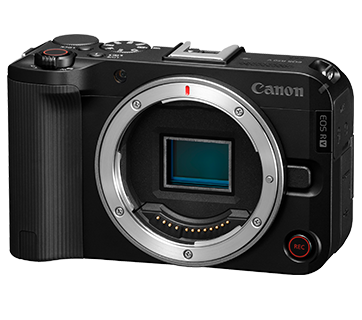
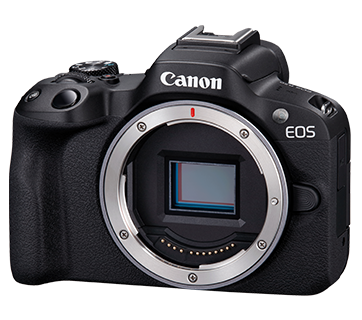
The Canon EOS R50 V and Canon EOS R50 are two highly comparable entry-level mirrorless cameras aimed at enthusiasts, vloggers, and casual photographers transitioning from smartphones or older DSLRs. With both models featuring a similar 24MP APS-C sensor and Canon RF mount family, many buyers will naturally compare the two when looking for a compact, affordable option for hybrid shooting. The 'V' in the R50 V suggests a special focus on video or vlogging features, while the original R50 offers a well-rounded package for both stills and movie capture.
Despite their similarities, key differentiations arise in their video capabilities, ergonomics, and value proposition. The R50 V brings faster 4K video options and a lighter, more compact body, while the original R50 boasts a superior screen, more robust autofocus, a higher resolution EVF, and slightly broader feature set aimed at those prioritizing photography or a more traditional camera experience. Potential purchasers will weigh these tradeoffs based on their focus - whether it's on video/vlogging, still image quality, or an all-around performer for hybrid use.
Specifications Comparison
Detailed Comparison
Image Quality
Both the Canon EOS R50 V and EOS R50 share the same 24MP APS-C (22.3 x 14.9 mm) sensor, ensuring that their core image quality in terms of sharpness, dynamic range, and noise performance will be nearly identical in real-world use. Whether you're shooting in low light or well-lit conditions, both cameras can deliver crisp, detailed photos.
Where they differ is in the supporting technology: the EOS R50 offers a broader native ISO range (100-32000 vs. no stated ISO range for the R50 V) and a higher-resolution LCD screen (1,620,000 dots vs. 1,040,000 on the R50 V). These features may give R50 still shooters a small edge in evaluating their images on-camera and handling tricky lighting. Also, the R50's electronic viewfinder (EVF)-absent in the R50 V-helps with accurate framing and review in bright sunlight, benefitting those who prefer a traditional shooting experience.
On stabilization, neither model includes in-body optical stabilization: the R50 V has digital-only stabilization, mainly for video, which does not aid stills. Thus, handheld shooting relies on lens-based stabilization for both. Overall, in stills image quality, the differences are subtle and more about usability than raw sensor performance.
Autofocus System
Autofocus is an essential feature for any modern mirrorless camera, and while both cameras most likely use similar Dual Pixel CMOS AF technology, the EOS R50 lists a clear advantage with its 651 autofocus points versus unspecified AF performance for the R50 V. This wider coverage likely allows for more precise focus tracking, especially with fast-moving subjects.
The lack of published AF points on the R50 V may suggest a pared-down or simplified AF system, possibly with fewer points or less granularity. For casual shooters, either camera will likely perform well in typical conditions, but those capturing sports, action, or needing precise subject tracking may benefit from the R50's expanded focus coverage.
Other autofocus features, such as subject detection or eye tracking, are likely similar but cannot be confirmed for the R50 V based solely on the specs. In summary, the R50 takes a clear lead for advanced autofocus expectations based on available data.
Video Capabilities
Here is where the Canon EOS R50 V shines. It supports 4K recording at up to 60 frames per second (60p), offering double the frame rate of the EOS R50's 4K 30p maximum. This delivers smoother video, accommodates slow-motion playback, and is especially useful for content creators, vloggers, or anyone prioritizing cinematic flexibility and future-proofing.
The R50 V also offers digital stabilization, which, while not as effective as in-body optical stabilization, still helps smooth out handheld footage for casual run-and-gun videography. In contrast, the R50 provides no video stabilization, so users must rely purely on lens-based IS or gimbal support for steady shots.
Additionally, given its lighter, more compact body, the R50 V is easier to use for handheld shooting, an important factor for vloggers or frequent travelers. For those whose primary focus is video, the improvements on the R50 V are substantial.
Build & Ergonomics
With a weight of just 370g and slimmer dimensions (119 x 74 x 45 mm), the R50 V is noticeably lighter and more compact than the EOS R50 (375g, 116 x 86 x 69 mm). This makes it easier to pack, carry, and hold for extended periods - a plus for vloggers or anyone prioritizing portability.
However, the EOS R50 features a deeper grip and a slightly larger profile, which many users will find preferable for traditional stills shooting and stability, especially when pairing with larger RF lenses. It also boasts an electronic viewfinder (EVF) for eye-level shooting, a boon in bright sunlight and valuable for photographers accustomed to composing with a viewfinder.
Display quality also leans in favor of the EOS R50, with its 3-inch screen packing 1,620,000 dots compared to the R50 V's 1,040,000. This sharper LCD aids both shooting and image review.
Ultimately, the R50 V is more portable, while the EOS R50 provides better ergonomics for extended or photography-centric use and a brighter, sharper screen and EVF.
Battery & Storage
While neither camera's full battery specifications are provided, both fall into the entry-level mirrorless category and likely share similar battery life. However, the smaller size of the R50 V may hint at a slightly smaller battery, possibly resulting in marginally reduced endurance during long shoots.
Both models most likely use UHS-I SD card slots, typical for Canon cameras in this class, ensuring comparable storage speed and capacity. Comprehensive battery and storage figures remain to be confirmed for the R50 V, but based on dimensions and design, there is no decisive advantage apparent for either camera at this time.
Value for Money
With an MSRP of $649, the R50 V is priced lower than the EOS R50's $679, making it the more accessible option from a cost perspective, particularly for those just starting out or focusing on video. The newer model also brings updated video specs (4K60p) and a lighter package - benefits not to be underestimated for its target audience.
On the other hand, the EOS R50 justifies its slightly higher price with a sharper, higher-resolution LCD, a built-in EVF, a more sophisticated autofocus system, and a more ergonomic build that some photographers will value for image review and serious shooting. For still-shooting enthusiasts or those needing a viewfinder, the price premium is warranted.
Overall, if video is your focus or you value a great all-around and modern package at a lower price, the R50 V offers impressive value. For those still leaning towards photography and traditional controls, the R50's extra features make it a worthy consideration, but the R50 V's value proposition is stronger for most new buyers.
Lens Ecosystem
Both cameras use the Canon RF mount, with the R50 V specifically listed as using "RF-S" and the R50 using "RF." In practice, both will accept RF and RF-S lenses, which means buyers have access to Canon's growing ecosystem of native glass, plus the option to adapt EF and EF-S lenses with an additional adapter.
Therefore, neither model has a clear advantage in lens compatibility; the choice of lenses will depend far more on the user's needs and budget, not the camera body.
Our Verdict
The Canon EOS R50 V and Canon EOS R50 split their strengths almost evenly, resulting in a tie overall: the R50 V stands out as the top pick for video-focused users and vloggers, thanks to its superior 4K 60p recording, digital video stabilization, lighter build, and lower price - making it the most compelling choice for new content creators in 2025. Conversely, the original EOS R50 offers a better experience for photographers, with a higher-resolution screen, an electronic viewfinder, more sophisticated autofocus, and a larger grip - all important for comfort during extended shooting sessions and precise control when capturing high-quality stills. Your ultimate decision should hinge on your primary use case: if you're prioritizing video or on-the-go portability, the R50 V is the clear choice. If still photography, traditional handling, and advanced autofocus matter most, the original R50 may be more satisfying in the long run.
Canon EOS R50 V
Canon EOS R50
Also Compare
Frequently Asked Questions
Which camera is best for vlogging or video content creation?
The Canon EOS R50 V is the superior camera for video and vlogging thanks to its 4K 60p video capability, digital video stabilization, and lighter, more compact build. Its features are tailored to content creators and will give you smoother, more flexible footage.
Does the Canon EOS R50 V have a viewfinder?
No, the R50 V does not include an electronic viewfinder (EVF). It relies exclusively on the rear LCD for framing. If you need a viewfinder for bright light shooting or prefer an eye-level experience, the original R50 is the better choice.
How do the autofocus systems compare for fast or moving subjects?
The Canon EOS R50 specifies 651 autofocus points, likely offering wider coverage and more accurate subject tracking than the R50 V (unspecified, but likely less). For action, sports, or wildlife, the R50 is generally the better choice.
Is there a major difference in photo quality between the two cameras?
No - both feature the same 24MP APS-C sensor and deliver very similar image quality in terms of resolution, dynamic range, and low-light performance. Differences relate more to usability (screen resolution, EVF) than to core photo output.
Are both cameras compatible with the same lenses?
Yes. Both use the Canon RF/RF-S mount, so you can use the growing lineup of RF/RF-S lenses from Canon and third parties, as well as EF or EF-S lenses via an adapter.
Which camera offers better overall value for a beginner?
The Canon EOS R50 V offers stronger value for most beginners due to its lower price, lighter weight, and better video capabilities. However, if you expect to shoot a lot of stills or want traditional controls like a viewfinder, consider the R50.