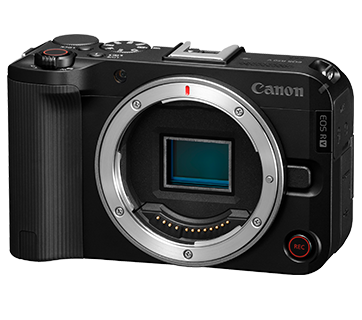
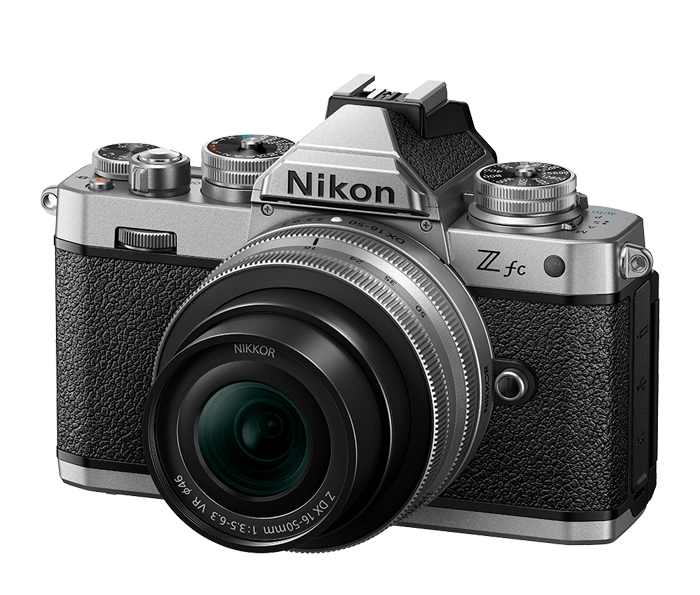
The Canon EOS R50 V and Nikon Z fc are two popular APS-C mirrorless cameras often considered by enthusiast photographers, vloggers, and beginners looking to step up from smartphone photography. Although they hail from different brands with distinct design philosophies, both cameras aim to deliver strong image quality, robust autofocus, and 4K video in compact bodies. Buyers often compare these two models due to their similar target audience, approachable handling, and the reputations of their mirrorless ecosystems.
Choosing between the EOS R50 V and the Z fc may come down to feature nuances, handling preferences, and value. The Canon EOS R50 V is notably lighter, newer, and offers faster burst shooting and higher video frame rates. The Nikon Z fc features a retro-inspired design, a broader lens mount, and an electronic viewfinder, catering to both beginners and those with a taste for classic aesthetics. Key differentiators include the video specs, ergonomics, and the value proposition given each camera's launch price and features.
Specifications Comparison
Detailed Comparison
Image Quality
Both cameras utilize APS-C sensors, with the Canon EOS R50 V sporting a 24-megapixel sensor (22.3 x 14.9 mm) and the Nikon Z fc featuring a slightly larger APS-C sensor (23.5 x 15.7 mm) but at a lower resolution of 21 megapixels. In practice, these differences are subtle, but the R50 V offers some extra detail for cropping or enlargements. On the other hand, the pixel size on the Z fc may result in slightly better high-ISO noise performance.
In terms of ISO range, the Nikon Z fc is more versatile, offering native ISO 100-51200 (expandable to 204800), while Canon's settings aren't specified but are typically competitive. Color science is subjective, but both brands' APS-C sensors produce pleasing and natural results, with Canon known for vibrant tones and Nikon for its accuracy.
In real-world use, unless you regularly push ISO above 12800 or require the utmost detail for large prints, the image quality differences are minor. Both produce RAW files with good dynamic range suitable for editing.
Ultimately, the R50 V's higher megapixel count provides a marginal edge for resolution, but the Z fc's slightly larger sensor size and broader ISO range may appeal to low-light shooters.
Autofocus System
The Nikon Z fc is equipped with 209 autofocus points covering much of the frame, which enables fast and accurate subject tracking, especially for stills. Canon's R50 V inherits the company's advanced Dual Pixel CMOS AF, known for its responsive subject detection and smooth transitions in both photo and video. While Canon does not specify the total number of AF points for the R50 V, its recent cameras generally offer excellent face and eye detection, especially for humans and animals.
In continuous AF and for tracking, Canon's system is slightly ahead thanks to its newer software algorithms and snappy subject recognition, particularly valuable for vlogging and fast-moving scenes. The Nikon Z fc, however, holds its own with reliable AF for stills, though real-time subject tracking in video may not be as polished.
Both cameras cater well to their respective audiences, but if autofocus reliability and advanced detection features for video matter, Canon's system is a step ahead.
In summary, while both perform admirably, the Canon R50 V pulls ahead with stronger real-time tracking and subject detection, particularly in video.
Video Capabilities
The Canon EOS R50 V clearly targets hybrid creators: it delivers uncropped 4K video at 60 frames per second, which is ideal for slow motion, action, and future-proofing your content. Its digital-only stabilization helps with handheld shooting, though it can't match physical in-body stabilization.
The Nikon Z fc supports 4K recording at up to 30 frames per second, with crisp output and solid color rendition. However, it lacks any digital or in-body stabilization in camera, and the maximum frame rate is lower, limiting slow-motion footage options. For vloggers and content creators, the lack of stabilization may require reliance on stabilized lenses or careful shooting techniques.
Both have fully-articulating 3-inch screens with 1,040,000 dots resolution, suitable for self-recording and flexible shooting angles.
If your focus is on high-quality, flexible video-especially 4K60 or smoother slow-motion options-the Canon R50 V offers greater capabilities directly in the camera.
Build & Ergonomics
The Nikon Z fc stands out immediately with its classic film-era styling, blending retro dials and tactile controls with modern digital internals. It features a magnesium alloy frame, electronic viewfinder, and a larger grip, making it appealing to those who value traditional camera handling and direct control over settings. Its weight (445g) and footprint make it feel more substantial in the hand.
The Canon EOS R50 V is distinctly more compact and lightweight (370g), making it ideal for travel and long shoots where portability matters. Its modern ergonomics, streamlined button layout, and smaller body appeal to minimalists or creators needing an everyday carry camera. However, it lacks a built-in electronic viewfinder, which could be a drawback for those who prefer composing through a finder, especially in bright light.
Both have high-quality articulating touchscreens. Ultimately, the choice comes down to personal preference: the Z fc offers more control and the satisfaction of analog-style dials, while the R50 V prioritizes portability and a no-frills user interface.
Because of the inclusion of an EVF and robust build, the Nikon Z fc is the winner for users who prioritize tactile controls and flexible shooting environments.
Battery & Storage
The Nikon Z fc's CIPA-rated battery life is approximately 300 shots per charge-a figure typical of compact mirrorless models, but not outstanding. Canon doesn't specify the shot count for the R50 V, but comparable Canon cameras tend to deliver similar or slightly higher performance thanks to efficient power management in more recent models. Neither features dual card slots, keeping them basic in storage flexibility.
The Nikon Z fc's removable battery is user-replaceable, and its USB charging options allow some on-the-go flexibility, but it's best to plan for extra batteries for all-day shooting. Canon's more recent USB-C implementation in the R50 V generally supports charging while in use, which can be useful for video shooters or during livestreams.
Both cameras will demand carrying spare batteries for extended outings, but the usability edge goes to Canon for its potentially longer battery life, USB charging during use, and a lighter package that encourages always having it on hand.
Overall, it's a close call, but Canon's newer internals and charging flexibility offer a slight advantage.
Value for Money
The Canon EOS R50 V launches at $649 (body only), making it one of the most affordable APS-C mirrorless models in its class, particularly given the inclusion of modern features like 4K60p video, strong autofocus, and a fully-articulating touchscreen. This aggressive pricing makes it a compelling entry point for new users or content creators.
The Nikon Z fc's pricing at $959 (body only) reflects its combination of style, EVF, and robust construction. While it offers a premium look and nostalgic controls rarely seen at this price, buyers pay a significant premium for its aesthetics, electronic viewfinder, and build.
Feature-wise, the R50 V offers comparable or superior specs for a lower price. Its only major omission is the lack of an EVF and in-body stabilization. For buyers on a budget, or those who don't value the Z fc's retro controls, Canon's latest is clearly superior for dollar-for-dollar value.
Taking into account features and price, Canon is firmly ahead on value.
Lens Ecosystem
Both Canon RF-S and Nikon Z mounts are relatively young compared to DSLR systems, but each is growing quickly. Canon's RF mount has a rapidly expanding selection of lenses, though the RF-S (APS-C) lens lineup is smaller. Adapters are available for EF lenses, though with potential limitations. Nikon's Z mount offers a few dedicated DX (APS-C) lenses but shines when cross-compatible with full-frame Z-mount glass-helpful, though sometimes more expensive and bulkier.
Third-party lens support is limited for both systems, though Nikon has been more open in recent years, resulting in a modest but growing third-party offering. Canon's restriction on third-party autofocus lenses may limit budget lens choices in the short term.
If you plan to invest in high-quality glass, both ecosystems are future-proof, though Nikon's willingness to allow more third-party lens development is a plus, especially for APS-C shooters shopping on a budget.
Given the broader openness and compatibility, the Nikon Z system currently has a slight advantage.
Our Verdict
Overall, the Canon EOS R50 V emerges as the better all-rounder for most buyers thanks to its compelling combination of image quality, advanced subject tracking autofocus, superior video features (notably 4K60p), lighter weight, and significantly lower price. These strengths make it an especially attractive choice for content creators, vloggers, and beginners seeking the best value and most up-to-date features in the APS-C mirrorless market. The Nikon Z fc, while pricier, deserves credit for its premium build, classic styling with tactile controls, and the inclusion of an electronic viewfinder-qualities that appeal strongly to traditional photographers or those who value style and immersive shooting experiences. It is also slightly ahead in lens compatibility for those who want access to third-party options or premium full-frame glass. Photographers who prioritize these ergonomic or system factors may find it the more satisfying choice, even at a higher cost. In summary, unless you specifically want a built-in EVF or retro design, the Canon EOS R50 V offers the best combination of features, usability, and value.