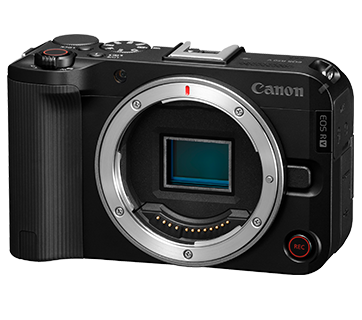

The Canon EOS R50 V and the Sony ZV-E10 II are frequently compared by content creators, vloggers, and amateur photographers looking for compact, affordable APS-C mirrorless cameras with strong video features. Both are targeted at creators who want high-quality imaging in a portable package, fast connectivity, and straightforward usability, but there are crucial differences in specifications and design philosophy.
Often, buyers choosing between these models are considering their first dedicated interchangeable-lens camera for social media, YouTube, or hybrid stills and video use. The R50 V, Canon's latest budget-friendly mirrorless for 2025, appeals with its competitive price and user-friendly ergonomics, while Sony's ZV-E10 II (2024) is the successor to the popular vlogging series, adding advanced autofocus, slightly higher resolution, and improved durability. Key differentiators include autofocus system sophistication, lens mount ecosystem, price, and certain workflow features such as weather sealing and connectivity options.
Specifications Comparison
Detailed Comparison
Image Quality
The Canon EOS R50 V comes with a 24MP APS-C sensor (22.3 x 14.9 mm), while the Sony ZV-E10 II features a slightly larger 26MP APS-C sensor (23 x 15.5 mm). The resolution bump on the Sony offers a modest increase in detail, primarily evident for large prints or cropping in post. Both sensors deliver strong performance, but Sony's expanded ISO range (100-32000, expandable to 50-102400) provides more flexibility in challenging lighting conditions, making it potentially better for low-light shooting.
In real-world use, JPEGs from Canon often have pleasing color science and strong out-of-camera skin tones, which many vloggers and portrait shooters appreciate. Sony, however, excels in sensor dynamic range and high ISO performance, offering slightly cleaner images at very high sensitivities. For standard usage in good and moderate light, image quality is very comparable and unlikely to be the deciding factor for most casual users.
Both cameras record images to SD cards and provide RAW shooting. Serious shooters who care about every bit of sensor performance may lean toward Sony, but the difference for the typical creator or enthusiast is slight.
Autofocus System
Autofocus is an area with a clear technical divide. The Sony ZV-E10 II boasts an advanced 759-point autofocus system, incorporating Sony's Real-time Tracking and Eye AF for both humans and animals. This system is widely regarded as one of the best in the class for video and stills, providing reliable, sticky subject tracking and fast refocusing-even in lower light.
Canon's R50 V features a solid autofocus system that covers a wide area of the frame and performs well for face and eye detection, but it does not match the sheer coverage and sophistication of Sony's tracking. For fast action or dynamic video content, Sony's AF is likely to provide more consistent results, especially when recording oneself or unpredictable subjects.
That said, Canon's system is intuitive and easy to use for beginners, with effective subject detection and quick, simple menu settings. Still, the ZV-E10 II offers more advanced AF tracking features, especially valued by solo shooters, vloggers, and those shooting moving subjects.
Video Capabilities
Both the Canon EOS R50 V and Sony ZV-E10 II record 4K video up to 60p, which is crucial for modern creators. Each provides a fully articulating (vari-angle) touchscreen, making them ideal for selfie-style shooting and overhead vlogs. Both lack in-body optical stabilization: Canon offers digital video stabilization only, while Sony provides neither IBIS nor digital stabilization in-camera (users can stabilize in post or through compatible lenses).
The video output on both is clean and detailed, thanks to their oversampled sensors. Sony's color science has made significant improvements in recent years, and with the benefit of advanced autofocus, the ZV-E10 II is favored by many for reliable, professional-looking focus transitions during video shoots.
However, Canon's menus and video modes are highly accessible, and the R50 V comes in at a markedly lower price. Both handle common frame rates and are suitable for livestreaming and social content. Ultimately, Sony offers a slight edge in terms of autofocus reliability during video, but otherwise both cameras are strong video performers for their segments.
Build & Ergonomics
Canon's R50 V is notably compact and lightweight, weighing just 370g with dimensions of 119 x 74 x 45 mm. Its small grip and simple button layout make it exceptionally approachable for beginners, and the camera feels solid despite its entry-level position. However, it lacks weather sealing, which limits its durability in dusty or damp conditions.
Sony's ZV-E10 II weighs a smidge more (377g) but is slightly chunkier. The ZV-E10 II stands out in this category with its weather-sealed body, providing added confidence for outdoor shooters or those traveling in variable climates. The deeper grip and button placement may suit users with larger hands or those who want a slightly more robust feel. Neither camera has a viewfinder-typical for this category but a consideration for bright outdoor work.
Both models use fully articulating 3-inch screens (Canon: 1,040,000 dots, Sony: 1,036,800 dots) with negligible resolution differences. Overall, Sony's weather sealing offers a tangible real-world advantage, making it the more robust option for creators on the go.
Battery & Storage
Both cameras use standard SD/SDHC/SDXC card slots and are powered by compact proprietary batteries. The actual battery life between the Canon EOS R50 V and Sony ZV-E10 II is quite similar for stills and video recording, with both supporting USB-C charging that allows for topping up on the go.
Sony's cameras are typically known for slightly better endurance, and the ZV-E10 II's new processor and efficient power management may eke out a few more shots or extra minutes of 4K recording over the Canon-though real-world differences are minor for most users. Both models allow for continuous power via USB-C, which is crucial for streaming or long video recordings.
Storage format does not differ in practice, and neither includes dual card slots, so workflow is equally straightforward.
Value for Money
The Canon EOS R50 V is priced at $649 USD, undercutting the Sony ZV-E10 II ($1000 USD) by a significant margin. For buyers on a budget, beginners, or those prioritizing affordability, the Canon represents a highly compelling entry into mirrorless, offering solid image quality, class-competitive video, and Canon's approachable interface at a lower price.
While the Sony ZV-E10 II offers advanced autofocus, additional megapixels, weather sealing, and an improved sensor, the $350 premium may not justify the added features for every buyer-especially those not requiring specialized AF performance or durable construction. For many, the Canon's core performance hits the sweet spot for value.
However, professionals or those needing weather sealing and best-in-class AF may see the Sony's features as worth the additional investment. Still, in terms of pure value for general creators, Canon's R50 V leadership in affordability is clear.
Lens Ecosystem
Lens selection is crucial for future system growth. Sony's E-mount ecosystem is one of the most extensive in the market, with a vast array of native lenses from Sony and third-party options spanning all price and quality points, from ultra-wide zooms to specialized primes. This gives Sony users tremendous flexibility to expand their kit or find budget lenses.
Canon's RF-S mount, while growing, remains newer and more limited compared to Sony's. There are fewer RF-S native lenses, and third-party options are only recently beginning to emerge, especially at the budget end. However, Canon users can adapt RF lenses and, with caveats, older EF/EF-S glass, but with reduced AF speed or variable compatibility.
If long-term lens flexibility or advanced optics are a priority, Sony's platform remains the stronger choice, particularly for budding photographers wanting to experiment with different shooting styles or professional lenses.
Our Verdict
Overall, the Sony ZV-E10 II edges out the Canon EOS R50 V in most technical categories: sensor resolution, autofocus sophistication, weather sealing, and ecosystem flexibility. Even though the Canon R50 V is excellent value and highly user-friendly, Sony's superior AF tracking, more mature lens platform, and improved resilience give it a lead, especially for demanding users or creators planning system growth. However, the Canon EOS R50 V represents outstanding value for beginners, casual content creators, and those happy with a simpler setup. It's easier on the wallet, lightweight, and delivers excellent image and video quality for most needs. Buyers should consider whether Sony's advanced features and robust build are essential for their use-if so, the ZV-E10 II is worth the premium. For budget-conscious creators focused on core performance, Canon's R50 V remains an extremely attractive choice.
Canon EOS R50 V
Sony ZV-E10 II
Also Compare
Frequently Asked Questions
Which camera is better for vlogging?
Both are strong for vlogging, but the Sony ZV-E10 II wins with superior autofocus tracking and weather sealing, letting you shoot confidently in more situations. However, Canon's R50 V offers great value and is lighter-key for handheld vlogging on a budget.
Does either camera have built-in stabilization?
Neither camera has in-body sensor stabilization. The Canon R50 V provides digital stabilization for video (with some crop), while Sony ZV-E10 II relies on lens-based or post-production stabilization.
Which lens system is better for growth?
Sony's E-mount has a vastly larger selection of lenses, including affordable third-party options, making it a better long-term platform. Canon's RF-S lens selection is growing, but currently more limited and slower to expand.
Is the extra cost of the Sony ZV-E10 II worth it?
If you need advanced autofocus, weather sealing, and a wide lens ecosystem, yes-the extra investment may pay off. For users mostly focused on basic content creation or with tight budgets, the Canon offers excellent performance at lower cost.
Can either camera be used for livestreaming or webcam use?
Yes. Both cameras offer clean HDMI output and USB webcam functionality, making them suitable for livestreaming or web conferences, with autofocus and video quality being strengths on both systems.
Which camera is more beginner-friendly?
The Canon EOS R50 V is especially beginner-friendly with its intuitive menus, simplified interface, and in-camera guides-ideal for first-time camera owners or upgrading from smartphones.