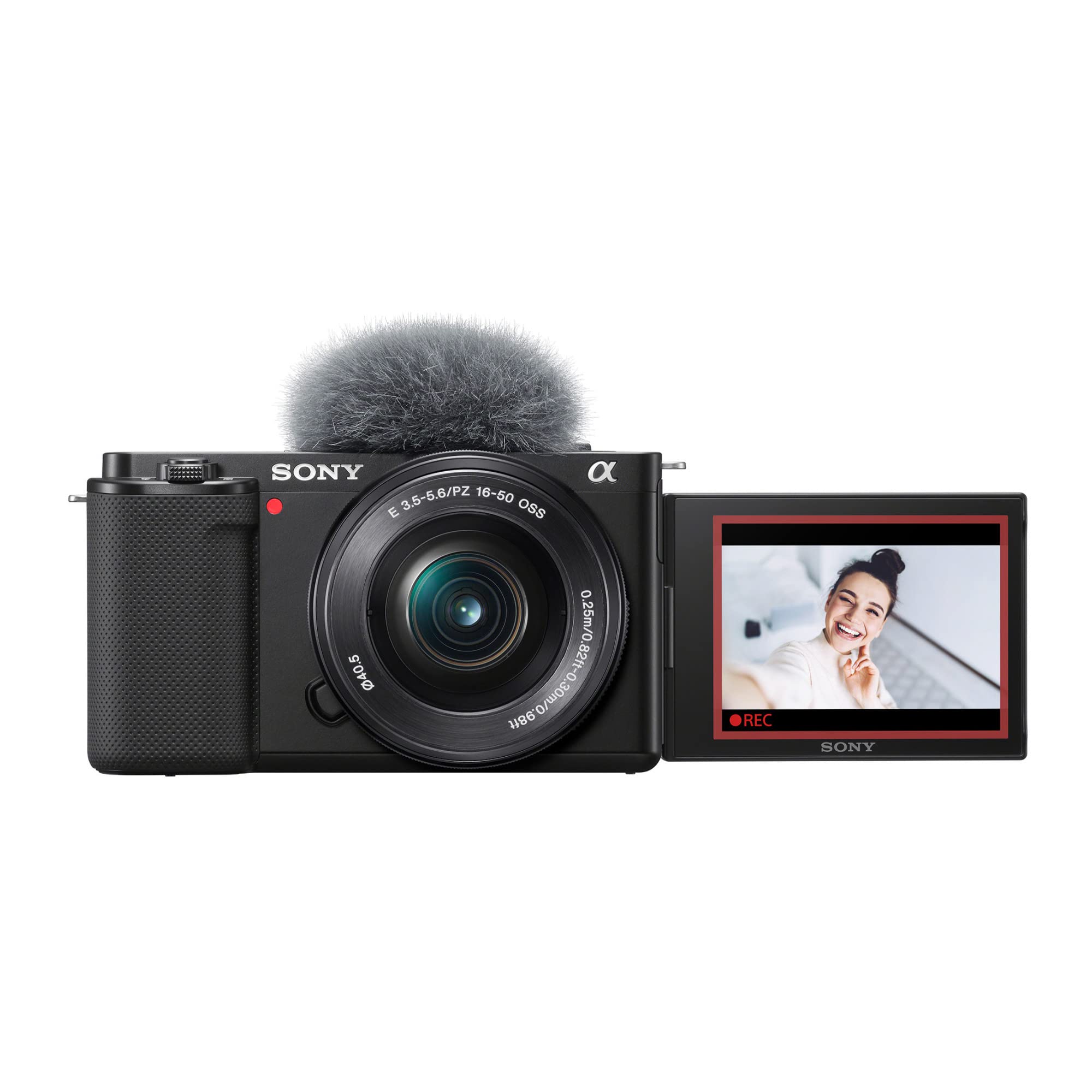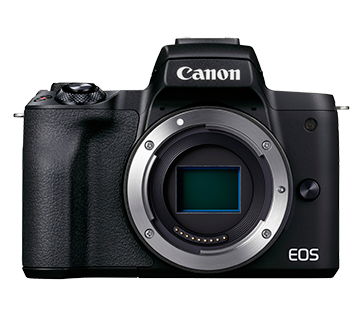
Overview
The Canon EOS M50 Mark II is an entry-level mirrorless camera launched in 2020, designed to appeal to beginner and enthusiast photographers seeking portability, user-friendliness, and quality results. Building on the success of the original EOS M50, the Mark II adds a handful of features primarily geared toward content creators, including an improved autofocus system, expanded video capabilities, and live streaming support. Its compact design, fully articulated touchscreen, and approachable controls make it a popular choice for vloggers and travelers alike.
Despite its strengths, the M50 Mark II sits in a challenging position within Canon's lineup and the broader mirrorless market. Declining support for the EF-M lens mount, modest updates over its predecessor, and stiff competition from rivals means buyers should weigh their long-term needs. However, for newcomers wanting a relatively affordable, high-quality camera that's ready for both stills and basic video, the M50 Mark II remains a compelling choice - especially if found at a good price.
Image Quality
Sporting a 24.1-megapixel APS-C sensor (22.3 x 14.9mm), the Canon EOS M50 Mark II delivers images that are crisp and detailed for its category. Colors are Canon's trademark: pleasing, neutral, and faithful, especially with JPEGs straight out of camera. Paired with quality glass - notably Canon's EF-M primes - the M50 Mark II can produce results indistinguishable from more expensive bodies in good light.
Dynamic range is respectable for an entry-level crop-sensor camera, affording some room for shadow and highlight recovery in RAW files, though performance lags slightly behind newer, higher-end APS-C competitors like the Sony a6400. Real-world shooters note image quality stands out most with low ISO (<800), where noise is minimal and detail preservation is high.
Low light is a traditional weakness for Canon's smaller sensors, and the M50 Mark II is no exception. While its ISO range of 100-25,600 (expandable) sounds robust, practical results beyond ISO 3200 quickly become noisy and show loss of color and contrast. Many users echo a preference to keep ISO below 1600 for the best quality. "Poor low-light performance compared to contemporaries, often resulting in noisy images," as one Redditor shared, sums up community sentiment here.
Overall, image quality remains a high point-and with the right lenses, the M50 Mark II can shine. However, shooters in challenging lighting or those needing the utmost in low-light performance may want to consider other APS-C or full-frame options.
What Users Say
Poor low-light performance compared to contemporaries, often resulting in noisy images.
-- Reddit community
Great image quality for a crop sensor camera, especially with good lenses.
-- Reddit community
Autofocus Performance
Canon's Dual Pixel Autofocus (DPAF) is a centerpiece of the M50 Mark II experience, particularly for photography and Full HD video. In stills and 1080p video, DPAF provides smooth, quick subject tracking with excellent face and eye detection. For vlogging, family, and event scenarios, even moving subjects are reliably kept in focus, cementing the camera's appeal to video creators and casual shooters.
That said, DPAF comes with particular limitations. The camera's autofocus system shines brightest in well-lit conditions; in dim lighting, hunting and slower acquisition become more frequent. Moreover, the upgrade from the original M50 is notably incremental, with the most tangible improvement being support for eye detection during both stills and video.
A major drawback is autofocus performance in 4K video mode. Here, Canon disables Dual Pixel AF and falls back to contrast-detect AF, which is markedly slower, less accurate, and less confident at tracking moving subjects. This is a persistent pain point for users hoping to shoot sharp, reliable 4K clips-potentially turning away hybrid shooters and more advanced video creators.
For most entry-level users, especially those shooting in 1080p, autofocus performance is a highlight: "Dual Pixel Autofocus works well in 1080p, making it suitable for vlogging." But be aware of its clear limitations in 4K and low light.
What Users Say
Dual Pixel Autofocus (DPAF) works well in 1080p, making it suitable for vlogging.
-- Reddit community
Build Quality & Ergonomics
The Canon EOS M50 Mark II is impressively compact and lightweight, making it ideal for travel, walk-around shooting, and casual days out. The plasticky build does not feel premium, but tolerances are solid and the camera feels durable enough for daily use, provided care is taken. At 387g with battery and card, it's easy to toss in a small bag or large pocket.
The grip is modest but textured, and most users find it comfortable for one-handed operation with small EF-M lenses. When adapting bulkier EF or EF-S glass, balance suffers and the camera can feel front-heavy, undermining its compact appeal. A user's comment illustrates this, "The weight of adapted EF lenses can make the setup feel unbalanced."
Physical controls on the M50 Mark II are minimalist. The top dial and limited buttons provide straightforward operation for beginners, while the touchscreen covers more advanced settings and navigation. However, advanced shooters may lament the limited dials and direct access buttons, as quick exposure adjustments require diving deeper into menus or using the touchscreen.
The fully articulated 3-inch touchscreen is a highlight, especially for vloggers and selfie shooters. It's bright, sharp, and responsive, making menu navigation and focus selection a pleasure. "Excellent touchscreen interface that's user-friendly and responsive," as one Redditor notes, is a sentiment shared widely in the community.
What Users Say
Excellent touchscreen interface that's user-friendly and responsive.
-- Reddit community
The weight of adapted EF lenses can make the setup feel unbalanced.
-- Reddit community
Limited physical controls can hinder advanced users needing quick adjustments.
-- Reddit community
Video Capabilities
Canon's marketing for the M50 Mark II targets content creators, vloggers, and social media users, aided by a fully articulating screen, microphone input, and a clean HDMI out. In Full HD, the camera excels: 1080p logic delivers crisp, detailed footage with strong Dual Pixel autofocus. Eye detection, vertical video support, and live streaming functionality (either via USB or HDMI) are welcome additions for creators.
4K video, however, is a mixed bag. The camera imposes a steep 1.6x crop atop its already cropped APS-C sensor, resulting in a narrow field of view that can be restrictive for vlogging and wide scenes. Even worse, 4K disables Dual Pixel autofocus and falls back to sluggish, less accurate contrast detection. "4K video suffers from a significant crop factor and contrast-based autofocus," sums up community frustration. For most, the 4K mode is best reserved for static, well-lit subjects with manual focus.
Audio handling is decent for the price: a 3.5mm mic input brings higher quality sound for interviews and vlogs, though there's no headphone jack for monitoring. The M50 Mark II also offers in-camera video guides and clean HDMI output for easy streaming-catering nicely to the content creation crowd.
Ultimately, the camera is a capable HD video performer, ideal for aspiring vloggers or livestreamers who value convenience and reliable autofocus. Those with more advanced or cinematic aspirations, or those determined to shoot in 4K, may be frustrated by the limitations.
What Users Say
4K video suffers from a significant crop factor and contrast-based autofocus.
-- Reddit community
If you're going to live stream and shoot vertical video then the M50 II is definitely the better camera.
-- Reddit community
Battery Life & Storage
Battery life for the Canon EOS M50 Mark II is adequate but unremarkable, rated at approximately 305 shots per charge by CIPA standards. Real-world usage generally nets between 300-400 shots, though heavy use of live view or video can reduce that figure due to the power demands of the touchscreen and continuous autofocus. Many users highlight the need for carrying multiple batteries for longer outings, as a full day's shooting may push the single battery well past its limits.
Comparing rivals, the Sony a6400 offers notably better battery endurance, while DSLRs like Canon's own SL3 (which a user referenced getting double the shots on a single charge) are far more efficient with optical viewfinders. As a mirrorless, however, the M50 II's battery performance is on par with most entry-level competitors.
On the storage front, the single UHS-I SD card slot is standard for this class. File management is straightforward; however, the lack of backup redundancy or faster card support means professionals may find it limiting.
Charging is via the included dedicated charger, though USB charging is not supported out of the box-a miss for frequent travelers or those wanting to top off on the go.
What Users Say
Battery life is inadequate, typically around 300-400 shots per charge.
-- Reddit community
On my SL3, I took about 800 photos mostly using the back screen/live view, and I was only at about half battery life at the end of the shoot.
-- Reddit community
Value for Money
The Canon EOS M50 Mark II is competitively priced for an entry-level mirrorless camera, made more appealing by frequent discounts as Canon pivots away from the EF-M system. The combination of solid image quality, user-friendly ergonomics, and comprehensive feature set means buyers get good value-especially those new to photography or video.
A frequent talking point is the future of the EF-M mount. While there's a robust selection of EF-M lenses available ("The EF-M lens system has some real bangers"), Canon's clear shift towards RF mount has cast uncertainty on future support and expansion. For those intending to gradually build a large kit or invest heavily in accessories, this is a crucial consideration. As one user cautions, "I wouldn't disregard it - just don't invest too heavily in the system."
On the bright side, adapting Canon's vast array of EF and EF-S lenses is straightforward via the EF-EOS M adapter, opening up a huge catalog of glass, even if it does sometimes undermine the camera's portability.
Against rivals like the Sony ZV-E10 and the Fujifilm X-S10, the M50 II remains price-competitive but lacks some of the more forward-looking video and autofocus specs. For those focused on cost, ease of use, and good secondhand deals, it's still a smart buy-but with caveats around system longevity.
What Users Say
If you can get a good deal on it, IMO it's worth it. The EF-M lens system has some real bangers.
-- Reddit community
It's a fine camera, one of many good options. However, the M line's days are numbered as it seems it's on its way to be discontinued.
-- Reddit community
I wouldn't disregard it - just don't invest too heavily in the system.
-- Reddit community
Key Specifications
| ISO Range | 100 – 25,600, expandable up to |
Pros & Cons
Pros
- Compact and lightweight-great for travel and everyday carry
- Very good image quality for an entry-level APS-C camera
- Excellent fully articulated touchscreen with user-friendly interface
- Reliable Dual Pixel autofocus in stills and 1080p video
- Good EF-M prime lenses available; easy EF/EF-S lens adaptation
- Affordable and approachable for beginners and vloggers
- Strong support for live streaming and vertical video
Cons
- EF-M lens mount is discontinued, limiting future upgrades
- Mediocre low-light image quality and dynamic range
- 4K video mode suffers from heavy crop and poor autofocus
- Battery life is short for long shoots or travel
- Single UHS-I card slot with no redundancy
- Minimal direct physical controls may frustrate advanced users
- Adapter use with EF/EF-S lenses makes the camera unbalanced
- No headphone jack or USB charging
Verdict
Canon EOS M50 Mark II
The Canon EOS M50 Mark II is an attractive, highly usable mirrorless camera ideally suited to newcomers, hobbyists, and content creators looking for a no-fuss, high-quality shooting experience in a small package. Its distinct strengths - intuitive touchscreen, reliable autofocus (in 1080p), solid image quality, and approachable ergonomics - make it a standout for travel, vlogging, and family photography. Occasional shooters or those wanting a lightweight, versatile kit will find much to like, especially if the price is right.
However, system limitations cannot be ignored. The discontinuation of the EF-M mount poses serious questions for long-term investment, while the lackluster 4K mode and average battery life may frustrate more demanding photographers and hybrid shooters. If you want to gradually build out a full kit or require cutting-edge video, alternative systems like Sony's E-mount or Canon's RF mount are better bets. In the here and now, the M50 II remains a smart buy for those aware of its future and comfortable with its boundaries.
Overall, the M50 Mark II is best regarded as an excellent stepping stone into interchangeable lens cameras-especially for those who prioritize simplicity, portability, and a user-friendly experience over long-term system growth.
Frequently Asked Questions
Is the Canon EOS M50 Mark II good for vlogging and YouTube?
Yes, the M50 Mark II is a strong choice for vlogging. Its fully articulated touchscreen, reliable Dual Pixel autofocus in Full HD, microphone input, and vertical video support make it very user-friendly for solo creators. However, if you require 4K video with good autofocus, its heavy crop and slower contrast-based focus may be limiting.
Can I use EF or EF-S lenses on the M50 Mark II?
Absolutely. With a Canon EF-EOS M adapter, you can mount the entire lineup of EF and EF-S lenses on the M50 Mark II. Autofocus performance is generally consistent, though larger lenses will make the compact body feel front-heavy.
Is the EF-M lens mount discontinued?
While Canon has not officially declared the EF-M mount discontinued, there are no new lenses or bodies on the roadmap. It is widely believed in the photography community that the system is being phased out in favor of Canon's RF mount. Future support and lens releases are unlikely.
How does the M50 Mark II compare to the original M50?
The M50 Mark II is a modest update, mainly adding improved autofocus (notably eye detection in video), support for vertical video, and live streaming features. Image quality, sensor, and core performance are essentially identical to the original M50.
Is the M50 Mark II good for low-light or night photography?
While usable at moderate ISO levels, the camera's APS-C sensor struggles in very low light, with visible noise appearing above ISO 1600-3200. Dedicated low-light shooters may prefer larger sensor models or more recent APS-C cameras with better high-ISO performance.
Does the M50 Mark II support USB charging?
No, the M50 Mark II does not offer USB charging out of the box. Charging the battery requires removing it and using the included wall charger.
Compare This Camera
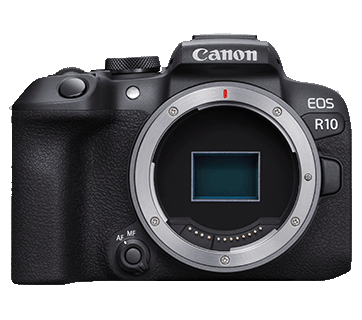
Canon EOS M50 Mark II vs Canon EOS R10
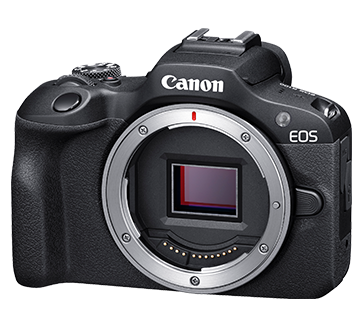
Canon EOS M50 Mark II vs Canon EOS R100
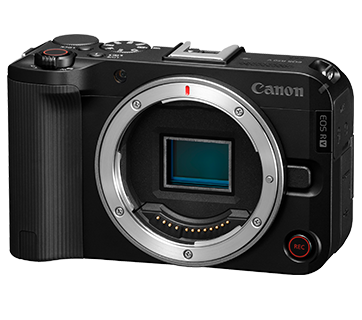
Canon EOS M50 Mark II vs Canon EOS R50 V
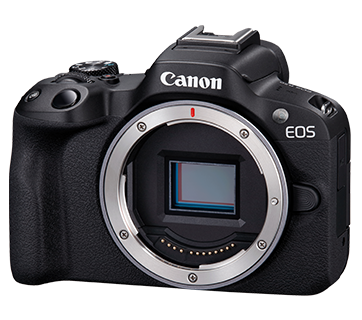
Canon EOS M50 Mark II vs Canon EOS R50
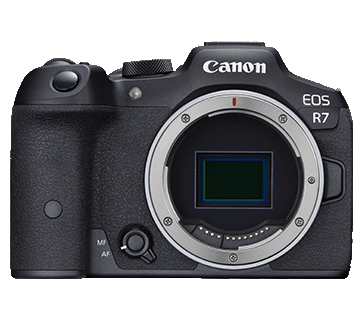
Canon EOS M50 Mark II vs Canon EOS R7
Canon EOS M50 Mark II vs Fujifilm X-H2
Canon EOS M50 Mark II vs Fujifilm X-H2S
Canon EOS M50 Mark II vs Fujifilm X-S20
Canon EOS M50 Mark II vs Fujifilm X-T5
Canon EOS M50 Mark II vs Fujifilm X100VI
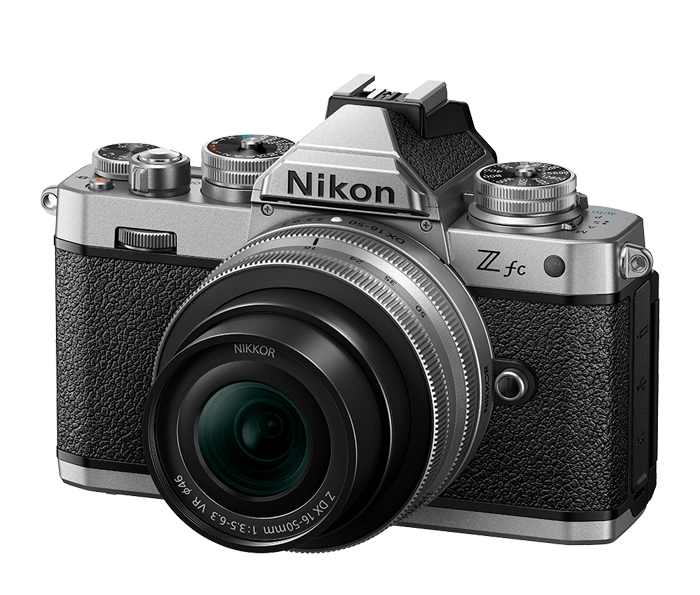
Canon EOS M50 Mark II vs Nikon Z fc
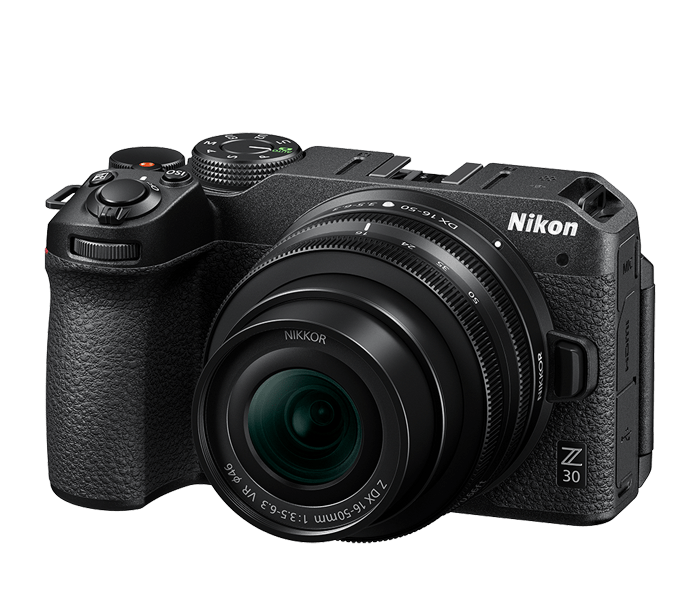
Canon EOS M50 Mark II vs Nikon Z30
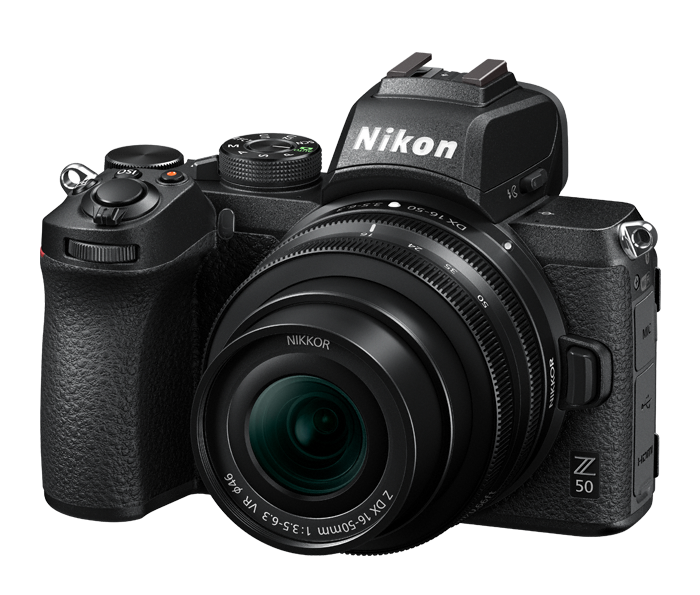
Canon EOS M50 Mark II vs Nikon Z50
Canon EOS M50 Mark II vs Nikon Z50II
Canon EOS M50 Mark II vs Sony A6100
Canon EOS M50 Mark II vs Sony A6400
Canon EOS M50 Mark II vs Sony A6600
Canon EOS M50 Mark II vs Sony A6700
Canon EOS M50 Mark II vs Sony ZV-E10 II
Canon EOS M50 Mark II vs Sony ZV-E10
Compatible Lenses
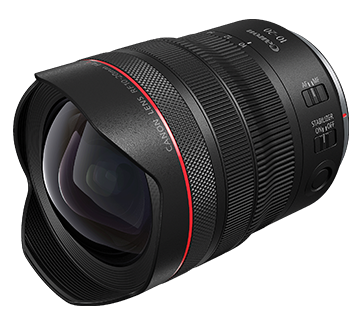
RF 10-20mm f/4L IS STM
lens
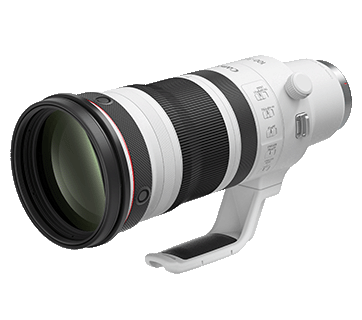
RF 100-300mm f/2.8L IS USM
lens
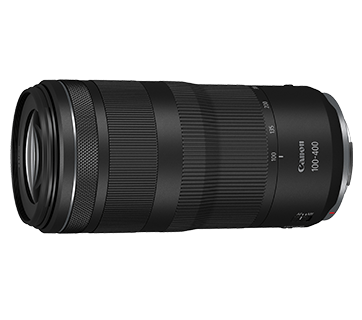
RF 100-400mm f/5.6-8 IS USM
lens
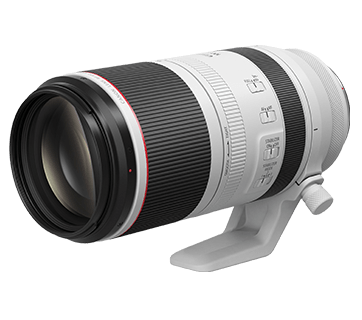
RF 100-500mm f/4.5-7.1L IS USM
lens
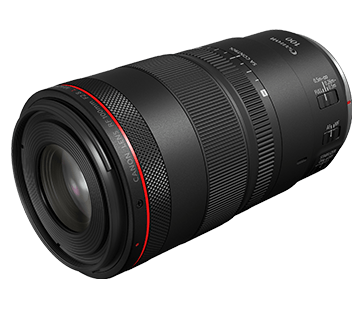
RF 100mm f/2.8L MACRO IS USM
lens
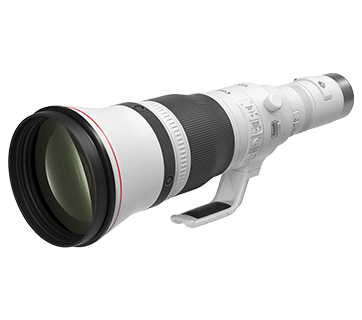
RF 1200mm f/8L IS USM
lens
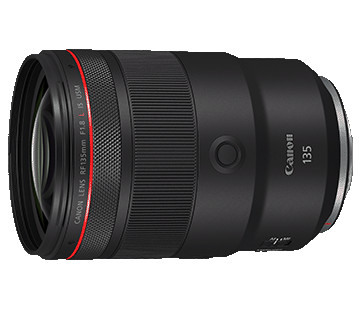
RF 135mm f/1.8L IS USM
lens
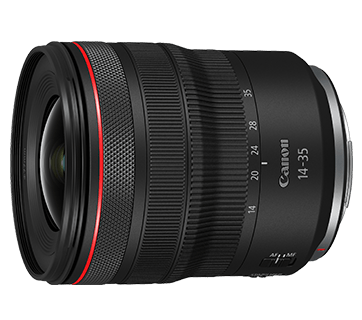
RF 14-35mm f/4L IS USM
lens
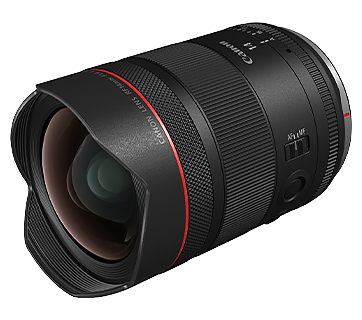
RF 14mm f/1.4L VCM
lens
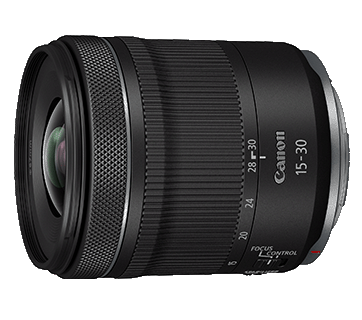
RF 15-30mm f/4.5-6.3 IS STM
lens
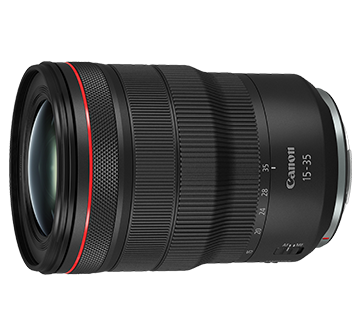
RF 15-35mm f/2.8L IS USM
lens
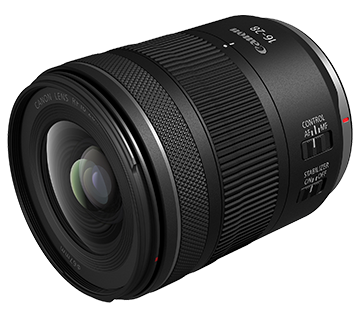
RF 16-28mm f/2.8 IS STM
lens
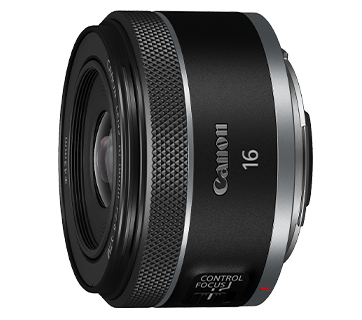
RF 16mm f/2.8 STM
lens
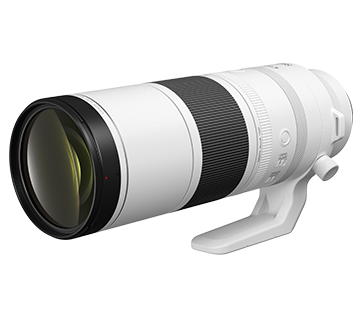
RF 200-800mm f/6.3-9 IS USM
lens
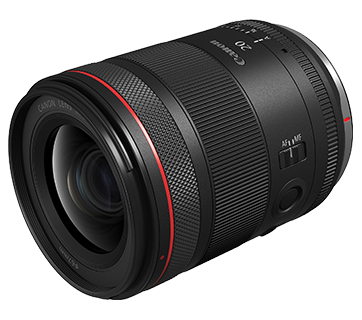
RF 20mm f/1.4L VCM
lens
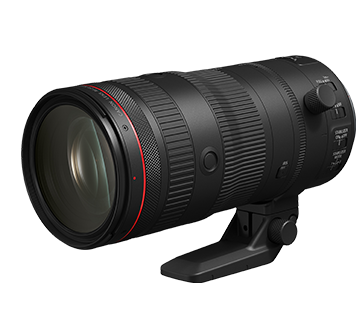
RF 24-105mm f/2.8L IS USM Z
lens
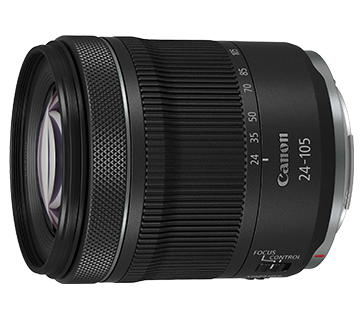
RF 24-105mm f/4-7.1 IS STM
lens
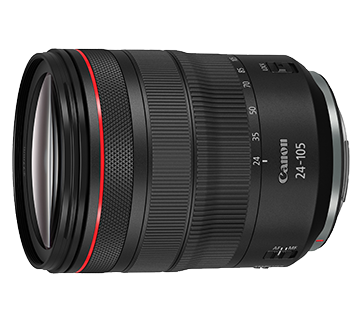
RF 24-105mm f/4L IS USM
lens
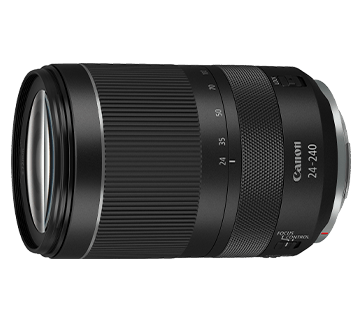
RF 24-240mm f/4-6.3 IS USM
lens
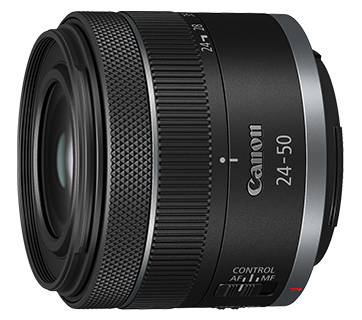
RF 24-50mm f/4.5-6.3 IS STM
lens
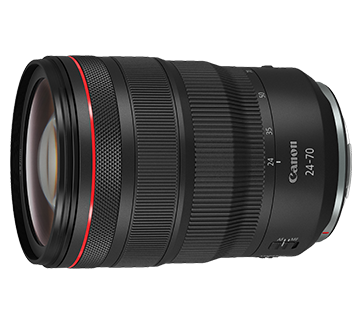
RF 24-70mm f/2.8L IS USM
lens
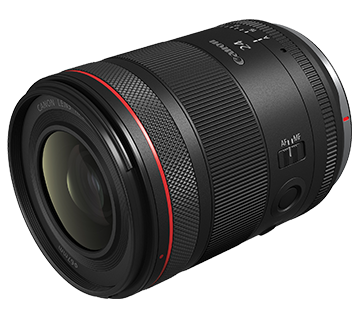
RF 24mm f/1.4L VCM
lens
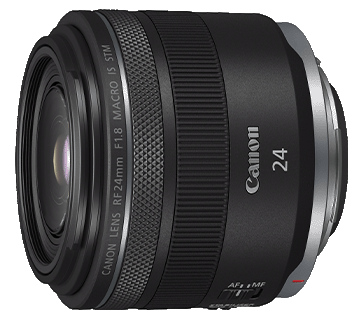
RF 24mm f/1.8 MACRO IS STM
lens

RF 28-70mm f/2.8 IS STM
lens
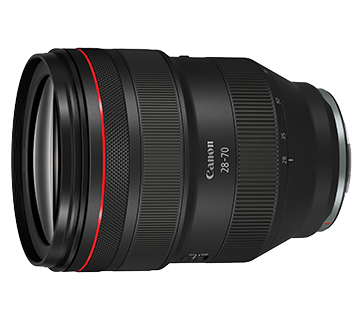
RF 28-70mm f/2L USM
lens
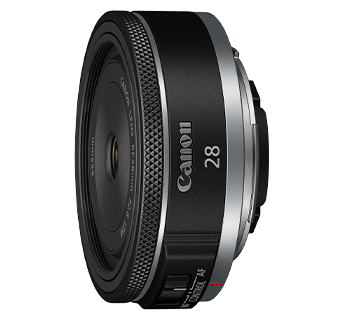
RF 28mm f/2.8 STM
lens

RF 35mm f/1.4L VCM
lens
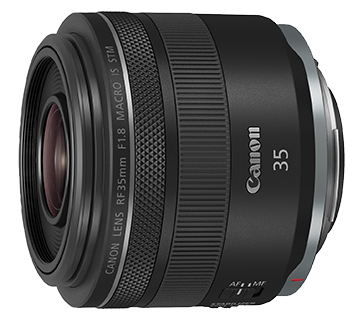
RF 35mm f/1.8 Macro IS STM
lens
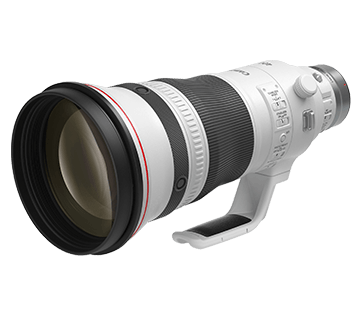
RF 400mm f/2.8L IS USM
lens
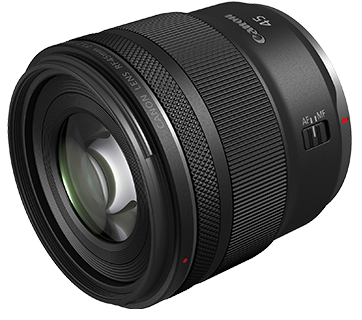
RF 45mm f/1.2 STM
lens
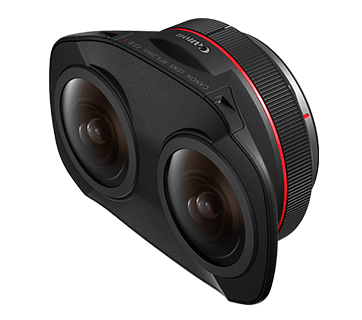
RF 5.2mm f/2.8L Dual Fisheye
lens
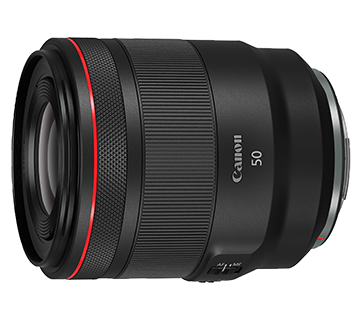
RF 50mm f/1.2L USM
lens
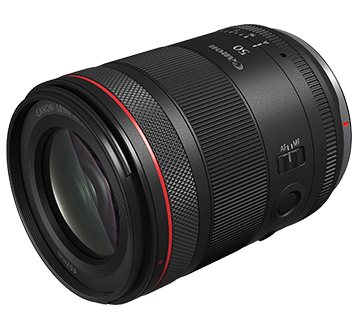
RF 50mm f/1.4L VCM
lens
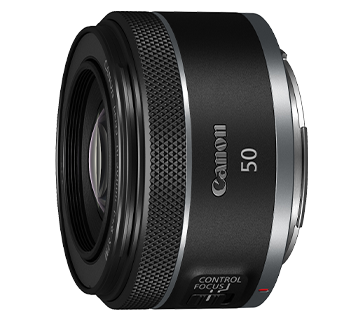
RF 50mm f/1.8 STM
lens
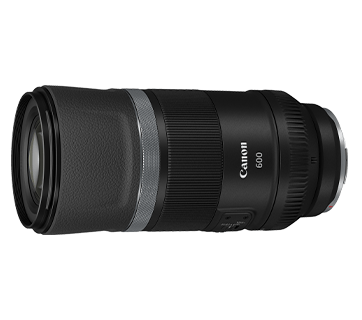
RF 600mm f/11 IS STM
lens
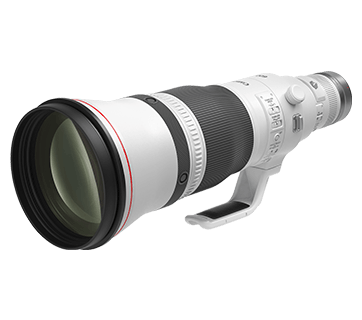
RF 600mm f/4L IS USM
lens
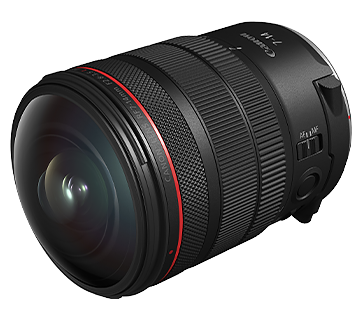
RF 7-14mm f/2.8-3.5L Fisheye STM
lens
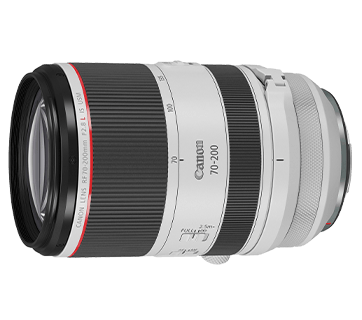
RF 70-200mm f/2.8L IS USM
lens
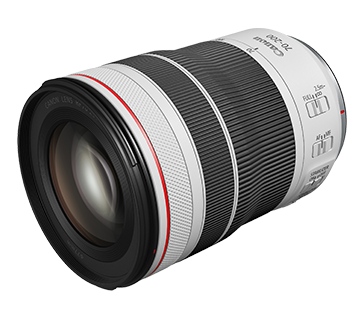
RF 70-200mm f/4L IS USM
lens
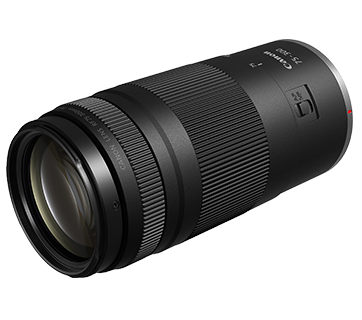
RF 75-300mm f/4-5.6
lens
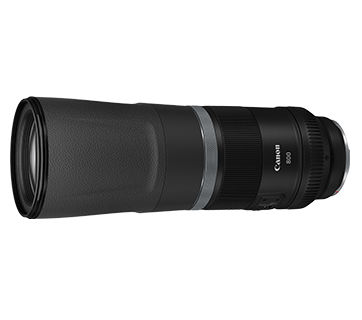
RF 800mm f/11 IS STM
lens
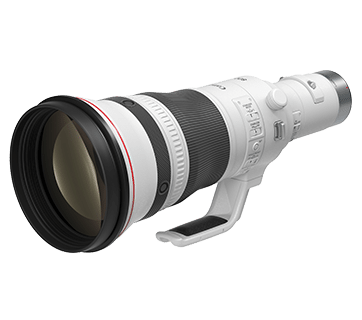
RF 800mm f/5.6L IS USM
lens
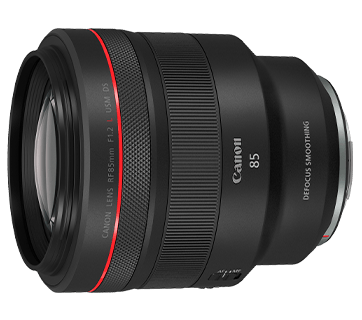
RF 85mm f/1.2L USM DS
lens
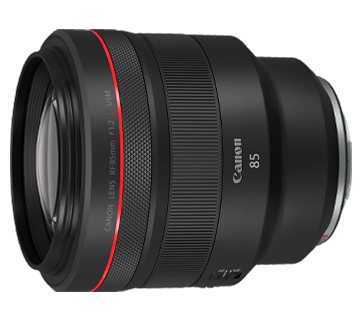
RF 85mm f/1.2L USM
lens
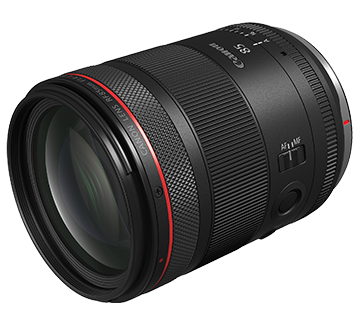
RF 85mm f/1.4L VCM
lens
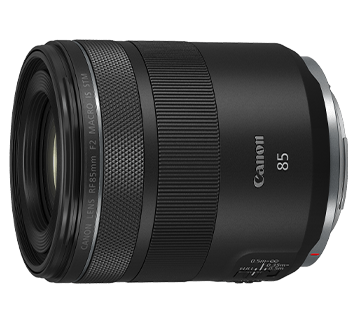
RF 85mm f/2 Macro IS STM
lens
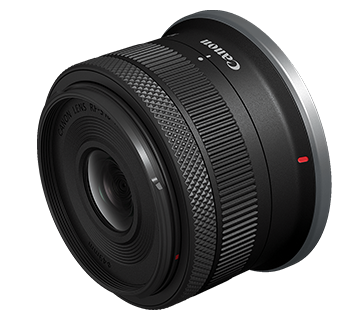
RF-S 10-18mm f/4.5-6.3 IS STM
lens
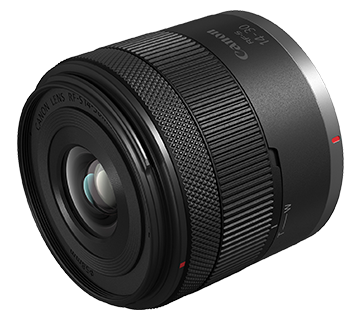
RF-S 14-30mm f/4-6.3 IS STM PZ
lens
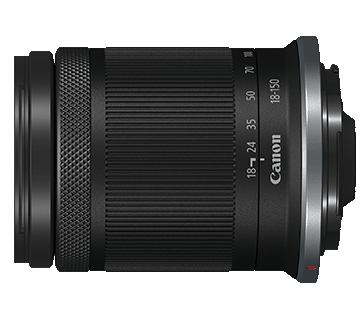
RF-S 18-150mm f/3.5-6.3 IS STM
lens
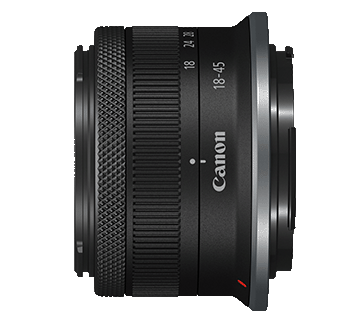
RF-S 18-45mm f/4.5-6.3 IS STM
lens
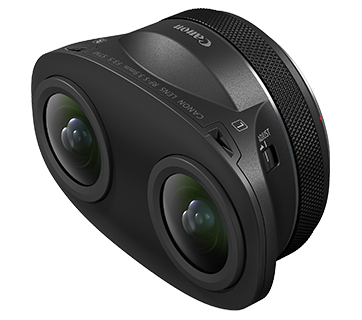
RF-S 3.9mm f/3.5 STM Dual Fisheye
lens
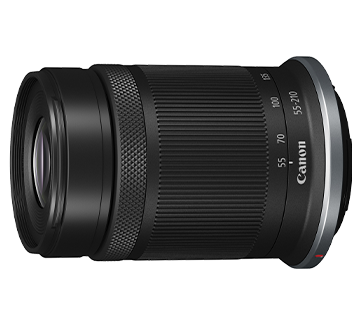
RF-S 55-210mm f/5-7.1 IS STM
lens
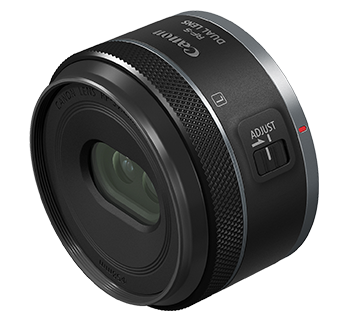
RF-S 7.8mm f/4 STM Dual
lens