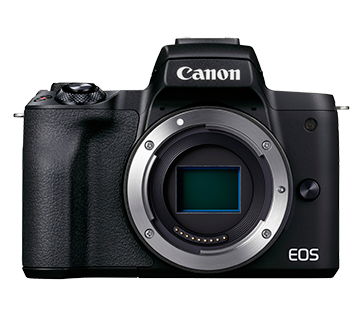
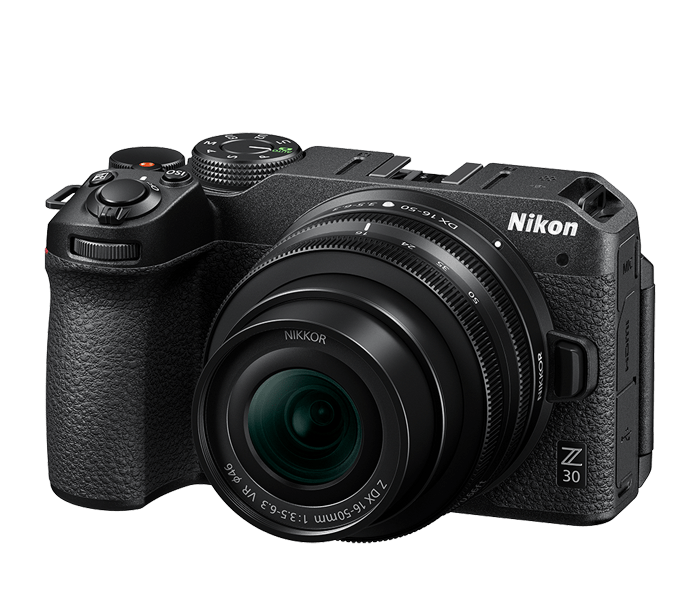
The Canon EOS M50 Mark II and Nikon Z30 are two of the most popular entry-level mirrorless cameras targeted at content creators, vloggers, and enthusiasts moving up from smartphones or basic point-and-shoots. Both cater to users looking for a lightweight, portable system with strong video capabilities, decent image quality, and an affordable price point. The M50 Mark II builds on Canon's well-established EOS M system, offering a highly usable touchscreen interface and a fully articulated screen, while the Nikon Z30 enters the scene with the newer Z-mount system, superior autofocus, and a stronger pitch for social media video creators.
People often compare these cameras because they address similar needs in similar price brackets and compete as the main APS-C, compact mirrorless options offered by their respective brands. The major differentiators include autofocus performance, video features, lens ecosystem, overall usability, and the manufacturer pathways for system upgrades. Understanding these differences is key for prospective buyers choosing the best fit for their creative workflow.
Specifications Comparison
Detailed Comparison
Image Quality
Both the Canon EOS M50 Mark II and Nikon Z30 feature APS-C sized sensors, albeit with slightly different dimensions. The Canon sports a 24.1MP sensor (22.3 x 14.9 mm), while the Nikon has a 21MP sensor (23.5 x 15.7 mm). In practical use, the difference in resolution is minimal, but the marginally larger sensor in the Nikon may yield slightly improved performance in dynamic range and low light, especially when paired with its higher native and expanded ISO capabilities (up to ISO 204,800 expanded, compared to Canon's 25,600).
Real-world image quality is excellent from both cameras, with pleasing colors and plenty of detail for typical creative work, social media, and even medium-sized prints. Canon's JPEG color science is often praised for its warm tones, while Nikon tends toward more natural, neutral outputs.
Ultimately, both cameras deliver very comparable results in day-to-day shooting, though the Nikon may have a slight edge in extreme low-light scenarios thanks to its ISO performance. The higher megapixel count on the Canon is a minor advantage for users who frequently crop images or print large, but not drastically so.
Given these nuances, neither camera has a decisive edge for most users, but those prioritizing high-ISO shooting may marginally prefer the Nikon.
Autofocus System
The Nikon Z30 boasts a highly advanced autofocus system for its class, offering 209 phase-detection AF points that cover a broad area of the frame. Its system is fast, accurate, and reliable for both stills and continuous video-particularly with moving subjects or face/eye detection for vlogging.
The Canon EOS M50 Mark II uses Canon's Dual Pixel CMOS AF, which is quick and smooth, especially for video and face/eye tracking. However, its AF point coverage and tracking capabilities are not as expansive as the Nikon Z30, and it can struggle to maintain subject lock in more demanding situations compared to the Nikon's Z-series platform.
Photographers and videographers who regularly shoot action, events, or require reliable continuous autofocus for video will find the Nikon Z30 more confident and capable, especially for self-filming and unpredictable subjects. The Canon system remains very user-friendly and more than adequate for static scenes or casual shooting, but it lags behind the newer Nikon AF implementation.
Video Capabilities
Both cameras are marketed heavily toward video-centric users, but there are important differences. The Nikon Z30 offers 4K video at 30p with no crop, full-width readout, and strong autofocus tracking, making it very appealing for vloggers and YouTubers. It also supports extended recording times and higher frame rates in 1080p for slow motion.
The Canon EOS M50 Mark II can capture 4K at 24p but with a significant 1.6x crop and no Dual Pixel AF during 4K recording-using contrast-detect AF only, which is slower and less reliable, especially for moving subjects. Full HD video is solid (with Dual Pixel AF), and the fully articulated touchscreen is very helpful for solo shooters, but the limitations in 4K are noteworthy.
For users prioritizing 4K video or planning to vlog extensively, the Nikon Z30 is the superior choice, offering better AF and crop-free 4K. The Canon excels for casual video in Full HD but falls short for more demanding video creators.
Build & Ergonomics
Both cameras are designed to be lightweight and compact, making them ideal for travel and daily carry. The Nikon Z30 is slightly heavier at 405g, but the difference is marginal in real-world use. The Z30's grip is deeper and more ergonomic for larger hands, and its modern design includes weather sealing-a rare feature in this class, offering peace of mind in adverse conditions.
The Canon M50 Mark II sports a fully articulated touchscreen, highly regarded for vlogging and self-recording, while the Nikon Z30 offers a vari-angle screen as well. However, the Z30 lacks a built-in electronic viewfinder (EVF), while the Canon includes one, which many photographers prefer for bright outdoor shooting or composing with the camera to the eye.
On portability and durability, the Nikon's weather sealing gives it the edge for outdoor work. However, for users who value an EVF for traditional shooting, the Canon is more appealing. Both are well-constructed, but the Z30's newer design and additional sealing bring extra reassurance for those shooting in more unpredictable environments.
Battery & Storage
With a rated battery life of 330 shots per charge, the Nikon Z30 outperforms the Canon EOS M50 Mark II, which typically manages around 250-305 shots depending on usage conditions. This gives the Nikon a useful edge on long shooting days, especially for video recording or travel.
Both cameras use single UHS-I SD card slots, which is standard at this level and sufficient for most users, though not ideal for professionals needing backup recording. Neither offers in-body image stabilization, so battery life can be a critical factor when using stabilized lenses or accessories.
Overall, the Nikon Z30 provides a slightly better battery experience, important for users capturing lots of video or extensive stills throughout the day. While both systems require spare batteries for intensive use, Nikon's battery life remains a practical advantage.
Value for Money
Priced at around $710 USD, the Nikon Z30 offers good value given its advanced autofocus, excellent video specs, and weather sealing. For those who prioritize vlogging, video content creation, and want a more modern camera system, it justifies the expense.
The Canon EOS M50 Mark II is often slightly less expensive-depending on retailer and kit-but remains competitive, especially for users already invested in Canon EF-M lenses or who want an EVF at this price point. Its overall package is user-friendly and effective for stills and casual video.
Though both cameras offer excellent value, the Nikon Z30's superior autofocus, video, and durability features push it ahead for the money-especially for new buyers not tied to a specific system. However, those with an existing library of Canon lenses may find the M50 Mark II a smarter upgrade path.
Lens Ecosystem
The Canon EF-M mount has a modest, mature lineup of native lenses, but Canon has not expanded the system significantly in recent years, and there are concerns about future development. Third-party support exists, but is somewhat limited, especially for specialized optics. Adapters allow use of Canon EF and EF-S lenses, though with added bulk.
The Nikon Z-mount is younger, but Nikon is expanding its APS-C and full-frame lens offerings vigorously, with several compact primes and zooms. Third-party Z-mount support is growing quickly, and full compatibility with Nikon's full-frame Z lenses is a strong benefit for system longevity.
For new buyers wanting room to grow or seeking specialized glass, the Nikon Z-mount promises a brighter future and broader compatibility. However, those who already invested in EF-M lenses or who value the availability of affordable used Canon glass may prefer the M50 Mark II.
Our Verdict
Overall, the Nikon Z30 wins in most critical categories-especially autofocus, video, battery life, ruggedness, and future lens support-making it the more future-proof, versatile option for most new mirrorless camera buyers, particularly those focused on video and content creation. It edges out the Canon EOS M50 Mark II with its superior autofocus system, full-width 4K video, weather sealing, and promising Z-mount ecosystem. However, the Canon EOS M50 Mark II remains a solid choice for users with a collection of EF-M or EF/EF-S lenses, or those who prioritize having a built-in electronic viewfinder for traditional stills photography. It provides an approachable interface and good image quality, and is very competitive at its price point for casual shooters or Canon system users. For most first-time buyers, though, the Nikon Z30 represents the stronger overall package.
Canon EOS M50 Mark II
Nikon Z30
Also Compare
Frequently Asked Questions
Which camera is better for vlogging or YouTube content creation?
The Nikon Z30 is better suited for vlogging and content creation, thanks to its superior 4K video with no crop, reliable autofocus, longer battery life, and weather sealing. The Canon M50 Mark II is still a good option, but its 4K video is cropped and autofocus is less reliable in this mode.
Does the Canon EOS M50 Mark II have an advantage for still photography?
The M50 Mark II's main advantage is its built-in electronic viewfinder (EVF), which is helpful for composing stills outdoors or in bright light. Its 24.1MP resolution offers slightly more flexibility for cropping. However, overall image quality between the two is very similar.
Which system has better future lens options?
Nikon's Z-mount is rapidly expanding with new APS-C and full-frame lenses and growing third-party support, making it a better choice for future lens options. Canon's EF-M system is mature but limited, and Canon has shifted focus to other mounts.
Is the lack of an EVF in the Nikon Z30 a major drawback?
For some photographers, especially those used to composing shots with a viewfinder, the lack of an EVF on the Z30 can be limiting. However, many content creators and vloggers use the rear screen almost exclusively, making this less of an issue for video-centric users.
Which camera is more beginner friendly?
Both cameras are designed with usability in mind and feature intuitive touchscreen interfaces. The Canon M50 Mark II has a slightly simpler menu and established beginner resources, while the Nikon Z30 offers better guidance for video and social media creation. Both are great for first-time mirrorless buyers.
If I already own Canon lenses, should I switch systems?
If you own Canon EF-M lenses, staying with the M50 Mark II makes practical sense. If you own EF or EF-S lenses, you can use an adapter but may lose some autofocus functionality. However, if you're starting fresh, the Nikon Z30 offers a more promising path for future system expansion.