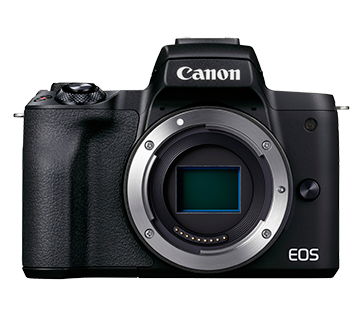
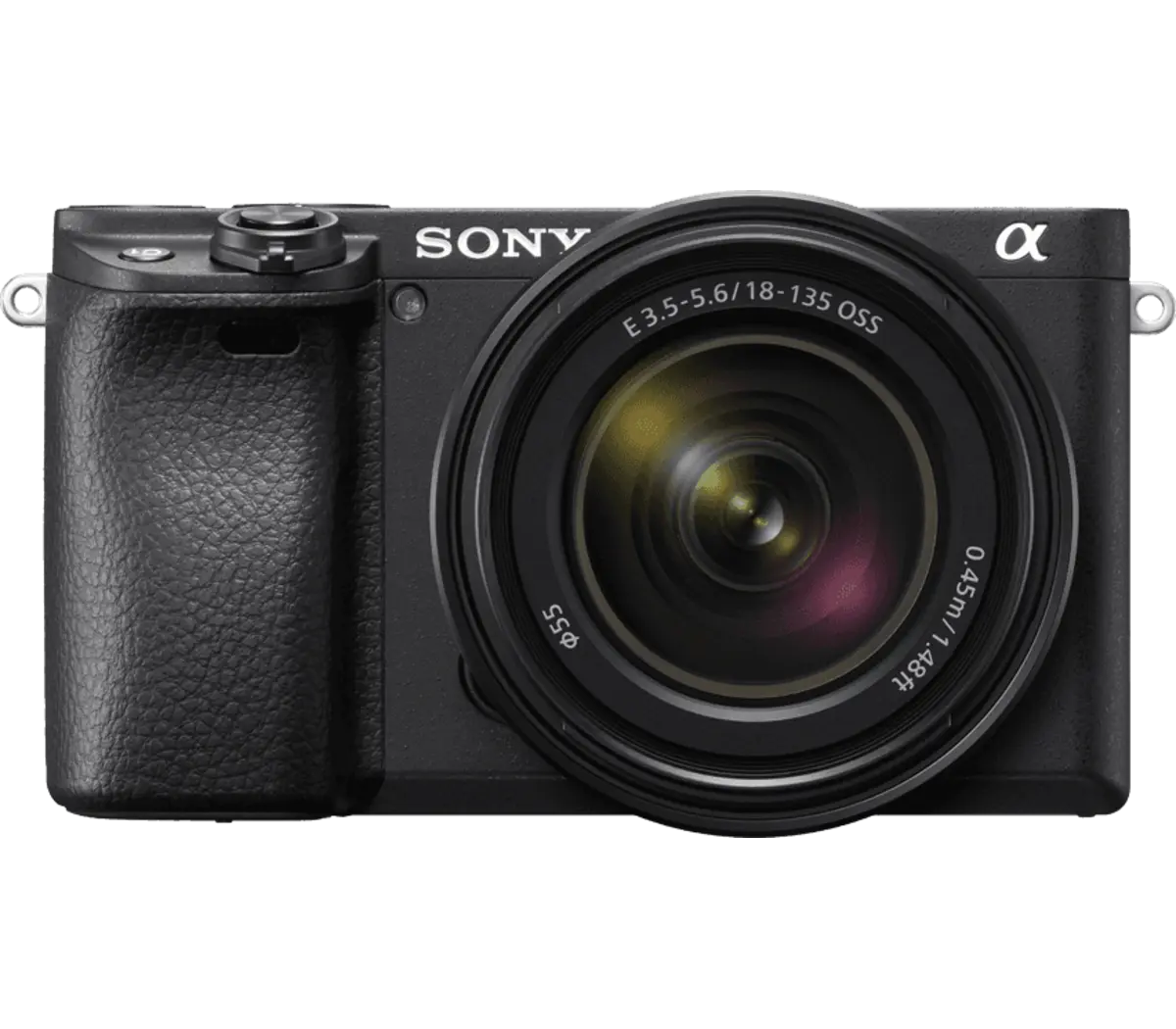
The Canon EOS M50 Mark II and Sony A6400 are two of the most popular APS-C mirrorless cameras targeted at enthusiasts, vloggers, and entry-level photographers looking to step up from smartphones or basic point-and-shoots. They're frequently compared due to their similar sensor formats, compact designs, and targeting of a similar price segment. The Canon appeals to those who value ease of use with features such as a fully articulated touchscreen, while the Sony stands out with its advanced autofocus, higher burst shooting, and robust build.
Potential buyers choosing between these models are typically interested in hybrid photography and videography, looking for a portable but capable camera for travel, content creation, or family memories. The key differentiators between the M50 Mark II and the A6400 include autofocus performance, 4K video features, lens ecosystem breadth, and build quality including weather sealing. Understanding how these differences impact real-world use is important for making an informed decision.
Specifications Comparison
Detailed Comparison
Image Quality
Both cameras sport similar APS-C sensors, with the Canon EOS M50 Mark II featuring a 24.1MP sensor at 22.3 x 14.9 mm, and the Sony A6400 using a 24MP sensor at a slightly larger 23.5 x 15.6 mm. In practical terms, the difference in megapixels and sensor size is negligible, but the A6400's sensor is a touch larger, potentially giving it an edge in dynamic range and low-light performance. Both deliver excellent JPEG and RAW images with good detail and color.
In terms of ISO, the A6400 offers a wider native and expanded ISO range (100-32,000, expandable to 102,800) compared to the M50 Mark II's 100-25,600. This allows the Sony to hold up slightly better in high ISO conditions, though both cameras are usable up to ISO 6400 for most subjects. Noise performance and color rendition will ultimately depend on personal preference, but the Sony tends to offer a bit more shadow recovery in RAW files.
It's also worth noting that while image processing engines differ, both manufacturers have matured color science, with Canon users often preferring its straight-out-of-camera JPEGs for skins tones, while Sony provides more flexibility and detail retention in raw files.
Overall, both cameras provide excellent image quality for their class, but the A6400's larger sensor area and broader ISO range give it a slight technical advantage, particularly for those who push into challenging lighting conditions.
Autofocus System
Autofocus is a standout area for the Sony A6400. It offers 425 phase-detect and 425 contrast-detect autofocus points, along with Real-Time Eye AF and Real-Time Tracking. This system is not only fast and accurate but also covers a large portion of the frame, making it incredibly effective for tracking moving subjects-whether human or animal-in both stills and video.
The Canon EOS M50 Mark II's Dual Pixel AF delivers good performance, especially for its class, and received some improvements over the original M50. It offers reliable eye-detection and tracking in good light, but the AF area coverage and speed do not match Sony's class-leading system. In particular, the M50 Mark II loses Dual Pixel AF in 4K video mode, reverting to slower contrast detection, while the Sony's autofocus remains fully functional in 4K.
For action, sports, wildlife, or vlogging (especially with moving subjects), the A6400's autofocus system is a clear winner and one of the best available in any APS-C mirrorless camera today. The Canon is still good for casual and static subjects, but not as advanced.
Thus, if autofocus is a top priority, particularly for video or challenging subjects, the Sony A6400 stands out.
Video Capabilities
The Sony A6400 is the stronger choice for video. It offers uncropped 4K 30p recording with full pixel readout, excellent detail, and advanced autofocus thanks to its Real-Time Eye AF and tracking. The camera also offers high-bitrate recording, flat picture profiles like S-Log and HLG, and a microphone input for high-quality audio, though it lacks in-body stabilization.
The Canon EOS M50 Mark II supports 4K video but with some notable limitations: the 4K mode is cropped heavily (about 1.6x additional crop), and autofocus is limited to slower contrast-detect, making it much less effective for vlogging or action in 4K. For Full HD video, however, Canon's Dual Pixel AF and the fully articulating screen make it a user-friendly choice for solo shooters or vloggers who mostly work in 1080p.
Both cameras include microphone inputs, but neither offers headphone monitoring, which video-focused users may miss. Neither camera includes in-body stabilization, so stabilization relies on lens or digital options.
Overall, while the M50 Mark II is friendly for beginner videographers, especially in Full HD, the A6400 is the more versatile and professional option for 4K video, advanced autofocus, and broader video features.
Build & Ergonomics
The Sony A6400 is slightly smaller but built to a higher standard, with a robust aluminum alloy body and weather-sealing. This added durability is valuable for outdoor shooters or travelers who might encounter unpredictable conditions. The camera weighs 403g and has a compact footprint, making it easy to carry.
The Canon EOS M50 Mark II is also compact, slightly lighter, and has a user-friendly interface with a fully articulated touchscreen. This makes it especially appealing to vloggers and those who prefer a vari-angle screen for creative shooting angles or selfies. However, its polycarbonate (plastic) construction is less rugged, and weather-sealing is not included, meaning users need to be more cautious in challenging environments.
Both cameras have electronic viewfinders and intuitive controls, though Sony's options and customizability are somewhat greater. The Canon, on the other hand, has a more approachable menu system for beginners.
While both are comfortable, the A6400 takes the lead for those who prioritize ruggedness and shooting in variable weather. Vloggers or beginners, however, might prefer the feel and screen articulation of the Canon.
Battery & Storage
Battery life is an area where the Sony A6400 excels, with a CIPA rating of 410 shots per charge, generally translating to a full day of moderate shooting. This is above average for a compact mirrorless setup. The A6400 also accepts direct USB charging, handy for travel and extended shooting sessions.
The Canon EOS M50 Mark II typically yields fewer shots per charge (around 305 per CIPA), and does not support USB charging natively, requiring the battery to be removed for recharging. This makes backup batteries more of a necessity, especially for long outings or all-day shooting.
Both cameras use a single SD card slot, and neither supports dual-slot redundancy. Storage-wise, both are similar, supporting UHS-I cards sufficient for most stills and video needs, though heavy video shooters might desire dual slots.
In terms of battery endurance and charging convenience, the A6400 is the stronger performer.
Value for Money
Here, things become more nuanced. The Canon EOS M50 Mark II is generally sold at a slightly lower price point than the Sony A6400, making it especially appealing to beginners and budget-conscious buyers who still want very good photo and video features. Its straightforward interface, full articulating touchscreen, and reliable autofocus (in stills and Full HD) make it excellent value for vloggers and casual shooters.
The Sony A6400, at about $900 body-only, costs more but justifies this with better autofocus, uncropped 4K, weather-sealing, longer battery life, and a more advanced build. For content creators or those planning to grow into more demanding photo or video work, the added investment may prove worthwhile.
If value is calculated in terms of straightforward performance on a smaller budget or for those not in need of advanced video/AF capability, the Canon wins. For those wanting a more professional, long-term solution, the Sony's higher price is justified.
Thus, it's a tie, depending on your intended use and budget.
Lens Ecosystem
A key consideration for mirrorless buyers is future lens selection. The Sony E-mount system is mature, with a vast array of high-quality native and third-party lenses spanning all budgets and styles. Sony's own APS-C and full-frame lenses, along with options from Sigma, Tamron, and others, make it easy to assemble a kit that matches any shooting scenario.
The Canon EF-M mount has a more limited selection. While there are some good EF-M lenses, especially for basic needs, the system lacks higher-end or specialized lenses, and Canon is not heavily investing in expanding this lineup. Adapters are available for using EF and EF-S DSLR lenses on the M50 Mark II, but at the expense of compactness, and sometimes compatibility or autofocus speed.
For photographers looking to build a system or invest for the long term, the Sony A6400's lens ecosystem is a significant advantage. The Canon will suffice for basic needs, but users may hit limitations as their skills grow.
The clear winner in lens selection and system flexibility is the Sony A6400.
Our Verdict
The Sony A6400 is the overall winner in this comparison, leading in key areas such as image quality, autofocus, battery life, build quality, video capabilities, and system flexibility. Its advanced autofocus, robust body, uncropped 4K video, deeper lens ecosystem, and longer battery life make it the more professional and future-proof choice, particularly for users who anticipate growing their skills or shooting in varied conditions. The Canon EOS M50 Mark II remains an excellent option for beginners, casual photographers, or vloggers-especially those who focus on Full HD video and want a simpler, fully articulating screen. It provides fantastic value for money and an easy user experience, but its limitations become more apparent as user needs advance. Ultimately, the best choice depends on your priorities: go with the A6400 if you want room to grow and the best all-around performance; choose the M50 Mark II if you want great output with simplicity and a lower investment.
Canon EOS M50 Mark II
Sony A6400
Also Compare
Frequently Asked Questions
Which camera is better for vlogging?
The Canon EOS M50 Mark II is often preferred by vloggers who primarily shoot in 1080p, thanks to its fully articulating touchscreen, lightweight design, and reliable autofocus in Full HD. However, for 4K vlogging, the Sony A6400 is superior because it does not crop the frame and retains fast, accurate autofocus in all video modes.
Does either camera have in-body stabilization?
No, neither the Sony A6400 nor the Canon M50 Mark II features in-body image stabilization. For best results, use optically stabilized lenses or a gimbal for handheld video work.
Which camera has a better lens selection?
The Sony A6400 has a much broader and more versatile lens ecosystem, with a wide range of native E-mount lenses from Sony and third-party manufacturers. The Canon M50 Mark II's EF-M lens selection is more limited, although adapting Canon EF/EF-S DSLR lenses is possible.
Is the Sony A6400 weather-sealed?
Yes, the Sony A6400 features weather-sealing to protect against dust and moisture, making it better suited for outdoor or travel photography than the Canon EOS M50 Mark II.
Which camera has better autofocus for action photography?
The Sony A6400 is superior for action photography due to its advanced 425-point autofocus system with Real-Time Tracking and Eye AF, offering faster and more reliable subject tracking than the M50 Mark II.
Is the Canon M50 Mark II good for beginners?
Absolutely. The Canon EOS M50 Mark II's intuitive menu system, fully articulating touchscreen, and straightforward controls make it an excellent and affordable entry point for new photographers or videographers.