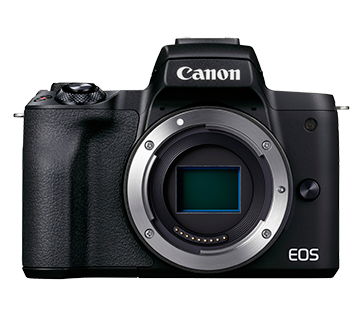
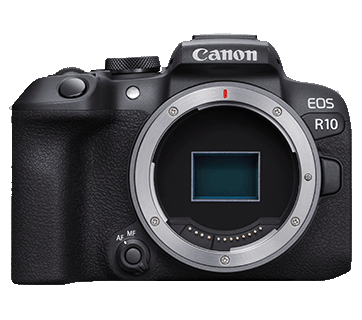
The Canon EOS M50 Mark II and Canon EOS R10 are two of Canon's most popular mirrorless APS-C cameras for enthusiast photographers, vloggers, and content creators. Both cameras offer a compact design, advanced features, and competitive pricing that charm those who want to step up from smartphones or entry-level DSLRs. Buyers often consider these models side by side because they combine portability with strong imaging performance, but sit in different Canon ecosystems-making the choice pivotal for future lens investment and upgrade paths.
The key differentiators come down to system mount, autofocus advancements, video capabilities, and overall performance. The M50 Mark II continues the legacy of the EF-M mount line, appealing especially to travelers and new creators with user-friendly features. The EOS R10, on the other hand, represents Canon's new RF mount for APS-C bodies, promising more advanced autofocus, better burst speeds, and futureproof compatibility. Understanding these points is crucial for buyers weighing longevity, budget, and creative ambitions.
Specifications Comparison
Detailed Comparison
Image Quality
Both the Canon EOS M50 Mark II and EOS R10 feature APS-C sized sensors with nearly identical effective megapixel counts (24.1 MP vs 24 MP). The physical sensor sizes (22.3 x 14.9 mm vs 22.2 x 14.8 mm) are functionally the same, so there's little difference in field of view or basic image resolving power.
Where the EOS R10 starts to edge ahead is in its newer sensor design and processor, which enable slightly better dynamic range, low-light performance, and color precision, especially when shooting in RAW. The R10 also offers a higher native ISO ceiling (ISO 32000 vs ISO 25600), which can be useful in demanding lighting conditions, although noise performance narrows at the extreme ends.
Real-world differences are modest for casual shooters, and both cameras deliver crisp, detailed images under various conditions. However, advanced users may appreciate the extra flexibility and cleaner output at higher ISOs with the R10.
Autofocus System
Autofocus technologies mark a major distinction between these two models. The EOS M50 Mark II, while improved over its predecessor, relies on Canon's older Dual Pixel CMOS AF with fewer selectable points and slightly slower tracking-adequate for stills and basic video but not industry-leading.
By comparison, the EOS R10 leaps forward with Canon's latest Dual Pixel CMOS AF II system, offering 651 autofocus points with subject detection and tracking for people, animals, and vehicles. The system is both fast and sticky, dramatically improving the hit rate for moving subjects or fast-paced photography.
This places the R10 in a league ahead for sports, wildlife, or active family photography, whereas the M50 Mark II performs well in static or gently moving scenes but falls behind for action. Autofocus in live view, face detection, and real-time tracking is more reliable and advanced on the R10.
Video Capabilities
Both cameras support 4K video, but with notable differences. The EOS M50 Mark II records 4K at up to 24p with a significant crop and contrast-detect autofocus, limiting its appeal for serious videography. Autofocus during 4K is not Dual Pixel based, so tracking can be less effective, and the recording time is capped, further restricting its professional use.
Conversely, the EOS R10 captures 4K up to 30p using the full sensor width, with uncropped readout and the benefit of advanced Dual Pixel autofocus in 4K. This ensures faster, smoother focus transitions and reliable subject tracking while filming. While neither camera features in-body stabilization, the R10's video specs and usability are a clear step above.
For vloggers and hybrid shooters needing higher-quality, more flexible video (and the option of oversampled 4K), the R10 is the superior choice.
Build & Ergonomics
The EOS M50 Mark II stands out for its very compact and lightweight design, making it a favorite among travelers and those who prefer minimal gear. The M50 Mark II's fully articulated touchscreen is ideal for self-recording, vlogging, or creative angles. However, its grip and control dials are slightly smaller and less robust than those of the EOS R10, which is designed for a more comfortable and secure hold during prolonged use.
The R10, though slightly heavier at 426g, provides a more substantial grip, a higher-quality electronic viewfinder, more control dials, and robust build quality. It feels closer in hand to an enthusiast-level camera while still being portable. Its button layout is more refined for quick settings adjustments, which advanced users will appreciate.
Overall, the decision here is a balance between portability and handling. The R10 offers a better shooting experience for those prioritizing ergonomics and control, while the M50 Mark II wins for smallest body and ease of use for beginners.
Battery & Storage
Both cameras use the same battery family, but the EOS R10 manages a longer rated battery life (450 shots per charge) compared to the M50 Mark II's typical real-world 250-305 shots per charge. This can be crucial for long outings, events, or when shooting both video and photos in a single day.
In terms of storage, both systems use SD cards, though the R10's card slot may support faster write speeds (UHS-II) depending on region, which benefits burst shooting and high-bitrate video. Extended battery life and speedier buffer clear times are practical enhancements for advanced enthusiasts.
Buyers who value day-long shooting without swapping batteries will appreciate the R10's greater efficiency, though casual shooters may find both adequate.
Value for Money
At launch, the M50 Mark II is generally found at a significantly lower price point than the EOS R10, making it an excellent value for those starting out or who prioritize budget over bleeding-edge features. It offers solid imaging, a friendly user interface, and core functions that meet most hobbyist needs.
The EOS R10 is more expensive, reflecting its advanced autofocus, better video implementation, improved performance, and expansion into Canon's RF mount ecosystem (which promises future lens compatibility and technological growth). For the higher price, buyers receive a more capable and futureproof tool, making it a stronger value proposition for enthusiasts and upgraders, but less so for those who simply want a good camera at the lowest possible cost.
Thus, while the M50 Mark II wins on pure affordability for specific entry-level needs, the R10's broader feature set and futureproofing justify its premium for most users.
Lens Ecosystem
The Canon EOS M50 Mark II uses the EF-M mount, which-while compact and affordable-offers a relatively limited range of native lenses and has seen little new development since Canon shifted its focus to the RF system. Adapted EF lenses are usable, but with bulk and some limitations.
The EOS R10 uses the newer RF mount, providing access to Canon's growing range of RF lenses, including high-performance, fast-aperture, and wide-ranging zooms. The RF ecosystem is rapidly expanding, catering to both APS-C and full-frame users, thus ensuring better long-term investment. EF lenses can also be adapted seamlessly to RF with excellent compatibility.
For buyers concerned about accessing new lenses, future upgrades, and ongoing system support, the R10's RF mount is undeniably the more compelling choice.
Our Verdict
Overall, the Canon EOS R10 takes the lead across most critical aspects of this comparison. Its superior autofocus, advanced video features, improved burst rates, longer battery life, and access to the expanding RF lens ecosystem make it the better all-around performer and a smarter investment for users who anticipate growing their skills or system in the future. However, the Canon EOS M50 Mark II should not be overlooked for beginners or those on a strict budget. Its compact form, fully articulated screen, and approachable interface make it a great travel and vlogging camera for casual use. Buyers who value portability and don't require cutting-edge performance will find it delivers excellent value. But for those seeking longevity, performance upgrades, and the best technology Canon has to offer in this segment, the EOS R10 stands out as the clear choice.
Canon EOS M50 Mark II
Canon EOS R10
Also Compare
Frequently Asked Questions
Is the Canon EOS R10 significantly better than the M50 Mark II in image quality?
In most everyday shooting conditions, the two deliver very similar image quality, with comparable resolution and sensor size. The R10 pulls ahead slightly in dynamic range, high ISO performance, and processing thanks to its newer sensor and processor, but the difference is subtle unless you shoot in challenging conditions or require maximum RAW flexibility.
Which camera is better for video and vlogging?
The EOS R10 offers more advanced video features, including uncropped 4K 30p with fast autofocus and better color. The M50 Mark II is very popular with vloggers due to its compact size and flip-out screen but suffers from limited 4K modes, a heavy crop, and slower autofocus in 4K. For the best video, the EOS R10 is the clear winner, but casual vloggers may still prefer the M50 Mark II's simplicity.
Will I be able to find enough lenses for the M50 Mark II in the future?
The EF-M lens selection is limited and not expected to expand, since Canon has shifted focus to the RF mount. While you can adapt EF lenses, this adds size and sometimes reduces autofocus speed. If future lens choice is a priority, the R10's RF mount is better supported.
Is the price difference between the two cameras justified?
For entry-level or casual users, the M50 Mark II provides excellent value at a lower price. However, the R10's advanced features, performance, and future-proof lens ecosystem make it a better value overall for enthusiasts or those intending to grow with the system. If the budget allows, the R10 is worth the extra investment.
Which camera is easier to travel with?
The M50 Mark II is smaller and lighter, making it easier to carry for travel, street photography, or everyday use. It's ideal for those who prioritize portability above all else. The R10 is still compact but offers extra performance at the cost of slightly increased bulk.
Do both cameras have in-body image stabilization (IBIS)?
No, neither the EOS M50 Mark II nor the EOS R10 features in-body stabilisation. You'll need to rely on lens-based stabilization (where available) or external supports like gimbals or tripods for stabilized video and low-light shooting.