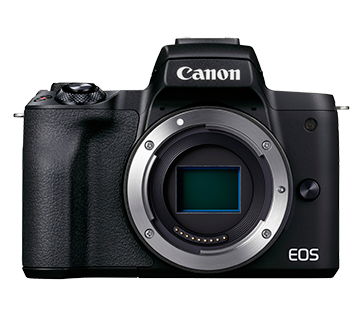
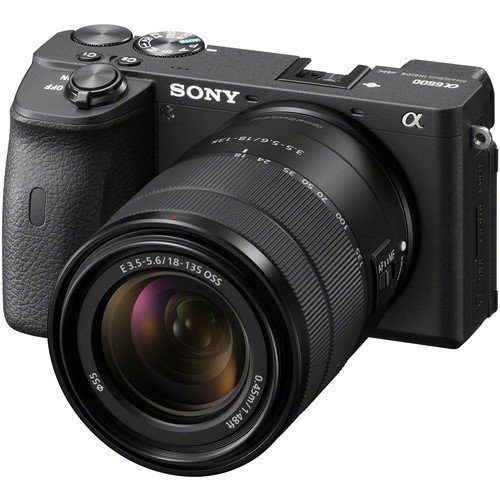
The Canon EOS M50 Mark II and the Sony A6600 are two of the most prominent mirrorless cameras aimed at enthusiast photographers and hybrid creators looking for portability without sacrificing performance. Both sport APS-C sensors and offer a feature set that appeals to vloggers, content creators, hobbyists, and even professionals seeking a lightweight alternative to their main systems. Naturally, these cameras are often compared because they sit at a similar tier in their respective brands' line-ups-each representing a gateway into advanced mirrorless technology, fast autofocus, and strong video features.
The key differentiators between these models center around their autofocus engines, video capabilities, battery life, build quality, and lens ecosystem support. The Canon EOS M50 Mark II is often chosen for its approachable design, user-friendly touchscreen, and affordable entry point. Conversely, the Sony A6600 is a higher-end APS-C flagship that packs in advanced autofocus, robust build, in-body image stabilization, and superior stamina-all at a significantly higher price. Photographers and videographers weighing these options must consider whether they prioritize cost and simplicity or require the advanced features and ruggedness that come with the Sony A6600.
Specifications Comparison
Detailed Comparison
Image Quality
Both the Canon EOS M50 Mark II and Sony A6600 feature APS-C sensors with very similar resolutions - 24.1 megapixels for Canon and 24 megapixels for Sony. In terms of sheer image quality, both deliver detailed, crisp photos with good dynamic range and color depth suitable for both prints and online sharing.
The Sony A6600, however, benefits slightly from a larger sensor area (23.5 x 15.6 mm versus 22.3 x 14.9 mm for Canon), which can contribute to marginally better low-light performance and dynamic range. It also offers a much higher maximum ISO (expandable up to 102400) versus Canon's 25,600, making it more versatile in challenging lighting conditions.
Color science is a subjective matter, with Canon often being praised for its pleasing and natural color rendering, especially for portraits and skin tones. Sony, on the other hand, offers punchy, true-to-life results and superior highlight recovery. Unless you often shoot at very high ISO or need extreme flexibility in harsh or low light, both cameras will serve most users well.
In summary, while you're unlikely to see dramatic differences in everyday shooting, the Sony A6600's larger sensor area and higher ISO range give it a subtle but clear edge for demanding shooters.
Autofocus System
The autofocus experience is where the Sony A6600 truly shines. It features a 425-point phase-detection autofocus system that covers most of the frame, excellent for tracking fast-moving subjects, sports, and wildlife. Real-time Eye-AF for humans and animals, paired with reliable subject tracking, ensures confident focusing in both still and video work.
The Canon EOS M50 Mark II relies on Canon's Dual Pixel CMOS AF, which delivers fast and accurate focus performance, particularly in live view and video. Its eye detection is solid but not as robust or customizable as Sony's. Coverage is also more limited compared to the A6600's dense AF grid.
In use, the Sony A6600's autofocus consistency, tracking reliability, and flexibility in different shooting scenarios surpass the M50 Mark II, especially for advanced or action photographers. The Canon remains friendly, effective for casual portraits and vlogging, and a cut above basic entry-level systems, but cannot match Sony's speed and intelligence.
Video Capabilities
Video has become a central consideration for creators, and both cameras offer 4K recording, but with some important differences. The Sony A6600 records crisp 4K video at up to 30p without a significant crop, oversampled from 6K for improved detail. Its advanced autofocus (with reliable eye tracking in video), microphone and headphone ports, and in-body image stabilization make it an outstanding compact video tool.
The Canon EOS M50 Mark II also shoots 4K, but with a substantial crop that limits wide-angle options-an inconvenience for vloggers or those who want to maximize their lens field of view. Additionally, Dual Pixel AF is not available in 4K mode on the Canon, leading to less reliable autofocus in this setting and relying on less responsive contrast-detect AF. However, Full HD video is strong, with excellent autofocus and a user-friendly interface for livestreaming and vlogging.
For hybrid shooters and serious videographers, the Sony A6600 provides more flexibility and better overall performance thanks to its uncropped 4K, superior AF, and stabilization. The Canon remains a solid, easy-to-use option for casual and entry-level video creators, particularly in Full HD.
Build & Ergonomics
The Canon EOS M50 Mark II is lightweight, compact, and highly portable, making it an ideal travel or everyday camera. Its plastic build is reassuring for its price point, and the fully articulated touchscreen is especially appealing to vloggers and solo creators. However, it lacks weather sealing, which may be a limitation for outdoor shooters.
The Sony A6600, on the other hand, sports a robust magnesium alloy chassis with weather sealing, offering much more resilience for outdoor and demanding environments. Its deeper grip accommodates larger hands and heavier lenses comfortably. The OLED electronic viewfinder is bright and detailed, while the tilting screen (though not fully articulated like Canon's) is serviceable.
Ergonomics are largely subjective, but for those who value build quality, ruggedness, and long-term durability, the A6600 is a clear step above. The Canon prioritizes portability and ease of use, but the Sony is superior for those needing a workhorse camera.
Battery & Storage
A significant practical difference between these cameras lies in battery life. The Sony A6600 boasts an impressive CIPA-rated battery life of 810 shots per charge, enabled by Sony's high-capacity NP-FZ100 battery. This provides enough stamina for extended shoots without frequent battery swaps - a substantial advantage for pros and travelers.
The Canon EOS M50 Mark II's battery life (not explicitly stated here but rated at approximately 305 shots per CIPA in other sources) is significantly less, typical for entry-level mirrorless cameras. This may necessitate carrying multiple batteries for all-day shooting. Both cameras use a single SD card slot, which will suffice for most users in this class, though professionals might wish for redundancy.
The Sony A6600 is the clear winner in everyday use cases that demand reliability and minimal downtime.
Value for Money
Price is a crucial factor: the Sony A6600 retails for around $1,400 USD (body only), while the Canon EOS M50 Mark II can be found for substantially less, typically in the $500-$700 range (depending on kits). For many enthusiasts and aspiring content creators, this huge price difference can be decisive.
While the Sony A6600 justifies its higher price with features like in-body stabilization, superior autofocus, weather sealing, and class-leading battery life, not everyone will utilize its advanced capabilities. The Canon EOS M50 Mark II covers the basics exceptionally well and offers terrific value, especially for social media creators, vloggers, and hobbyists who don't require pro-grade build or autofocus.
In terms of affordability, accessibility, and value for casual shooters, the Canon is a more economical path into mirrorless photography and 4K video. Those willing to pay for premium features will find the A6600 more capable, but for many, the M50 Mark II offers a better feature-to-dollar ratio.
Lens Ecosystem
Lens choice is a critical part of any camera system investment. The Canon EOS M50 Mark II uses the Canon EF-M mount, which has a more limited native lens selection compared to Sony E-mount. While there are useful options for vlogging, travel, and basic shooting, professional-grade and specialty EF-M lenses are few. Adapters allow the use of EF and EF-S DSLR lenses, but this can impact autofocus performance and adds bulk.
The Sony E-mount in the A6600 benefits from a much more extensive ecosystem, with a wide array of native APS-C and full-frame lenses from Sony, Sigma, Tamron, and many third-party manufacturers. This gives users more flexibility to upgrade and diversify their kit over time without adapters or compromises.
If long-term system growth and lens variety matter to you, the Sony platform is a clear winner. Canon's EF-M mount is viable for beginners but more restrictive for ambitious users.
Our Verdict
Overall, the Sony A6600 emerges as the winner in this comparison, securing top marks in image quality, autofocus, video, build quality, battery life, and lens ecosystem. Its robust feature set, superior autofocus capabilities, in-body stabilization, weather sealing, and excellent battery life place it ahead of the Canon EOS M50 Mark II for photographers and videographers who demand advanced performance and future-proof flexibility. However, the Canon EOS M50 Mark II is anything but outclassed. Its affordability, ease of use, and excellent touchscreen interface make it a compelling choice for beginners, vloggers, and those upgrading from smartphones. It offers fantastic value for the money, especially for users who don't need pro-level build, tracking, or lens choice. For many casual creators or those on a tighter budget, the Canon will be more than sufficient-and more accessible. But for those seeking the most capability and room to grow, the Sony A6600 justifies its higher investment.
Canon EOS M50 Mark II
Sony A6600
Also Compare
Frequently Asked Questions
Which camera is better for vlogging: Canon M50 Mark II or Sony A6600?
The Canon EOS M50 Mark II is highly popular among vloggers due to its fully articulating touchscreen, lightweight body, and easy-to-use interface. However, its 4K video comes with a significant crop and less reliable autofocus than in Full HD. The Sony A6600 offers uncropped 4K, reliable autofocus in all modes, and in-body image stabilization, though its screen only tilts rather than fully articulates. For casual vloggers, the Canon is easier and more affordable, but for maximum 4K quality and autofocus, the Sony is better.
Can you use DSLR lenses on either camera?
Yes, with adapters. Canon M50 Mark II users can mount Canon EF and EF-S DSLR lenses via the EF-EOS M adapter, but autofocus performance may not match native EF-M lenses and adds bulk. Sony A6600 users can adapt A-mount lenses with Sony's adapters, but the real strength is the extensive range of native E-mount lenses, which work seamlessly without adapters.
Which camera is better in low light?
The Sony A6600 has the edge in low-light performance due to its slightly larger sensor and much higher maximum (expandable) ISO. Its advanced autofocus system also remains reliable in dim conditions. While the Canon M50 Mark II performs respectably at moderate ISOs, noise and autofocus slow down more quickly as light drops.
How do the autofocus systems compare for action or wildlife photography?
The Sony A6600's 425-point phase-detection system offers superior subject tracking, faster acquisition, and reliable eye-AF for both humans and animals - ideal for sports and wildlife. The Canon M50 Mark II's Dual Pixel AF is good for most casual photography but isn't as fast or as sticky for moving subjects.
Is the price difference justified between the M50 Mark II and the A6600?
For casual shooters, vloggers, and those on a budget, the Canon M50 Mark II packs tremendous value and may be all you need. The Sony A6600, although much more expensive, includes significant upgrades: professional-grade autofocus, in-body stabilization, rugged build, superior battery life, and a deeper lens selection. The investment is justified for users who need those advanced features or plan to grow with their system.
Which system offers more lens options for future expansion?
The Sony E-mount system offers far more native lens options at all levels-wide, telephoto, macro, fast primes, and zooms-from Sony and third-party makers. The Canon EF-M system is more limited and, while you can use adapted DSLR glass, that setup is bulkier and not as seamless.