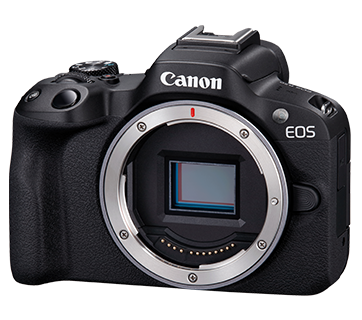
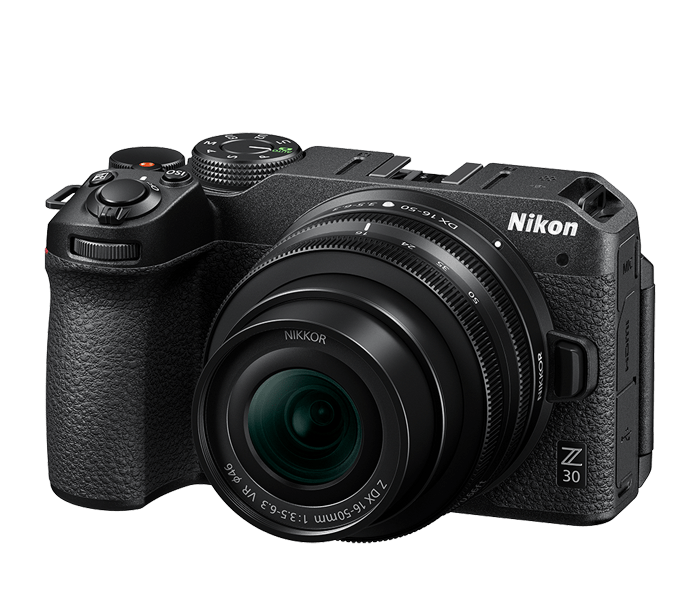
The Canon EOS R50 and Nikon Z30 are both compelling APS-C mirrorless cameras positioned towards entry-level to mid-range photography enthusiasts and content creators. Commonly compared due to their similar price points and target audiences, these two cameras each bring unique features that cater to different user preferences. Photographers looking for a more robust autofocus system may lean towards the Canon EOS R50, while those prioritizing video capabilities and low-light performance might find the Nikon Z30 appealing.
Specifications Comparison
Detailed Comparison
Image Quality
Both the Canon EOS R50 and Nikon Z30 feature APS-C sensors, but there are some distinctions worth noting. The R50 sports a 24-megapixel sensor, providing a slight edge in resolution compared to the Z30's 21-megapixel sensor. This difference may lead to improved detail in prints or when cropping images in post-processing. Additionally, the EOS R50 has an ISO range of 100-32000, while the Z30 offers an extended ISO range of 100-51200, expandable to 204,800, allowing for better performance in low-light conditions. This makes the Z30 a great option for videographers or photographers who often shoot in challenging lighting environments.
Despite the differences in megapixels, both cameras produce impressive JPEG images with vibrant colors and good noise handling, particularly at lower ISO settings. However, when it comes to raw image quality, the extra resolution on the R50 may be advantageous. As a result, both cameras are capable of delivering high-quality images for their class, with the decision largely hinging on whether users prioritize resolution or low-light capability.
Autofocus System
Autofocus is increasingly crucial in modern cameras, and here, the Canon EOS R50 excels with its 651 autofocus points compared to the Nikon Z30's 209 points. This extensive coverage offers superior tracking of subjects, especially for fast-moving subjects, making the R50 particularly appealing for sports or action photography. It also benefits from Canon's Dual Pixel autofocus technology, ensuring quick and accurate focus transitions.
The Z30's autofocus system, while effective, is not as expansive, though it does include eye detection features for both humans and animals, which is beneficial for portrait and wildlife photography. Users might find that while the Z30 performs well under most conditions, it may struggle with consistent tracking compared to the R50. Overall, the R50's advanced autofocus capabilities give it an edge in action and dynamic shooting scenarios.
Video Capabilities
When it comes to video, both the Canon EOS R50 and Nikon Z30 provide the capability to shoot in 4K at 30p, making them suitable for casual vlogging and video creation. However, the Z30 distinguishes itself with its dedicated vlogging features, including an LCD screen that flips out for easy framing when filming oneself. Additionally, the Z30's extended ISO range makes it a solid choice for low-light video shooting. Both cameras lack in-body stabilization, relying on lens stabilization instead, which can limit handheld shooting stability.
For connectivity, both cameras offer microphone inputs, useful for improving audio quality during video recordings. However, the absence of an electronic viewfinder in the Z30 may detract from its appeal for some videographers who prefer composing shots through an EVF rather than the LCD screen alone. Overall, both cameras perform well for basic video needs, but the Z30 may have a slight edge in usability for vloggers.
Build & Ergonomics
In terms of build quality, the Nikon Z30 features weather sealing, which could be a deciding factor for those planning to shoot in challenging environments or harsh weather conditions. This gives the Z30 a robustness that can be appealing for outdoor photographers. The Canon EOS R50, on the other hand, is lighter and more compact, making it an excellent choice for those prioritizing portability.
The R50's controls are well-placed and intuitive, with a solid grip that feels comfortable for extended shooting sessions. The Z30, while slightly heavier and bulkier, also offers a comfortable grip and ergonomic design. The absence of an electronic viewfinder in the Z30 might deter some users who prefer the traditional viewfinder experience.
Battery & Storage
The battery life is another consideration, with the Nikon Z30 rated for approximately 330 shots per charge, versus the Canon EOS R50, whose battery life is less explicitly stated. However, generally, Canon cameras tend to perform well in this aspect, and the R50's energy-efficient design might offset its slightly lower rated performance. Both cameras support SD card storage, but the Z30's higher capacity for media may provide a smoother experience for users who shoot longer videos or bursts of images. Ultimately, while both cameras offer adequate battery performance for casual shoots, users may want to consider their shooting styles when evaluating battery and storage capabilities.
Value for Money
Pricing is often a significant factor in the purchasing decision, with the Canon EOS R50 retailing at $679 and the Nikon Z30 slightly higher at $710. While the price difference is minimal, potential buyers should consider the features that best meet their individual needs. The R50's higher megapixel count and autofocus capabilities may deliver more value for photography enthusiasts, while the Z30's enhanced video features and weather sealing could justify its price tag for vloggers or outdoor photographers. Ultimately, both cameras offer good value for their respective target users, but the slight price difference may influence a buyer's final choice based on their primary use case.
Lens Ecosystem
An essential consideration when choosing between these two systems is the lens ecosystem. The Canon RF mount offers a growing selection of high-quality lenses that are compatible with the EOS R50, giving users a range of options for different styles of photography. However, the Nikon Z mount, while initially not as extensive, is rapidly expanding with a number of versatile lenses that are also compatible with full-frame Z-series cameras. Users who already own lenses for either system may find better value and flexibility in sticking to their brand.
Ultimately, the lens availability can influence the overall usability and flexibility of the camera for professional work. Both systems provide excellent options, but as they evolve, prospective buyers should consider future upgrades and specialized lenses that match their photographic requirements.
Our Verdict
Overall, the Canon EOS R50 emerges as the winner in this comparison due to its superior autofocus system, higher megapixel count, and compact design, making it a fantastic choice for photography enthusiasts focused on image quality and fast performance. However, the Nikon Z30 does hold its ground well, especially for videographers and those who require weather sealing. Depending on user preference-whether it's photography or video-both cameras stand as solid options in their category, with individual strengths that can cater to specific shooting styles.
Canon EOS R50
Nikon Z30
Also Compare
Frequently Asked Questions
Which camera has better low-light performance?
The Nikon Z30 offers a wider expandable ISO range, which allows it to perform better in low-light conditions compared to the Canon EOS R50.
Is the electronic viewfinder necessary for these cameras?
While an electronic viewfinder like the one found on the R50 can enhance shooting precision, the Z30's regular LCD screen may suffice for many users, especially vloggers.
How do video capabilities compare between the two?
Both cameras shoot 4K at 30p; however, the Z30 is designed with vloggers in mind, featuring a flip screen and better low-light video capabilities.
Do these cameras have any weather resistance?
The Nikon Z30 comes with weather sealing, making it more durable for outdoor shooting, while the Canon EOS R50 does not have this feature.
Which camera is better for photography versus video?
The Canon EOS R50 is geared more toward photography with its higher resolution and advanced autofocus. The Nikon Z30 excels in video features, making it a better choice for those who primarily shoot video content.