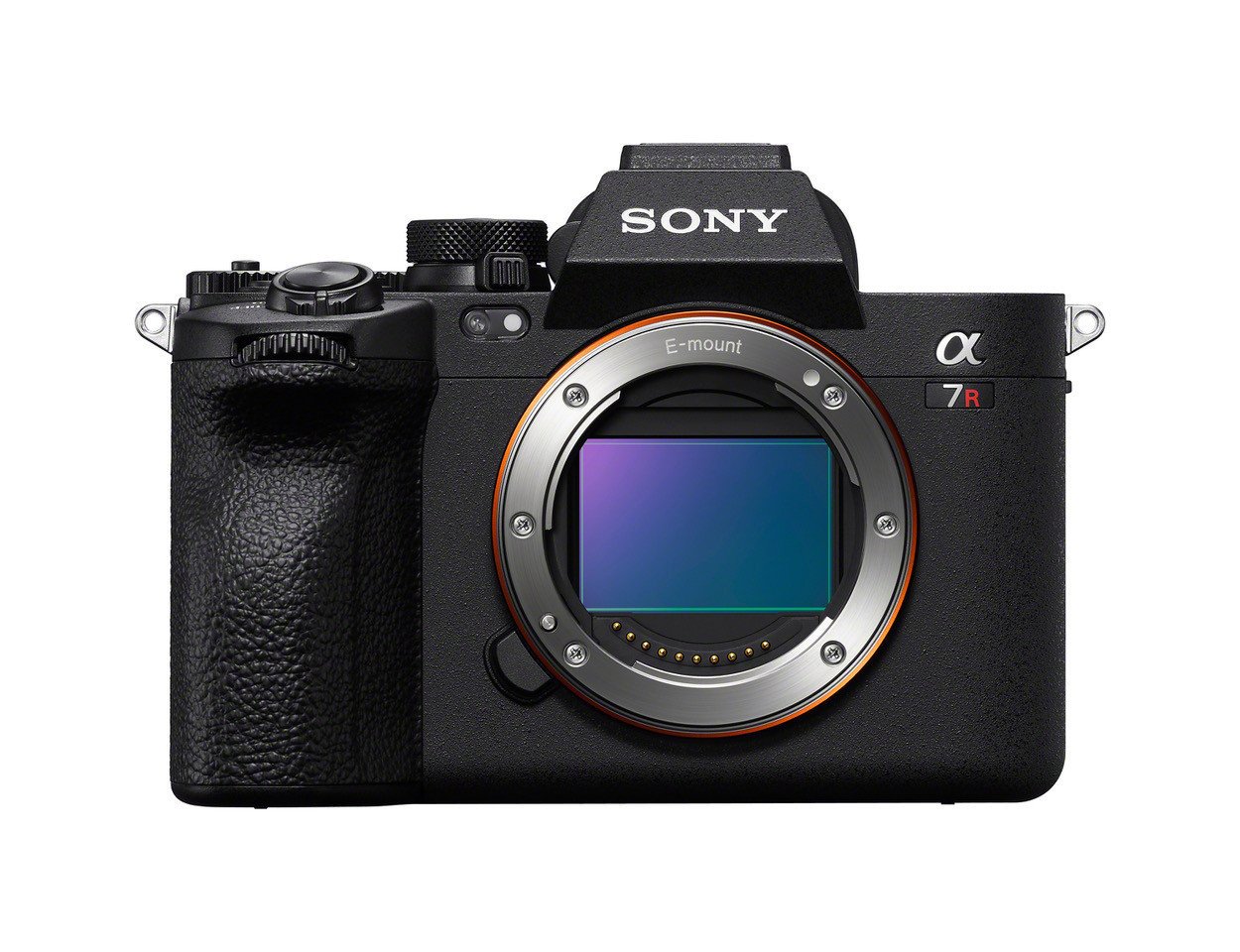

The Sony A7R V and Sony A9 III are two flagship mirrorless cameras from Sony, catering to different types of photographers. The A7R V is designed for high-resolution imaging, making it an excellent choice for landscape, portrait, and studio photographers who prioritize detail. In contrast, the A9 III is built for speed and performance, aimed at sports and wildlife photographers who need rapid shooting rates and outstanding autofocus capabilities. Given their prestigious positions in Sony's lineup, they often draw comparisons from buyers trying to decide which model best fits their needs.
Specifications Comparison
Detailed Comparison
Image Quality
When it comes to image quality, the Sony A7R V boasts a remarkable 60-megapixel full-frame sensor compared to the 25 megapixels of the A9 III. This substantial difference allows for greater detail and cropping flexibility in landscape and portrait photography. The A7R V's ISO range is also impressive, with native options up to ISO 32,000 and an expansion up to 102,400, giving it an edge in low-light conditions. On the other hand, while the A9 III's sensor may not match the A7R V in resolution, its high-quality images still offer excellent dynamic range and color fidelity, suitable for fast-paced environments where detail is crucial. Overall, for photographers who prioritize resolution and detail in their work, the A7R V clearly excels.
Autofocus System
The autofocus systems of both cameras are exceptional, but they serve different purposes. The A7R V features 693 autofocus points, enabling highly accurate tracking across a wide area, making it fantastic for still photography. In contrast, the A9 III is built for speed with a maximum burst rate of 120 fps, allowing for astonishingly fast focusing and tracking capabilities, which is essential in action photography. This specialized focus system, combined with real-time tracking and eye autofocus, ensures that the A9 III can capture fleeting moments with precision. While the A7R V offers robust autofocus, the A9 III takes the lead in high-speed scenarios.
Video Capabilities
In terms of video capabilities, the A9 III outshines the A7R V with its ability to shoot 4K at 120 fps, which is a major asset for videographers and content creators focusing on high-fidelity motion capture. The A7R V, however, supports 4K 60p recording, which is still excellent for most applications but lacks the frame rate and resulting slow-motion capabilities that the A9 III can offer. Both models support high-quality internal recording, but if high-speed video is a priority, the A9 III would be the better choice. Overall, the A9 III would cater better to dynamic video applications.
Build & Ergonomics
Both the Sony A7R V and A9 III are built with a robust body and offer weather sealing, essential for professional use in various environments. The A7R V is slightly heavier at 723g compared to the A9 III's 617g, which may affect portability for some users. Nevertheless, both cameras have similar dimensions and feature well-placed controls for ease of use. The A7R V's screen is slightly more advanced with a higher dot count (2.1 million), providing better resolution for reviewing images. Ultimately, the build quality is impressive in both models, but the lighter weight of the A9 III may appeal more to shooters who carry their gear for extended periods.
Battery & Storage
Battery life is another important consideration, especially for long shooting sessions. The A7R V offers around 530 shots per charge, which is slightly above average for mirrorless cameras. In contrast, while the specific battery life is not stated for the A9 III, it is designed to handle high-volume shooting thanks to its efficient use of power during fast frame rates. Both cameras use the same Sony E mount, offering compatibility with a wide range of lenses. However, the A9 III may require more storage due to its faster burst rates, impacting how users manage their media, especially with burst shooting capabilities. For extended use, the A7R V's battery performance is commendable but does not directly reflect the usage style of the A9 III.
Value for Money
Pricing is a crucial factor, with the Sony A7R V retailing at around $3,900 compared to the A9 III, which has not been explicitly priced in this context but typically sits in a similar or slightly higher range. The A7R V may present better value for landscape and studio photographers who need high resolution for large prints. The lower megapixel count of the A9 III may deter some who obsess over pixel counts; however, its unmatched speed and performance can justify its price among action photographers. While both cameras command a premium, the value proposition ultimately hinges on what type of photography the buyer prioritizes. Those needing sheer image quality might find the A7R V is worth its higher cost. Conversely, the A9 III's speed may offer better overall value for fast-paced shooting scenarios.
Our Verdict
Both the Sony A7R V and A9 III are superb mirrorless cameras tailored to specific photography needs. The A7R V excels in image resolution and detail, making it ideal for studios and landscapes, while the A9 III shines in speed, making it perfect for sports and wildlife photography. The A9 III's greater burst rate and video capabilities cater to dynamic scenarios, while the A7R V's resolution and battery life provide excellent value for high-resolution applications. Ultimately, the choice between these two models should be driven by the photographer's specific use case and shooting environment.
Sony A7R V
Sony A9 III
Also Compare
Frequently Asked Questions
Which camera is better for portraits?
The Sony A7R V is better for portraits due to its higher resolution sensor, which captures incredible detail in facial features and offers more flexibility for cropping.
Can I use the same lenses on both cameras?
Yes, both the A7R V and A9 III use the Sony E lens mount, allowing you to interchange lenses without any compatibility issues.
Which camera is more suited for wildlife photography?
The Sony A9 III is more suited for wildlife photography because of its high burst rate and advanced autofocus system, enabling it to capture fast-moving subjects effectively.
What video resolution can each camera support?
The Sony A7R V supports 4K up to 60p, while the A9 III can shoot 4K at 120p, offering more flexibility for dynamic video creation.
Is the A9 III worth the extra cost?
If you require high-speed capabilities and reliable autofocus for action shots, the A9 III's features justify the price. However, if high resolution for stills is your priority, the A7R V is likely the better investment.