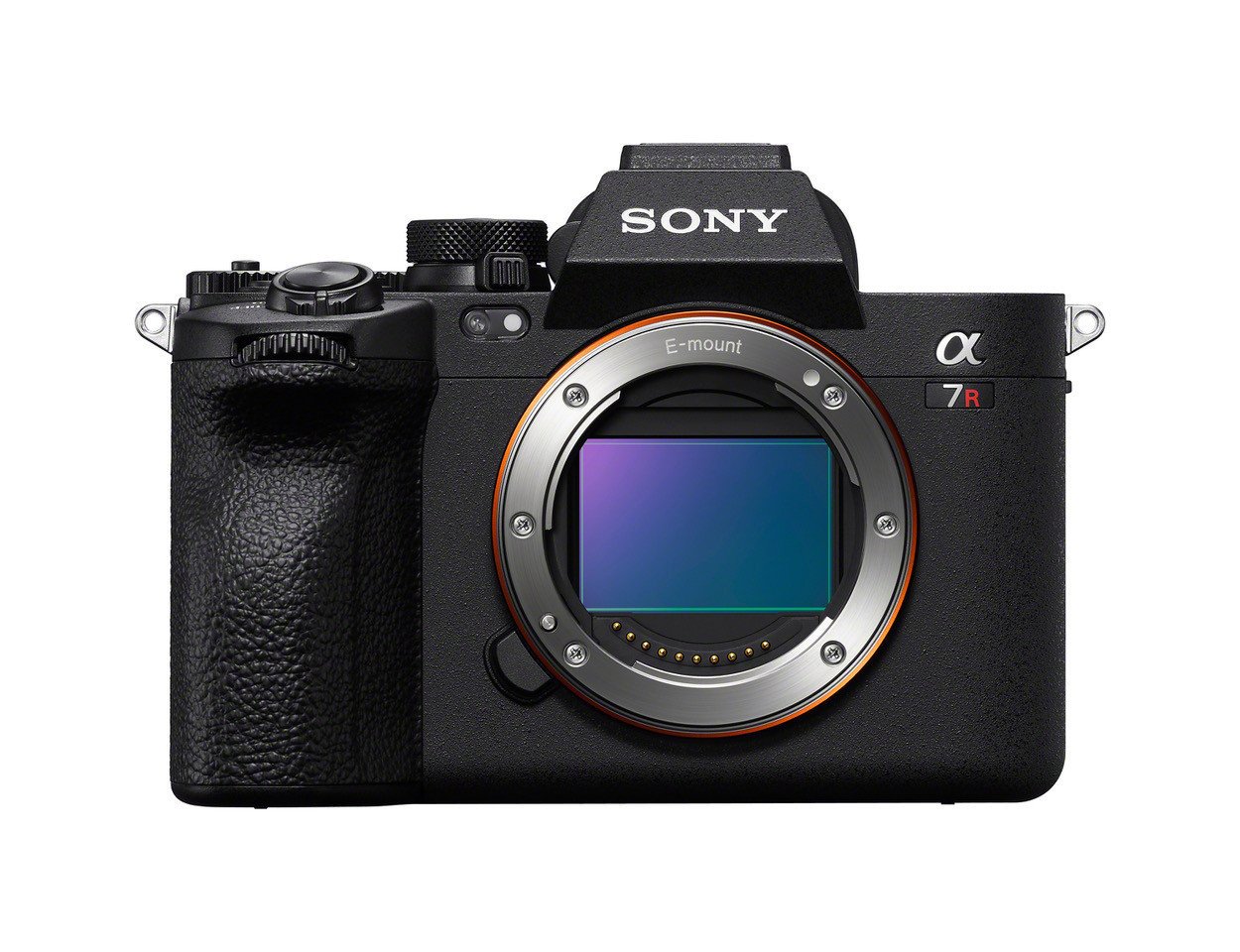

The Sony A7R V and Sony A9 II are both exceptional full-frame mirrorless cameras that appeal to different segments of the photography market. Commonly compared by professionals and enthusiasts alike, these two models cater to photographers who are looking for high-performance options for various scenarios, from studio and landscape photography to fast-paced sports and wildlife shooting. The key differentiators between them lie in their megapixel counts, frame rates, and video capabilities, each designed to serve specific photographic needs effectively.
The A7R V, with its impressive 60-megapixel sensor, targets those who prioritize resolution and image detail, making it ideal for landscape and portrait photography. Conversely, the A9 II's 24-megapixel sensor and higher burst shooting rate are advantageous for action photographers who need speed and responsiveness. Understanding these differences can guide potential buyers to choose the right tool for their creative vision.
Specifications Comparison
Detailed Comparison
Image Quality
The Sony A7R V excels in image quality due to its high-resolution 60-megapixel sensor that produces incredibly detailed images, making it a perfect choice for landscape, portrait, and studio photographers. The ability to print large formats without loss of detail can be a significant advantage, as it allows for extensive cropping while retaining sharpness and clarity. Additionally, the A7R V's extended ISO range (50-102400) enables effective low-light performance while minimizing noise in shadows.
On the other hand, the A9 II, with its 24-megapixel sensor, offers a different kind of merit, emphasizing speed and low-light capability over maximum resolution. Though it doesn't match the A7R V in terms of pixel count, its rapid shooting speed and larger ISO range (up to 204800) allow for great performance when shooting fast-moving subjects in challenging lighting conditions. While the A9 II captures images with excellent color accuracy and dynamic range, it may not achieve the same level of detail in static subjects.
In conclusion, if image quality and resolution are paramount for your photography, the A7R V is the clear winner. However, if you prioritize fast, high-quality images in varying conditions, the A9 II holds its own.
Autofocus System
Both cameras utilize Sony's highly regarded Fast Hybrid AF system, featuring 693 phase-detection points that ensure excellent subject tracking and focus accuracy. The A7R V offers advanced features such as Real-time Eye autofocus, which benefits portrait and wildlife photographers by providing precise focus on subjects' eyes. This system works remarkably well even in challenging lighting conditions, which can be critical for high-resolution images where focus accuracy is paramount.
In comparison, the A9 II's autofocus system shines in fast-paced scenarios, supporting up to 20 frames per second continuous shooting with full autofocus capabilities. This is particularly beneficial for sports and wildlife photographers who need to capture intricate movements over a span of time. Additionally, the A9 II features a more refined burst mode that helps in tracking fast-moving subjects effectively.
While both cameras provide powerful autofocus systems, the A7R V edges out in static subjects and detail-oriented photography due to its enhanced Eye-AF features. Nonetheless, for action-centered photography, the A9 II's speed and tracking capabilities may lead some photographers to favor it.
Video Capabilities
The A7R V supports video recording at 4K up to 60p, making it a versatile option for videographers looking for high-resolution styles. With features such as 10-bit 4:2:2 internal recording and advanced color grading capabilities, it caters well to serious filmmakers who desire quality alongside still photography. Moreover, the strong image stabilization system (8 stops) allows for shooting in various conditions without the need for a gimbal, which can enhance the video production experience.
On the other hand, the A9 II records 4K at up to 30p, which may limit its appeal for serious videographers but is still sufficient for many use cases, especially in sports and event photography where video quality meets the necessary standard. The A9 II does have strong low-light capabilities that suit video recording in challenging environments.
In summary, while both cameras have video recording capabilities, the A7R V leads with higher frame rates and better overall specs. For users prioritizing video performance along with still image quality, the A7R V is the preferred choice.
Build & Ergonomics
Both the A7R V and A9 II feature robust weather-sealed bodies designed for durability in various shooting scenarios. The A7R V is slightly heavier at 723g compared to the A9 II's 678g, which may be a consideration for photographers concerned about weight during extended shooting sessions. The dimensions are also slightly larger on the A7R V, but both cameras maintain a compact form factor typical of mirrorless systems.
In terms of ergonomics, the A7R V has a slightly larger touchscreen (3.2") that aids in quick navigation and image review, while the A9 II comes with a smaller 3" screen. However, both touchscreens are responsive and feature customizable functions to enhance the user experience. The high-resolution electronic viewfinders in both models ensure accurate framing and allow photographers to view exposure settings in real-time.
Overall, both builds and user interfaces of the cameras can cater to the needs of professional users, but preference may come down to familiarity and specific handling styles during use.
Battery & Storage
When it comes to battery performance, the Sony A9 II has a slight advantage with a lifespan of approximately 690 shots, compared to the A7R V's 530 shots. This could be crucial for event photographers or long shoots where changing batteries frequently is not practical. Both cameras use the same NP-FZ100 battery, and while both offer USB charging, the A9 II's longer life can provide peace of mind during extended photo sessions.
On the storage front, both models support dual card slots, allowing photographers to utilize a combination of SD UHS-II cards for speed and capacity. This feature is essential for photographers working with large files, especially with the high-resolution images produced by the A7R V.
In this case, while the A9 II offers a better battery life and similar storage capabilities, the A7R V's extensive file sizes may appeal more to those who prioritize quality over quantity. The difference in battery life may make the A9 II slightly more favorable in this aspect.
Value for Money
When evaluating the price points, the A7R V is priced at $3900 while the A9 II comes in at $4500. The A7R V presents remarkable value given its high-resolution capabilities, advanced autofocus features, and strong video performance. Photographers seeking high-quality images without a heavy investment may find the A7R V to offer a more compelling package for its price.
Conversely, the A9 II's higher cost reflects its speed and performance benefits, particularly for action photography. The 20 fps continuous shooting and slightly better battery performance may justify the higher price for professionals focused on capturing fleeting moments at fast speeds. However, for everyday photographers, the added expense may not provide additional value in capabilities compared to the A7R V.
In conclusion, the A7R V offers more competitive aspects of image quality and overall versatility, whereas the A9 II justifies its cost through speed and performance features. Potential buyers should weigh these factors carefully when making a purchasing decision.
Our Verdict
Overall, the Sony A7R V emerges as the winner in this comparison, primarily due to its superior image quality, autofocus capabilities, and video features-making it a well-rounded choice for a variety of photography styles. It is particularly suited for those who prioritize detail and versatility in their work. Meanwhile, the A9 II shines for action-oriented photographers who require high frame rates and faster performance in variable conditions, but its higher price and lesser resolution might deter casual users. Both cameras are excellent; the choice ultimately depends on the specific needs and style of the photographer.
Sony A7R V
Sony A9 II
Also Compare
Frequently Asked Questions
Which camera is better for landscape photography?
The Sony A7R V is better suited for landscape photography due to its 60-megapixel sensor that captures more detail and allows for larger prints.
Which camera performs better in low-light situations?
Both cameras perform well in low light; however, the A9 II has a higher maximum ISO setting, which may help achieve better results in extremely low-light conditions.
Is the A9 II worth the extra cost?
If your primary focus is on fast action photography, the additional cost of the A9 II may be justified by its superior burst shooting and tracking capabilities.
Can the A7R V shoot high-quality video?
Yes, the A7R V offers 4K video at up to 60p, making it an excellent choice for videographers looking for high-resolution output.
What is the battery life like for each camera?
The A9 II has a superior battery life of approximately 690 shots, compared to the A7R V's 530 shots, making it slightly better for longer shooting sessions.