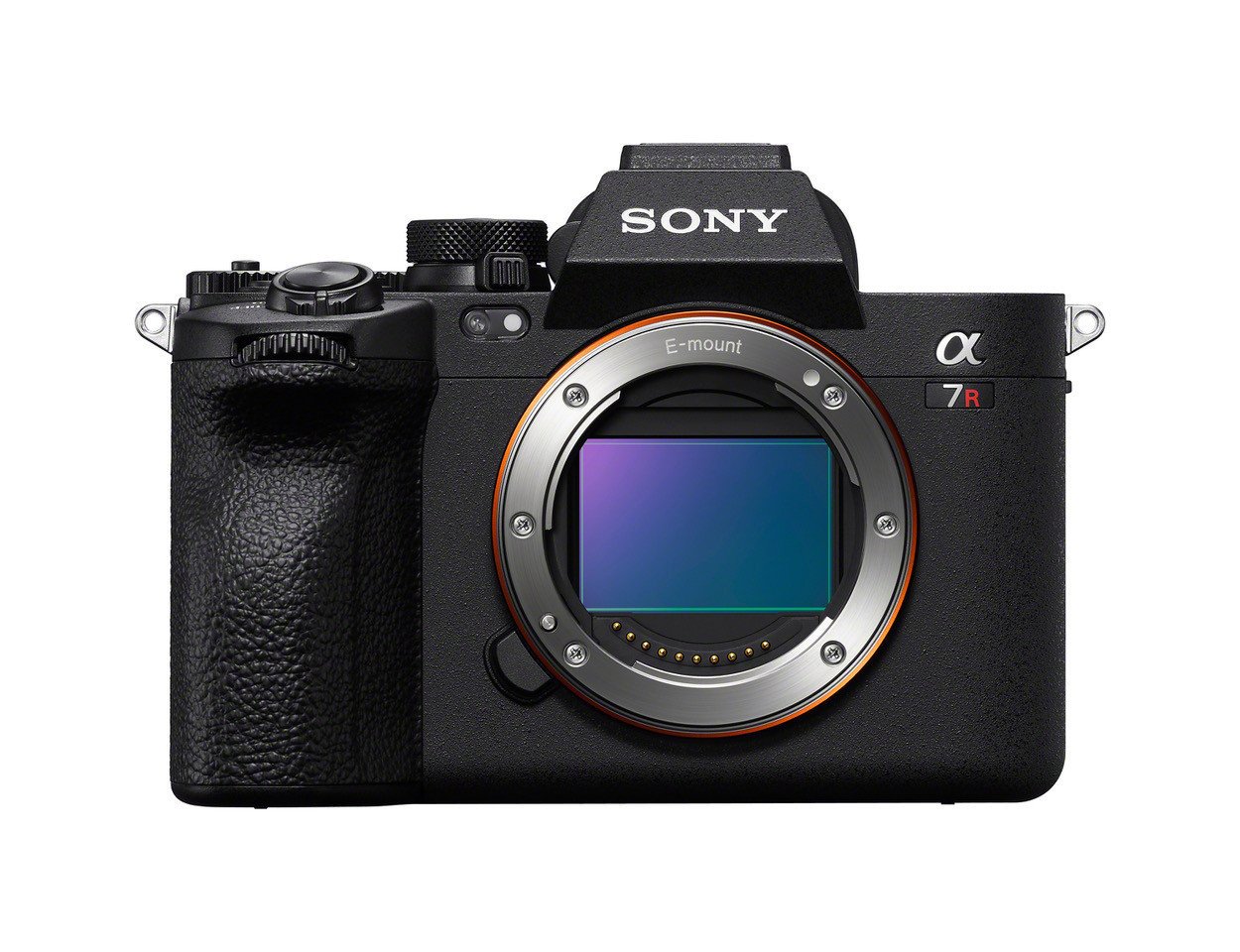

The Sony A7R V and Sony A7S III are two flagship cameras from Sony's renowned Alpha line, appealing to distinct photography and videography needs. The A7R V, with its remarkable 60-megapixel sensor, is ideal for photographers seeking the highest image resolution for landscape, portrait, or commercial photography. Meanwhile, the A7S III, with its 12-megapixel sensor, stands out in low-light performance and videography, making it the preferred choice for filmmakers who prioritize dynamic range and high frame rates in their video work. This comparison highlights the specific strengths and weaknesses of each model, allowing buyers to make an informed decision based on their needs and use cases.
Specifications Comparison
Detailed Comparison
Image Quality
The image quality is one of the most significant differentiators between the Sony A7R V and the A7S III. The A7R V boasts a 60-megapixel full-frame sensor, allowing photographers to capture extraordinarily detailed images, which is ideal for large prints and cropping flexibility. Its expansive ISO range of 100 to 32000 (expandable to 50-102400) further enhances its versatility in varying lighting conditions.
In contrast, while the A7S III has a considerably lower 12-megapixel resolution, its sensor is optimized for maximum performance in low-light environments. Its ISO range also begins at a lower 80 and extends to 102400 (expandable to 40-409600), making it well-suited for videography and events where lighting may be challenging. This makes it capable of generating cleaner images at high ISOs, particularly useful for night shoots or dimly lit venues.
In terms of color reproduction, both cameras provide excellent dynamic range and color accuracy. However, the A7R V typically delivers a richer detail in highlights and shadows, elevating it as the winner in image quality for still photography.
Autofocus System
Both the Sony A7R V and A7S III feature advanced autofocus systems, but they cater to slightly different needs. The A7R V is equipped with 693 phase-detection autofocus points, ensuring fast and accurate subject tracking, particularly for still photography. This extensive point coverage generally results in reliable focus, even when capturing subjects in motion.
On the other hand, the A7S III takes autofocus a step further with 759 phase-detection points, which provides enhanced precision, especially during video shooting. The A7S III's autofocus performance shines during video recording with its real-time tracking and Eye Autofocus feature, making it easier to follow moving subjects seamlessly.
Given that both cameras provide excellent autofocus performance, the A7S III edges ahead slightly in terms of video suitability while the A7R V is more tailored for static image capture. Thus, the segment is quite close, making it a tie overall, although the A7S III's autofocus infrastructure yields an advantage in high-tempo scenarios.
Video Capabilities
When it comes to video capabilities, the A7S III reigns supreme. It supports 4K recording at up to 120 frames per second, allowing for mesmerizing slow-motion footage, which is a significant advantage for filmmakers. Additionally, the A7S III excels with its 10-bit 4:2:2 internal recording and multiple codecs, enabling greater post-editing flexibility and superior color depth.
In contrast, while the A7R V also supports 4K video recording, its capabilities peak at 60 frames per second, making it less versatile in dynamic video scenarios. The A7R V's focus is clearly on static photography rather than flourishing in the fast-paced demands of modern videography.
Given these differences, the A7S III decisively outshines the A7R V in the video department, making it the preferred choice for content creators focused on high-quality video production.
Build & Ergonomics
Both the Sony A7R V and A7S III feature robust build quality and weather sealing, making them suitable for outdoor and professional environments. The A7R V weighs in at 723 grams, slightly heavier than the A7S III's 699 grams, which may make a small difference during extended shooting sessions.
In terms of dimensions, the A7R V measures 131 x 97 x 82 mm, while the A7S III is more compact at 129 x 97 x 81 mm. This slightly smaller form factor in the A7S III can contribute to a more comfortable grip, especially during prolonged usage.
Both cameras are equipped with electronic viewfinders and high-resolution rear screens, but the A7R V features a larger 3.2-inch screen with 2,100,000 dots, compared to the A7S III's 3-inch screen with 1,440,000 dots. This advantage helps with better visibility and detail when reviewing images and settings. Overall, while both cameras are remarkably well built, the A7R V edges out in detailed screen quality, making the winner here a close one.
Battery & Storage
Both cameras utilize the same battery type (NP-FZ100) and offer impressive battery life, with the A7R V rated for approximately 530 shots and the A7S III for around 600 shots. This could be an essential factor for users who require long shooting sessions without frequent battery changes.
In terms of storage, both cameras support dual card slots, allowing simultaneous saving of images in different formats on two separate cards, enhancing backup and storage flexibility. This feature is crucial for professionals who often shoot large volumes of images in high quality.
Overall, between the two, the A7S III offers a slightly longer battery life, but the A7R V's efficient usage reflects its medium-range shooting capacity. Given the similarities in design and utility, this category asserts itself as a tie.
Value for Money
Price-wise, the A7R V is positioned at $3900, while the A7S III is slightly more accessible at $3499. The A7R V offers remarkable image resolution and superior detail, which may justify the price for photographers who require its capabilities. Conversely, the A7S III, with its video prowess and low-light performance, offers outstanding value for filmmakers at a slightly lower cost.
Considering the target audience for each camera, budget-conscious content creators might find the A7S III to deliver the best value, especially for those who frequently work under variable lighting conditions. Meanwhile, the A7R V provides higher resolution and detail for specific photographic tasks, hence justifying its premium price tag.
Based on pricing and the specific use cases, the A7S III comes out ahead in value for those focused on video work, while the A7R V is an exceptional choice for still photography.
Our Verdict
In summary, the Sony A7S III emerges as the overall winner primarily due to its exceptional video capabilities, superior autofocus system, and favorable pricing. While the A7R V excels in image resolution and quality, those needs are more niche and specified for photography. The A7S III remains the top choice for videographers, especially those working in low-light conditions or requiring high frame rates. However, for dedicated photographers focusing on high-resolution imagery, the A7R V still holds undeniable value, carving out its niche in the landscape of professional cameras.
Sony A7R V
Sony A7S III
Also Compare
Frequently Asked Questions
Which camera is better for low-light shooting?
The Sony A7S III is better for low-light shooting due to its optimized sensor design and extended ISO capabilities, allowing it to produce cleaner images at higher ISO levels compared to the A7R V.
Which camera is ideal for high-resolution images?
The Sony A7R V is ideal for high-resolution images with its 60-megapixel sensor, making it perfect for landscape and portrait photographers who prioritize detail and cropping flexibility.
Can both cameras record 4K video?
Yes, both the Sony A7R V and A7S III can record 4K video, but the A7S III supports up to 120 frames per second, while the A7R V has a maximum of 60 frames per second.
How does the autofocus performance compare?
The Sony A7S III has a slight edge in autofocus performance, especially for video applications with more AF points and superior tracking capabilities, while the A7R V is better suited for still image capturing.
Which camera offers better value for photographers on a budget?
The Sony A7S III offers better value for photographers on a budget due to its competitive price point and versatility as it serves both still photography and videography needs effectively.