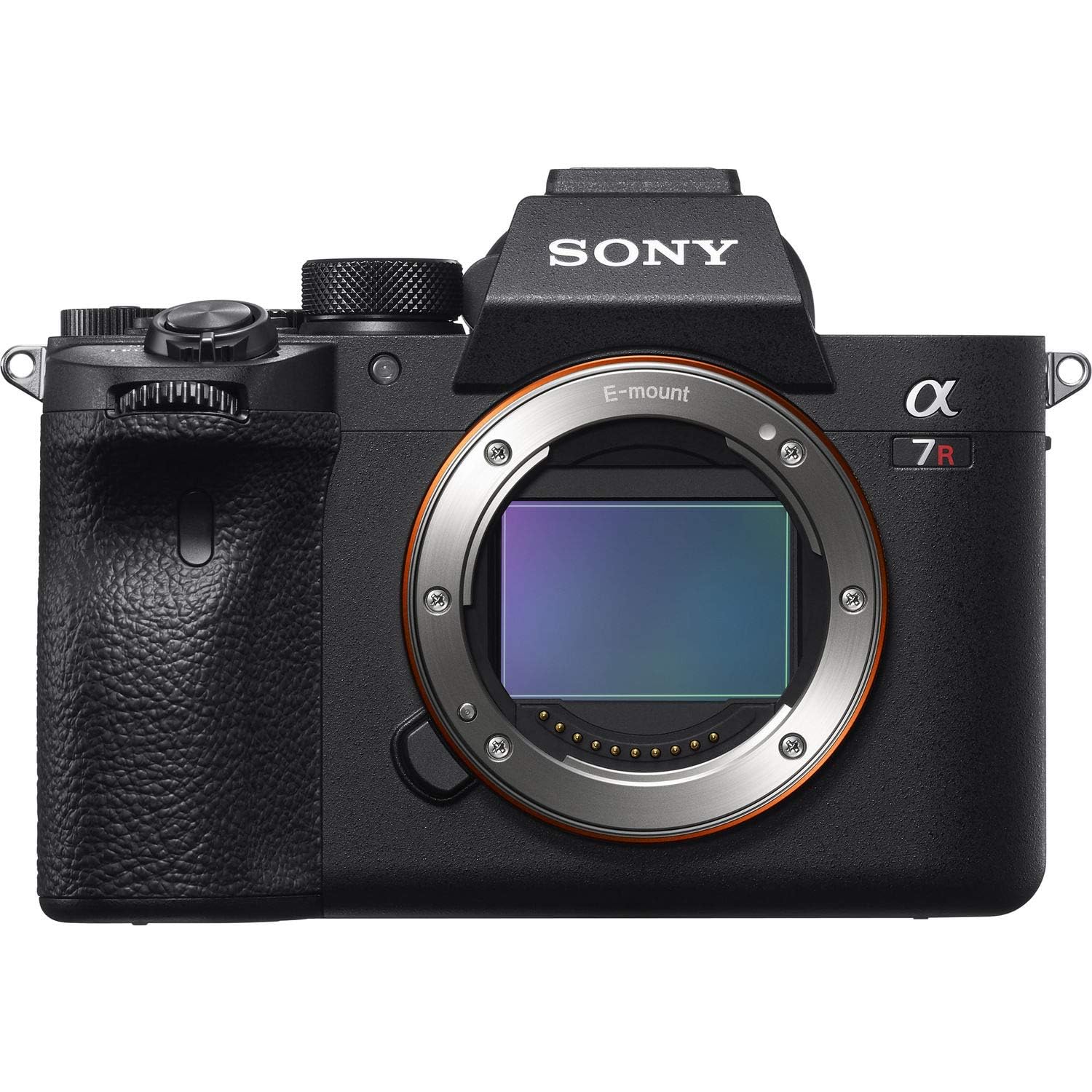

The Sony A7R IV and Sony A9 III are two powerful full-frame mirrorless cameras that cater to different segments of photographers and videographers. The A7R IV is widely praised for its exceptional resolution and image quality, making it an excellent choice for landscape, product, and portrait photographers who prioritize detail. In contrast, the A9 III is designed for speed and performance, appealing to sports and action photographers seeking rapid autofocus and high frame rates. Both cameras share the same Sony E mount and advanced features, which makes choosing between them a must for potential buyers.
Key differentiators lie in their specifications and intended use cases. The A7R IV offers a staggering 61 megapixels, making it ideal for capturing ultra-detailed images, while the A9 III focuses on speed with up to 120 fps continuous shooting and advanced subject tracking capabilities. As buyers evaluate these models, they'll need to think about what aspects are more important to their specific photography style and needs, including image quality, autofocus performance, video capabilities, and overall ergonomics.
Specifications Comparison
Detailed Comparison
Image Quality
The Sony A7R IV's standout feature is its 61-megapixel full-frame sensor, which delivers outstanding image quality and dynamic range. Photographers can benefit from stunning detail, enabling large prints or extensive cropping without significant loss of quality. The extended ISO range of 50-102800 also allows for effective low-light performance, although results may vary near the upper limit.
In contrast, the Sony A9 III comes with a 25-megapixel sensor, which, while lower in resolution, is optimized for rapid capture and low-light performance. Many sports and action photographers may find it easier to work with this resolution as it provides a balance between detail and file size, which can be particularly beneficial in fast-paced shooting environments where burst rates are high.
Overall, the A7R IV has an edge for photographers that prioritize high resolution and image detail, while the A9 III is more about balance between quality and practicality. The sensor technologies of both cameras are impressive, but the A7R IV clearly leads in terms of sheer image resolution.
Autofocus System
Both cameras are equipped with sophisticated autofocus systems, but they serve different purposes. The A7R IV features 567 phase-detection points, allowing for quick focus acquisition and subject tracking. This robust system is beneficial for landscape and portrait work, particularly when capturing detailed subjects that can take advantage of the camera's high resolution.
The A9 III, however, offers superior autofocus capability geared toward high-speed scenarios with its fast and accurate 693-point AF system. It includes advanced subject tracking features, which are particularly useful in sports and wildlife photography, where subjects can move unpredictably. The ability to shoot at 120 fps with continuous autofocus ensures that photographers do not miss pivotal moments.
Thus, while both systems excel, the A9 III wins for fast-moving subjects and action scenarios, while the A7R IV provides reliability in varied focus scenarios, particularly in static subjects, making it a versatile choice too.
Video Capabilities
When it comes to video capabilities, the A9 III takes the lead with its support for 4K at 120p, making it a favorable choice for videographers looking to create high-quality slow-motion footage. The high frame rate gives filmmakers flexibility and creativity in post-production, along with superior video quality.
On the flip side, the A7R IV offers 4K video at 30p, which is sufficient for many users, especially those who focus more on photography but want to shoot occasional video. In terms of video resolution, both cameras deliver strong performance; however, the A9 III's options are far more robust for high-performance video work.
In conclusion, if video recording versatility and quality are priorities, the A9 III clearly stands out as the better option with its advanced frame rates and video capabilities.
Build & Ergonomics
The build quality and ergonomics of both cameras are commendable, featuring weather-sealed designs that are crucial for outdoor photography. The A7R IV weighs 665g, slightly heavier than the A9 III at 617g, but both cameras are designed to be comfortable for extended use, with well-placed controls and solid grip.
The A7R IV has dimensions of 129 x 96 x 78 mm while the A9 III is slightly larger at 136 x 97 x 83 mm. The difference in dimensions and weight may not significantly impact the user experience, but it can make a difference during long shooting sessions.
With regard to display, the A9 III's 3.2-inch screen is marginally larger than the A7R IV's 3-inch screen, enhancing usability for video framing and menu navigation. Both cameras come equipped with electronic viewfinders, but the A9 III has an optional electronic viewfinder designed for quick visualization during fast action. Overall, both models are exceptionally built and ergonomic, yet the A9 III's slight edge in design features caters more towards fast-paced environments.
Battery & Storage
Battery life is essential for any serious photographer, and the A7R IV showcases a solid performance with a rating of 670 shots per charge, making it a reliable option for long shoots. This is particularly valuable for landscape photographers who often work in remote locations without easy access to power sources.
In comparison, the A9 III's specific battery life metrics are not readily available but are estimated to be slightly lower due to its high frame rate and processing needs, given its performance-focused design. However, its ability to handle fast shooting scenarios makes it less of a concern in many action settings as users may be inclined to carry extra batteries.
Both cameras support dual card slots, which allows for extensive shooting without the worry of running out of memory space. The overall great performance of both models in this category ensures they hold up well in professional environments, though the A7R IV has an advantage in longevity per single charge.
Value for Money
Pricing can significantly influence purchasing decisions, and the A7R IV is priced at $3,500, which reflects its high-resolution sensor and versatile functionality, appealing highly to professional photographers who require large prints and detailed work.
The A9 III, released in 2023, typically carries a higher price due to its advanced features, including high-speed performance, superior video capabilities, and robust autofocus. This price point targets serious sports and wildlife photographers who need reliable performance at high speeds.
Ultimately, the value for the A7R IV may be better for portrait and landscape photographers given its resolution and image quality, while the A9 III provides value through its speed and features for action-oriented photography. For the intent behind each camera, buyers will find that they are reasonably priced given their unique offerings.
Our Verdict
In conclusion, both the Sony A7R IV and the A9 III are exceptional cameras tailored to different types of photography. The A7R IV excels in image quality with its high megapixel count, making it stand out for detailed and static subjects. The A9 III shines in speed and video capabilities, showcasing its strengths for action photography and videography. Ultimately, the choice between these two cameras should be made based on the photographer's specific requirements: high resolution versus high-speed capture. Therefore, while they both excel in their strengths, they are also designed for different photography styles, leading to a tie overall, depending on the photographer's needs.