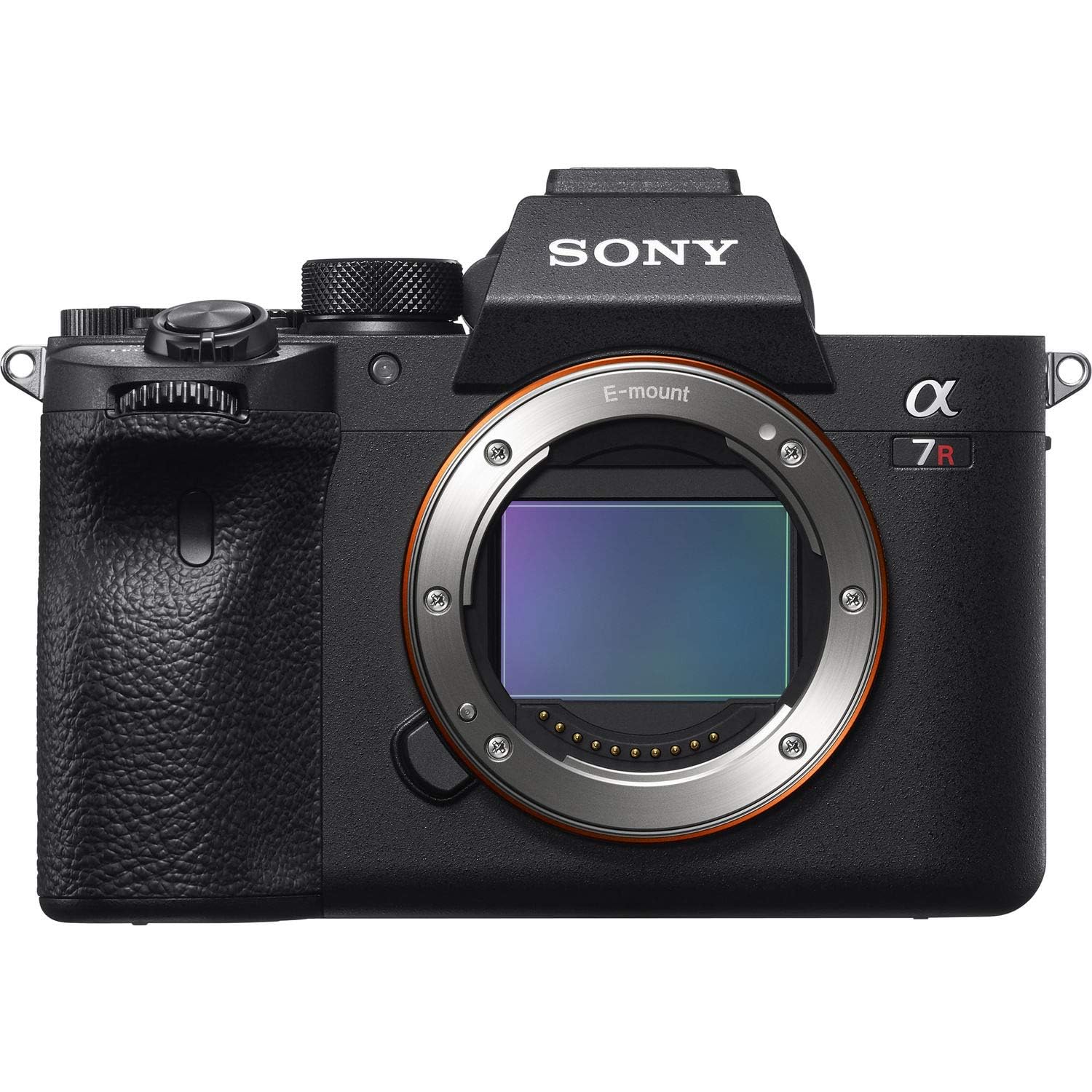

The Sony A7R IV and Sony A9 II are two premium full-frame mirrorless cameras that cater to different photographic needs, making them popular choices among professional photographers and enthusiasts alike. The A7R IV is renowned for its high-resolution 61-megapixel sensor, ideal for landscape and studio photography where detail is paramount. In contrast, the A9 II, with its 24-megapixel sensor and impressive 20 frames per second burst shooting capability, appeals to sports and wildlife photographers who prioritize speed and performance under dynamic conditions. Considering these aspects, potential buyers often find themselves weighing the benefits of resolution against speed, necessitating a closer analysis of their specifications and performance in varying scenarios.
Specifications Comparison
Detailed Comparison
Image Quality
When it comes to image quality, the Sony A7R IV takes the lead with its impressive 61 megapixels, allowing for extremely high-resolution images that are capable of producing large prints with remarkable detail. This high pixel count also provides greater cropping flexibility, making it a favorable choice for landscape, portrait, and commercial photographers. Additionally, its expanded ISO range (50-102800) gives it considerable performance in low light conditions, maintaining detail and reducing noise levels effectively at higher ISO settings.
On the other hand, the Sony A9 II, while it offers good image quality with its 24-megapixel sensor, may not match the A7R IV in terms of resolution. However, it does provide a wider practical ISO range (50-204800), which can be advantageous in certain low-light applications. The images produced are sharp and vibrant, benefitting from Sony's advanced sensor technology and processing capabilities, but the lower resolution means that photographers may lose some detail in comparison scenarios.
Overall, if image resolution and detail are top priorities, the A7R IV excels in this regard. For those who prioritize good image quality with faster shooting speeds, the A9 II serves well, but it cannot compete with the A7R IV for resolution-focused tasks.
Autofocus System
The autofocus system is a critical consideration for many photographers, especially those in fast-paced shooting environments. The A9 II features a robust autofocus system with 693 phase detection points, which allows for rapid and accurate focusing even in challenging light conditions. This wide coverage and fast acquisition make it particularly suitable for sports and wildlife photography where quick, continuous focus on moving subjects is essential.
Conversely, the A7R IV features 567 focus points. While it has slightly fewer points, it still offers exceptional autofocus performance, with the ability to lock onto subjects reliably. The A7R IV is primarily designed for situations requiring high-resolution detail, and while its autofocus is capable, it may not match the A9 II's speed and tracking capabilities, especially when shooting at 10 frames per second versus the A9 II's impressive 20 frames.
In summary, for photographers who require the fastest and most reliable autofocus performance, particularly in action-centric scenarios, the A9 II is the clear winner. However, the A7R IV still provides excellent autofocus capabilities suitable for a variety of applications.
Video Capabilities
Both cameras support 4K video at 30p, making them quite capable for video production. However, their feature sets diverge in terms of functionality. The A7R IV, with its higher resolution, is particularly attractive for filmmakers looking to capture high-resolution footage and allow for post-production cropping without losing detail. Its sensor also provides a good dynamic range, which is beneficial for achieving a cinematic look.
Meanwhile, the A9 II's strengths lie in its speed and performance, allowing for high frame rates and better handling of fast-moving subjects during video capture. It offers features like 10-bit 4:2:2 HDMI output, which is crucial for high-level professional video work. The faster autofocus also plays a significant role in video quality when tracking moving subjects.
For videographers focused on high-quality resolution and detail, the A7R IV may be more appealing, while those requiring speed and enhanced performance in action settings might lean toward the A9 II. Both cameras stand strong in terms of 4K capabilities, thus making this a more nuanced choice depending on the specific needs of the videographer.
Build & Ergonomics
In terms of build quality, both cameras are constructed with durable materials and are weather-sealed, making them capable of withstanding tough shooting conditions. They share a similar compact design considering their full-frame sensor capabilities, with minor variations in weight and dimensions that might influence preference. The A7R IV weighs 665g while the A9 II is slightly heavier at 678g, which may seem negligible but could impact extended shooting sessions.
Both models feature an electronic viewfinder and identical 3-inch screens with 1,440,000 dots, providing excellent clarity for composing shots. The controls are intuitively laid out, which aids in usability. Photographers appreciate the tactile feedback and accessibility of essential settings in both cameras, ensuring efficient workflow during shoots.
Overall, while both models offer similar robust builds and ergonomic designs, slight variances in dimensions and weight may sway some users towards their preferred choice. However, neither camera significantly outshines the other in this category.
Battery & Storage
When it comes to battery performance, the two cameras perform similarly well. The A7R IV is rated for approximately 670 shots per charge, slightly less than the A9 II's 690 shots. This is important for photographers who work on the go or in remote environments where charging options may be limited. Both cameras utilize the same NP-FZ100 battery, which offers robust performance for extended shooting sessions.
Regarding storage, both cameras support SD cards, with UHS-II support for faster write speeds. This is particularly important for high-resolution images and continuous shooting mode, where quick writing to the card is needed to prevent buffer overruns. Users can utilize dual card slots in each model for backup or overflow options, a feature that professional users highly value for critical shoots.
In conclusion, both cameras excel in battery life and storage options. While the slightly longer battery life of the A9 II provides a marginal advantage, the difference is minimal enough that users would be satisfied with either choice in functional daily use.
Value for Money
Pricing plays a significant role for many potential buyers, and the A7R IV is priced at $3500, making it a compelling option for those who need high resolution without breaking the bank. It serves as an excellent tool for those focusing on detailed photography across various genres where image quality is paramount.
On the other hand, the A9 II is priced at $4500, which positions it as a more premium option but offers greater performance in fast-paced shooting scenarios. Photographers who prioritize speed, particularly in fields like action or sports photography, may find the additional cost justifiable given the specific benefits offered by the A9 II.
Overall, the A7R IV provides exceptional value for those whose work demands high-quality imagery and detail, while the A9 II, with its speed and performance, may be viewed as a worthy investment by professionals needing those specific features for their work.
Our Verdict
In the overall comparison between the Sony A7R IV and Sony A9 II, it is evident that each camera excels in different areas, leading to a tie in practicality and functionality. The A7R IV is the winner when it comes to image quality and price, offering exceptional resolution and versatility for studio, landscape, and portrait work. On the other hand, the A9 II shines with its unparalleled autofocus and speed, making it the prime choice for sports and action photography. Ultimately, the decision rests on the photographer's specific needs and shooting style. For those who value high-resolution images and are working in controlled environments, the A7R IV is an excellent choice. However, for individuals needing rapid shooting capabilities and superior subject tracking in dynamic conditions, the A9 II would prove to be a formidable ally.
Sony A7R IV
Sony A9 II
Also Compare
Frequently Asked Questions
Which camera has better autofocus?
The Sony A9 II has a superior autofocus system with 693 points compared to the A7R IV's 567 points, making it more suitable for fast-paced photography.
Is the higher resolution of the A7R IV worth it?
Yes, if you need extremely detailed images for large prints or extensive cropping, the A7R IV's 61 megapixels offer a significant advantage.
How do video capabilities compare between the A7R IV and A9 II?
Both cameras support 4K at 30p, but the A9 II has features that may be more beneficial for video, such as higher frame rates and 10-bit output.
Which camera is better for low light photography?
Both cameras perform well in low light, but the A9 II has a wider practical ISO range, making it slightly more favorable in very low light conditions.
How important is battery life when considering these cameras?
Both cameras have good battery life, with the A9 II offering slightly more shots per charge. If you shoot extensively without charging options, consider this aspect.