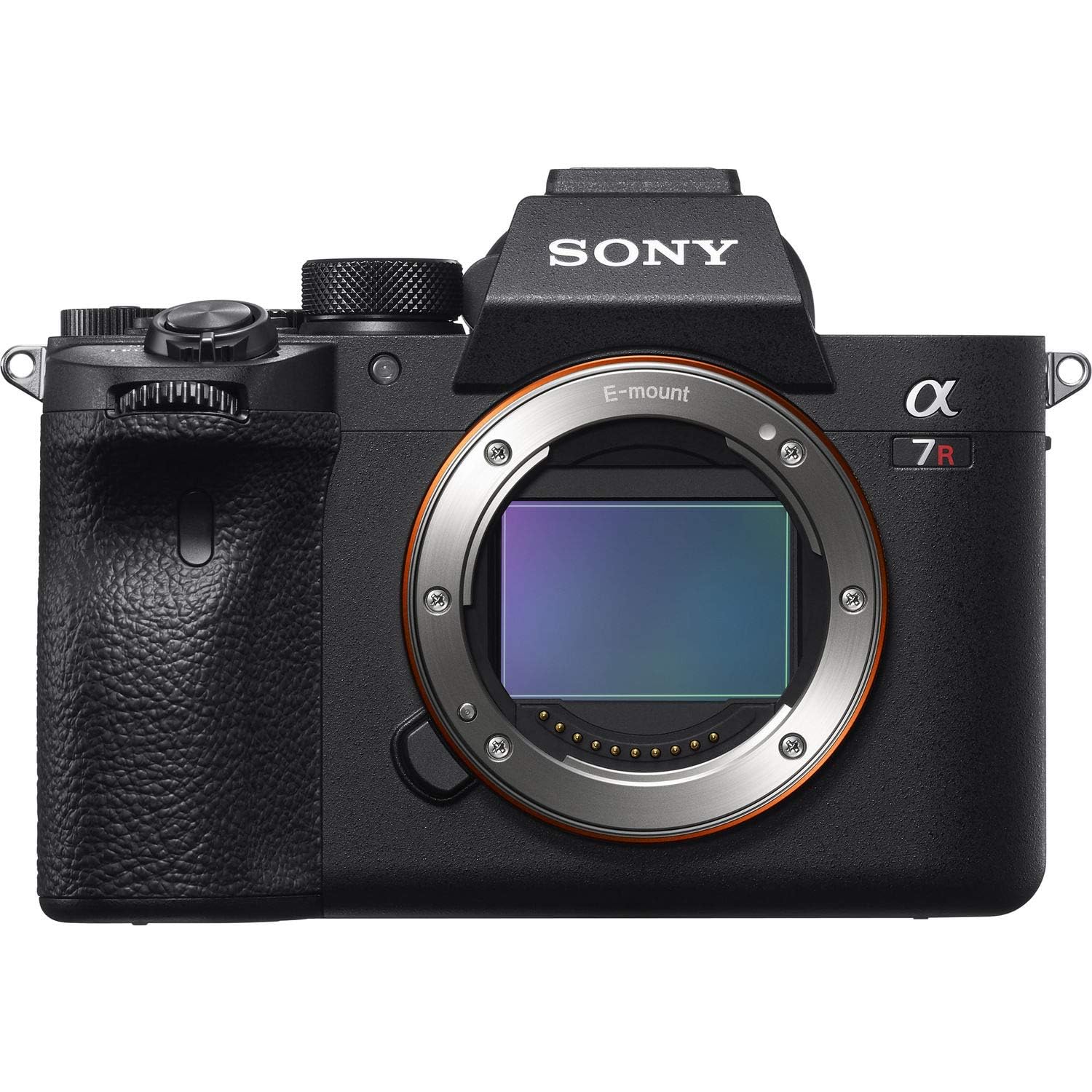

The Sony A7R IV and A7S III are two flagship full-frame mirrorless cameras from Sony, catering to different photography and videography needs. The A7R IV is revered for its high-resolution 61MP sensor, making it an excellent choice for landscape, portrait, and fine art photographers seeking detailed images. In contrast, the A7S III is designed for video creators and low-light shooters, featuring a 12MP sensor optimized for high-performance video capturing with impressive ISO capabilities. Both cameras share similar design philosophies and features but target distinct user bases that often deliberate between the two when making a purchase decision.
Key differentiators include their resolutions, video capabilities, and autofocus systems. While the A7R IV excels at still photography with its higher megapixel count, the A7S III outperforms in video attributes with 4K recording at 120 frames per second. Understanding these differences will help buyers determine which camera aligns more with their creative requirements.
Specifications Comparison
Detailed Comparison
Image Quality
When it comes to image quality, the Sony A7R IV is a clear standout due to its 61MP sensor, delivering incredibly detailed images suitable for large prints and extensive cropping without losing clarity. This high resolution allows for rich textures and details, making it ideal for photographers who prioritize image quality above all. The camera performs exceptionally well at various ISOs as well, thanks to its native range of 100-32000, expandable to 50-102800.
On the other hand, while the A7S III features only a 12MP sensor, it focuses on dynamic range and low-light performance. Its ISO range is commendable, extending from 80 to 102400 and further to 40-409600, making it unparalleled in low-light shooting contexts. Photographers working in challenging lighting conditions or needing high-performance video setups will appreciate the A7S III's adaptability in these scenarios.
In direct comparisons, the A7R IV will provide sharper, more detailed images in ample light, while the A7S III will impress in dim settings with cleaner images at high ISOs. Therefore, the choice ultimately depends on whether the user prioritizes higher resolution or low-light proficiency.
Autofocus System
Both cameras boast impressive autofocus systems, but there are distinctions that could sway users based on their needs. The A7R IV incorporates 567 phase-detection points and 425 contrast-detection points, offering reliable and speedy focusing for still images. Its autofocus capabilities make it efficient for landscape photography and portrait shooting, where precision is crucial.
Conversely, the A7S III has a slightly higher tally of autofocus points with 759, further enhancing its focusing speed and accuracy. The increased number of focus points, coupled with advanced real-time eye autofocus for both humans and animals, allows it to maintain focus even during fast-moving video shoots, making it considerably superior for video creators and event shooters.
Both systems are excellent in their right, but if tracking subjects with pinpoint accuracy in dynamic scenarios is a priority, the A7S III has the edge.
Video Capabilities
The A7S III shines when it comes to video capabilities. With a maximum recording frame rate of 120fps in 4K and options for 10-bit 4:2:2 internal recording, it is designed for professional videographers who demand high frame rates and color depth for video production. Additionally, the A7S III supports a range of video formats and resolutions, including 16-bit RAW output via HDMI, making it versatile for high-end cinematic needs.
In contrast, the A7R IV supports 4K video recording but is limited to 30 frames per second, which is excellent for general video but not ideal for high-speed video capture. The A7R IV's strengths lie in still photography, and while it's capable of decent video recording, it does not cater to the same level as the A7S III.
For those focused solely on video workflows, the A7S III is the clear winner, as it offers specialized features that far exceed what the A7R IV provides.
Build & Ergonomics
Both the A7R IV and A7S III showcase robust builds with weather-sealing, ensuring durability for outdoor use. They share similar dimensions, but the A7S III is slightly heavier at 699g compared to the A7R IV's 665g. Both cameras feature a high-resolution electronic viewfinder and a 3-inch LCD screen with 1,440,000 dots, facilitating accurate framing and review of shots.
The controls and layout are intuitive for both models, but the A7S III includes additional video-centric features, such as a dedicated video record button and a user interface optimized for filmmakers. The placement of buttons and dials caters to quick adjustments, making it suitable for dynamic shooting environments.
Overall, while both cameras are ergonomically designed for comfort and performance, the choices bolster the A7S III as a better fit for videography-focused users due to its finer adjustments and added conveniences.
Battery & Storage
Battery life is another crucial consideration when choosing between the two cameras. The Sony A7R IV offers a robust battery life, allowing up to 670 shots on a single charge, which is advantageous for long shooting sessions. In contrast, the A7S III provides slightly less endurance with a battery life of 600 shots; however, this is still commendable for a camera focusing on video capabilities, which tend to drain batteries faster.
Both models use the same NP-FZ100 battery, and they support dual card slots, enhancing storage capabilities. However, for videographers, the ability to write high-data video files to two card slots simultaneously can be a deciding factor, as the A7S III excels in managing such high-bandwidth tasks.
Considering battery life in conjunction with storage options, while the A7R IV claims a longer lasting battery for still photography, the A7S III's design prioritizes heavy video shooting, marking it as the victor for video-centric users.
Value for Money
With both cameras priced similarly at around $3,499 for the A7S III and $3,500 for the A7R IV, the value proposition depends largely on the user's primary focus. The A7R IV delivers exceptional resolution and is aimed at professional photographers who will benefit from its higher megapixel count, making it a solid investment for those who need top-tier image quality.
In contrast, the A7S III is competitively priced, especially considering its advanced video features that cater to filmmakers and content creators. The ability to shoot high frame rate 4K video can justify the price for videographers, especially when considering the high production quality it can achieve.
Ultimately, value for money is context-dependent; if one is a photographer seeking resolution, the A7R IV is justifiable. If video is the primary focus, the A7S III provides immense value with its professional video capabilities. Therefore, both models offer substantial value but justify their costs based on different needs.
Our Verdict
Ultimately, the choice between the Sony A7R IV and the A7S III boils down to users' specific needs. For photographers who prioritize outstanding resolution, high detail, and extensive cropping capabilities, the A7R IV is the optimal choice. However, for video professionals and those working extensively in low-light conditions, the A7S III excels due to its high frame rates, superb low-light performance, and advanced video features. Both cameras are exceptional in their fields, making them worthy investments depending on whether the primary focus lies in still photography or video.