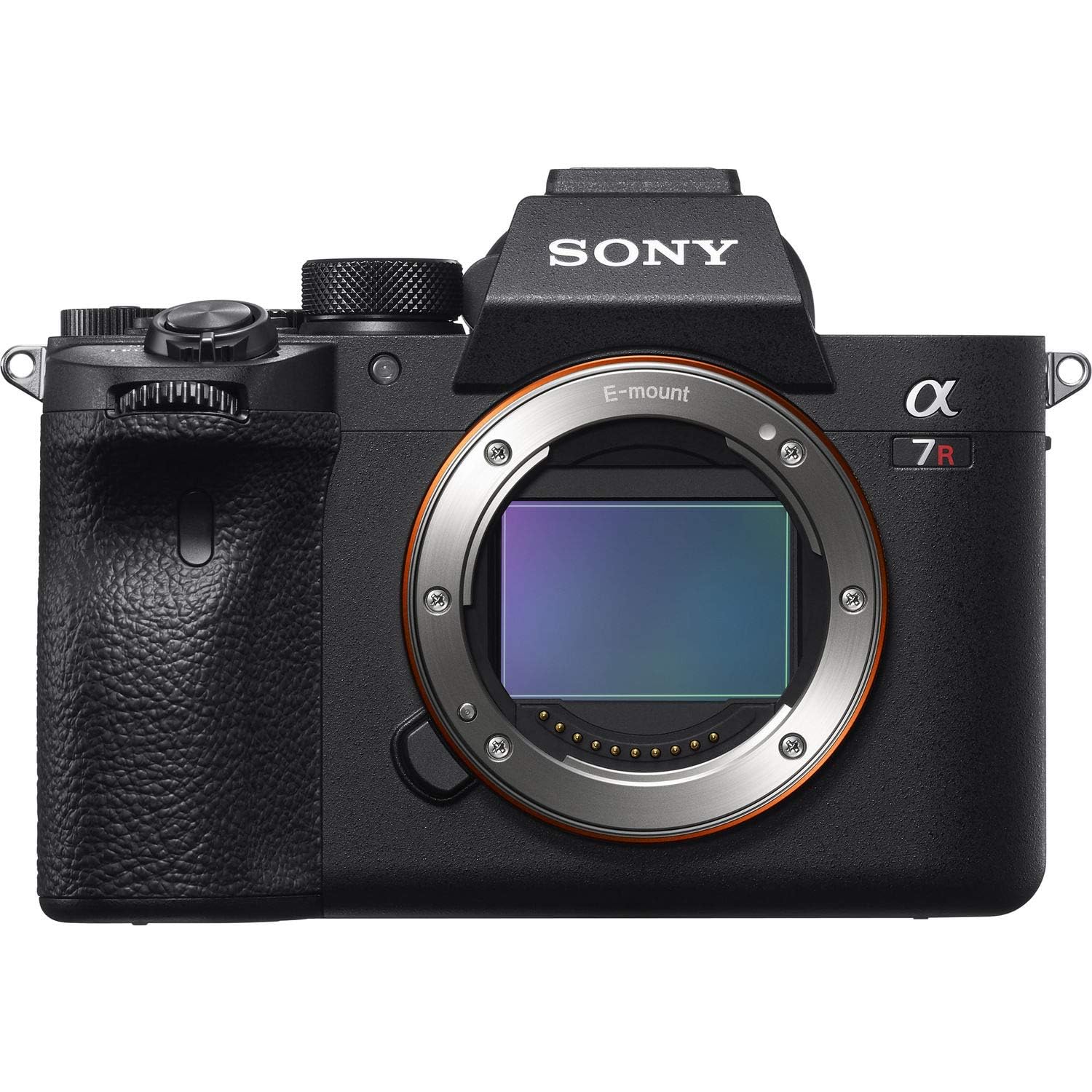
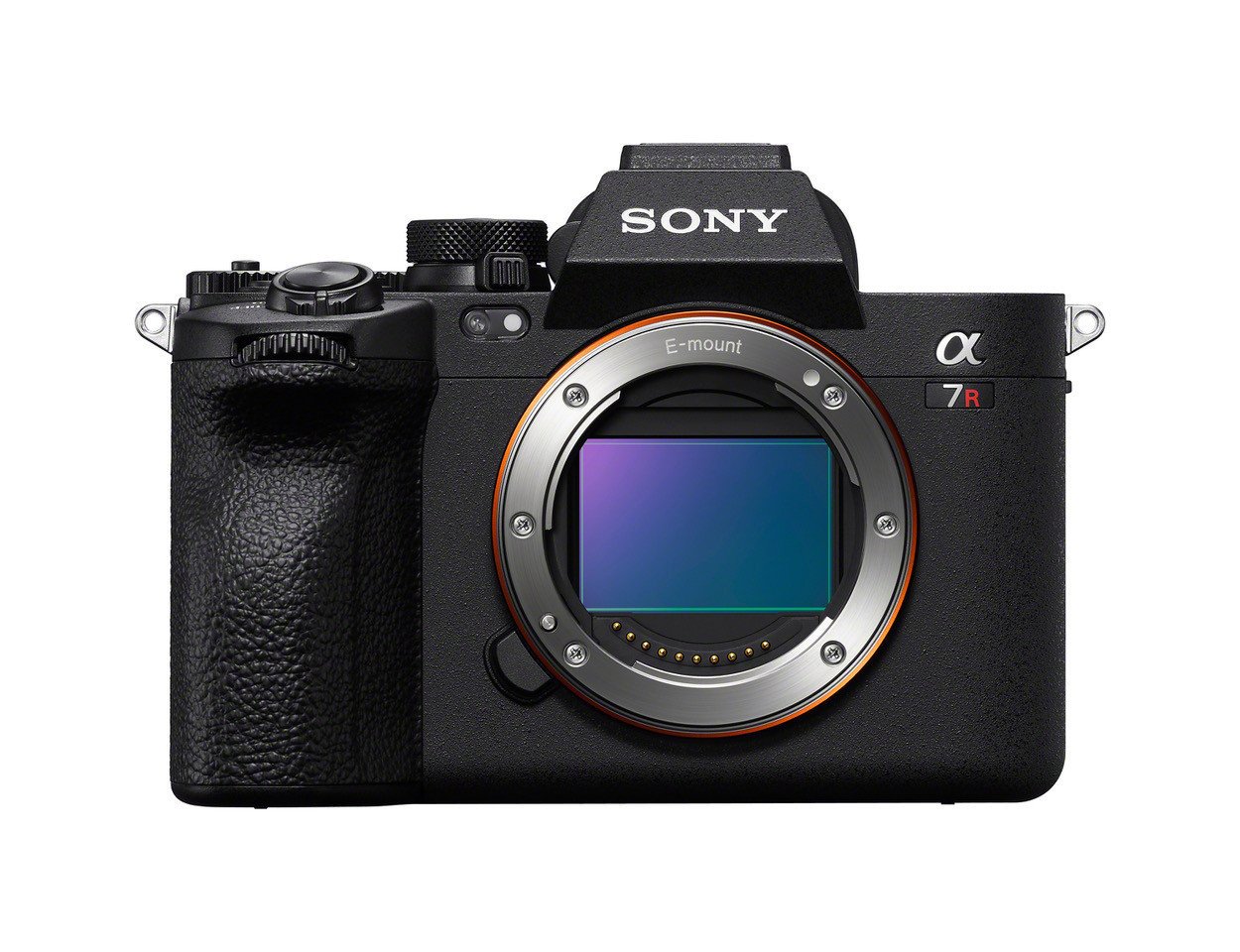
The Sony A7R IV and A7R V are both highly regarded models in the mirrorless camera segment, particularly among professional photographers and serious enthusiasts. They are commonly compared due to their similar full-frame sensor sizes and robust feature sets, making them popular options for landscape, portrait, and fine art photography. Buyers typically find themselves choosing between these two models based on differences in performance, video capabilities, ergonomics, and price.
Key differentiators lie in the autofocus systems, video specifications, and stabilization technologies, which can have a significant impact on user experience and the type of photography or videography one intends to pursue. Both models are designed for serious photographers looking to capture high-resolution images, but certain features may cater to distinct preferences or specific use cases, thereby influencing a buyer's decision.
Specifications Comparison
Detailed Comparison
Image Quality
Both the Sony A7R IV and A7R V feature full-frame sensors with remarkable image quality, but there are subtle differences. The A7R IV boasts a 61-megapixel sensor, slightly higher than the A7R V's 60-megapixel sensor. This small variance may impact resolution, but in real-world applications, the difference is negligible for most photographers. Both models deliver exceptional dynamic range and color accuracy, benefiting from Sony's advanced sensor technology.
Additionally, noise management is crucial in low-light situations, and both cameras offer similar ISO ranges, with the A7R IV extending to ISO 102800 and the A7R V reaching ISO 102400. The difference might not significantly affect image quality, but it could influence how users approach low-light photography. The A7R IV edges out slightly in terms of raw resolution, while the newer A7R V is designed to handle color science effectively, providing stunning images in various conditions.
Ultimately, both cameras produce stellar image quality, but the slight specifications in megapixels could sway those seeking the utmost detail in their photographs. When it comes to image quality alone, the A7R IV's higher resolution does give it a slight advantage for those prioritizing detailed still images, giving it the edge in this comparison.
Autofocus System
The autofocus systems of both cameras are impressive, but the A7R V has a clear edge. The A7R IV includes 567 autofocus points, providing fast and reliable focusing even in challenging situations. However, the newer A7R V increases this number to 693 autofocus points, allowing for improved tracking performance in both stills and video.
Additionally, the A7R V features advanced AI-based real-time tracking and subject recognition, enhancing its capability to lock onto subjects such as people and animals more efficiently. The A7R IV, while excellent in its own right, lacks some of the sophisticated AI-based functionalities present in the newer model.
The enhancements in the A7R V's autofocus system, including faster and more accurate tracking capabilities, make it a clear winner for photographers who need precision and speed, particularly in dynamic environments or for wildlife photography. Thus, when assessing autofocus functionality, the A7R V takes the crown.
Video Capabilities
When considering video features, the A7R V significantly outperforms the A7R IV. The A7R IV offers 4K video at 30p, which is adequate for many videographers. However, the A7R V elevates this with the capability to capture 4K video at an impressive 60p, allowing for smoother motion and enhanced quality in fast-paced scenes.
Furthermore, the A7R V features advanced video tools such as S-Cinetone color science for film-like aesthetics and improved heat management for extended recording times. These enhancements make the A7R V particularly appealing for those focused on professional videography.
In contrast, while the A7R IV provides solid video features, it does not cater as well to the growing demand for 4K 60p video, making it less future-proof in a rapidly evolving industry. Therefore, videographers seeking high-quality video output will find the A7R V to be the superior choice.
Build & Ergonomics
Both cameras are built robustly, with weather-sealed constructions designed for durability in various shooting conditions. However, there are some differences in ergonomics. The A7R V is slightly larger and heavier, weighing in at 723g compared to the A7R IV's 665g. This weight difference may come into play during extended shooting sessions, but the added weight may also contribute to improved stability during handheld shooting.
The A7R V features a slightly larger and more detailed 3.2-inch rear LCD screen with 2,100,000 dots, compared to the 3-inch screen of the A7R IV with 1,440,000 dots. This increase in resolution can be beneficial for composing and reviewing images with more clarity.
Both cameras maintain a comfortable grip and intuitive layout of buttons and dials, making them user-friendly for photographers transitioning from other models. However, the A7R V does enhance the overall experience with its more advanced screen, and slightly improved grip for long shooting sessions. Therefore, while both cameras are highly functional, the A7R V's ergonomics give it a slight edge in this area.
Battery & Storage
The battery life of the A7R IV is rated at approximately 670 shots, which is impressive and can sustain extensive photography sessions. In comparison, the A7R V offers a slightly lower battery performance of around 530 shots. This could be a consideration for photographers who often shoot in remote locations without easy access to charging solutions.
Both cameras utilize the same NP-FZ100 battery, so users transitioning from one model to the other will not need to replace their existing batteries, maintaining compatibility in this regard. In terms of storage options, both models support SD cards, including UHS-II for faster write speeds, which is essential for high-resolution photography and 4K video recording.
In light of this, while the A7R IV offers superior battery longevity, users of the A7R V may have to be more mindful of their battery management during long shooting days. Thus, in this battery performance comparison, the A7R IV emerges as the more advantageous option.
Value for Money
In terms of pricing, the A7R IV is more budget-friendly at $3,500 compared to the A7R V's $3,900. Considering the features, the A7R IV still offers impressive specifications, especially for photographers prioritizing resolution and battery life on a tighter budget. It remains a powerhouse camera for its price.
However, the A7R V incorporates valuable advancements that may justify the extra cost, particularly for those who place a high importance on video capabilities and advanced autofocus performance. The improvements in AI tracking and 4K video specifications offer compelling reasons for professionals looking to enhance their workflow.
Overall, while both models present strong value propositions, the A7R IV may appeal more to those who seek a well-rounded camera without the need for cutting-edge video features, making it the better option for budget-conscious buyers. Therefore, in this category, the A7R IV provides better overall value for its price.
Our Verdict
The Sony A7R V ultimately emerges as the winner, primarily due to its superior autofocus capabilities and enhanced video features, making it an excellent choice for professional photographers and videographers who require cutting-edge technology in their gear. However, the Sony A7R IV retains its stature as an extraordinary camera, offering incredible image quality and better battery life, making it a strong consideration for photographers who do not need advanced video functionality but desire outstanding still photography performance. Each model has its strengths, and the decision should hinge on the user's specific requirements and budget considerations.
Sony A7R IV
Sony A7R V
Also Compare
Frequently Asked Questions
How much difference is there in image resolution between the A7R IV and A7R V?
The A7R IV features 61 megapixels compared to the A7R V's 60 megapixels. In practice, this difference may not be noticeable unless you are pixel-peeping or printing very large formats.
Is the A7R V worth the extra cost over the A7R IV?
If you prioritize enhanced autofocus features, especially for fast-moving subjects, and advanced video capabilities, the A7R V is likely worth the investment for professional use. For those focused mainly on still photography, the A7R IV may provide better value for money.
What is the battery life difference between the two models?
The A7R IV has a longer battery life, rated at approximately 670 shots, while the A7R V is rated for about 530 shots. Choose based on your shooting style and whether you often need extended battery performance.
Can I use lenses from the A7R IV on the A7R V?
Yes, both cameras have the same Sony E mount, allowing compatibility with a wide range of Sony lenses. You can easily switch between the two models without needing to change your lens collection.
How do the video capabilities compare between the two models?
The A7R V offers superior video capabilities with the ability to shoot 4K at 60p, while the A7R IV tops out at 4K 30p. This makes the A7R V a better option for filmmakers or content creators focusing on high-frame-rate video production.