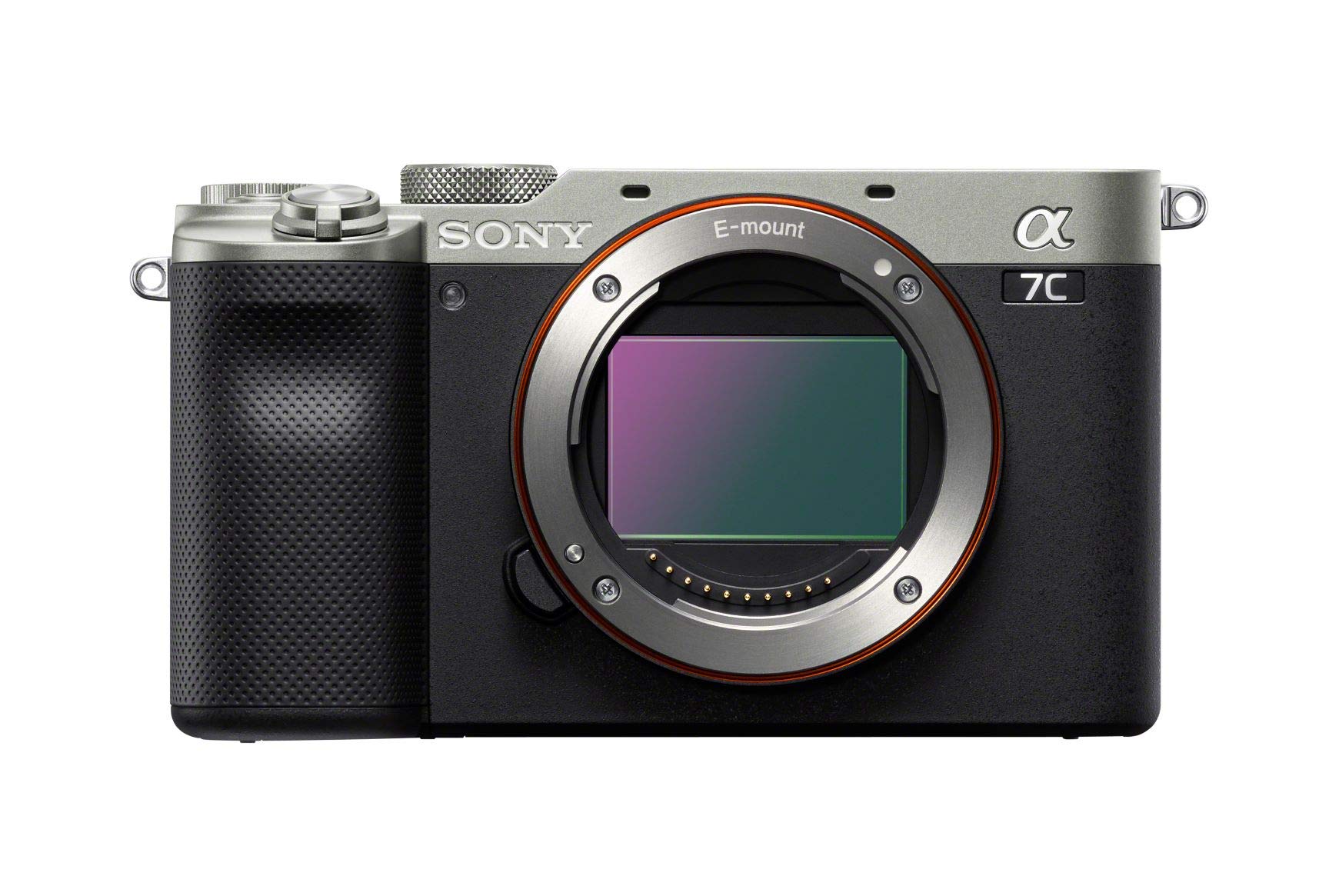

The Sony A7C and Sony A9 III are two popular mirrorless cameras targeted at different segments of photography enthusiasts and professionals. The A7C, released in 2020, aims to provide compact versatility with a full-frame sensor, while the A9 III, released in 2023, is designed for high-speed performance and professional sports photography. Buyers might be choosing between these models based on specific needs such as portability, high-speed capabilities, and video performance. Each model has distinct advantages, making this comparison crucial for potential buyers to determine which camera aligns best with their photographic needs.
Specifications Comparison
Detailed Comparison
Image Quality
Both the Sony A7C and A9 III feature full-frame sensors, but they differ slightly in resolution. The A7C has a 24-megapixel sensor, while the A9 III offers 25 megapixels. The minor difference in megapixels is overshadowed by the overall image processing capabilities of each camera. The A9 III, with its newer technology, performs exceptionally well in various lighting conditions and at higher ISO settings, delivering cleaner images with less noise. Additionally, the wider ISO range of the A7C (up to 204800) can provide more flexibility for low-light photographers. Still, the A9 III's newer sensor and processing engine contribute to superior dynamic range and color accuracy, especially in challenging lighting situations. Overall, while both cameras produce excellent image quality, the A9 III edges out regarding performance under diverse conditions.
Autofocus System
The autofocus capabilities of both the A7C and A9 III are impressive, yet there are significant differences in performance. The A7C boasts 693 autofocus points, providing excellent coverage for most shooting scenarios. However, the A9 III significantly enhances this with its advanced autofocus system, featuring 759 points and enhanced algorithms designed for tracking fast-moving subjects. This makes the A9 III ideal for action photography, such as sports or wildlife. Moreover, the A9 III integrates Real-Time Eye autofocus for both humans and animals, effectively solidifying its position as a leader in autofocus technology. Therefore, for users who prioritize autofocus accuracy and responsiveness, especially in dynamic situations, the A9 III is the clear winner.
Video Capabilities
When it comes to video features, the A9 III again takes a commanding lead. The A7C offers 4K video at 30p, which is suitable for most users but may be limiting for professional videographers. In contrast, the A9 III provides 4K video recording at an impressive 120p, which is a significant advantage for those looking to produce high-quality slow-motion footage. Additionally, the A9 III supports 10-bit 4:2:2 internal recording, a feature that grants videographers more flexibility in post-production. The A7C, being more compact, can handle video reasonably well, but for those who demand cutting-edge video performance, the higher framerate and expanded capabilities of the A9 III make it a much stronger choice.
Build & Ergonomics
In terms of design and build, the A7C is notably more compact and lighter at 509g compared to the 617g of the A9 III. This makes the A7C a great option for photographers who prioritize portability and ease of use in various situations. Additionally, the A7C's smaller dimensions (124 x 71 x 60 mm) allow for simpler storage and carry, ideal for travel or street photography. However, the A9 III offers a more robust build, better suited for intensive professional use, featuring improved weather sealing and ergonomics. The larger grip of the A9 III is designed for extended use, providing greater comfort when using heavier lenses. While both cameras are well-built, the choice largely will depend on whether portability or durability is a higher priority for the user.
Battery & Storage
The A7C features an impressive battery life, rated at around 740 shots per charge, which is advantageous for long shooting sessions or events. It also employs SD UHS-II card slots for storage, facilitating fast write speeds suitable for both photo and video shooting. The A9 III's battery life is slightly shorter, as it is optimized for high-speed shooting and video recording. However, it maintains strong performance with additional features that support extended sessions. Both cameras use Dual SD card slots, but the A9 III is particularly focused on high-volume shooting, offering increased data management efficiency. Overall, while the A7C may have an edge in battery life for still photography, the A9 III's capabilities in high-speed environments somewhat balances the equation.
Value for Money
When it comes to price, the A7C is the more budget-friendly option at $1799, providing great value for those looking for a compact full-frame mirrorless camera with solid performance. It caters to enthusiasts and travelers preferring a lightweight system without sacrificing quality. Conversely, the A9 III, priced higher and featuring advanced performance capabilities geared towards professionals, justifies its cost with superior autofocus, video capabilities, and image quality. For casual users or those who do not need the all-out performance of a professional system, the A7C presents a more economically sensible choice. However, for professionals who require faster shooting and enhanced features in high-pressure environments, the A9 III offers a better long-term investment.
Lens Ecosystem
Both the A7C and A9 III share the Sony E mount, allowing photographers access to the extensive lineup of Sony lenses. However, the A9 III is often viewed as the 'flagship' model, which may attract more professional-grade lens options, especially designed for sports and wildlife photography. While there's overlap, the choice of lenses can affect performance, particularly the selection of G Master lenses aimed at maximizing the potential of the A9 III. The A7C remains compatible with these lenses as well, but the ecosystem often leans more towards travel and general photography. As a result, while the lens ecosystem benefits both cameras equally technically, the A9 III may align users closer to high-performance optics faster.
Our Verdict
Overall, while both cameras perform excellently in their own right, the Sony A9 III prevails in terms of advanced features, autofocus performance, and video capabilities, making it suitable for professional photographers and serious enthusiasts. Nevertheless, the Sony A7C stands out for its lightweight design, budget-friendly price, and solid performance for everyday photography, making it a top choice for travelers and casual users. The decision ultimately depends on the user's specific needs - whether one prioritizes portability and value (A7C) or professional-grade performance and capabilities (A9 III).
Sony A7C
Sony A9 III
Also Compare
Frequently Asked Questions
Which camera is better for beginners?
The Sony A7C is often better for beginners due to its compact size, simpler interface, and lower price point while still providing excellent image quality.
Is the A9 III worth the extra cost?
For professional photographers or those who frequently shoot fast-paced action, the A9 III's advanced features, including quicker autofocus and better video capabilities, justify its higher price.
Can I use my existing Sony lenses on both cameras?
Yes, both cameras utilize the Sony E mount, allowing you to use your existing lens collection without any compatibility issues.
What are the main differences in video capabilities?
The A9 III supports 4K video at 120p and 10-bit internal recording, while the A7C offers 4K at only 30p. This makes the A9 III better for professional videography.
Which camera has a better battery life?
The Sony A7C offers better battery life, providing around 740 shots per charge compared to the A9 III. This is beneficial for long shooting sessions.